On Tuesday, June 3, I went downtown to a 5:30 demonstration against the current Israeli policy of starving the people of Gaza. There were only about 200 protesters, but then the event was poorly publicized. Most of the protesters were either quite old or quite young. Many were Jewish; some were people of color. One, a lovely young Asian woman, said it was the first time she could allow herself to be photographed without a mask at a protest. She had just become an American citizen. Now she doesn’t have to be afraid of deportation for protesting a war crime.
We had been asked to wear black and bring an empty pot. I understood the black: we were mourning tens of thousands of unnecessary deaths. The pots were to bang on, it turned out. The symbolism was wasted on passersby, and there was quite enough noise without the banging.
My protest buddy said she agreed with about 60% of what the speakers said. I agreed with about 80%. Some of them spoke about the 1400 medical workers killed in Gaza since the Hamas attack of October 7, the journalists killed, the international journalists prevented from reporting on the scene. One of them, the angriest, was the only speaker I’ve heard who seemed to support Hamas. He was listened to, but the crowd murmured, and didn’t bang on their pots when he finished.
Some of the signs: “Gaza Genocide: we can’t say we didn’t know.” “Let the children eat.” “Gaza: the graveyard of international law.” One tee shirt quoted George Carlin: “I have certain rules I live by. My first rule: I don’t believe anything the Government tells me.”
A man in a MAGA hat tried to ride his bicycle through the crowd. The monitors stopped him, politely, but he wanted to argue. “Now you’re behind me, and I’m feeling threatened!” he said, and added, “You judge me because I’m wearing a hat?” He kept getting louder. A youngish man stepped up, telling the guy he was going to change his mind. The monitors asked the two men to take their argument further away from the speakers, which they did.
For the next half hour, the two men continued their discussion to one side of the protest. The older man mentioned Dresden and Nagasaki as the kind of horrors that are sometimes necessary in war. He said he had seen videos of Hamas hijacking aid trucks. At one point I heard the younger man say, “I’m hearing a little too much dry drunk right now.” Finally they shook hands, and the MAGA guy rode away on his bike. I doubt his mind had been changed. But he clearly felt that he had been given a respectful hearing.
I remember, wistfully, an occasion nearly a year ago when I had a good conversation with a Zionist Jew on the Harvard campus. We disagreed on most things about this war, though we agreed on many other issues. We came up with the idea of the university holding a series of informal meetings on Gaza, to be called “Let’s Just Talk.” We parted amicably. But the last time we saw each other on opposite sides of a protest, he hissed at me, “So you support terrorism?!”
Our opposing sides are operating with two different data sets. Two different sets of photos, videos, eye witness accounts, casualty numbers: everything. We really, really need to just talk.
Everywhere my daughter Margaret and I went in Vietnam this January, we met lively, friendly, fearless women. Given the Vietnamese reverence for family, strong women are probably not a new thing for them. But these women were powerful personalities far outside the family sphere. Or maybe, through sheer force of character, they become the mother or big sister wherever they are.
The first such woman we met didn’t even speak to us. I had contracted the norovirus on our long trip over. I was kneeling by the toilet in our hotel when the New Year’s fireworks began. Days after the worst was over, I still felt shaky and faint. We couldn’t decide whether I should go to a hospital. Margaret thought we could use a massage first.
I’m not even five feet tall, but my masseuse made me feel like a giant. Margaret suggested a Thai massage, which she said meant “they do yoga to you.” The hostess told us to say “It hurts” if the massage was too rough. I did say that a few times. My masseuse ignored me. She kept pulling, pushing, and twisting me as she thought best. After an hour of this, my dizziness was gone, and it never came back. That tiny beast of a woman had fixed me.
After the crowds, excitement, and smog of Hanoi, we went east a few hours to the fresh air and fabulous landscapes of Bai Tu Long Bay. Huge limestone karsts thrust up from the water like surreal sculptures, vertical, pocked with caves, crowned with greenery. Our guide to these wonders was a young woman named Windy. She told us her name in Vietnamese meant Number Four, so she gave herself a name she preferred.
Windy had been orphaned at age 12. She worked wherever she could, learning English by talking with tourists. She did not tell us how she lost one eye. She was neither pretty, graceful, nor ingratiating. She was just outspoken and hilarious. Her narration was full of jokes, many seemingly improvised on the spot. She treated all of her fellow crew members like younger brothers, and had several play fights with them from which she emerged grinning with victory. Among all the crews on all the boats in that popular bay, she is the only female. Windy: long may you wave.
In Hue, Margaret took a cooking class from Yong, husband of Lisa, another magnificent woman. They were among the kindest, most thoughtful people I’ve ever met. Lisa took us shopping with her after dinner, along a sidewalk market where everybody seemed to know and like her, and then to her local Buddhist temple where we could meditate for a while with the monks.
photographs by Margaret Collins
Lisa and Yong knew that visiting the war-ruined Demilitarized Zone would be a difficult emotional experience for us, so they decided to take a day off work to keep us company. It was a windy, rainy day when we went. Crossing the bridge dividing the North from the South, Lisa kept her arm around my waist. In the Vinh Moc tunnels where 600 villagers lived for six years 100 feet underground, she stayed close, along with Margaret, to keep me from slipping on the steep, mossy steps. We only spent two days with the couple, but their warmth made us feel like close friends.
I keep thinking of some people I never met or spoke with – the ones up to their knees in the rice paddies. They might find some comfort in the peaceful green landscapes around them. It’s likely, though, that the comfort doesn’t amount to much when your back aches, your feet hurt, the mosquitos swarm, in the broiling sun or driving rain. What chance do they have to escape such a life, in a country where most people’s education ends at age 11?
And I think of the people so old they couldn’t stand up, whom we saw sweep the sidewalks in front of some shops. In Vietnam, if you don’t work, you don’t eat. Their families must make sure they have some shelter, because you don’t see homeless people sleeping in doorways or on park benches. But in Vietnam, as in today’s United States, the government doesn’t do much for the oldest or poorest of its people.
In Vietnam, people are not free to demand change. In the US, we can still do that. The resilience of the Vietnamese people, after decades of horrendous bombing and poisoning by our country and others, should be an inspiration to us. All of humanity is our family, and the whole earth is our home. I hope the American people will begin to insist that our country act accordingly. The kind and hardworking women of the world, and the men and children they cherish, deserve better.
I just got back from three weeks in Vietnam. April 30, 2025, marks the 50th anniversary of the fall of Saigon, the end of what the Vietnamese call the American War. We went to see what is left of the damage our country did to that country, and how well its people are doing now.
The answers are: plenty of damage left; and, they are doing better than you might think. Thousands of children are still being born with deformities caused by the persistence of the toxic herbicide Agent Orange in water and soil. Almost 20% of the land is still salted with unexploded bombs and mines, dangerous to use or even walk on.
Millions of Vietnamese were killed by American bombs and starvation caused by the herbicides that destroyed their crops. Through these massive tragedies, they have learned a great deal about how to survive.
For one example, veterans of the war know about the Cu Chi tunnels that sheltered Viet Cong fighters. But not many Americans have heard about the tunnel systems that housed thousands of civilians while we leveled their villages overhead.
My daughter and I visited one such tunnel system, where 600 villagers from Vinh Moc lived for six years. While the USA was dropping seven tons of bombs for every person in the province, they dug 100 feet down into the wet clay soil – with hand tools. They had to dig that deep because American bombs could reach 30 feet down.
The original tunnels collapsed eventually, but the government has built replicas, braced so as not to fall on the heads of visitors. The tunnel entrances are steep and slippery, their steps covered with moss. The walls drip with moisture. There are trenches on each side of the narrow paths to carry the water away.
The tunnels contain hospital rooms, nurseries, meeting rooms, wells, and ventilation shafts. Niches called family rooms bud off each side of the tunnels, about six feet deep, four feet high, and four feet wide. Five to seven people lived in each room.
The above-ground museum shows how people slipped out at night to care for their crops. The villagers also formed a vital part of the supply chain for the Viet Cong in the North. Suicide teams would push bicycles loaded with up to 1000 pounds of food or weapons through exposed trenches to the nearby coast. From there, they rowed the supplies to an island twenty miles away.
We expected the Vietnamese people to exhibit some resentment toward us as Americans. Perhaps because of their primarily Buddhist culture, we found only forgiveness and kindness instead. When my daughter told people that I had been an antiwar activist during that war, they reacted with gratitude. More than one person told me that I had “been fighting for them”. The group Vets for Peace runs annual tours to Vietnam; they report that they are greeted with the same forgiveness and compassion, and often moved to tears by it.
Many Vietnamese are still farming rice with ancient methods, which is backbreaking work. But perhaps 40% of the population has moved into cities as lively and colorful as any we have seen. With the encouragement of the Communist government, the Vietnamese have become tremendous entrepreneurs.
The economy seems to run on motorbikes. A guide noted, “You can clean a bike, or fix one, or steal one, or deliver materials on one.” People sit on the sidewalks with bamboo or plastic baskets full of fruit, fish, toys, or whatever else they can find to sell.
There are huge and thriving street markets, special night markets for crafts, endless black markets with parts for everything you can think of. Roadside living rooms have been turned into narrow shops or cafés. The USA hasn’t seen this level of mom and pop business since the corporations took over, if then. In Vietnam, mom probably has one business, pop another, and the kids are out hustling up their own gigs.
Elsewhere, I hope to describe the beauty of Vietnam landscapes, the deliciousness of the food, the lovely little shrines dotting every street, and the delightful people we met everywhere. It’s just good to report that though the scars of war remain, the Vietnamese are healing.
Go visit, if you can. Especially if the war left scars on your own heart, it will do you good.
Children crying from hunger. This is the age of cruelty. It ends now.
People sleeping in doorways. This is the age of poverty. It ends now.
Styrofoam washing up on beaches. This is the age of garbage. It ends now.
Neighbors burn down neighbors’ houses. This is the age of hatred. It ends now.
People with no hope pick up guns. This is the age of violence. It ends now.
This is the age of new creation. It begins with you.
By Jane Collins and Christina Starobin
Christina is the author of CORONA WILDFIRE & POEMS OF PROTEST, This Changes Everything, KALEIDOSCOPE CAFÉ, & A Human Being Is Not a Remote Control Device, the beginning of a series; all available through Cyberwit or Amazon.
There will be no way to avoid a succession of horrors in the coming four years. It’s no use waiting for the Democratic Party to tell us what to do. It has become a creature of corporate interests, out of touch with the needs of the non-rich. We have to tell the Party what to do.
The non-profit sector is a mess of single-issue organizations competing for attention and money. We are not single-issue people. Whether you are on a board or just a member, pressure your group to join other groups in as many coalitions as it can manage. All our issues are connected under the banner of peace, justice, and a survivable environment. Progress on any of our goals helps us to achieve all of them. Solidarity is key. We must stand up for one another.
More than changing institutions, we need to change minds. Leave your comfort zone. Don’t stick to preaching to the converted. If you can get access, go on Fox or the bro podcasts. Wait in line for a call-in radio talk show. Try to reach new audiences. Don’t talk down; persuade. Explain what you believe, and be ready to back it up.
We need big change. That means our actions must be non-violent. Violence is not change; it’s just part of the same cruel culture that is wrecking our world. If you are part of a protest, do whatever you can to keep things civil, no matter the provocation.
Expand your social set. Meet people who are not like you. Listen to them with respect. Everyone has something to teach. You don’t have to leave the country to find whole new worlds to explore. Besides, we need you here.
Most of all, keep yourself and your friends from wallowing in despair. If we think there’s no hope, we’ll stop trying, and then there really won’t be any hope.
I’m an American Jew, and this year the High Holy Days of my religion have a special, and terrible, meaning for me. Another year of violence in the Middle East has brought tragedy to millions, and contributed to a surge in anti-semitism around the world. Last Monday, I found some comfort in the company of others who feel, as I do, that our community should mark this Day of Atonement with more than personal acknowledgement of what we have done wrong.
A year after a vicious Hamas attack on Israeli civilians turned long-simmering violence into open warfare, a couple of thousand non-Zionist Jews and our allies gathered in the Boston Garden. We met to grieve — not only for the more than 1200 Israelis killed on that day, and the hundreds kidnapped, but for the tens of thousands of Palestinians killed in the bloody year since then, and for the Lebanese who are now also under Israeli attack. The event was organized by IfNotNow, a group devoted to ending American support for Israeli apartheid and aggression toward Palestinians.
Late on the damp Monday afternoon of that sad anniversary, before most of the crowd showed up, a young rabbinical student led us through an ancient Jewish ritual called Tashlikh. This ceremony is performed during the “Days of Awe” between Rosh HaShanah – the Jewish New Year – and Yom Kippur, the Day of Atonement. One symbolically casts off one’s sins by throwing something in flowing water to be washed away. Usually people throw bread crumbs, but out of concern for the fish in the pond, we threw pebbles or dead leaves instead. The pond water wasn’t washing anything away, which also seemed symbolic to me.
The theme of the main event was “Every life is a universe”. Speakers included Rep. Ayanna Pressley, Rabbi Toba Spitzer, Imam Ahmad Barry, and Rakeea Chesick Gordis. That young woman gave eloquent testimony to losing close friends and family members during the Gaza war, including both Israelis and Palestinians. She spoke of drowning in grief, feeling overwhelmed by waves of it. Again and again, the speakers insisted: Jews cannot be safe if Palestinians are not free.
After an hour of speeches, prayers, and songs, rain began to drip through the trees. Mosquitos emerged from the mist over the pond to ensure our discomfort. Considering the suffering we were there to commemorate, nobody complained. At one point, volunteers handed out small strips of cloth we were to rip, as a sign of mourning, and attach to our clothes.
October 12 is the Day of Atonement in the current year 5785 of the Hebrew calendar. I believe that American Jews have a lot to atone for. I am not refering to personal sins; Jews are no more or less hateful, thoughtless, or selfish than anybody else. I mean the Jewish community as a whole. For the most part, we have supported Israel for the 76 years of its existence, no matter what it did. We have pressured the US to continue sending more than $3 billion a year in military assistance to Israel, and ignored what Israel did with all those weapons.
Ever since the Holocaust killed six million Jews in Europe and the Nakba displaced three-quarters of a million Palestinians in Israel, both sides have committed too many atrocities to list. The difference is that American weapons have turned the Jewish state from David into Goliath. Israel has become a paragon of military might. Nearly all of its people are or have been soldiers. They believe they are fighting for survival, which excuses all their violence as self-defense.
According to the United Nations, from 2008 through 2020, 5590 Palestinians were killed in the ongoing hostilities, compared to 251 Israelis. There are many conflicting estimates of the casualties since the founding of Israel in 1948, but on one thing they all agree. Far more Palestinians have died than Israelis. This conflict is deeply lopsided, and not only in lives lost. The longer it goes on, the more territory originally set aside for a Palestinian state disappears into Israeli hands. Even the rubble that was Gaza is likely to get rebuilt into beach towns for Jewish tourists.
Now it seems that many American Jews have decided to drop their indifference to religion and rejoin the Jewish community. During most wars, previously apolitical people tend to rally around the flag. This is “my country, right or wrong” time. Jews everywhere have been taught to believe that Israel, and not the Torah, is the central element of our religion. In many ways, Israel has become our religion.
After 9/11, the US squandered the world’s sympathy by starting two completely unnecessary and unprovoked wars. Instead of hunting down the gang of Saudi terrorists that bombed the World Trade Center, we invaded and occupied Afghanistan and then Iraq. We killed hundreds of thousands, and made millions homeless. Now Israel has squandered the sympathy it garnered after the Hamas attack by bombing the millions of Palestinians it holds captive behind walls and military checkpoints in Gaza and the West Bank. Most of those who survive are now homeless, and many are starving.
Zionist Jews, and most Israelis, believe that this violence is justified because it’s the only way to destroy the criminal gang that is Hamas. Yet this policy is doomed to fail. Violence begets violence. Every time an Israeli bomb kills someone, Hamas can recruit more members from among the people who loved them. Zionists blame Hamas for all the destruction on both sides, just as the most extreme pro-Palestinians blame it entirely on Israel’s decades of oppression and occupation.
The truth is that there is plenty of blame to go around. So long as we find war acceptable, we all must share the blame for the loss of so many irreplaceable universes. I am grateful to IfNotNow for giving us a chance to start the new year by acknowledging our part in the ongoing crime of mass murder. May the year to come bring a ceasefire, and healing to all who suffer. We must make peace. If not now, then when?
I’m 76 years old. I’ve been homeless, crazy, sick, lost people I love, seen good things turn to shit. And I still believe in magic.
I believe in the magic of loving kindness. I have seen it, felt it. Tried to practice it. And I’ve been watching a long time, and it works. I’ve seen it work.
I felt it in the streets in the ‘60s and at protests and vigils and marches ever since. For every useless war, every awful court decision, people come out in the street to say no together: No, please, not again.
I’ve felt that magical fellowship in congregations of many faiths, at neighborhood barbeques, at music and art events, parks, and beaches. I even felt it once in the Manhattan terminal of the Staten Island ferry, when a woman’s parrot got loose and many teams of strangers instantly formed to get it back.
The meek are everywhere. We take comfort in one another’s presence. We get along peacefully. We’re all colors, genders, religions. We exist in every country.
Some big ape starts hooting and beating his chest, and all the other big apes start hooting and beating their chests. Usually it’s just noise, and boys marking their territory, but sometimes it gets serious and leads to war.
This has nothing to do with protecting mothers and children. It’s anger, insecurity, arrogance, and pride, all the worst parts of our nature, roused up, encouraged. Feeling things are going their way, the big apes can strut their supremacy. They have the power now; they think it’s done. But this is not over.
We are the people of peace, and we must win. Magic lives in our hearts. The secret is to practice it together, in solidarity, across every issue, and to never give up.
The campers take their tents down a week before graduation, or Commencement in Harvard-speak. They believe there has been a peaceful resolution to their protest: no harm, no foul. They remove the tents without fuss so the University can proceed to set up its formal events. In return, their suspensions will be reversed so the seniors can graduate, and the rest can return to campus in the fall. President Garber has promised leniency, or so they think.
But has the University negotiated in bad faith? Although Garber’s May 14 email promises to expedite the protesters’ disciplinary cases, and he says he will ask all the Harvard schools to begin the reinstatement process for those put on involuntary leave, he never explicitly promises that they will be reinstated. And they are not. Instead, the Administrative Board — the College disciplinary body — suspends five students and puts more than 20 others on probation for participating in the 20-day encampment. This means that 13 seniors will not get their diplomas, including several Rhodes Scholars.
More than 1100 undergraduates sign a petition urging the College to overturn the sanctions. A majority of the professors present at a May 20 meeting of the Faculty of Arts and Sciences vote to overturn the sanctions, claiming that according to University statutes, the Administrative Board is “subject to the authority” of the Faculty. The next day, more than 500 faculty and staff sign an open letter asking for the sanctions to be reversed.
During the actual Commencement ceremony on May 23, more than 1,000 people stand up and walk out. Most walk across the Cambridge Common to the Harvard-Epworth Church for an alternative graduation ceremony.
At the formal ceremony, two student speakers go off-script to condemn the sanctions. The Senior English Address speaker, Shruthi Kumar, tells the audience she is “deeply disappointed by the intolerance for freedom of speech and the right to civil disobedience on campus.” But the Ad Board, led by College Dean Rakesh Khurana, refuses to change its decisions, and the University backs it up. Or perhaps the University sticks to its decisions and the Ad Board backs it up.
Harvard Yard has hosted protest encampments many times before. The most famous occurred in 1969, when the University called in city police to arrest students occupying University Hall to protest the Vietnam War. The brutality of those arrests prompted a University-wide student strike. In 1986, students built a “shantytown” protesting Harvard’s investments in apartheid South Africa. For three weeks in 2001, as part of the Living Wage campaign, students camped in around 100 tents in the Yard to support others occupying Massachusetts Hall, where the University President’s office is located. In 2011, tents went up for Occupy Harvard. In 2014 and 2015, students blockaded Mass Hall demanding divestment from fossil fuels. In 2016, they held a sit-in supporting a dining hall workers strike.
Since the 1969 catastrophe, aside from one arrest in 2014 and some three-week probations, no serious sanctions were imposed on such demonstrations until this protest. Protesters and their sympathizers call this unprecedented degree of punishment “the Palestine exception”.
On Friday, May 31, the University holds the last of its large end-of-year events, Alumni Day. Hundreds of alumni used to form a procession on Commencement Day and march before the graduating seniors, but since COVID, alumni get our own day, a week after the students have all gone home. It’s a little odd to have such a grand procession with hardly anyone in the audience, a parade with no bystanders. Alumni are seated as we march in, filling the front rows and leaving most of the back rows nearly empty.
A friend says someone asked him why the alumni are having such trouble getting themselves into line. He answered, “Because everyone wants to be in front.”
Tiny bright green aphids rain out of the trees onto a multitude of crimson hats and gray heads. People wave red plastic clappers and flags, hold giant helium balloons, and wear red headbands with glittery pompoms on top, as though they had never worried about microplastics. My friend calls the excess of shields, banners, top hats and tails “Anglophilia”; a royal wedding would not seem out of place.
Just before President Garber stands up to speak, there is a commotion onstage. A young woman pours a vial of gold glitter onto his head, shouting “For the baby monkeys!” She is a member of PETA (People for the Ethical Treatment of Animals), unaffiliated with the University. She is arrested for assault and battery, trespassing, and disturbing a public assembly. Her cause has no connection to the movement against the Gaza War, except that it is also a cry against captivity, cruelty, and needless killing. When he begins to speak, Garber graciously tells the audience “I could use a little glitter,” and reaffirms the University’s commitment to free speech.
After that incident, the incursion of a couple of dozen pro-Palestine demonstrators is a bit anticlimactic. They walk up and down the aisles with banners and posters, but do not attempt to get on stage. They get loud boos and a scattering of applause. Nobody makes a move against them as they leave the Yard. I wonder if this demonstration was negotiated with the administration in advance, or if the security guards and admins simply know this group well enough by now to trust its commitment to nonviolence.
I run to catch up with the protesters. They stand in front of the Science Center for a while handing out pamphlets about the Gaza war and why Harvard should divest. Then they disperse. Nothing else seems to be happening. More student demonstrations will have to wait for this fall.
Yesterday, Mother’s Day Sunday, was the last move-out date for freshmen. Now the campus is eerily quiet. The only noise comes from riding lawn mowers, and a supporter of the protest – not obliged to follow its policies – who is standing outside the gates with a megaphone, shouting Free, free Palestine! He calls out the University for its complicity in war, fossil fuels, and Big Pharma. Spread out on the lawns near Johnston Gate are at least five very long scrolls of canvas with the names of the dead in Gaza.
The protesters have planted an olive tree outside Harvard Hall, surrounded by placards bearing photos of people killed in Gaza, their names and ages, and the phrase “Martyred by the IDF” (Israeli Defense Forces). The placards bearing photos, names, and ages of people martyred in the October 7 Hamas attack that were in this area last week are no longer in view.
All the campers but one are talking inside a gazebo-style tent with one wall covered by the sign “Harvard Jews for Palestine.” A supporter tells me they are taking a “wellness day”. They’re discussing what to do next. The University is sure to dismantle the camp before Commencement, Harvard-speak for Graduation, which is coming up in ten days.
I missed a lot of excitement on Saturday. There were marches and rallies as scheduled, with about 200 people attending. There were also unplanned events. Some marchers sat down in Peabody Street, blocking traffic for ten minutes. They spent two minutes in silent meditation.
During all that commotion, somebody broke the big padlock on the main gate into the Yard. Evidently they decided to open up the Yard to outsiders with a bolt cutter. This too was not something the group had agreed upon. Nobody managed to get in, however, before security people installed a wire lock to close the gate again.
Now, while the students talk in the gazebo, about a dozen faculty and staff supporters form a circle outside the camp perimeter. A camper wanders by on his way to the tent. “Cookies? There are cookies?” A supporter has baked them in quantity. “Everyone needs cookies,” she says, with authority, “all the time.”
A student tells the group that Saturday was supposed to be more like a party, with music and food. But somehow, he says, “the plan ended up shifting for reasons I don’t know.” I think of the Paul Simon song “Peace Like a River,” about anti-Vietnam War protests: “And I remember misinformation followed us like a plague. Nobody knew from time to time if the plans had changed.”
The student also says that there has been a lot of struggle within the encampment, a lot of dissension, which has been exhausting for them all to deal with. The protesters include both Jews and Palestinians. I imagine that some are pushing for compromise and some for more radical action. However they continue to co-exist peacefully and collaborate in running a clean, quiet, protocol-following camp.
I read a few Crimson articles on recent developments. Wednesday night, protest representatives met with College Dean Khurana and HU President Garber, among others. The University offered to hold further conversations with the protesters and let them avoid disciplinary action if they disbanded the camp, an offer they declined. They had offered a lower bar than divestment from Israel, such as the establishment of a center for Palestine studies, but they felt the University had not come close to meeting it.
Then Garber met with the head of the Anti-Defamation League, Jonathan Greenblatt, to discuss anti-semitism. Greenblatt conflates anti-Zionism with anti-semitism, and praises Harvard for its unwillingness to entertain the protesters’ demands. Shortly after this meeting, the first round of 20 students were placed on involuntary leave. By now, more than 60 students are facing disciplinary action. The Harvard Out of Occupied Palestine Instagram page said this showed that Harvard had capitulated to outside agitators.
I sit in dappled shade with the faculty and staff group. One of them has made bookmarks with space for messages to the protesters. She says some could use a little “parental love,” since they’ve been having difficult conversations with their families. They’re stressed, unsurprisingly, and not sleeping well. A camper asks if anybody could help them charge some of their small generators. “We need power,” he says, to laughter.
Around 3:30, seven Harvard police and security guards circle and enter the camp, filming the students. One camper tells supporters on the steps, “They’re taking pictures without our consent. Hide your faces!” I don’t need to hide mine, so I smile and flash the peace sign.
I start to leave for the day, but then I hear a commotion outside the gates. It’s a pro-Israel demonstration; tonight is the start of Israel’s Independence Day. A wild-eyed man speaks to the small crowd through a megaphone. I learn later that this man is a Columbia Business School professor, Shai Davidai. He says, “What’s at stake here is American values, which are also Israeli values. Freedom, democracy, peace. Five US citizens are being held by Hamas, the same people that they [nodding toward the encampment] are cheering on.”
This is where I lose my self-control. I letter a sign on a leaf of my notebook: “Protest does NOT cheer on Hamas. We mourn all these needless deaths.” I stick it through the bars of the iron fence. Alex, from CAMERA (Committee for Accuracy in Middle East Reporting in America), holds a small Israeli flag in front of my sign, trying to hide it. He says I’m delusional. Some pro-Palestine protesters are standing on the curb, waving Palestinian flags and chanting. When the Israeli speaker starts to list names of Hamas victims, I wish they would stop chanting for a few minutes, but they probably don’t even hear what’s going on.
The pro-Israel group sings the Israeli and American national anthems. They wave Israeli and American flags. The speaker taunts the pro-Palestine group, which is chanting “USA, USA, how many kids did you kill today?” Why don’t you honor your own country’s flag, he asks. One student turns around and snaps a smart, ironic salute.
After the rally, Davidai speaks at length to a Crimson reporter, Frank Zhou. I hear him claim that Jews and Israelis are not safe around the encampment. I try to tell Frank that I have photos of a dozen pro-Israel demonstrators entering the middle of the camp, singing songs and chanting. Nobody bothered them. Frank seems distracted since Davidai does not stop talking at him. When his article appears in the Crimson, it reports what Davidai said, without investigating or refuting any of his claims. I certainly believe Jews have been experiencing anti-semitism on campus; unfortunately it is as endemic to our society as any other form of racism. The encampment, however, has not been practicing it.
When I go back to rest on the steps of University Hall with other camp supporters, a student comes over and delivers the gentlest possible rebuke, reminding us (not looking at me especially) not to engage with counter demonstrators. I am embarrassed. The students have shown tremendous discipline and self-restraint. I failed to show equal maturity, and egregiously violated camp protocol. I think most of them agree with what my sign said, but I had no right to speak for them.
Now I hear on the news that the students have agreed to dismantle their camp immediately, and the University has agreed to rescind their punishments. I feel proud of both the protesters and the University. Protests won’t end so long as the misery of Gaza continues. But Harvard and its students have managed to close this phase with a degree of dignity and mutual respect that few other universities have achieved. To this, I can only say, Shukran, and Mazel tov.
Friday, May 10, is a cool, sunny day. Rising sophomores who lived in the Yard this year are carrying mattresses, couches, and huge cardboard boxes from their dorms. Parents have only 20 minutes to park in the Yard to receive them. The protest tents are not in the way, though so many gates are closed that there is some level of inconvenience for cars coming and going.
A few pro-Israel counter protesters play pop music on a radio very loudly, right next to the encampment, which is deep in discussion as usual. I don’t know why the music stops after a few minutes.
A protester asks friends on the steps of University Hall to help clean up the wet, dirty tarps on the “event space” next to the tents. Another remarks, laughing, “I haven’t had a shower in a week.”
People I knew from my campus labor union tell me that students who have been suspended or put on involuntary leave seem to have been chosen almost at random. They aren’t leaders or organizers, or even necessarily people who slept in the tents overnight. It’s more a matter of someone in the administration happening to see and recognize them, in spite of the masks or scarves many have been wearing.
Another press conference is scheduled for 2 pm. Most protesters go all the way around through the Science Center gates to get outside Johnston Gate where the press is gathering. I don’t want to walk that far, and I can’t hear the speakers anyway. Yard security and campus police are present, though not in great numbers; the tall bald guy who looks the most serious squats on his heels on a nearby path. The University’s president Garber comes out of Massachusetts Hall now and then, accompanied by a guard. I haven’t seen anyone else approach him.
Outside the gate, the crowd is chanting “Free free Palestine! Long live Palestine!” The Harvard protesters appear to have decided not to use the inflammatory chant of “From the river to the sea, Palestine will be free” or to call for an intifada, which means uprising or resistance.
I hear one woman, annoyed at not being allowed in, ask a guard about Askwith Hall, which is blocks away from the Yard at the Harvard Graduate School of Education. She is not happy with his answer, and says to her companion, “Okay, let’s go to the media.”
My union friends and a rainbow-haired woman from the Business School think Harvard is treating this protest more harshly than previous encampments. They call it “the Palestine exception.” A student worker wonders if they lose ID access to buildings because of the disciplinary process, will that be grievable through the union.
About 25 people attend a Muslim service in the “event space.” The young man leading the service often lapses into Arabic, but from what I can understand, he’s mostly talking about how we will return to the Creator after death. He talks about how many lives have been lost, and how many hospitals, homes, and schools turned to dust. He talks about “the dead earth” left behind, and “the will to destroy.” He says of the Israelis, “They built upon the imaginary [sic] that there was no one living in the land, that it was empty earth.”
The speaker says, “Somebody has taken the desires of their own heart as God,” taking for themselves the powers that should only belong to Allah. He notes that an Israeli real estate company is already trying to sell land for housing and luxury hotels in Gaza.
The most aggressive counter protester stands next to me. “Do you believe in this?” No, I say, I’m just listening. “You see they separate the women from the men.” So do orthodox Jews, I respond. “But this is 2024!” he says. Yes, I reply, and I don’t like it either, in any religion.
A helicopter hovers low overhead, evidently trying to disrupt the service. When the sermon ends and people bow and pray, I notice it sounds a lot like the davening during a Jewish service.
Supportive faculty and staff form a circle and hand out identifying pins, with the watermelon logo of these protests, and orange vests saying Faculty and Staff so they’re not taken for camp marshals. They expect the University to take the tents down soon, in the middle of the night.
A student who says he’s going to be “Ad Boarded” in a few minutes tells us about a supposedly secret meeting with President Garber. All the president did was tell the protesters how the endowment works. The student says 10 to 15 students were put on involuntary leave during the first raid this morning. Some never had their IDs checked at the protest, but most had been highly visible.
A student marshal in an orange vest speaks to a circle of others. “Don’t engage with police. Our job is to de-escalate.” She says some things I don’t understand. What is a stretchie, and how does it crack?
Later in the afternoon there’s a march and rally, attended by many more people than hang out in the camp. They go all around the Yard after surrounding Mass Hall for a while. I don’t go with them. I hate chants, and I’m tired.
A counter protester accuses one of the protesters of removing his sign from the foot of the John Harvard statue. “Not cool!” he says. A protester points out that the sign is still there; the wind blew it over. “You’re just not looking.” The wind has strengthened so that while workers try to lower the big American flag over the statue, it twists around the pole so they have to raise it, shake it, and try lowering it again several times before they get it down.
As I leave the Yard, I hear a brass band. Has somebody taken protest music to the next level? Then I spot a tuba over the head of a joyful line of people snaking down the Holyoke Street sidewalk, waving white kerchiefs. It’s not a protest. It’s a wedding. In the middle of all this difficulty and angst, life goes on.
It’s Monday, May 6. At the Harvard Square T station, around 200 excited kids carrying signs, wearing kaffiyehs, or bearing small Palestinian flags are heading for a high school demonstration on Boston Commons. A girl with a megaphone reminds them, “This is NOT a confrontation. If you are approached by counter-protesters, DO NOT ENGAGE.”
The Yard entry gates are very busy. Parents are driving in to pick up freshmen who have finished final exams. Other students are rushing back and forth from their dorms to the libraries, or to take their finals. Students wait in line to get past the security personnel who are checking IDs. I thank Ali, a high-ranking member of the security staff, for their good work in keeping students safe. I’ve known him for years as sweet-tempered, friendly, but alert. He acknowledges the praise with a big smile.
The mood in the camp is much more tense than when I visited last week. Vague threats have been exchanged between the Administration and the protesters. Few campers are available to speak with the (Harvard-affiliated) public; most sit in a circle in the middle of the tents, deep in conversation for hours.
I walk the perimeter of the encampment with M, a small woman in a headscarf. I ask her if the camp would like more alumni to show up as protection, liaisons, or just moral support. She texts the organizers, but says she thinks they would appreciate it.
Students not involved with the protest are ignoring it. A few are playing frisbee in a roped-off area that only contains a few tents in one corner. I hear a girl say, “I’ve got a 20 page paper due tonight. I’d better stop putting it off.” It’s a lovely warm day. The temptation to put that paper off must be pretty severe.
Some protesters or supporters are sitting on the steps of University Hall. The doors at the top of the stairs have been locked since the protest started. I overhear a discussion of the legal ramifications of Harvard’s threatened actions. Some protesters can’t afford to lose their housing. One says she only spent three nights in the tents, worried about the consequences. There are rumors of hunger strikes.
Rakesh Khurana, the Dean of the College, won’t meet my eyes or talk with me, even though (or because) I worked for him for several years. I spot him talking with a well-dressed man in late middle age, though, or rather listening while the man speaks emphatically, gesturing toward the camp. Rakesh looks unhappy but meek, as though he’s being reprimanded by his superior. The man says “I walk through here several times a day and I’ve never seen any kind of disruption.” I wonder if the man is a professor, an alum, or a donor. Rakesh asks him, “Do you have a generous interpretation of what they’re doing?” I can’t hear his answer.
I have an unexpectedly pleasant conversation with Gid’on, the counter-demonstrator I walked rounds with last week. He says he’s a leftie on most issues. We talk about Venn diagrams of our opinions. We are both frustrated with the lack of real dialogue between moderates on both sides. I say, can’t we agree we all want the killing to stop? He says, maybe we argue and you raise three points. On the first, I’m secure in my opinion. On the second, I think, that’s interesting. The third is persuasive and I think, maybe I have to reconsider.
Gid’on is hopeful that there will be real campus discussions this fall. I suggest round tables where we can get past shouting “Nakba” and “Holocaust” at one another, where we can just talk. Gid’on says that would be a good name for a series: Let’s Just Talk. Since it’s Harvard, we’d need an acronym: LJT. We laugh and go our separate ways.
I eavesdrop on a young person in an Ironmaiden tee shirt, who I think is Israeli and trans, talking to a beautiful and sympathetic middle-aged woman. They tell her that the militarization of Israeli culture starts when kids are ten years old: chanting, marching, and singing patriotic songs. If Israelis refuse to serve in the army, it hurts their career chances. This person’s younger brother is in prison for defecting. Once his term is over he’ll go back on trial and get another 100 days. “He’ll end his puberty in prison.” His job was coordinating night-time raids on people’s homes. He soon found out he’d been lied to about what the soldiers were doing and why. “Israeli kids don’t imagine that they have counterparts on the other side of the fence. It’s all so absurd…” they say.
They go on: “If you’re forced to commit atrocities for your country, you find ways to justify it…Israel is basically a military outpost of the United States.” Their sister is a Major in aerial defense. “We disagree…I love my family, but they’ve been sold so hard on these lies…My father grew up in Toronto. His synagogue had molotov cocktails thrown through its windows.”
The camp liaisons are wearing pink vests. A passerby asks one what he can do to help. “Tell people we’re not being violent.”
M tells me there’s going to be a press conference at the Johnston Gate at 5pm. I head over there a few minutes early. Two chairs are set up near the unoccupied guardhouse, and I sit in one to rest my aging bones. I figure I’ll get up when asked, but nobody ever asks.
The press are already crowding outside the gate, photographers grimacing as they try to fit their lenses between the bars. One reporter calls out to me, “Would you open the gate?” Nope. I take a picture of them, which seems to amuse a few. “Are you with the Gazette?” one asks. “I’m not with anybody,” I say.
Now the counter-protesters show up. I agree with some of their (professionally printed) signs. “Free Israelis and Palestinians from Hamas terrorists.” If only. A reporter calls out, “Did Bill Ackman pay for those signs?” One responds, “No, George Soros. We scammed him.”
Someone outside the gates yells, “Shame on you! Are you Jewish? Shame on you for defending genocide!” This guy says he’s not Jewish, but he has friends whose parents survived the Warsaw ghetto.
When the pro-Palestinian protesters arrive, there is some jostling while the counter protesters try to hold their signs in front. Nobody goes as far as actual shoving. I see people trying to be courteous about sharing the space. A papermache missile that must be eight feet long reading “Paid for by Harvard” gets held over my head, with apologies. One girl stands on a guy’s shoulders and leans against the iron railings to hold up her Free Palestine sign.
I imagine what the reporters are seeing: photos of Israeli hostages and children killed in the Hamas raid; photos of starving Palestinian children. This jumble of imagery seems only appropriate. Why is it that we can’t mourn all this suffering together?
I leave the camp while a camp spokesperson is still addressing the press. I hear they will not take questions. Outside the gate, some policemen are hanging around. Asked if they’re Harvard police, they say, “No, we’re not as cool, but we try.” One mishears me and thinks I said something about ice cream. Another says that might help the situation, if everybody got some. I say, Good idea, let’s have a party and just talk! They laugh and tell me to stay safe.
When I left Medford, it was a warm sunny day. In Harvard Square, it was chilly, damp, windy, and overcast. The mood of the encampment was equally gray. The students had just received a warning from the Ad Board that if they continued to camp outside University Hall they would face serious consequences. They were busy texting their family and friends, and possibly lawyers and media as well. I was there most of the afternoon from around noon until past 4 pm, and nobody was shouting, chanting, or using a bullhorn. There was one very interesting session on Palestinian textiles, especially the kaffiyeh and embroidery (tatreez), attended by half a dozen women.
If people are concerned about a kaffiyeh being draped over the John Harvard statue, I would remind them that it is an ancient Harvard custom for frat boys to piss on it.
I tried to respect the community norms. First I spoke with a nice young woman who was patrolling the perimeter of the camp, to find out with whom I should speak, as a friend of the camp and not a member of the media. She promised to find me a member of the outreach committee. Meanwhile I took photos, careful not to include anyone’s face.
The signs outside the tents were hardly combative. Demands were posted, for HU to disclose and divest from its investments in Israel, and to drop all charges against students for their activism. I doubt any of the protesters expect these demands to be met. Other signs said: While you read, Gaza bleeds; Nationalism is Chametz (Hebrew for food prohibited on Passover); No Justice, No Peace, Palestine will never walk alone; Harvard invests in Palestinian death; and a big banner saying Harvard Jews for Palestine.
As for the slogan “From the river to the sea,” it first appeared in the original charter of Israel’s Likud party, where it did not refer to a hoped-for multi-ethnic democracy.
I chatted up several people while I waited. I asked if any administrators had opened a dialogue with them; they said not yet, but they were trying to negotiate something.
The students are risking their academic careers, and probably the wrath of their parents. As always with student protests, they are among the University’s most thoughtful, serious, and conscientious affiliates. They have a lot to lose and nothing to gain, on a personal level. What is the administration afraid of? Losing Zionist donations; and losing even more face than it has since it bumped its first Black president over…not much. Looks like somebody could go out with a handheld mic and just let people talk.
Finally I got to speak with one of the organizers, a Palestinian freshman named Mahmoud. He and many others have been protesting since Israel began its crazy over-reaction to the brutal Hamas attack in October. He said “The administration doesn’t understand that repression fuels us to fight harder.” The community is committed to non-violence, he told me.
As I started to leave, a man approached the camp wearing a kippah and a scarf with Stars of David on it. The perimeter-walker I first met was tailing him, much to his annoyance. She wouldn’t talk to him, which he thought was rude; I agreed, but I pointed out she was probably following camp protocol, and the idea was certainly to protect both him and the protesters. I made four or five rounds of the camp with this guy and the very determined young woman. She had probably never been called rude in her life. She couldn’t talk to the guy; he refused to tell me anything about himself or his opinions since he thought she was recording him; so I talked to him. As usual in such discussions, we got nowhere, but we parted on friendly terms. I walked him out the library gate.
5.2.2024
An old colleague of mine was gracious enough to meet with me for half an hour yesterday. She’s a very sweet, thoughtful person, and we were glad to see each other again. I asked her if the administration had established any dialog with the protesters. She couldn’t tell me details but said there were talks going on quietly in the background. She told me some students were feeling a lot of pressure from both peers and outside forces, and were afraid to speak out. We agreed on the nature of the encampment – nonviolent, disciplined, and committed – and on the need for the students to come up with some achievable goals.
The protesters’ three current demands, set by the national movement, can and will not be met. The University certainly will not disclose, much less divest itself of, its investments in Israel. It still hasn’t divested from fossil fuels, and many of us have been working on that for decades. It took forever to divest from South Africa during Apartheid. The third demand, for amnesty for student activists, can’t be met before they even go through the disciplinary process.
So I went back to the camp to tell them the little I had gleaned from talking with my colleague.
The weather was warm and sunny, and the mood seemed lighter accordingly. My perimeter-walking friend told me everybody was happy I had talked (and talked) with the counter-protester on my first visit, since their camp has agreed not to engage with provocateurs.
I tried to convince a few protesters to have the group consider setting goals the University might actually meet. Maybe teach-ins, or listening sessions, or moderated debates could be small steps toward spreading their understanding of the war in Gaza and the history of Israel/Palestine in general. While we were talking, I noticed Dean Khurana on the outskirts of the camp. The students said he’d visited before but wouldn’t talk with them.
There are about 50 tents in the Yard, fewer than during the Living Wage campaign in 2001 but probably more than during Occupy Harvard in 2011. Like those encampments, this one is self-policing and keeps itself clean. Yesterday some clotheslines had been strung up between trees. Sleeping bags and coats were hung up to dry.
At this time, early afternoon, about a dozen counter-protesters showed up. I have to describe them as quite loud and aggressive. They marched right into the middle of the encampment, singing Hebrew songs, accompanied by a man with a guitar. Their signs quoted the very worst threats from Hamas (“October 7th was just the first time…”) and showed photos of some of the hostages. They stayed in the middle of the camp for around 15 or 20 minutes. The pro-Palestinian campers did not engage with them at all. While the singing and shouting was going on, the campers quietly rearranged the perimeter ropes so the Zionist group had its own little peninsula open to the paths.
The counter-protest moved out of the camp itself to the lawn outside Mass Hall, where it could be more easily seen and heard by the media outside the gates. One man shouted: “Jews on this campus will not be intimidated, and we will not be silent.” I noticed my walking buddy from Monday in the group, and waved to him; he smiled and waved back to me.
I overheard a counter-protester say “Stop them from using the name Harvard, it’s a violation of trademark rules. Call Meta.”
A man from CAMERA, the Committee for Accuracy in Middle East Reporting and Analysis, a decades-old pro-Israel group, told passersby that they had planted 1200 Israeli flags on the HLS campus. I didn’t go to see and can’t find any reports confirming this. He expected they would soon be taken out. He also told a Globe reporter hovering outside the gates that this encampment was an unprecedented disruption at Harvard. I joined their conversation to correct that statement. As for noise, the encampment schedule for some days lists about an hour at dinner time to “make noise for liberation.” I haven’t stayed late enough to determine just how much noise that comes to. Most of the time the camp seems extremely quiet.
The camp was treated to a show of more than 100 bare backsides late last night during the annual Primal Scream event. The Crimson asserts that the streaking was nonpartisan and nonpolitical. Nobody seems to object to the primal screaming.
My family was not religious, but we were always aware that we were Jews. Until I was 12, we were the only Jewish family in a Catholic neighborhood. Some families wouldn’t let their children play with us. My parents sent us to Hebrew School, to get in touch with our roots – as we say now. My brothers and I attended for two hours after public school on Mondays and Wednesdays, and for four hours on Sunday mornings. We learned, or at least they tried to teach us, Biblical and modern Hebrew, the five books of Moses and historical commentary, and customs and ceremonies. What they also taught us, though we didn’t realize it until much later, was Zionism.
I was born three years after the Holocaust killed all our relatives who didn’t leave Poland in time. We learned that even though the world knew what the Nazis were doing to the Jews, few nations would accept Jewish refugees. Even the USA forced ships full of them to return to Germany. When anti-semites came for the Jews, we could not depend on anyone else to help us.
So, we were taught, Israel was the only safe place for Jews. It was the promised land of milk and honey. God had made a covenant with us: if we obeyed His laws, we would thrive in this land. We were taught nothing about the people who had been living there during the 2,000 years in which most Jews were elsewhere.
Jews in Israel were turning the desert green, they taught us. Jews were no longer helpless victims of anti-semites; in Israel, we were armed warriors, defending our new-built oases from the jealous tribes around us. Like the Sabra cactus that symbolized the settlers, we would be tough on the outside while we stayed soft on the inside.
At the Passover seder every year, my family repeated the ancient words: “Next year in Jerusalem.” Not that we intended to go ourselves. But Israel was the refuge of last resort. When we heard news reports about Arab attacks on Israel, our rabbis urged us to send money so that Israel could defend itself – for all our sakes.
The propaganda was thorough and relentless. Over time, support for Israel became as much an article of faith as the existence of God – and for many Jews, more worthy of our belief. Any Jew who dared to question Israel’s behavior was damned as a traitor to our people.
While we were learning about the Holocaust and Arab attacks on Jewish settlements, Palestinians were learning about the forced expulsion of 750,000 Arab residents from Israel after WWII – the Nakba – and the theft of Arab land and often violent repression of Arab residents ever since. Nobody taught American Jews about the Nakba. Nobody taught Palestinians about the Holocaust. The two peoples were deliberately blinded to each other’s suffering.
Now it should be no surprise to anyone that these two damaged, exploited, disrespected peoples, abandoned by the rest of the world after it trapped them together, have learned to identify themselves as bitter enemies, each willing to fight to the death to eliminate the other from their contested land.
One side shouts Holocaust. The other shouts Nakba. Both have long lists of atrocities to shout thereafter. Amid the shouting, who is listening? Who is able to see that everyone on both sides is the walking wounded?
It is heartening that today, in many demonstrations calling for a permanent ceasefire, progressive Jewish organizations are taking a leading role. At least some American Jews are finally waking up to our share of responsibility for the current disaster in Gaza. We have allowed ourselves to be silenced, while news of Israeli brutality sifted down to us past the censors. We have allowed too many of our so-called spiritual leaders to shame us out of fellow-feeling for Palestinians. We have continued to support an apartheid state that has segregated and oppressed Arabs just as Jews were segregated and oppressed in Eastern Europe long before the Nazis came to power. And we have sent untold millions of dollars, and urged the American government to send almost four billion dollars a year, to arm a country that always seems to meet violence with much greater violence.
Jews and Palestinians have all been brainwashed. Lost in the fog of partisan information is the sense of common ground – the awareness that we humans must share a finite and vulnerable planet. We have been taught to believe that Israel, or Palestine, has a right to exist. What we must come to understand is that no country has a right to exist. Only people have that right. Countries are products of our imagination. People are real. Until we can learn to acknowledge the harm we have all done to others, and determine to live together in peace, none of us will be safe.
To quote Robert Burns: “O, wad some Power the giftie gie us/ To see oursels as others see us!”
Growing up in my argumentative Jewish family, I remember most political and cultural issues were subjected, at some point, to the question: but is it good for the Jews? This question was also the punchline of many jokes. I was born three years after the Holocaust, when my relatives remaining in Poland were massacred. I read Rise and Fall of the Third Reich when I was 12. So I knew about a lot of events, places, and people that had not been good for the Jews. Not all members of my family believed in God. But every one of us believed that no matter where we lived, how thoroughly we acculturated, or how outwardly successful we became, our environment might at any moment become not good for the Jews. We assumed antisemitism was everywhere, perhaps well-hidden, but endemic.
Israel was our hope. Every other country might reject or turn against us, but Israel would always let us in and protect us. Zionism was our strategy for long-term survival. The country was surrounded by enemies, its allies were self-serving and unreliable, but Israel was backed by God (and American military aid) and would prevail, like David against Goliath.
What many American Jews are only now realizing is that over the past 75 years, Israel has become Goliath and the Palestinians have become David. All the military might is on Israel’s side. Arab countries have paid lip service to the cause of Palestinians without offering them much actual help. They are just pawns in the great game. World sympathy, which might have been a major factor in Israel’s favor after the brutal Hamas attack on October 7, has turned to anger because of Netanyahu’s brutal response. He has bombed most of Gaza to rubble and killed around 25,000 people, mostly women and children. Many more are sure to die of bombs, famine, thirst, and disease.
Now “my” people, only 80 years after being subject to genocide, are accused of committing genocide ourselves. Many Israelis and Jews in the Diaspora (the whole world outside Israel) respond indignantly that Hamas wants to wipe out all Jews in Israel, so Netanyahu is trying to wipe out Hamas instead. And besides, they say, Hamas is using Palestinian civilians as human shields, so it’s impossible to kill Hamas militants without killing innocent people. It’s not our fault. We have no choice. It’s either them or us. If Israel is no longer safe for the Jews, nowhere is safe. So this carnage is good for the Jews around the world.
But the massive rise in antisemitism worldwide proves that the opposite is true. Seventy-five years of Israel’s terrible treatment of Palestinians – forcing Palestinians off their land, herding them into open-air prisons like Gaza in a virtual apartheid regime, depriving them of full citizenship in Israel, making a separate homeland all but impossible, meeting thrown rocks with bullets, finally telling two million Gazan residents to crowd into southern Gaza and then bombing southern Gaza – have had their predictable result. Nonviolent resistance has failed, with the Boycott, Divestment, and Sanctions movement dismissed as antisemitic. Israel has left Palestinians with few options besides violent resistance, ie., Hamas. The many Palestinians who hate Hamas are afraid to say so in public. The thugs would torture and kill them and their families. Meanwhile, every innocent killed by Israeli bombs or siege conditions creates more recruits for Hamas. Hamas is not, as Israeli leaders keep calling it, a snake. It is a Hydra. Cut off one head, and more will grow in its place.
The hideous ambitions of Netanyahu give credence to South Africa’s claim of genocide. Meanwhile, the People of the Book have forgotten the words of one of our greatest teachers, Rabbi Hillel. When challenged by some joker to teach him the Torah while he stood on one foot, Hillel responded: “Do not do to others what you don’t want done to you. The rest is commentary.”
American Jews have pushed our government to support Israel no matter what it does. We should remember that we are Jewish before we are Zionist. What Israel is doing to Gazans goes against everything Judaism has always stood for. It is beyond horrible for Palestinians. It’s time more of us realized that it is also very bad for the Jews.
Our species has had a wild and crazy adolescence. These days we’re facing the consequences of our irresponsible behavior. We can now see that our bad habits will kill us if we don’t quit. It’s time to grow up.
Can we stop eating too much meat, using too much fuel, buying too much stuff we don’t need? Can we stop using plastic? Can we stop making war?
Many of us believe that only the rich have the power to change anything. This sense of insignificance is a delusion. Every person is just as significant as every other. Each of us offers a unique perspective that adds to our common understanding of our world. Whenever we listen to a new viewpoint, our culture shifts a little. We grow. Barriers fall; we make new connections. And anyone who has managed to kick an addiction knows that it’s not easy to change, but it’s possible.
We have a tremendous amount of work ahead of us. There’s no guarantee we can make the necessary changes. Maybe the civilization we have built is too powerful and its inertia too great, our addictions too ingrained. Maybe people are too greedy and violent to change our ways.
But we are much more than our bad habits. Every human survives infancy because someone fed us and wiped our little bottoms; such ordinary kindness is the neglected background of our lives. Nearly all of us are capable of caring for others, creating beauty, inventing new ways of doing things. And for the first time in history, we have the tools to take full advantage of these assets for the sake of all humanity: the internet and Artificial Intelligence.
In recent years, our culture has focused on our differences. We needed to understand how the spectrum of race, gender, and wealth affects individual lives. We needed to hear more voices than those of rich, straight, white men. With the internet, finally, all of us can speak. AI can tell us what people have already figured out about how to fix things, if we ask it the right questions. We are barely beginning to understand the power of this new tool.
The next stage of evolution is looking at common ground – what we share, how we’re all alike – instead of only at our differences. We can feel this common ground in a movie theater or concert. Everyone in the audience is at one with all the rest, in a way. Our attention has a common focus. Changing our culture means changing what we pay attention to. It’s time to focus on human survival.
Our attention is our singular gift, our most valuable asset. We can choose what we look at, what we like, what we buy – in both senses of the word. This is our vote. This is the direction we’re taking the culture, whether or not we want to admit our personal responsibility for it.
Status, wealth, nationality, and religion are things we made up, stories we tell ourselves about who we are. It can be hard to admit that we’re really just a bunch of panicky primates trying to figure out how to run the planet before we ruin it.
Our world is changing quickly. We now have the tools we need to organize ourselves for survival. Whether we can manage this or not is an open question. Let’s not give up before we try.
The main story on NBC Nightly News concerned the first hostage release in the Israel/Gaza war. About 10 minutes into the broadcast, they ran three stories, all involving heightened mall security on Black Friday. The first story was about a pro-Palestine protest in LA that briefly blocked traffic to a mall; the second was on a bomb threat in New Jersey; the third was on the continuing upsurge of “smash and grab” robberies nationwide. But the headline banner read “Black Friday Protests”, while all three images that ran over it were of the completely unrelated robberies. Viewers were left with the impression that the anti-war protesters were wearing black like Antifa, concealing their identities with masks, smashing store windows, and grabbing the goods.
I don’t think the network deliberately conflated the protest and robbery stories. Lester Holt and his staff were merely lazy, and possibly still digesting their Thanksgiving turkey. Whatever their excuse might be, their carelessness revealed their unconscious bias. They painted with the blackest of brushes protests that were clearly motivated by moral outrage. Anyone who has attended big political demonstrations knows that there are usually a few people on the fringe who are looking for a fight, or for a distraction to cover some criminal activity. Often, the major media will cover the few bad actors and ignore thousands of peaceful demonstrators.
In this case, a news venue used images of criminal activity that it knew had no connection with a protest to smear that protest, and by extension, all pro-Palestinian protests. Millions of people watched this piece of fake news. And it wasn’t even on Fox.
Now is the time for all good people to come to the aid of the species. The forces of greed and violence have driven us to despair. We know we must change how we live, but we don’t believe we can.
The forces of good have been scattered. We’re fighting on separate battlefields, although we face the same enemies. We have to join forces to win this war.
We need to make big changes. That means a revolution. But it can’t be a violent revolution. Violence isn’t change. Violence is the enemy we are fighting. If we fail to be nonviolent, we are playing the enemy’s game, and we will lose.
Most people are the walking wounded. We live in a brutal culture. A few have everything. The rest of us have to fight for the scraps. The rulers urge us against one another. They want us to fight amongst ourselves.
Israeli against Palestinian. Ukrainian against Russian. Black against white. Men against women. We who are all the same – brothers and sisters – are fighting one another instead of the forces of violence and greed.
It’s time for this species to wake up and get ourselves together. We have to learn to live together, to work together, if we’re going to figure out how this organism in which we are living cells – humanity – is going to survive.
Survival will mean working in coalition. Trying to understand each other. Breaking down barriers, not building them up. This is how we create a real revolution, the big change we need.
We people of peace must join together if peace and justice are ever to prevail.
(Incident that failed to appear in any newspaper or radio report: Three unarmed Arab men attempting to steal cattle were killed by an Israeli Army patrol)
Imagine you are a child with a brown crayon and draw hills: Bump. Line. Bump. Another line. Imagine you’re a hawk, and circle those hills, searching for rodents in the dry grass. Imagine you’re a bee in the busy season probing daisies, larkspur, overwhelmed by poppies. Here, winter is mud; spring, flowers; summer, prairie fire.
Imagine you are grown up to be a soldier perched in a spy tower on a barren hill. The hawk ignores you. The flowers grow elsewhere. The mud finds you, all right.
And now it’s fall, a chill dry season unrelieved by the bright birds of the lowlands, when on the flat places tired cattle forage miles for their supper. Some hard wind of war has swept the tan stone villages bare. Herders of sheep and cattle, artisans, bakers of flat breads, small traders, people with long deep roots in the stony soil – when war snapped them loose they blew all the way to Damascus. There they wait, in camps behind tall wired fences, for another great wind to blow them back again. They wonder at how little they weigh in the world. And their cattle – their milk and meat, their very sandals to bear them over the rocks – impervious to rumor, too dull to run, after all outweigh their masters and remain at home.
But blown by the same fierce wind that tumbled the others, new masters squat on the prairie. Milder in the valley, gusts uprooted only these lightweight ones, the young and thoughtless, already halfway into the air with pride. In the green nave of the valley, raised near the sound of waters, surrounded by the fruit and flowers of their parents’ toil, these sprouts were haunted. Always they peered at the highlands, felt watched and blind. In the pride of their imaginations it was they who would watch from the heights. In their hearts’ calculus all factors faded under the edge that overlooked them, that frozen wave of rock, a step up in the world. Toward what, or what the next step might be, they couldn’t see or care. When the wind came, they spread wings of longing and coasted up.
Now they are here. They look down at their natal valleys, around at stubble. The cattle are their cattle. It was the space they conquered. They did not conquer the people, never met, can’t imagine them. One drunk old man remained, weighted by stupor. Now he sells canned goods he found abandoned, trades in sign language, bobs and grins. He is granted the respect due the insane.
The new masters choose clean spaces. They avoid the empty villages, build tin huts or use old army barracks. The soldiers were Russian. Transients do not haunt. The wind shattered all the glass in the one large town; the streets sparkle. A child’s rubber sandal, splintered chairs… no one will live here again but the madman. Of all this, the cattle only know their new masters bully them like the old, but ineptly. They wander farther before men track them down.
Sauntering forth at daybreak from spartan huts, the settlement cowboys bus to the ranch for breakfast. Their old army van’s the noisiest thing in miles, jolting on roads built hastily by the British. The young men hold on silently, watching the few colors wake on the desert plains. Breakfast is boiled black coffee, scrambled eggs, jokes with the cook and rougher jokes with each other. Outside, the tough little horses stamp and blow. Then more rituals: smoothing on saddle blankets, kicking the horses’ bellies to tighten the girth. Now the brief sadness of going separate ways: they are few, the cattle many, and the plains wide.
The cattle are a losing venture, too stringy to sell. The settlement diner supports the ranch. Every male worker longs to be a cowboy. In the fields and kitchens, each one waits his turn. They go without new coats to pay for the time Brahma bulls are imported to improve the herd. These gallants are guarded at night like any harem, and led at dawn in stately pearl-grey pageant out to some waiting cows not half their size. Things go wrong at once. They need help mating. As the fall chill deepens, pneumonia strikes the bulls. The cows’ knees buckle from the growing weight in their wombs. By spring all the bulls will die, and most of their mates. The few survivors birth by Caesarean section and are too weak to nurse their over-sized young. The settlers postpone new boots to pay for the birthings and three pet calves with humps on their small backs reproach them: you pushed too hard, too fast.
In the villages, untended roses have reached their splendid, fragrant bloom again. All summer, what food the gardens volunteered was eaten by birds and shy four-footed things still watching for those whose loss was their small gain. Those gardeners have not gone far, but only receded. They know when the army patrols. Some nights the old masters, sneaking up with familiar movements, persuade the cattle the shortest distance between square meals lies across the border. In the morning, the cowboys miss a dozen or thirty. For a while, the patrols double, and the raids cease. To the cowboys, what is being stolen is not meat or sandals but their mastership, the illusion of peace in war. When raiders are caught, they learn to expect no quarter.
Imagine you are a bee among the last roses on a bush mulched by rubble and broken glass. Imagine you’re a hawk, circling an old foundation. In the end of things there is good hunting. Roses into wildflowers. Houses into grass.
Don’t stand with Israel. Don’t stand with Palestine. Stand for peace.
Since the inexcusable massacre of Israeli civilians by Hamas, many thousands are suffering and dying on both sides. More suffering is sure to follow. Israel has trapped more than 2 million Palestinians in the Gaza strip, where Hamas uses them as human shields. Any attack on Hamas leadership is going to kill civilians. Israel seems determined to deprive that population of food, water, and electricity. Neither Israel nor Egypt has given them a way out of the trap so far.
Both sides have terrible governments, which care only about their own power and not about their people, or justice, or democracy. Horrors have been committed by both sides for decades while the rest of the world has only added fuel to the fire. Both sides have rejected nonviolent solutions. Both sides have killed leaders who worked toward peace.
Americans must push our own far-from-adequate government to send food, water, and medicine to Gaza; establish escape routes; and use our substantial leverage with Israel to effect a ceasefire and begin peace negotiations with Palestinians who abhor the terrorist strategy of Hamas. No lasting peace can come without justice for the dispossessed.
There is much more at stake here than the fate of the Middle East. I believe human survival depends on nonviolent resistance to war. War not only ruins lives, communities, and environments, it sucks up the attention and resources we need to curb climate change.
If the US had not set a terrible precedent by occupying Iraq in an unprovoked war, or if NATO had not been so aggressive in its recent expansion, perhaps we could have prevented the Russian invasion of Ukraine. If the world had encouraged the nonviolent Boycott, Divest, and Sanction movement protesting the Israeli theft of Palestinian land instead of dismissing it as anti-Semitism, perhaps we could have undermined the fury that supports Hamas.
Vigils, petitions, letters to Congress, and marches for peace and justice might not seem to have much effect. But they hearten participants, create alliances, educate, and with luck might change a vote or two. At the very least they serve to target our real enemy, which is the war machine that has made our country the world’s largest arms merchant, and continues to enrich a few while destroying the planet for the rest of us.
We’ve been told it’s the things we have that make up our quality of life. That’s only part of the truth. We must have enough to eat and drink, and some place to get out of the weather. If we’re going to eat our food cooked, we need things to cook it in. Stuff does pile up around us; we’re messy, curious, greedy beasts like magpies or packrats, but we don’t have to make a virtue out of it.
Some things do make lives better, though they’re not usually the things advertisers are trying to sell us. Plumbing, for example, is a really good idea. Fashion is not only fun, it keeps clothing on everybody. The rich change clothes every season and their leavings filter out to everyone else.
Whatever we have, we can do without or make new, except for people. Only the people we’re close to are irreplaceable, our family and friends. We can lose a neighbor sometimes and go on all right, but it is devastating to lose a whole neighborhood.
Real quality of life depends on how we feel. If we’re healthy, and the people we love are healthy, and our household is peaceful, that’s worth any amount of money and any pile of stuff. If we’re suffering in mind or body, few things can comfort us.
Beautiful things soothe, please, and excite us, in the moments when we truly notice them. Art can improve our lives if we pay attention to it. Being in natural surroundings, where beauty continually renews and reinvents itself, comforts and sustains us. Many broken hearts have begun to heal in the woods and on rivers.
Community is precious. Fellowship is precious. That’s why a lot of people go to religious services. We get to feel kinship with the people around us. Community, fellowship, friendliness, peace: these provide real quality of life.
Networks of people are not material things. They are emotional and intellectual connections of shared experience. These invisible things, beyond what we can hold or measure, keep us alive.

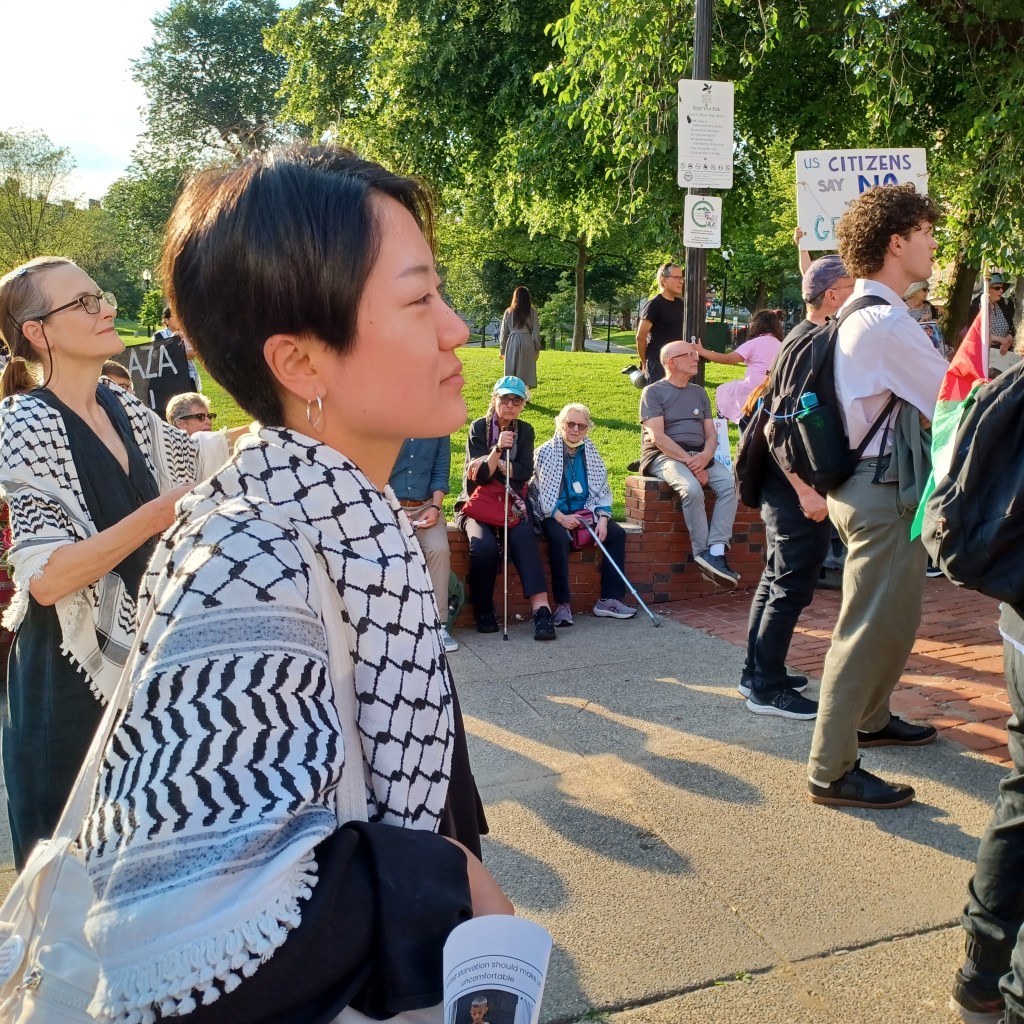

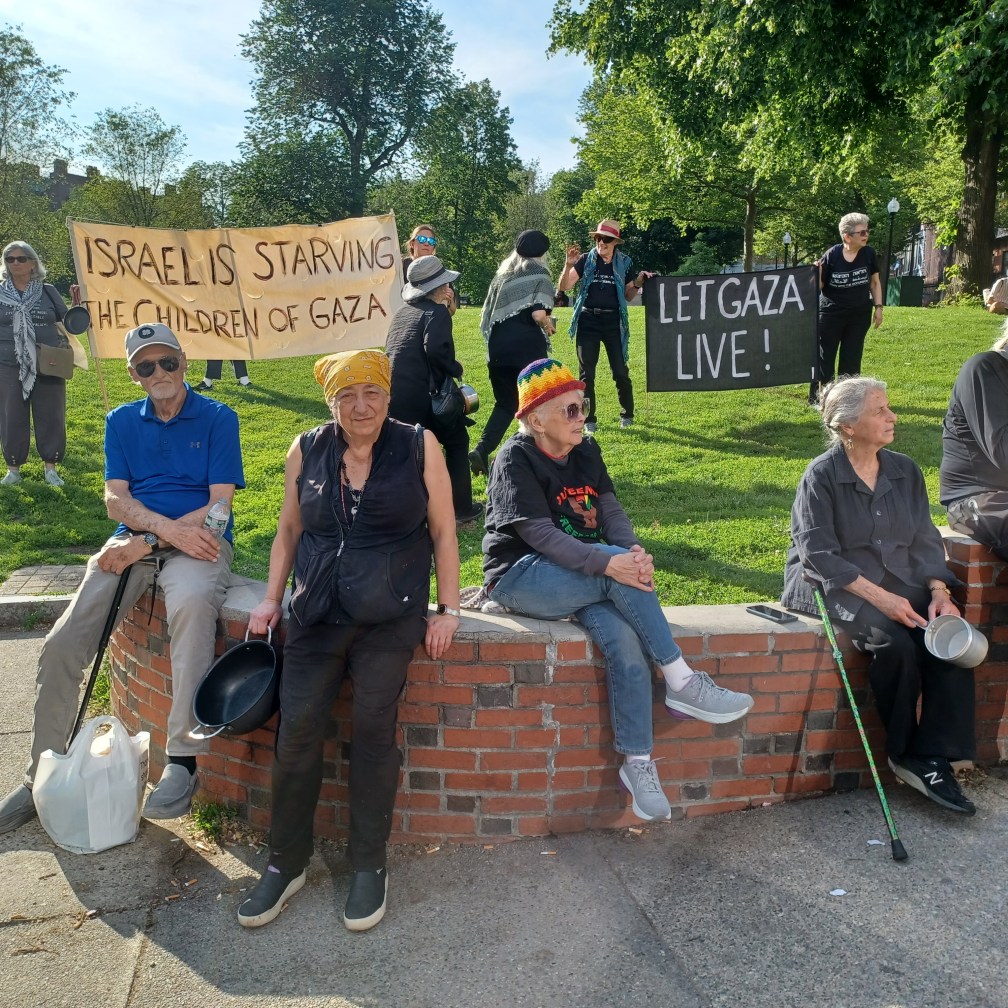

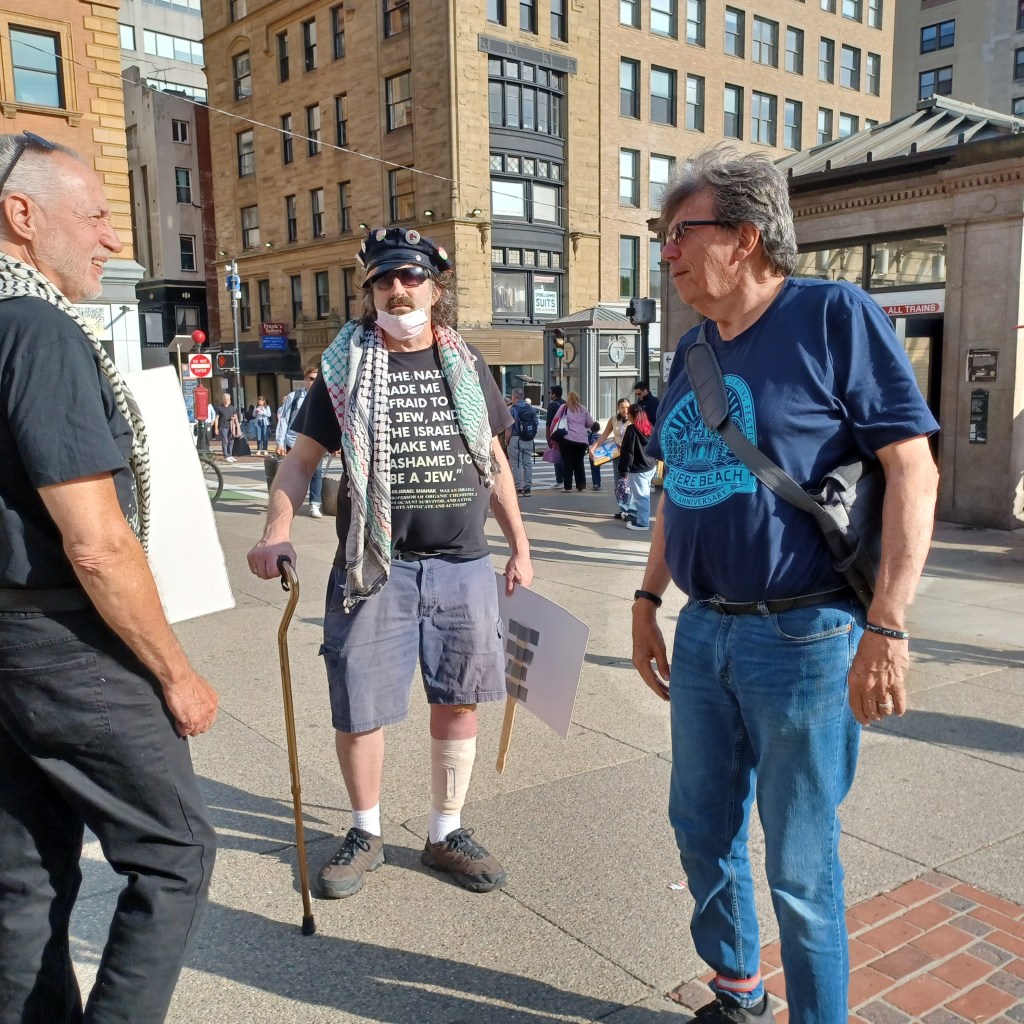
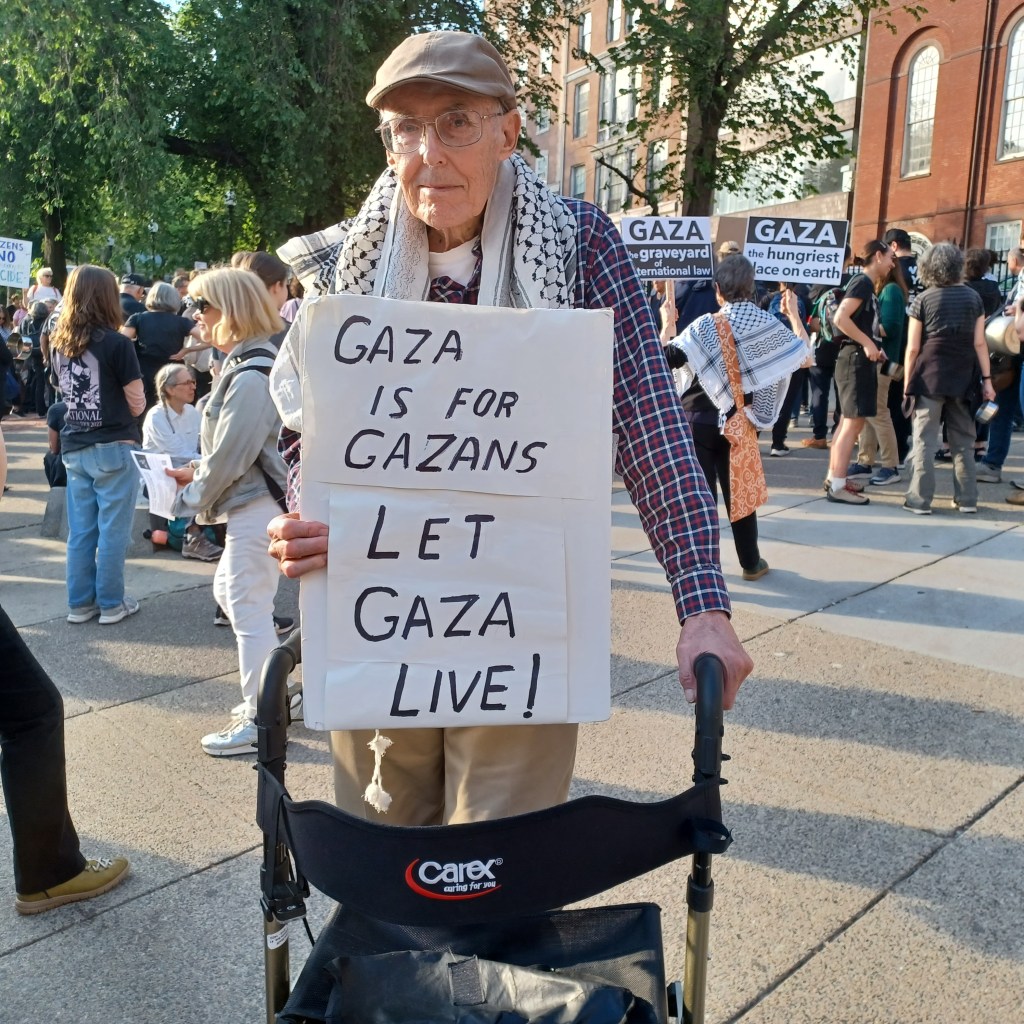
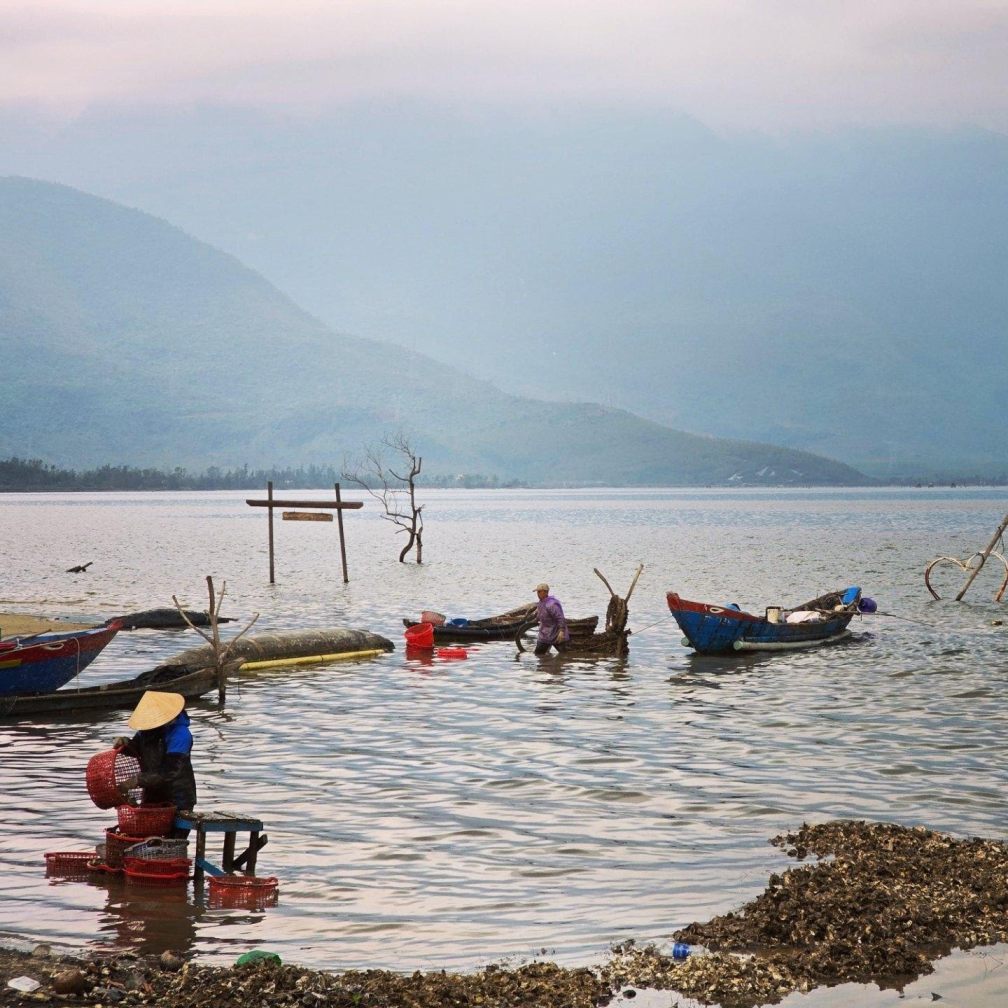
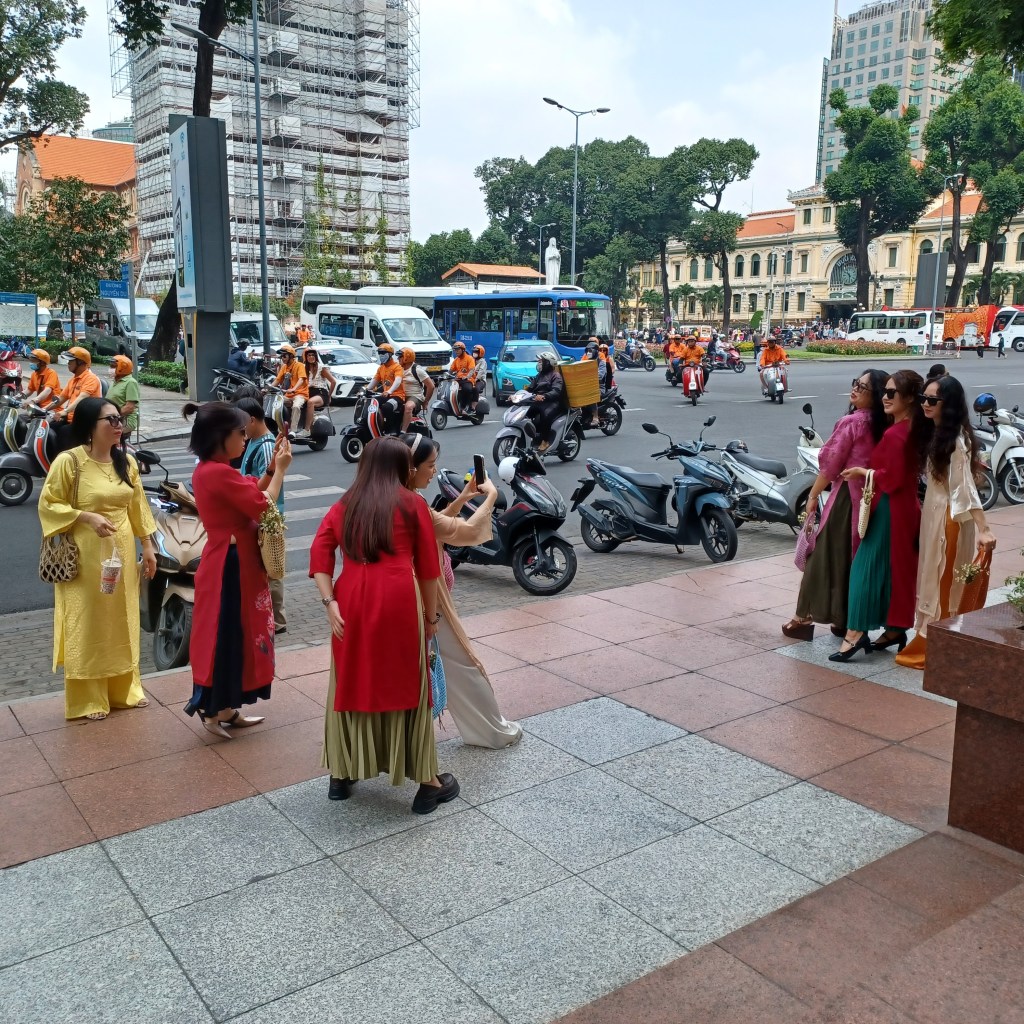
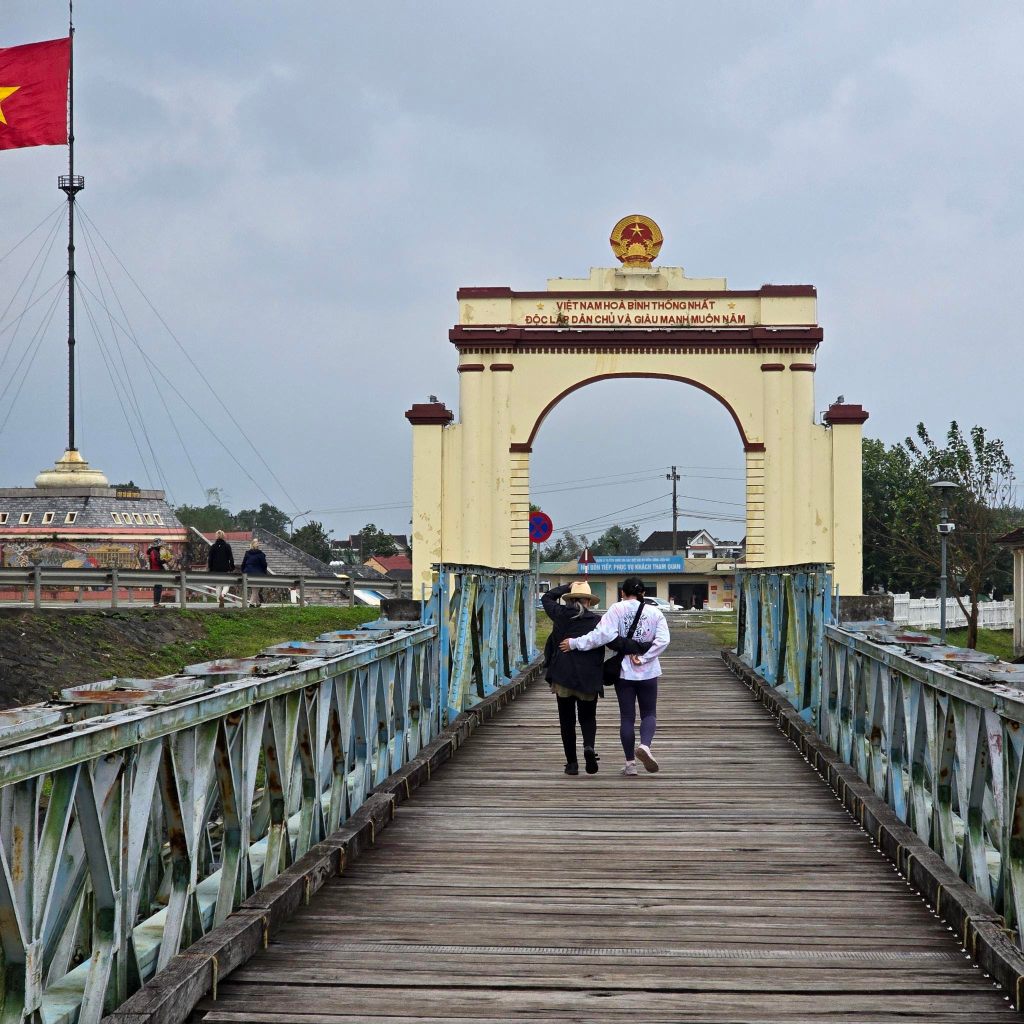

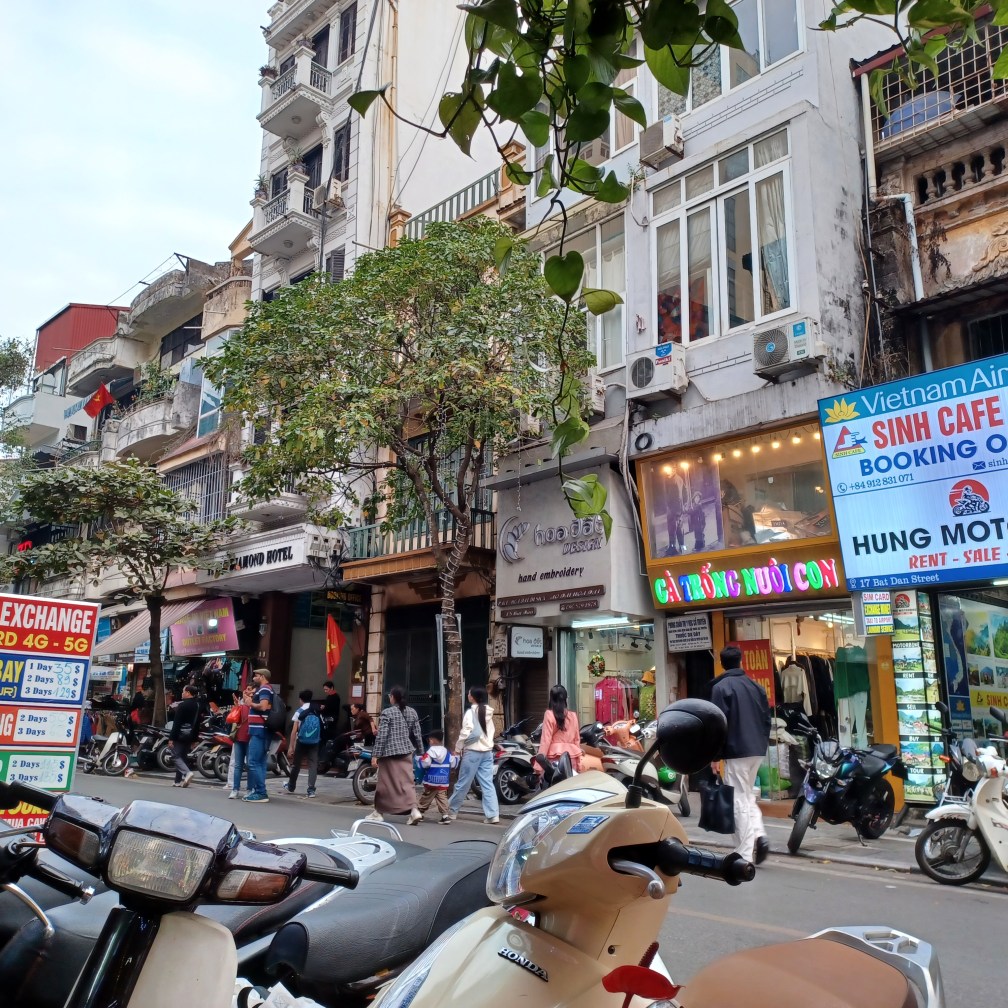
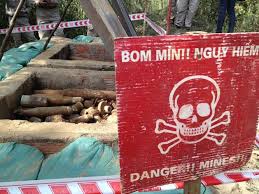

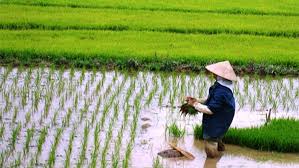
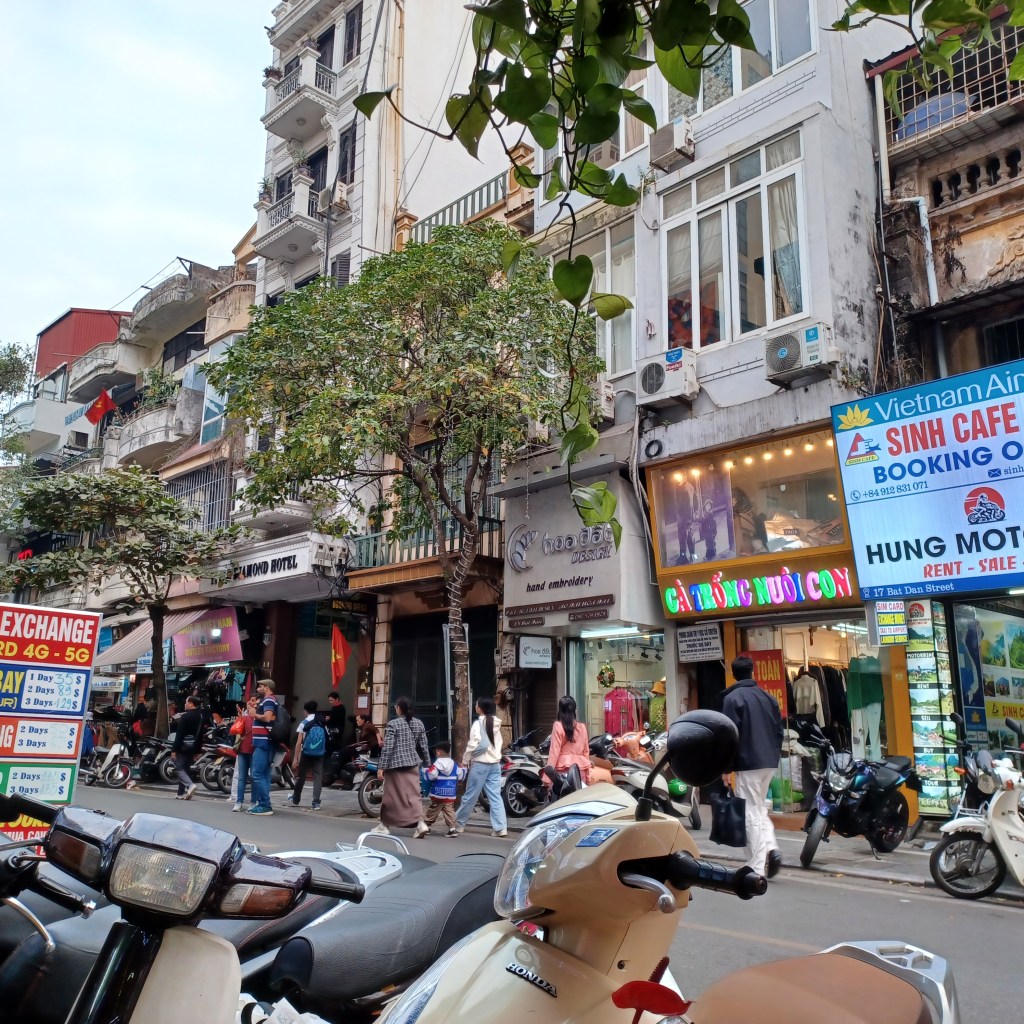


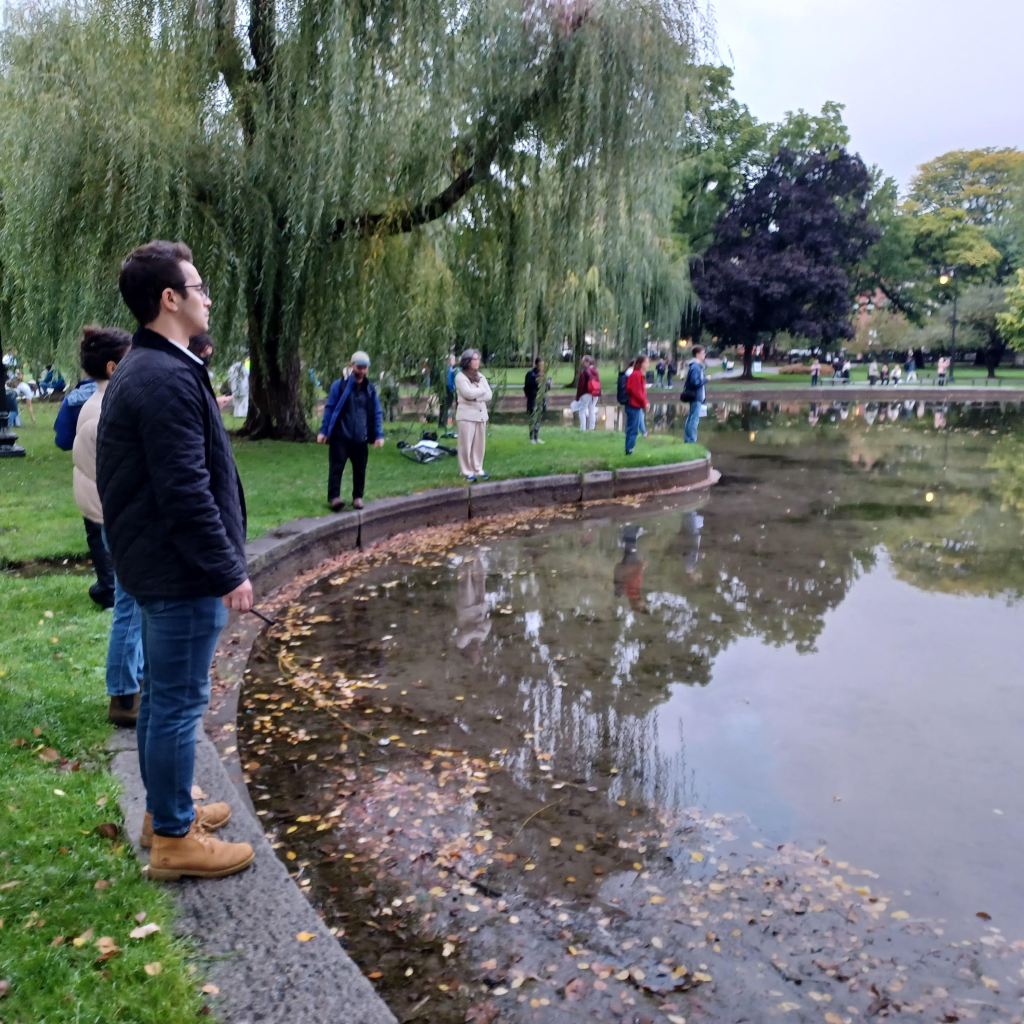
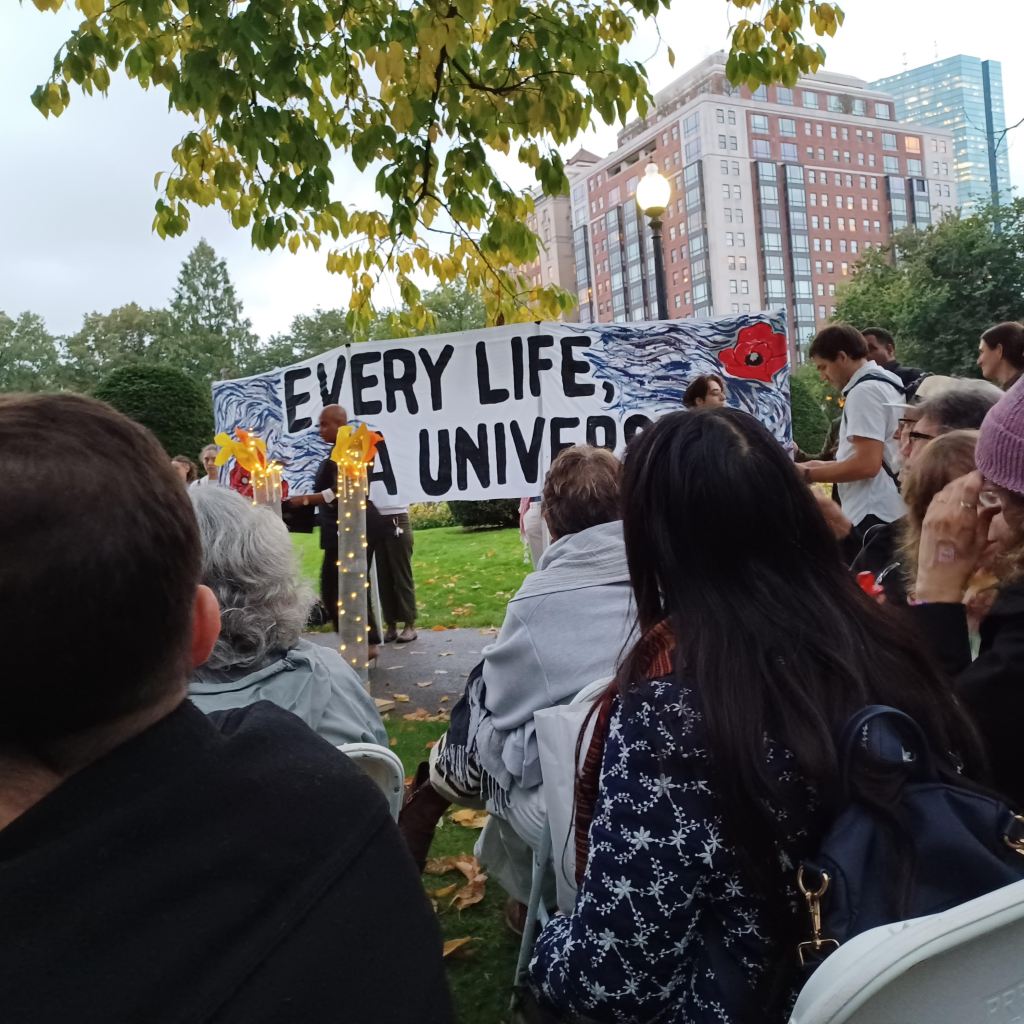
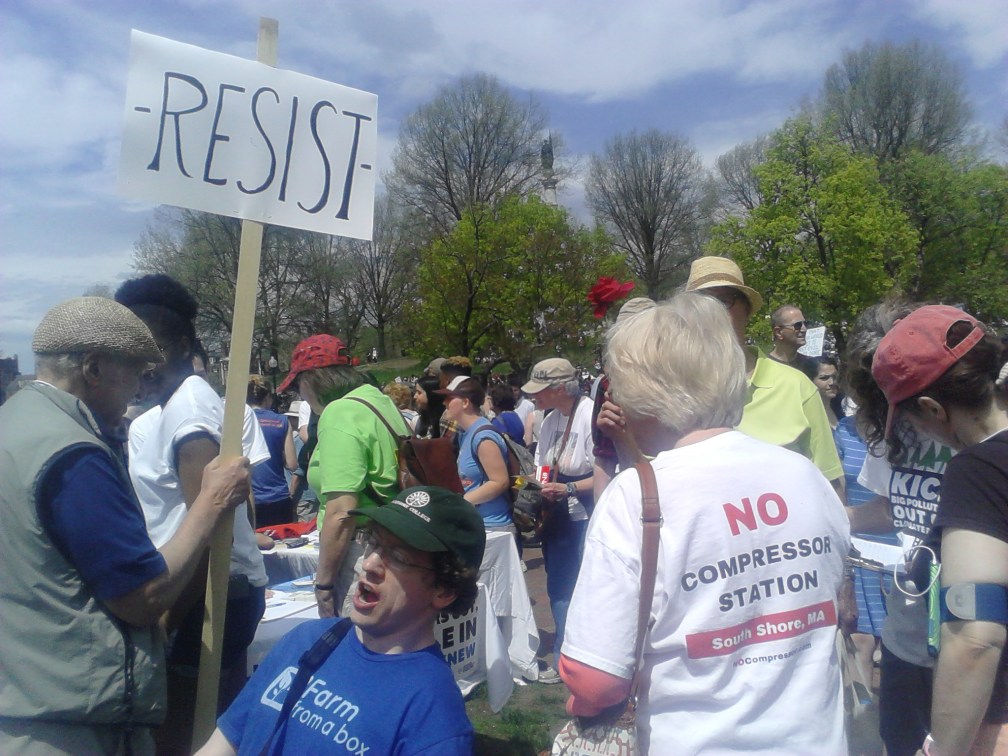
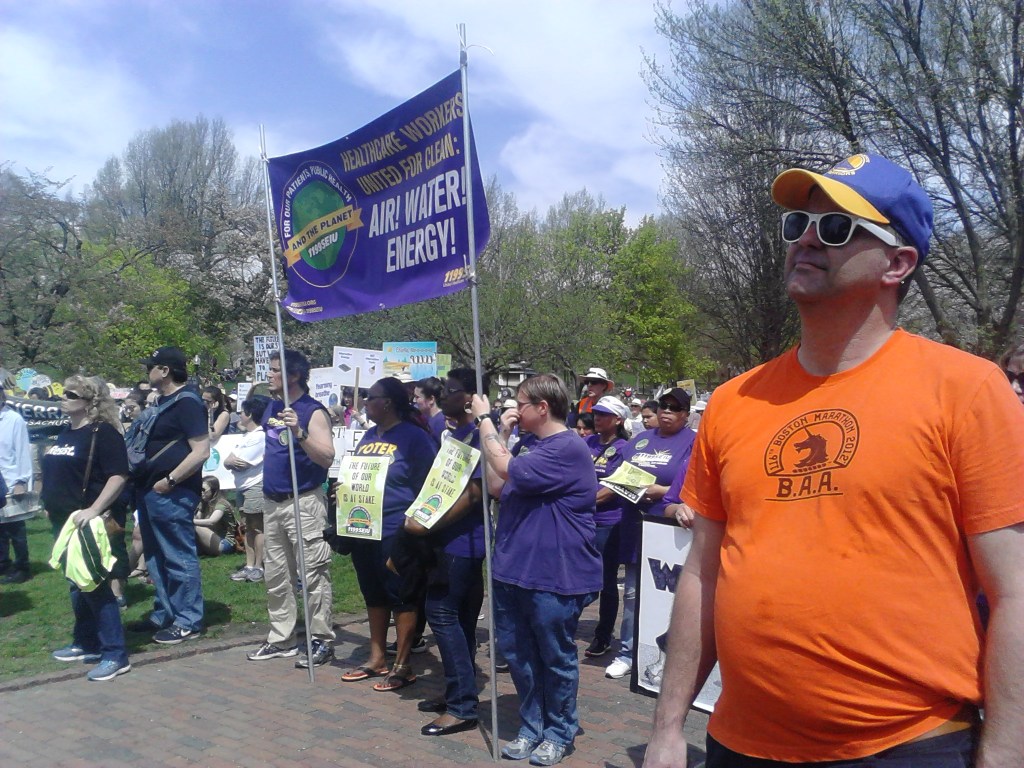
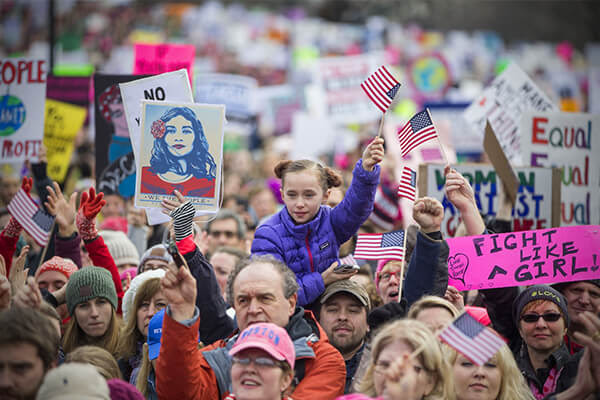
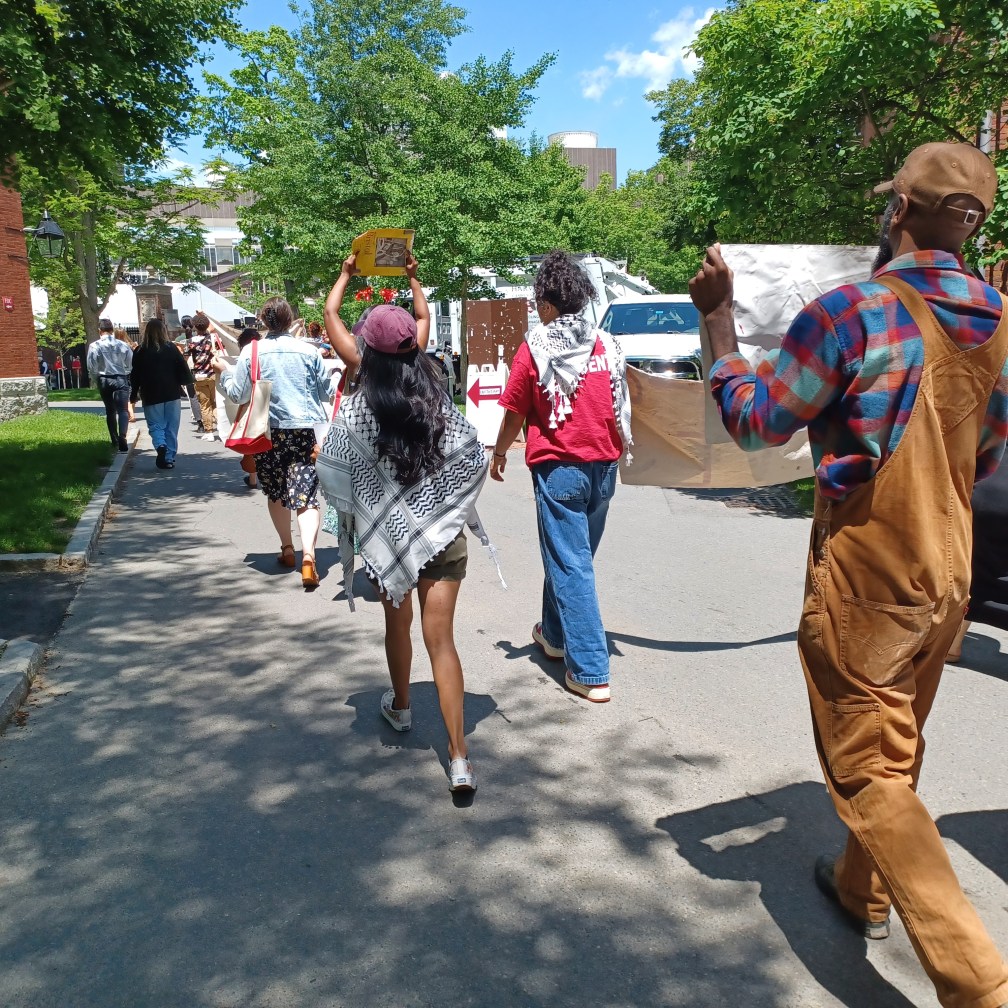
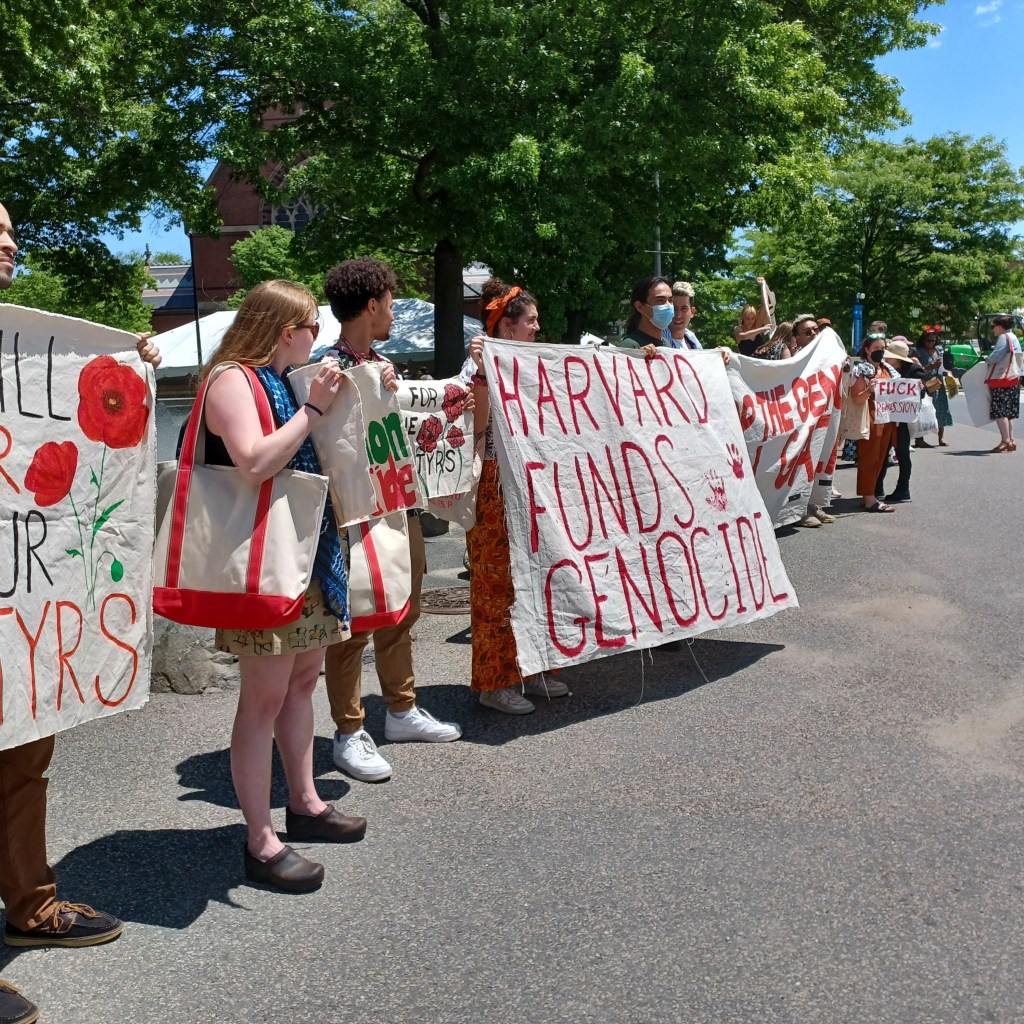
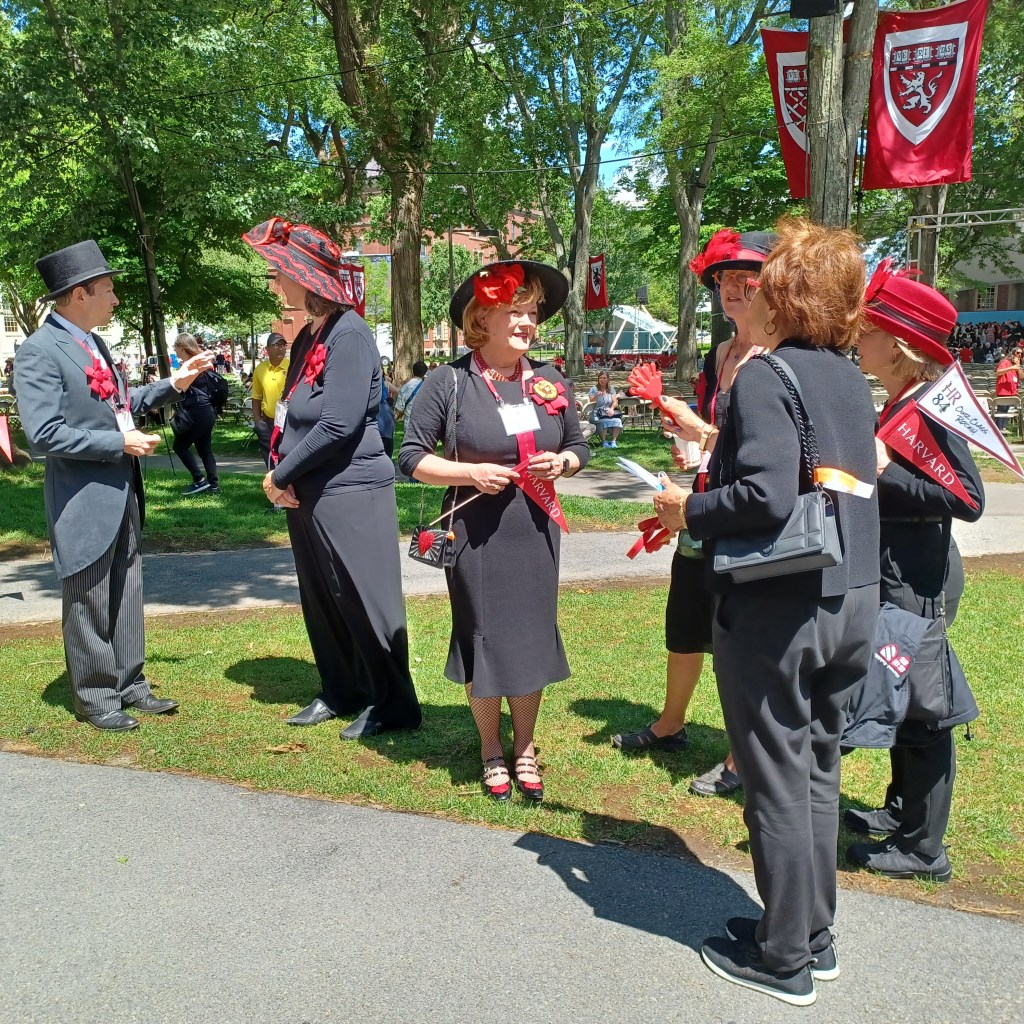
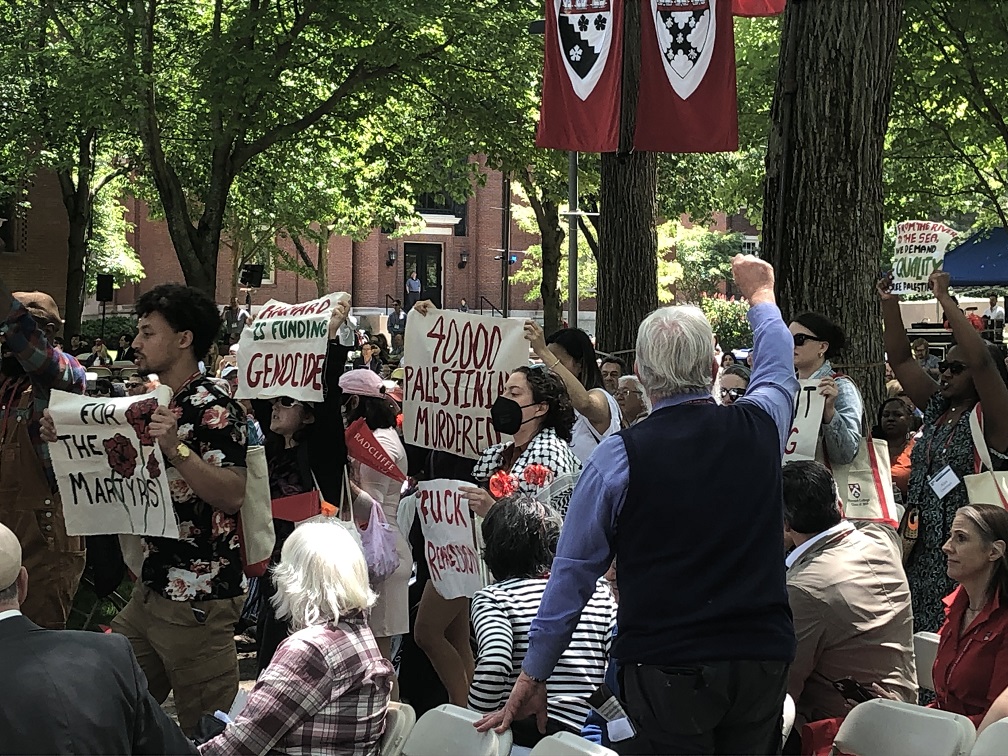
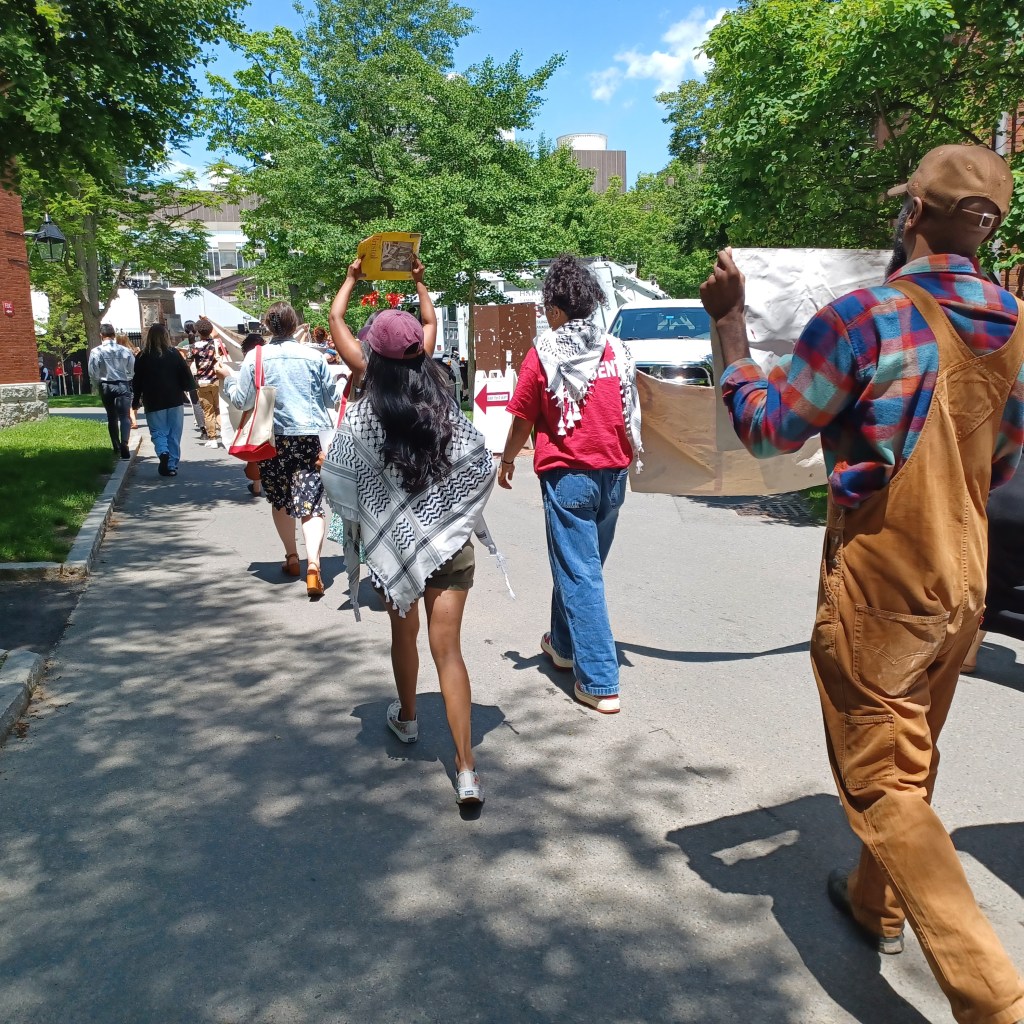
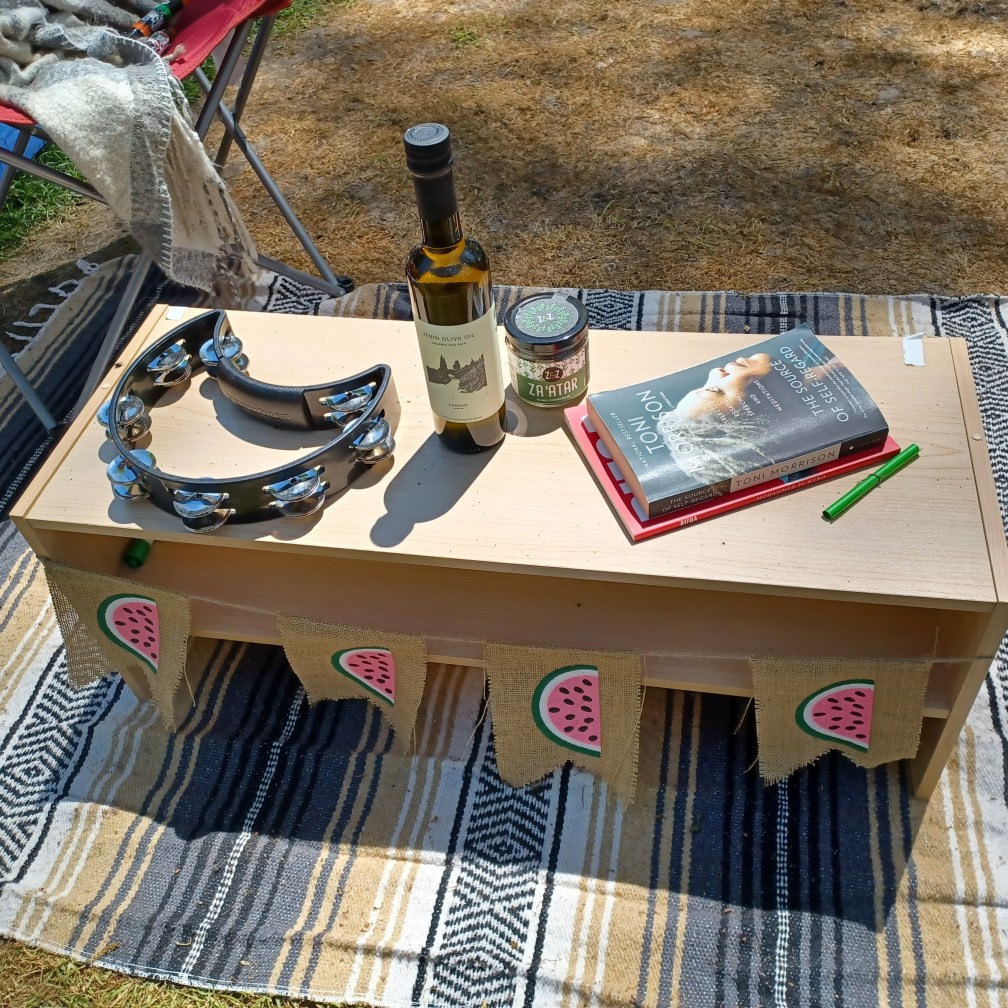
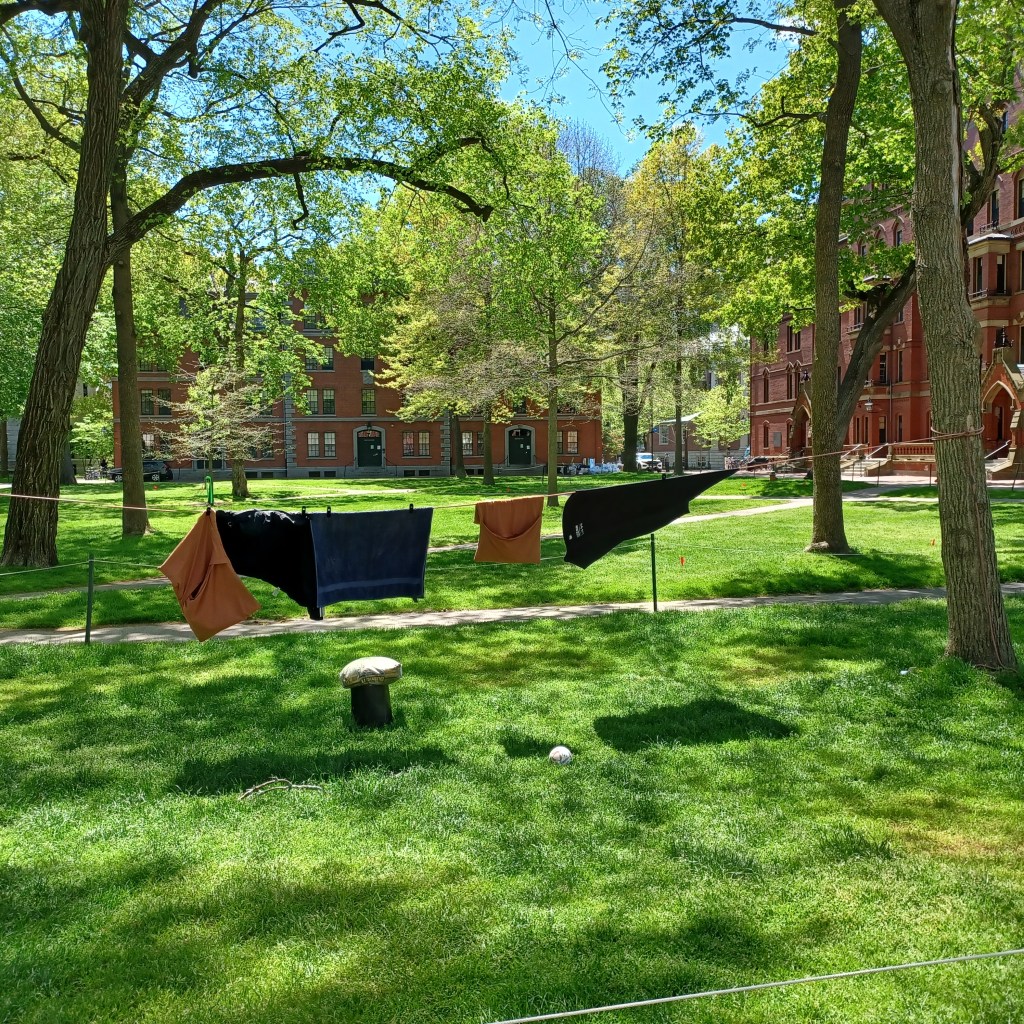
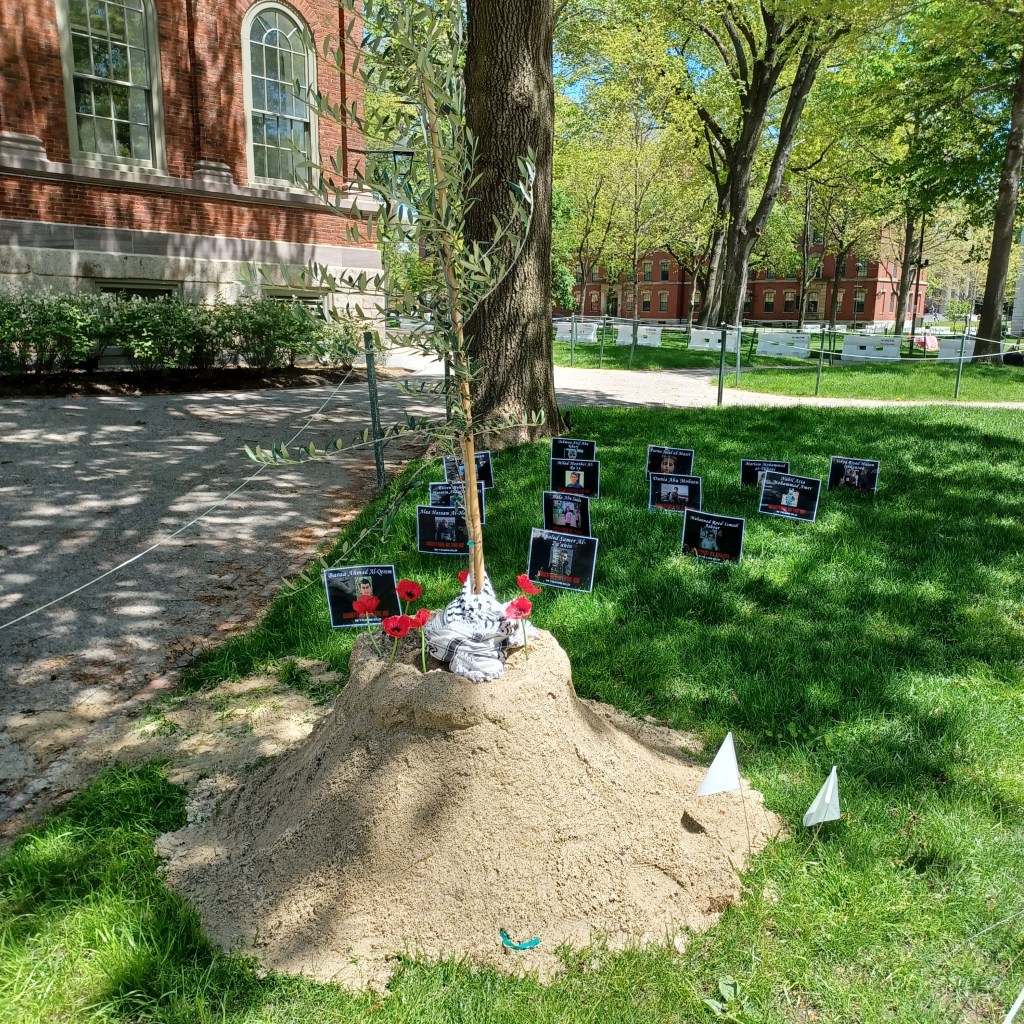
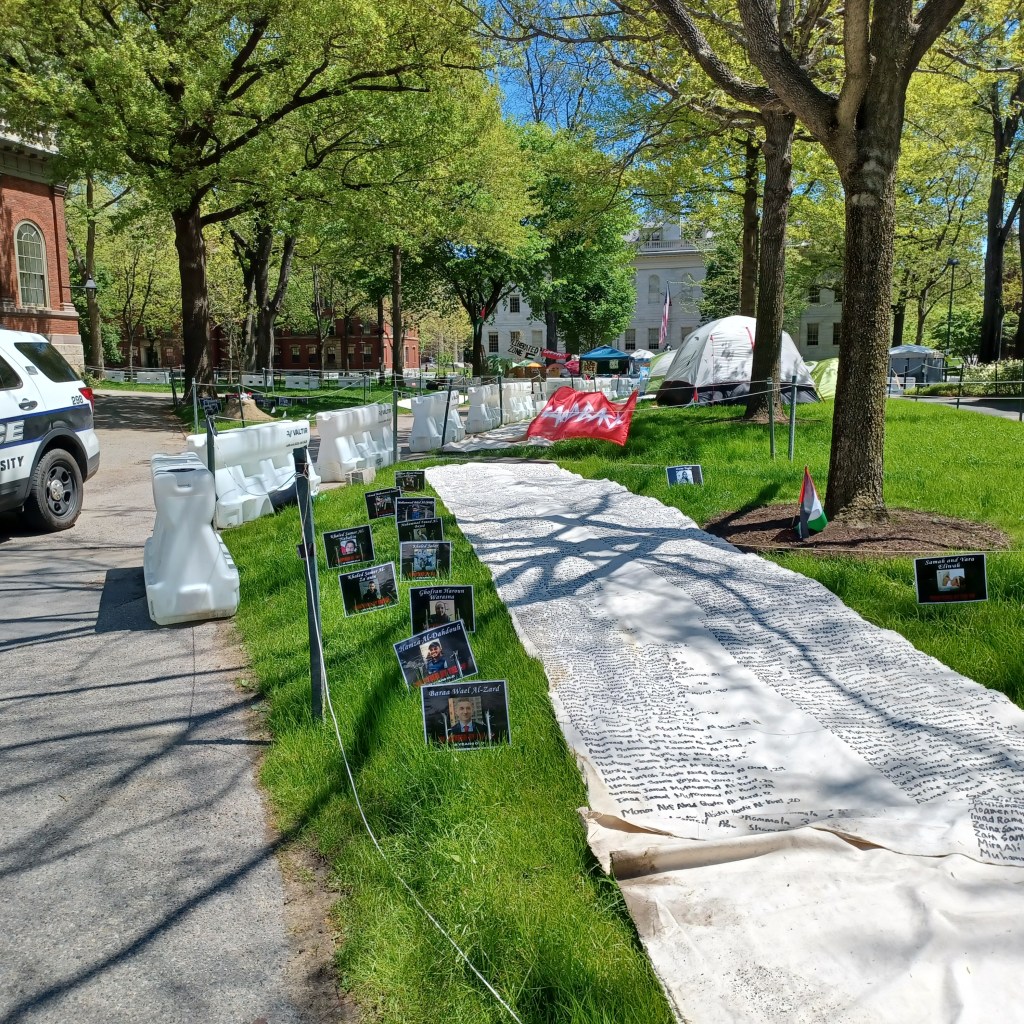
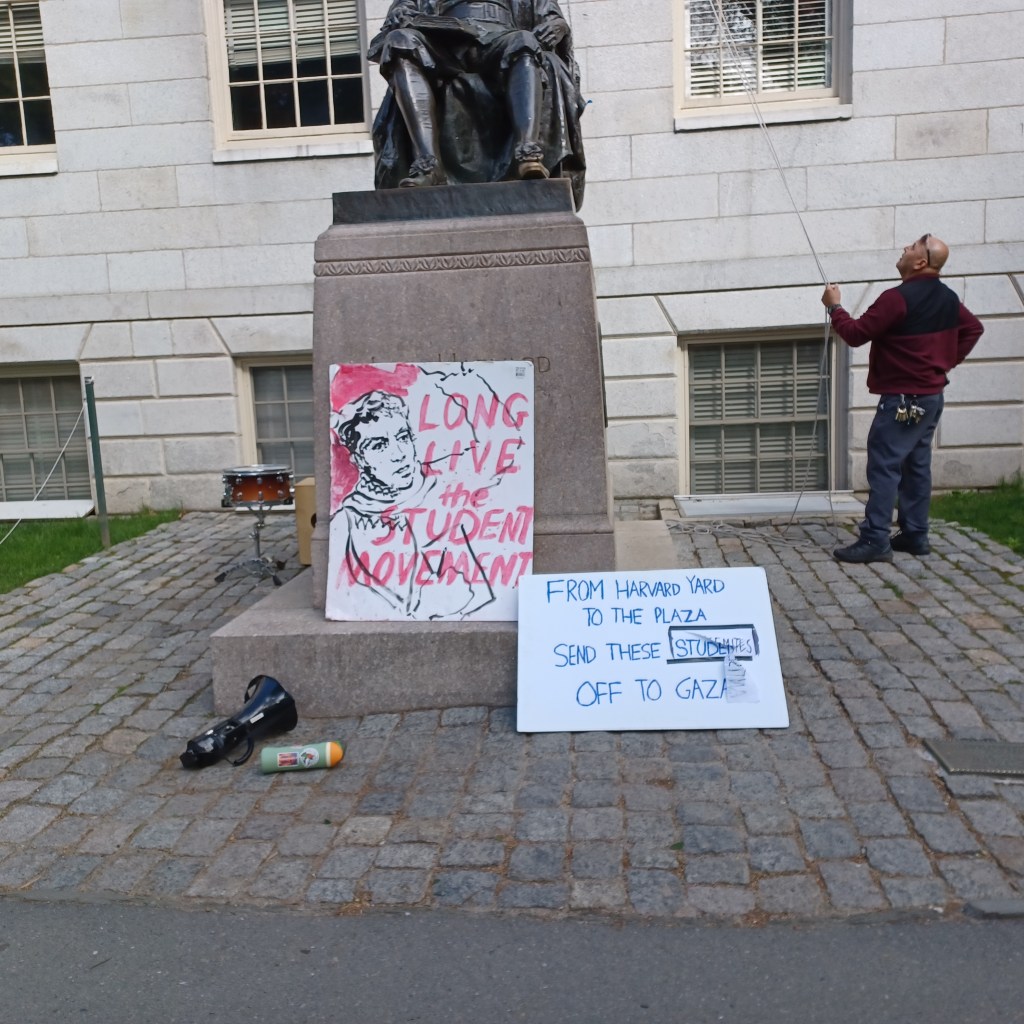
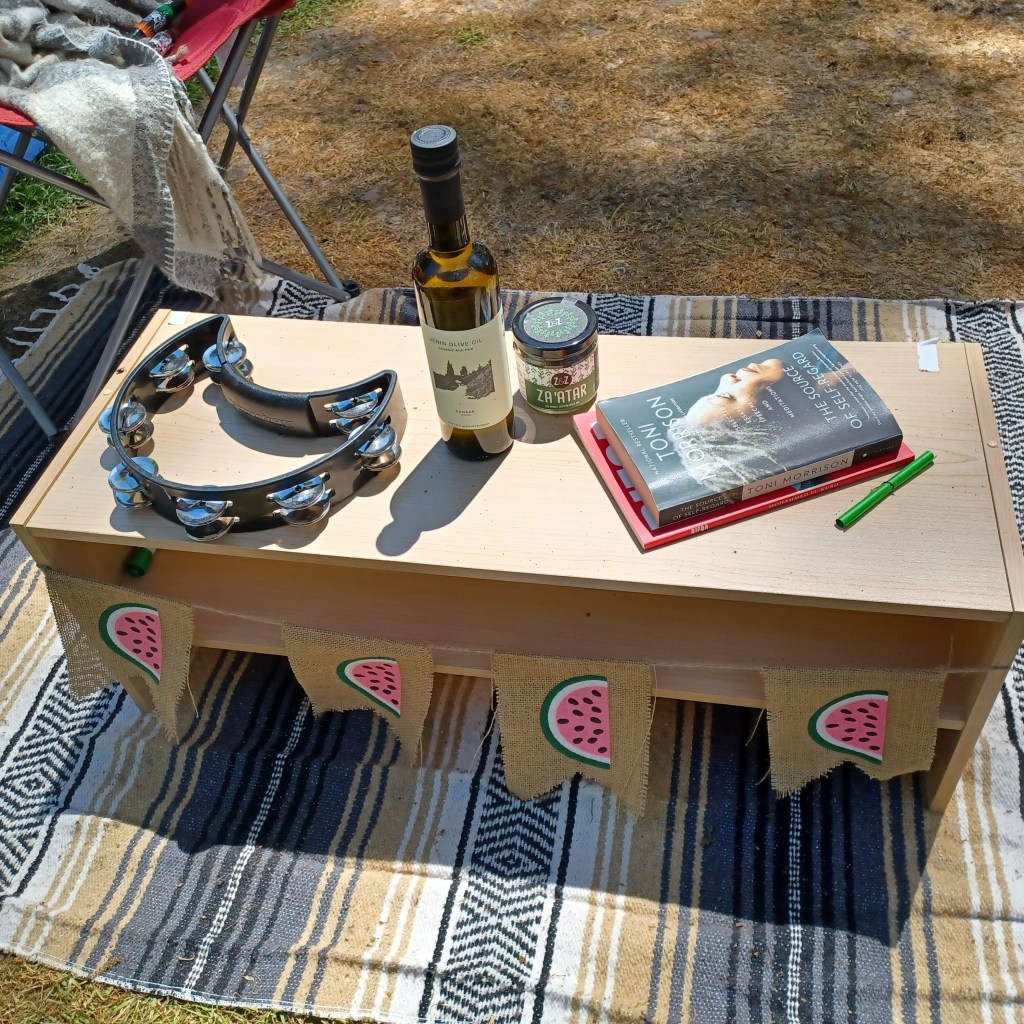
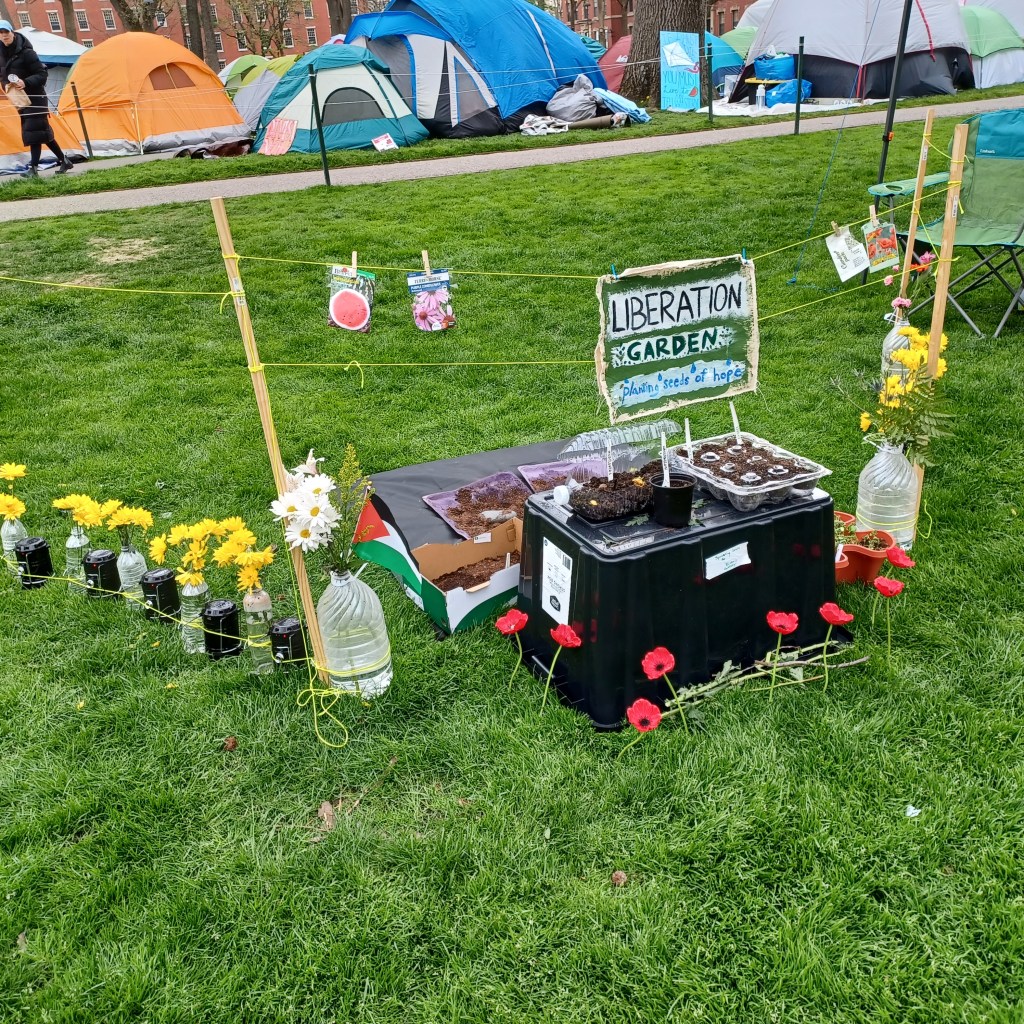
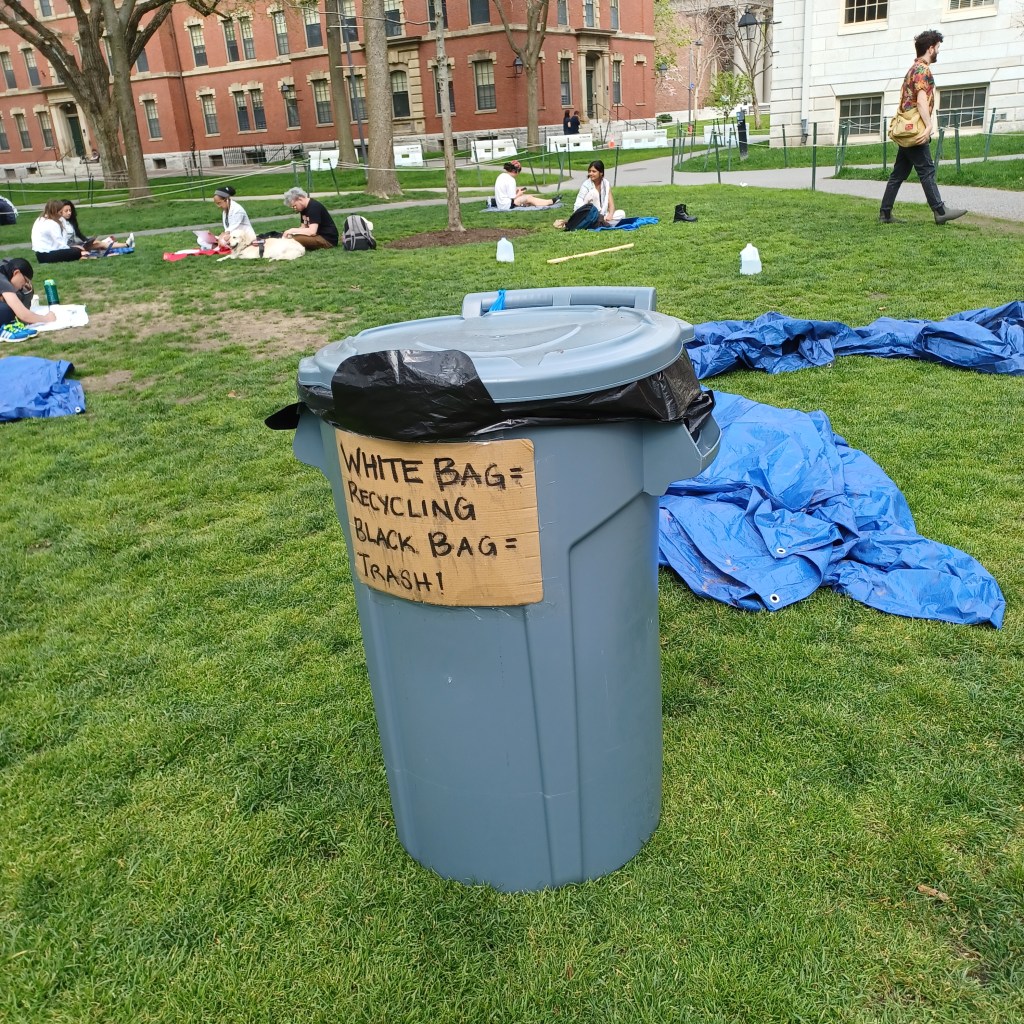
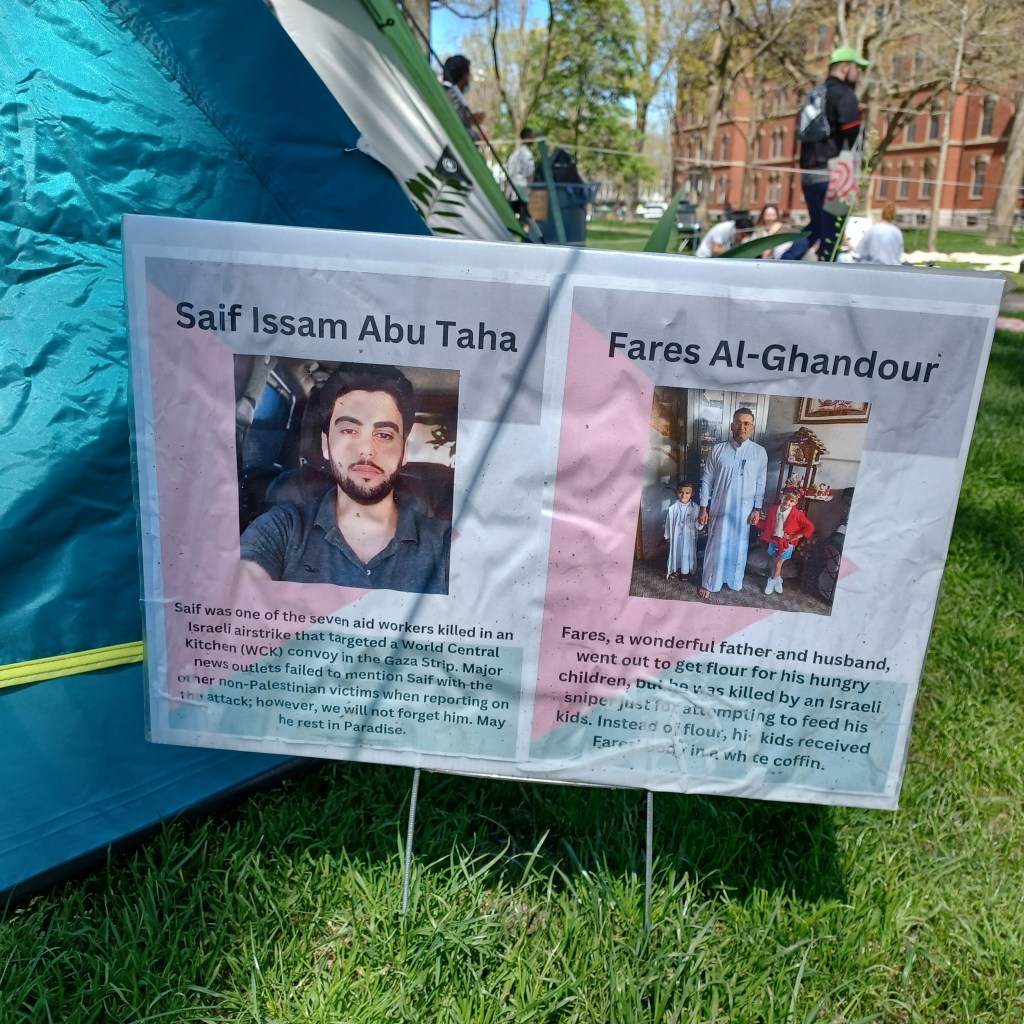
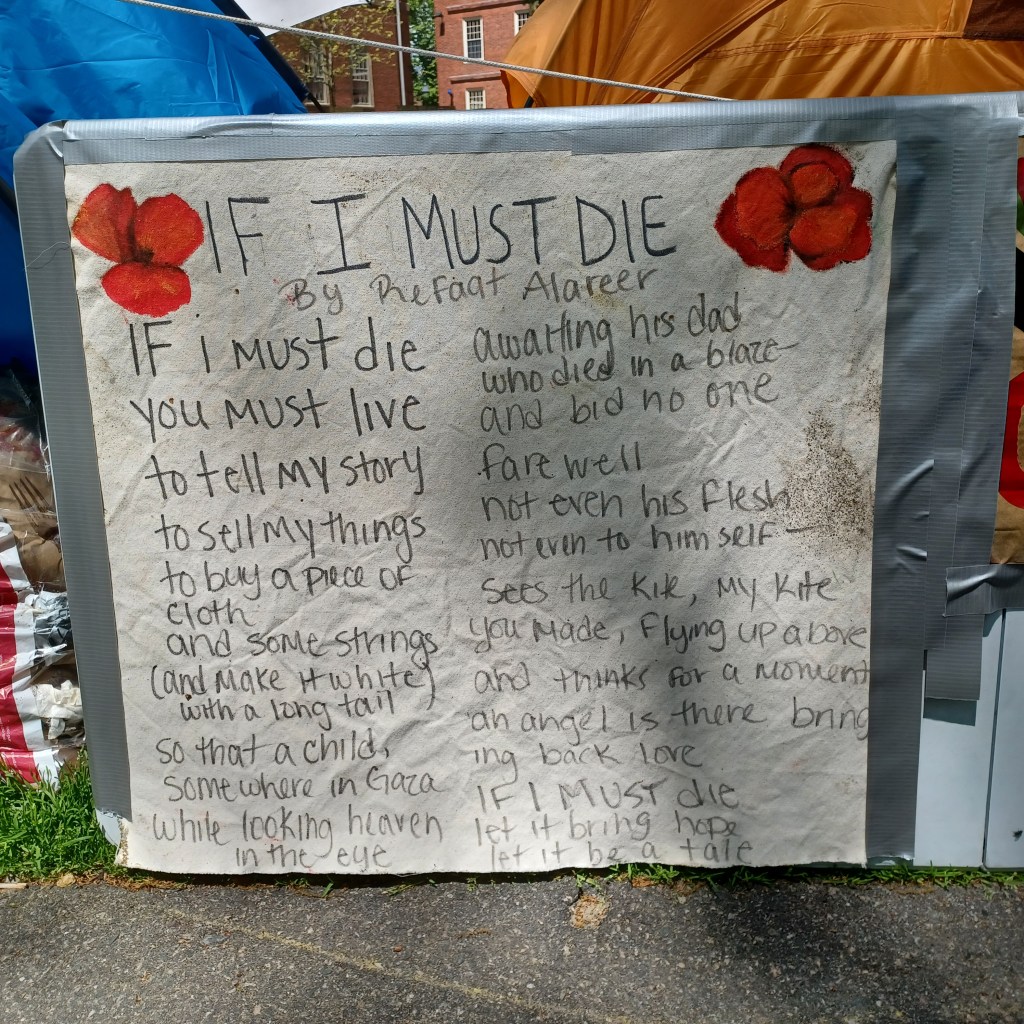
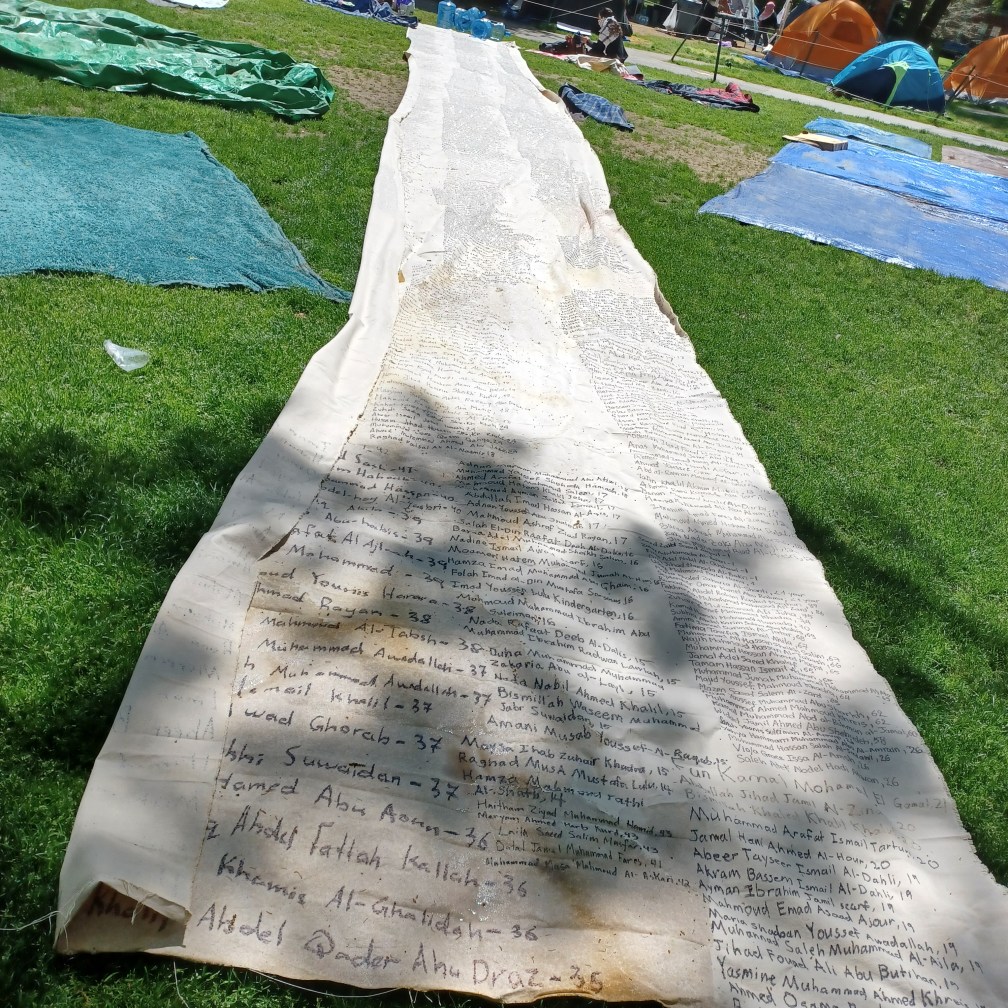
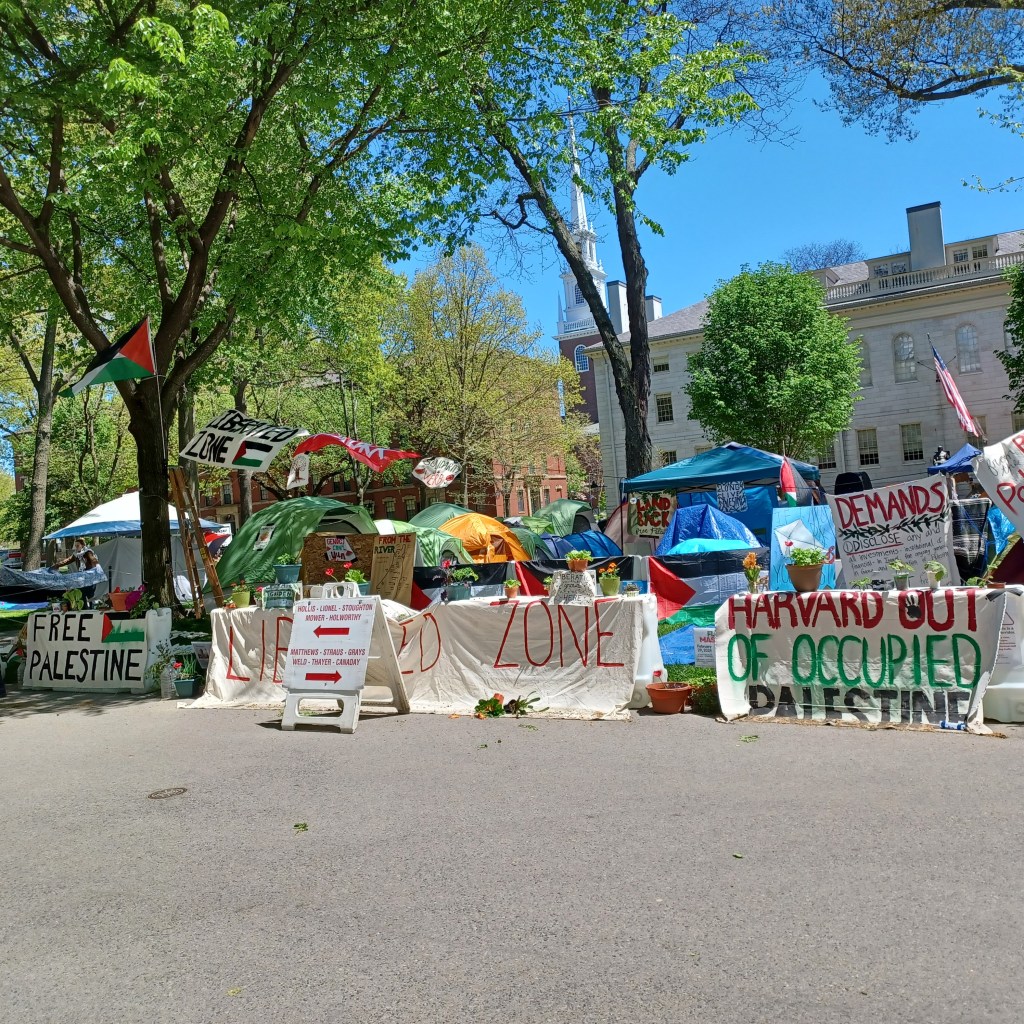
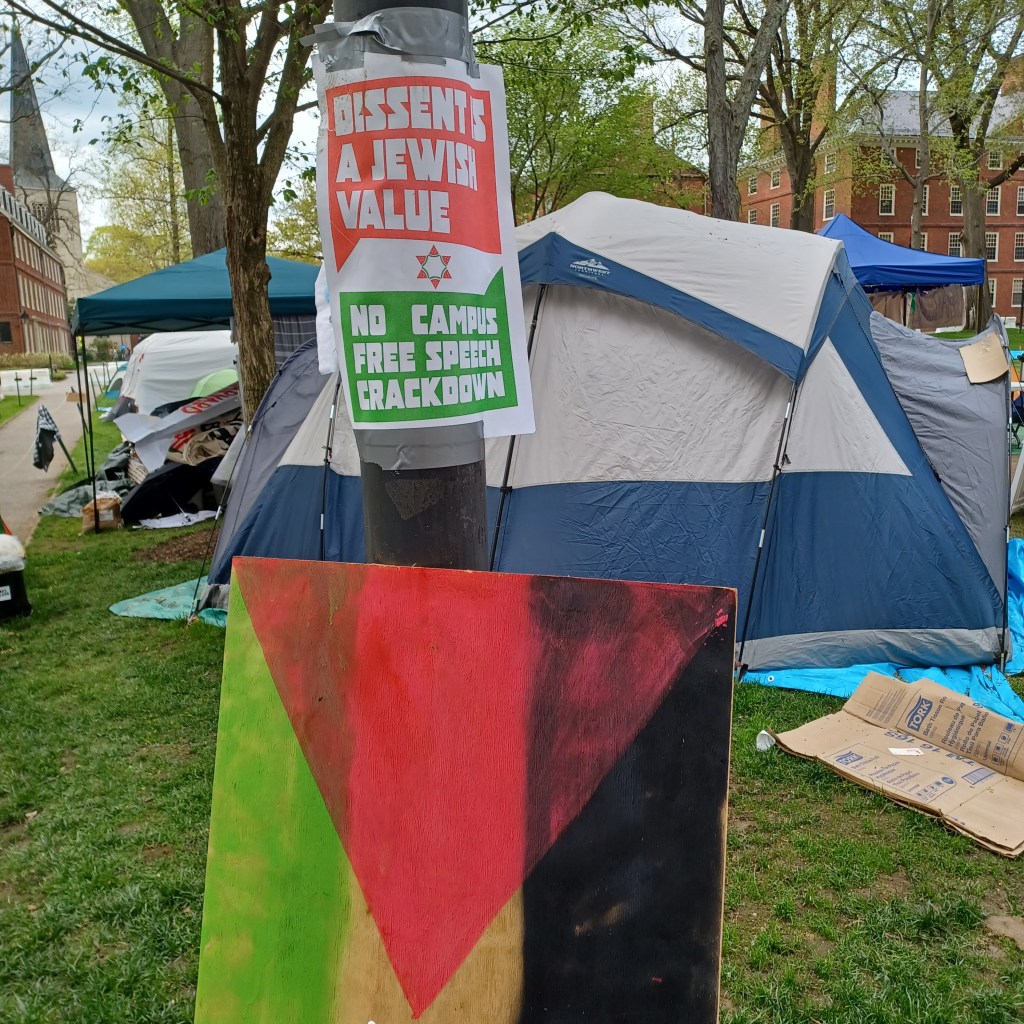
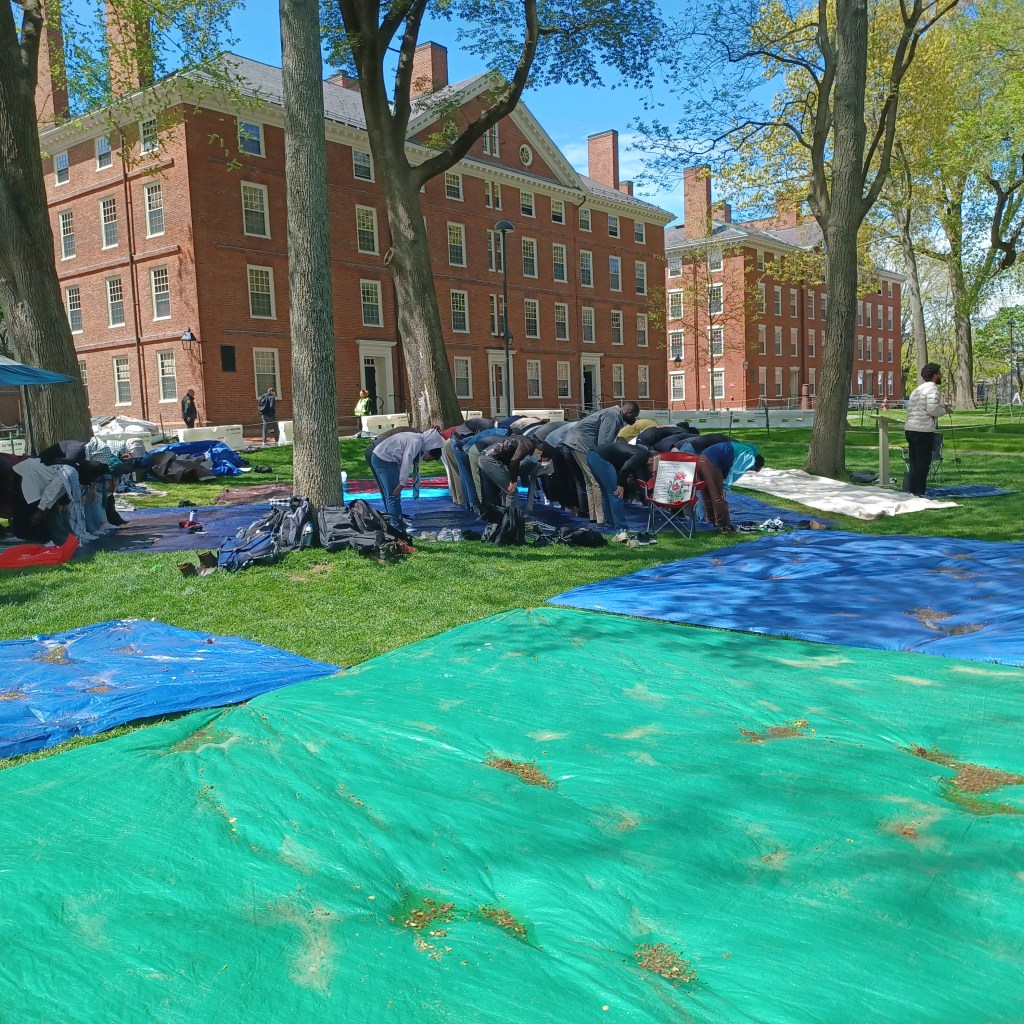
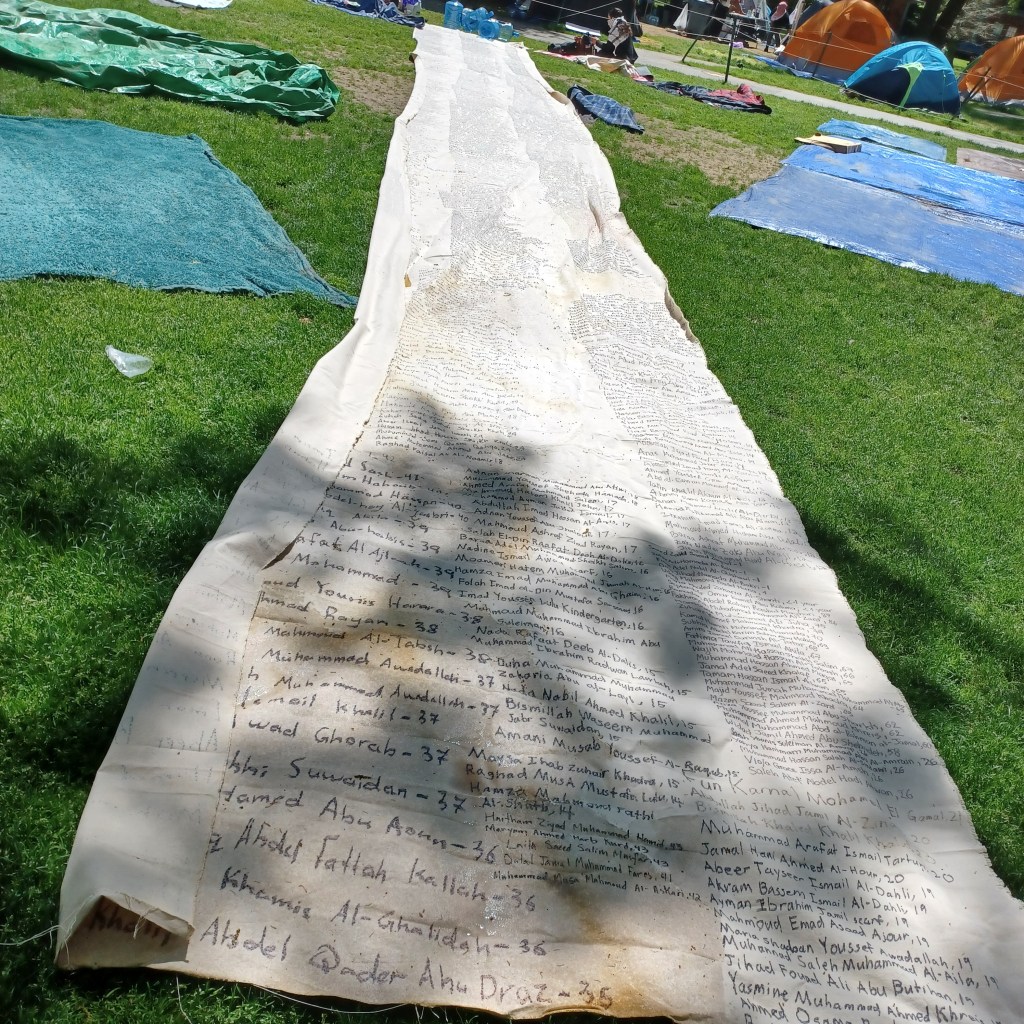
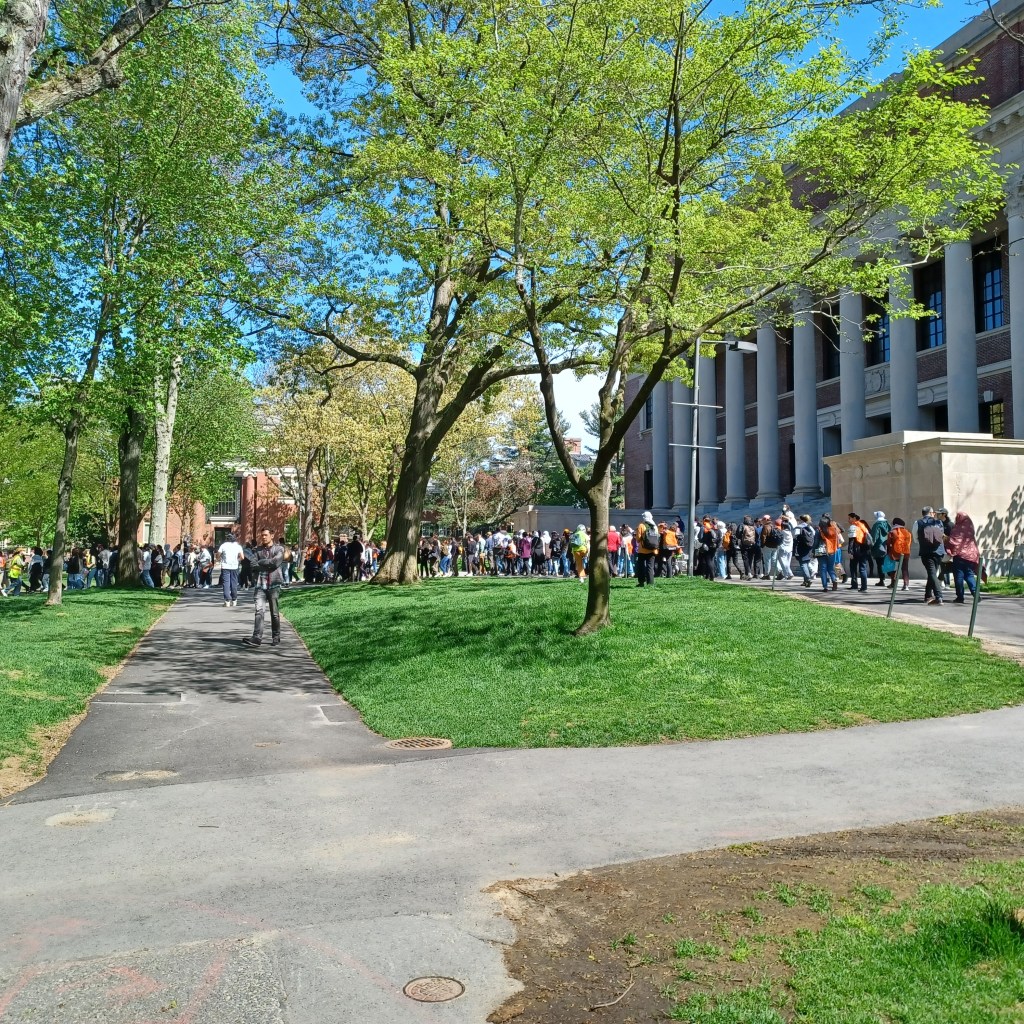
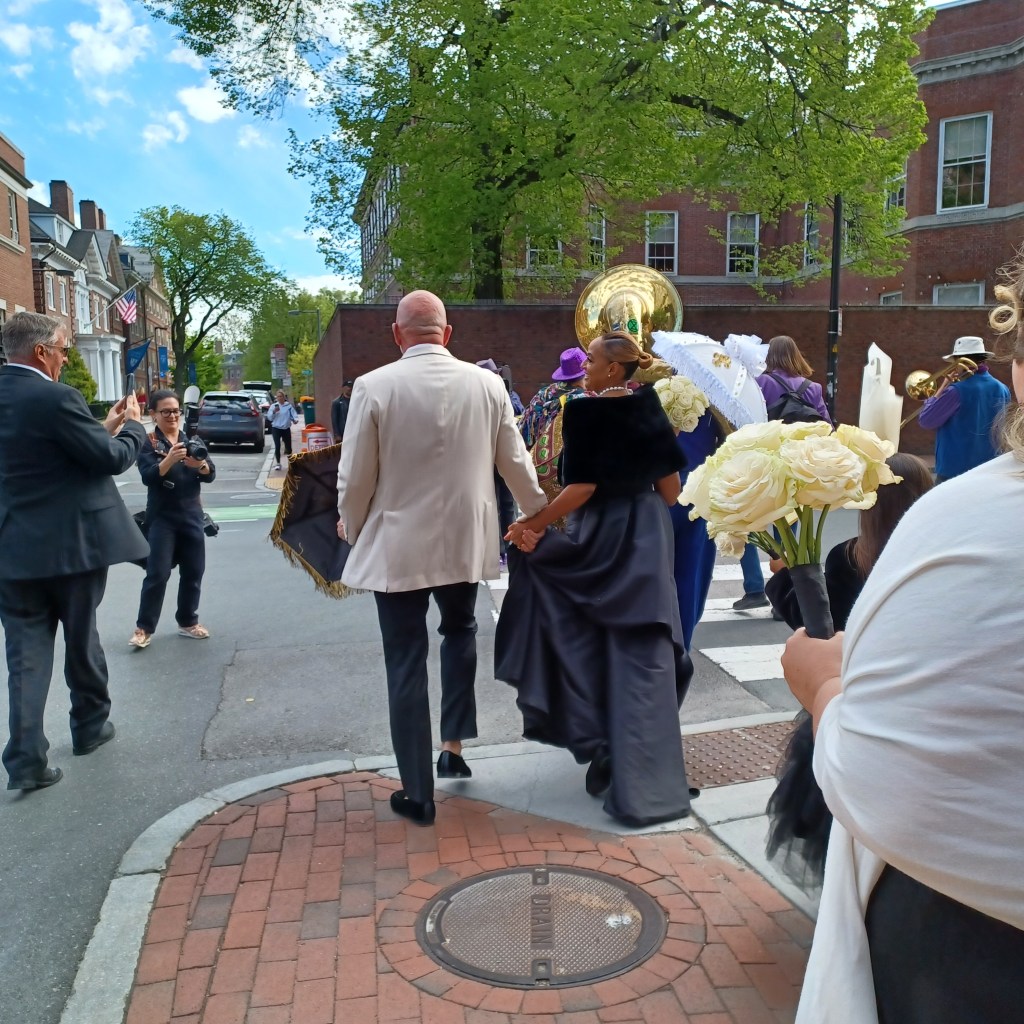
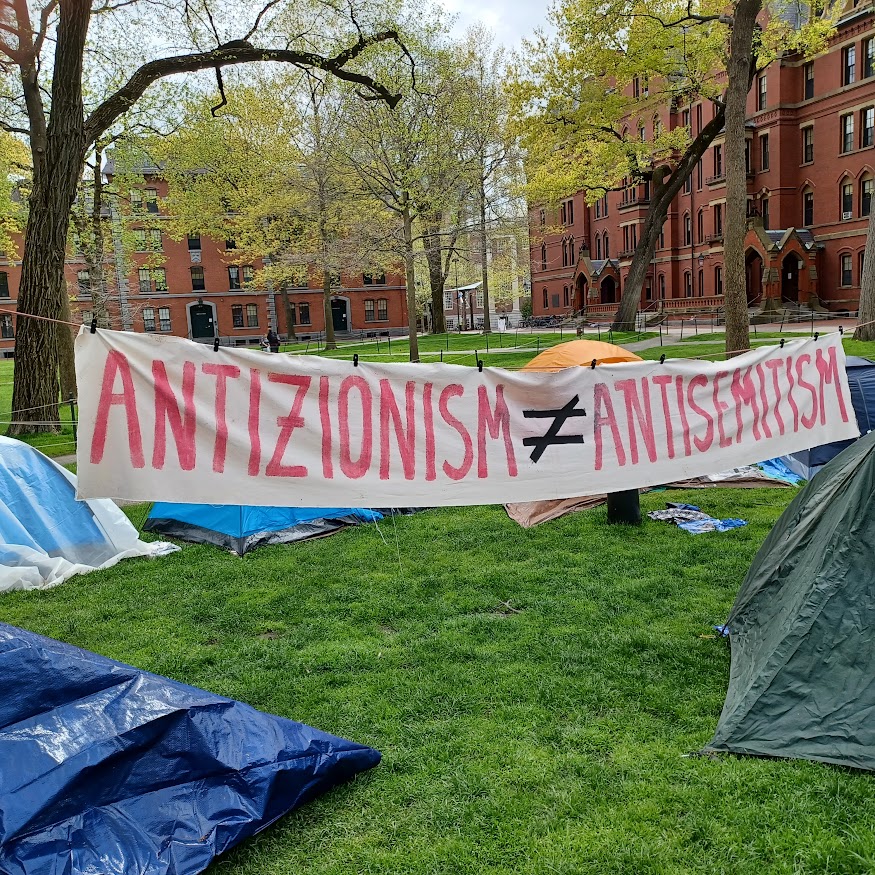
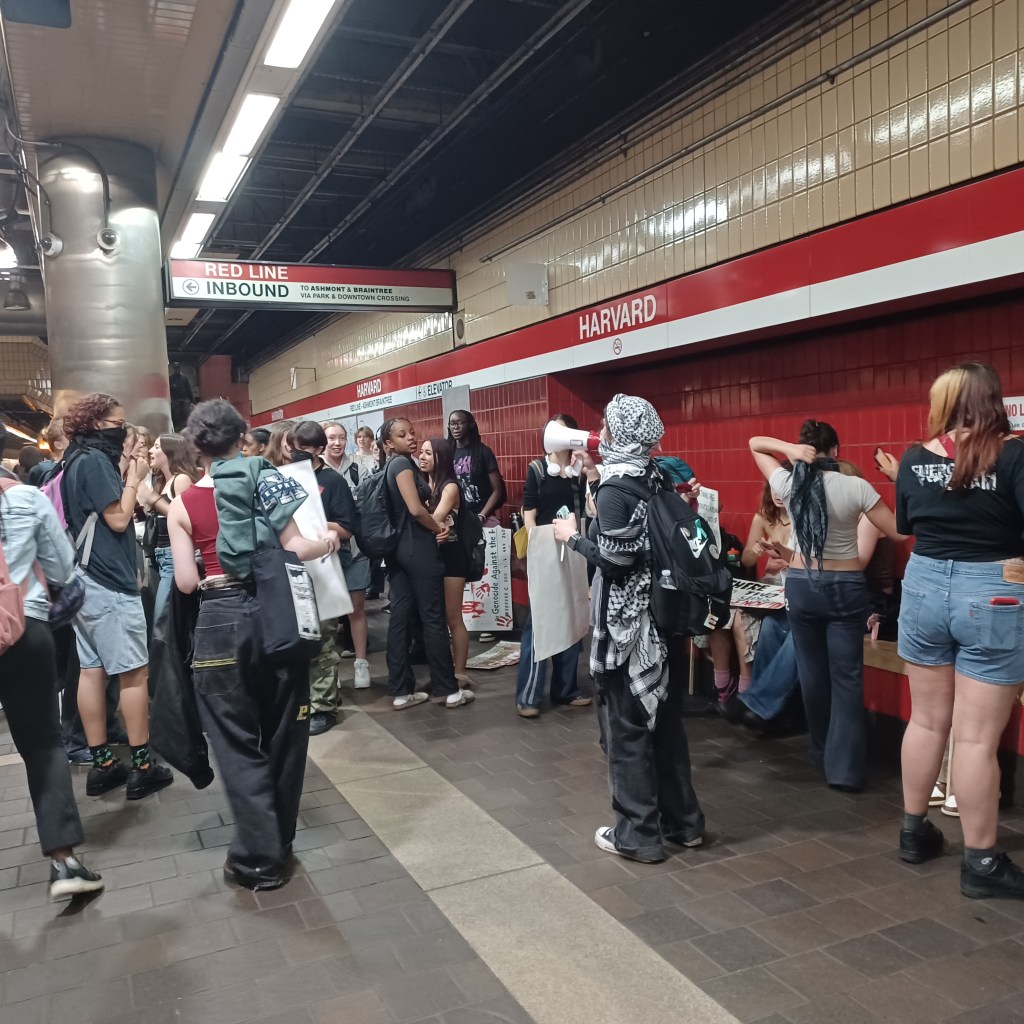
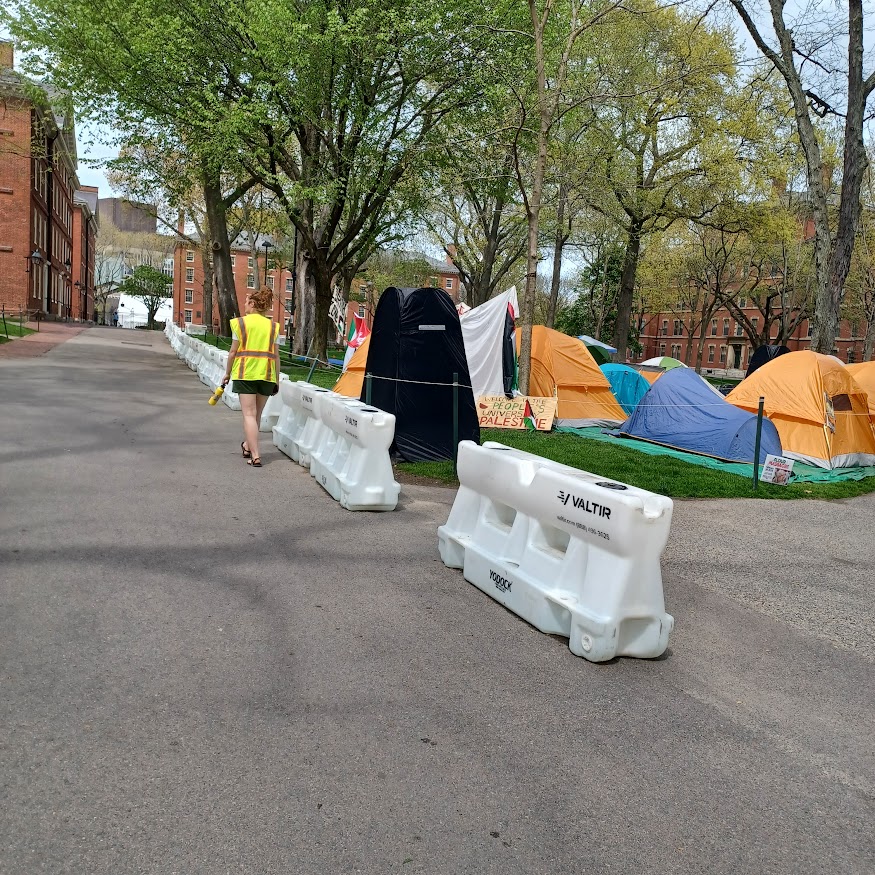

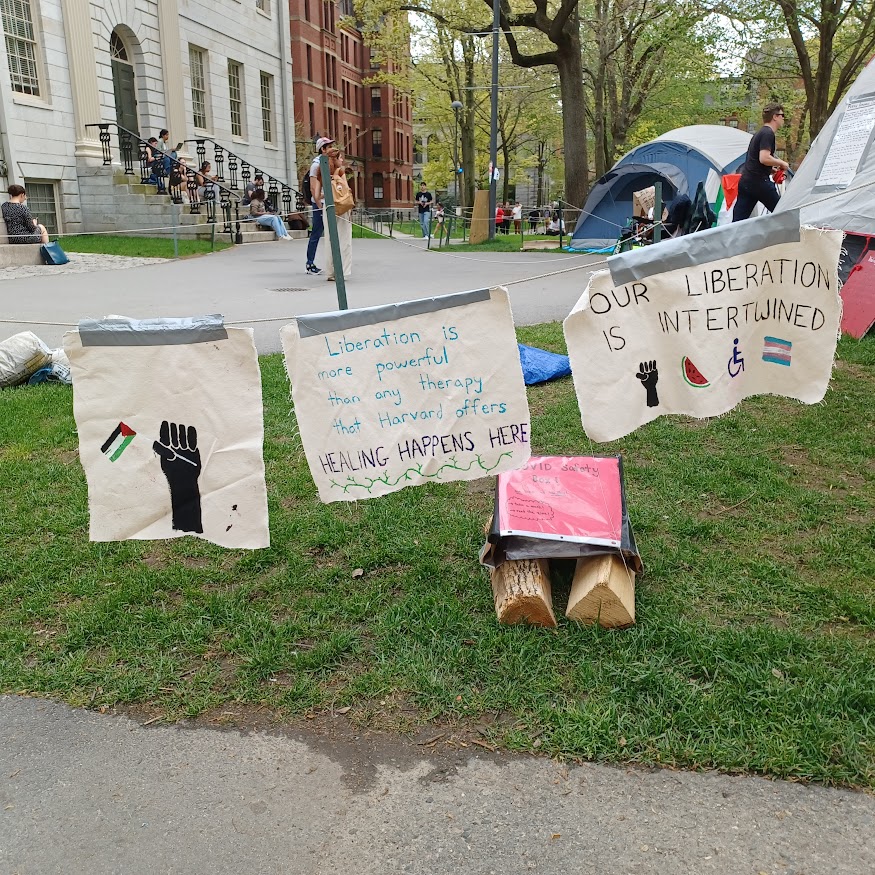
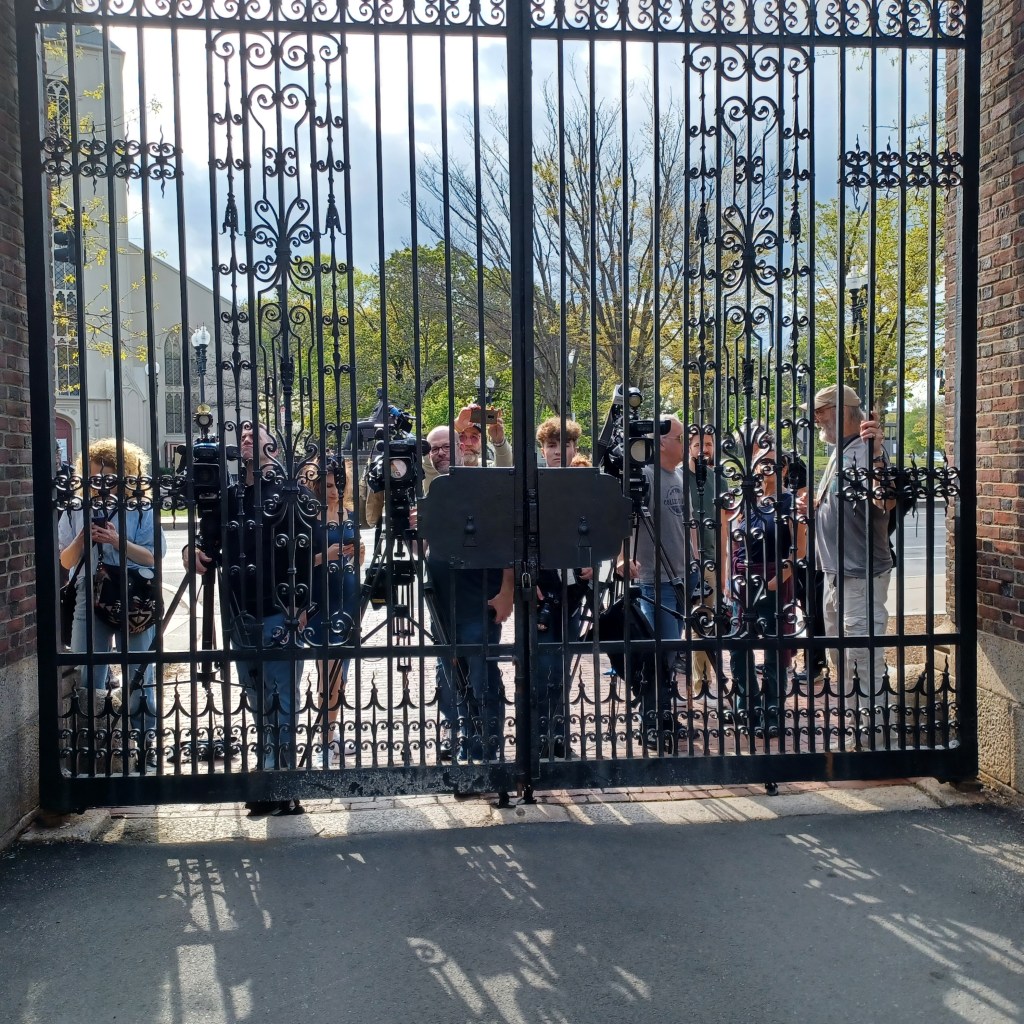
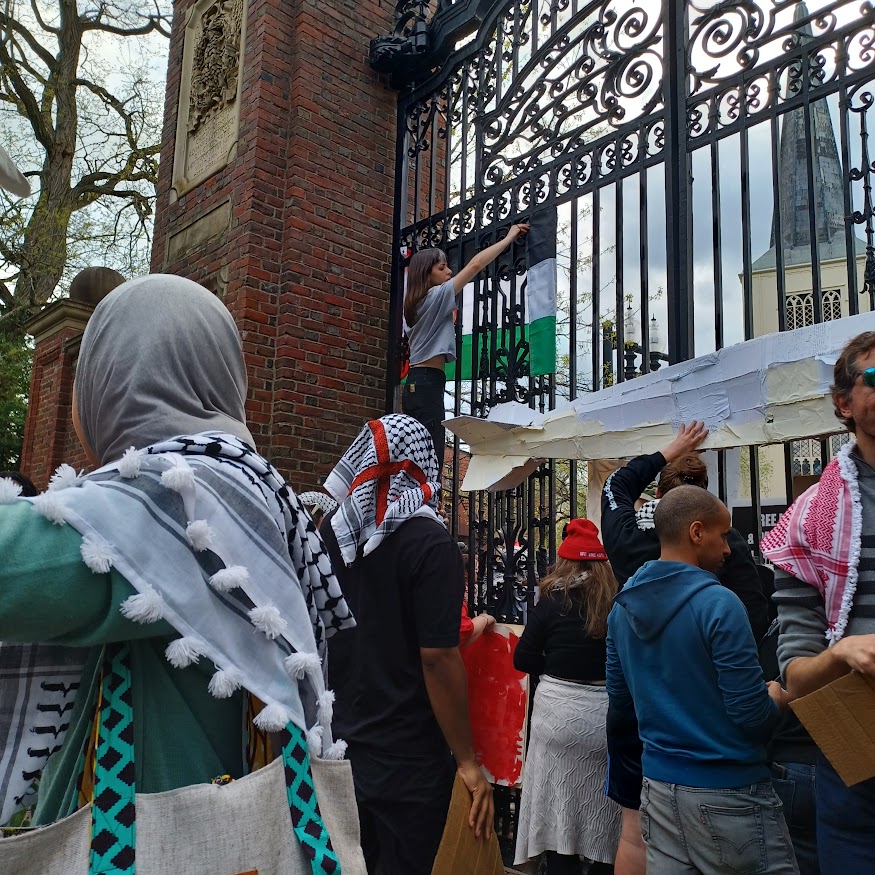
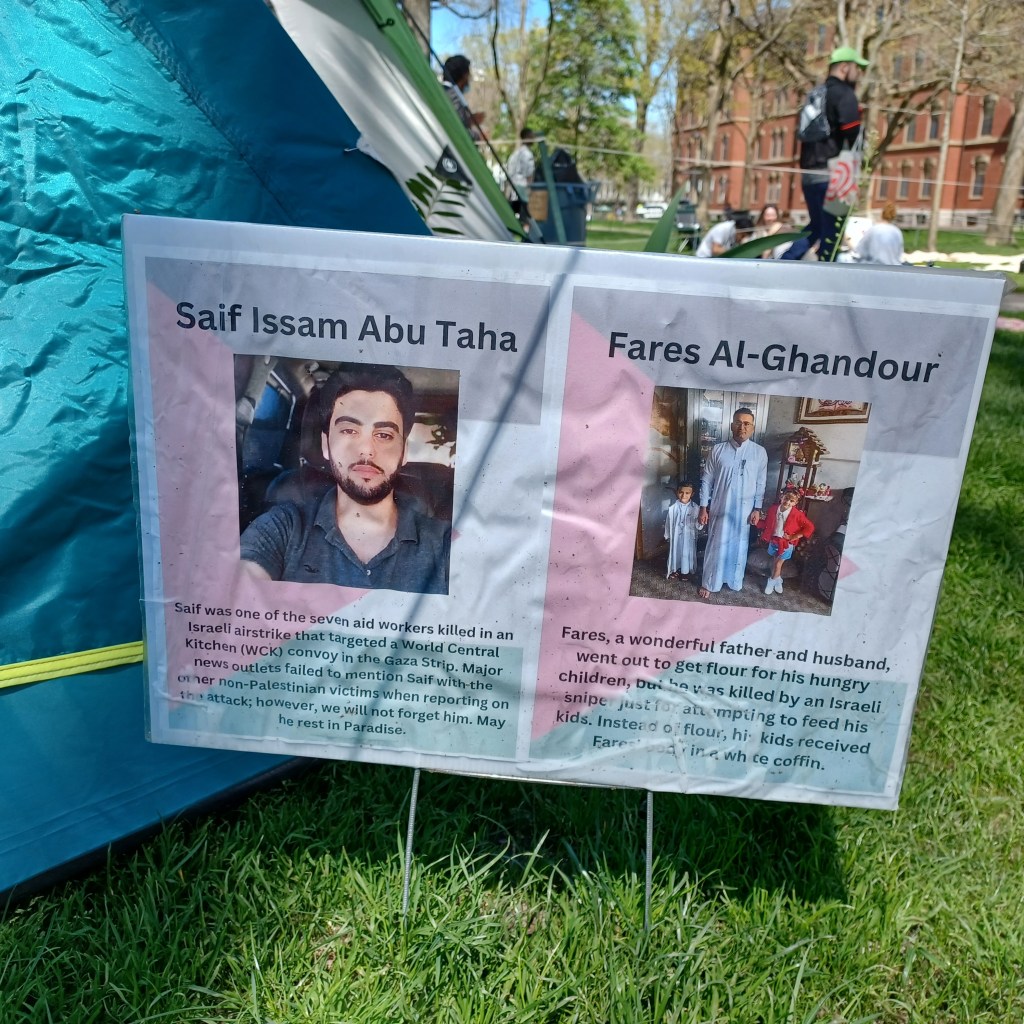
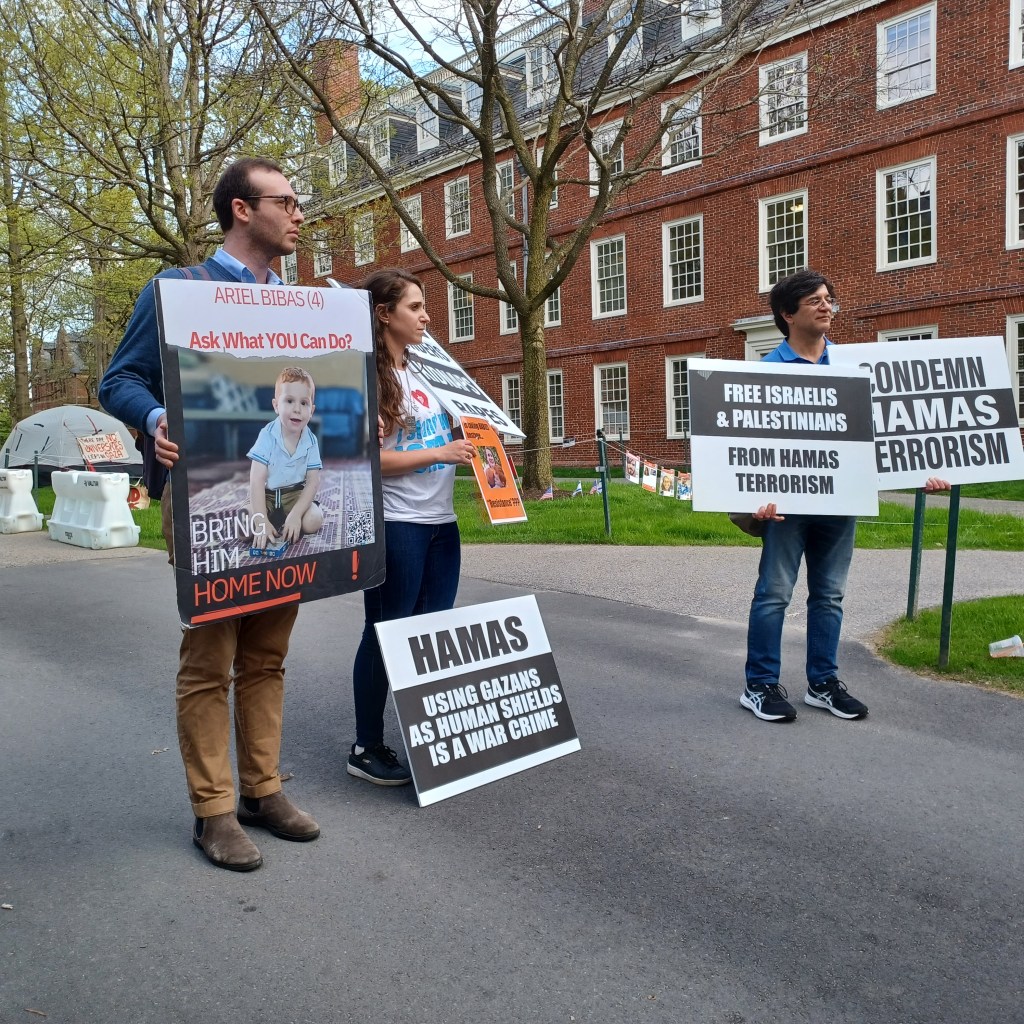
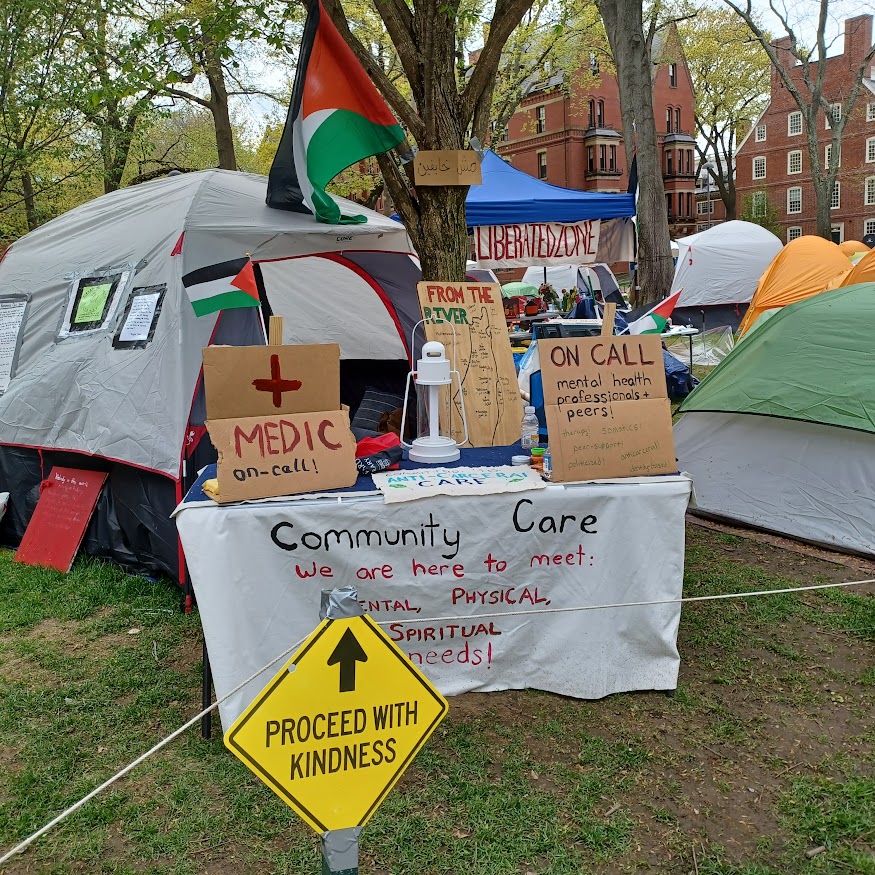
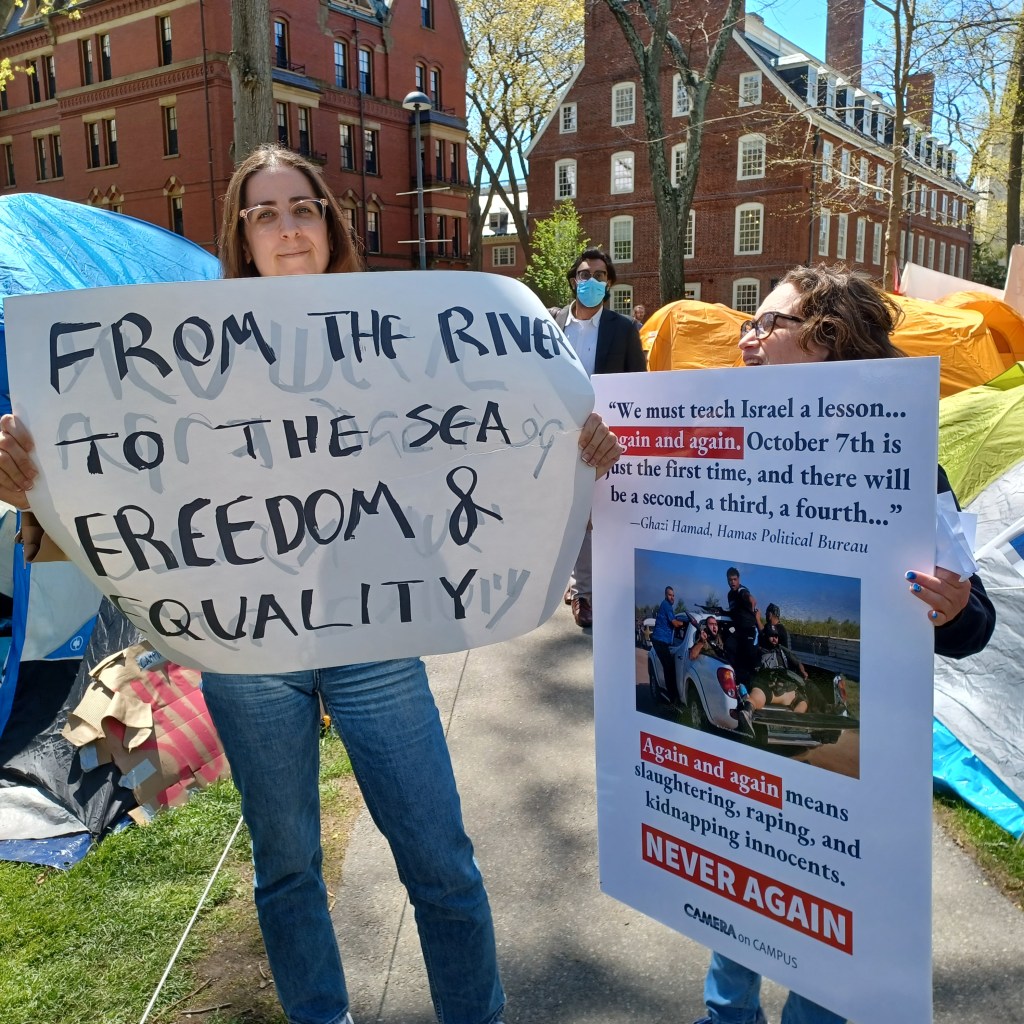
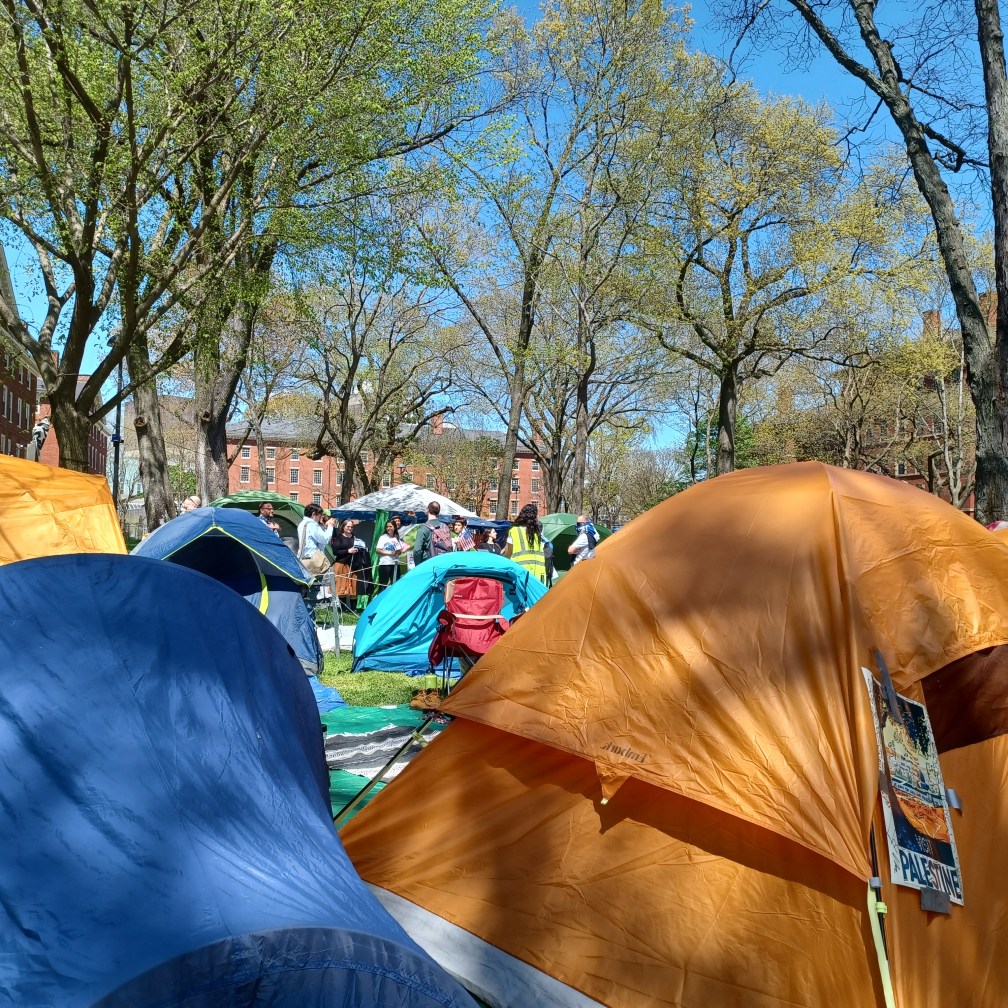

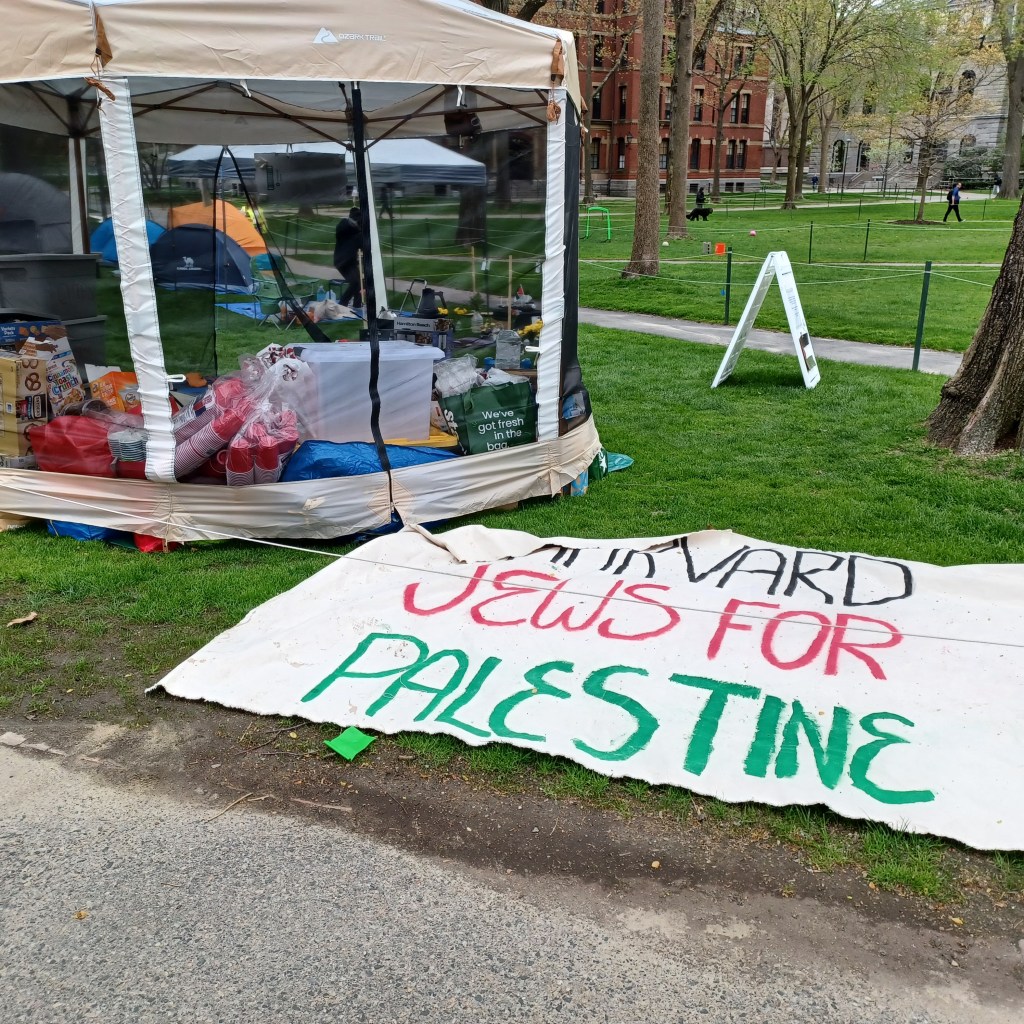
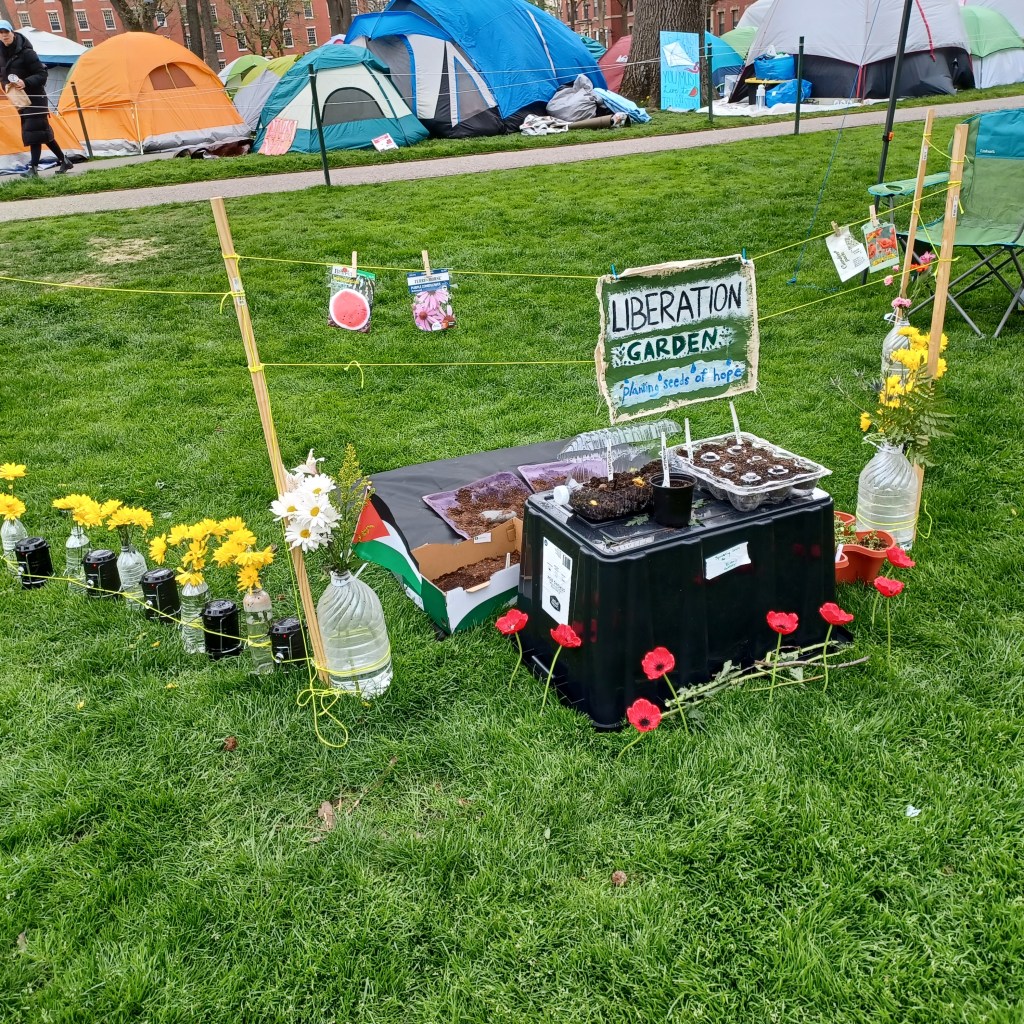


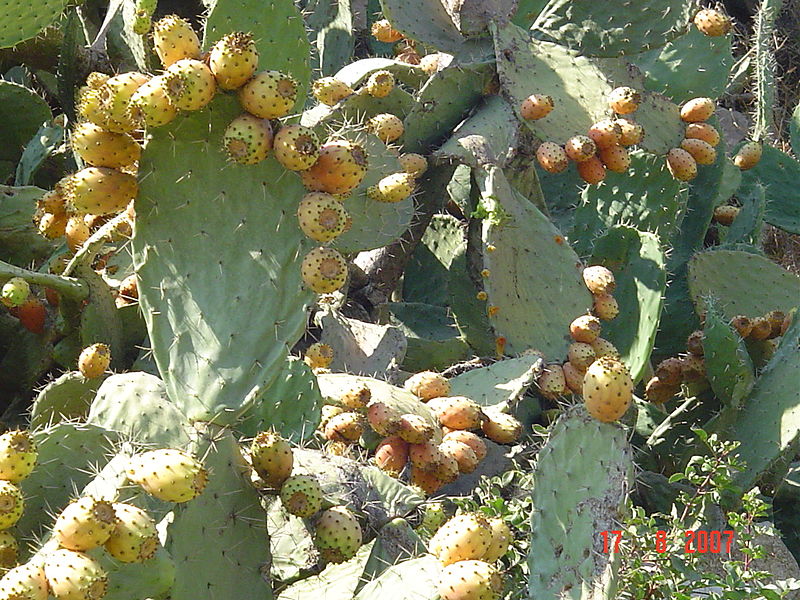
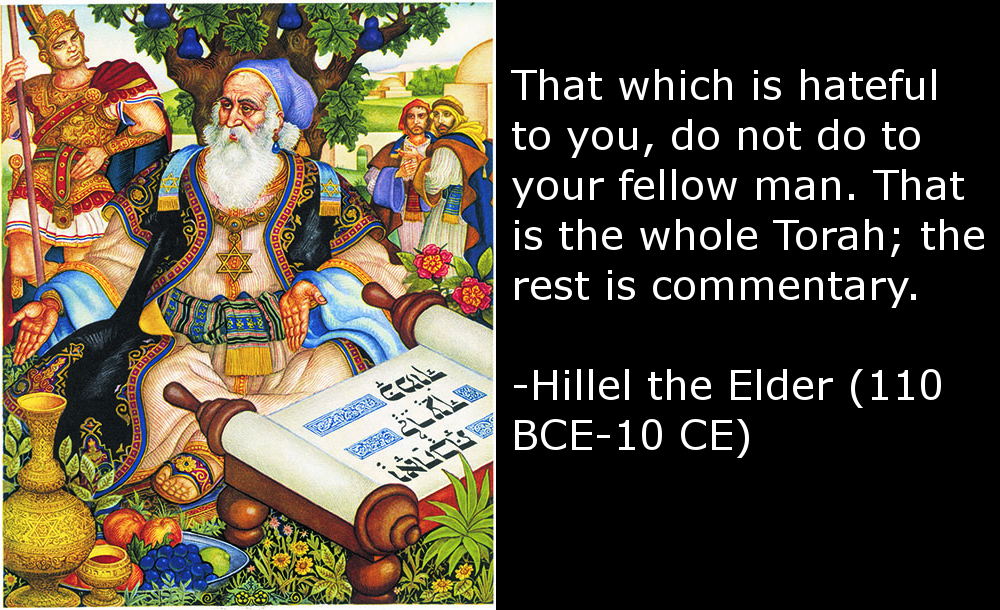
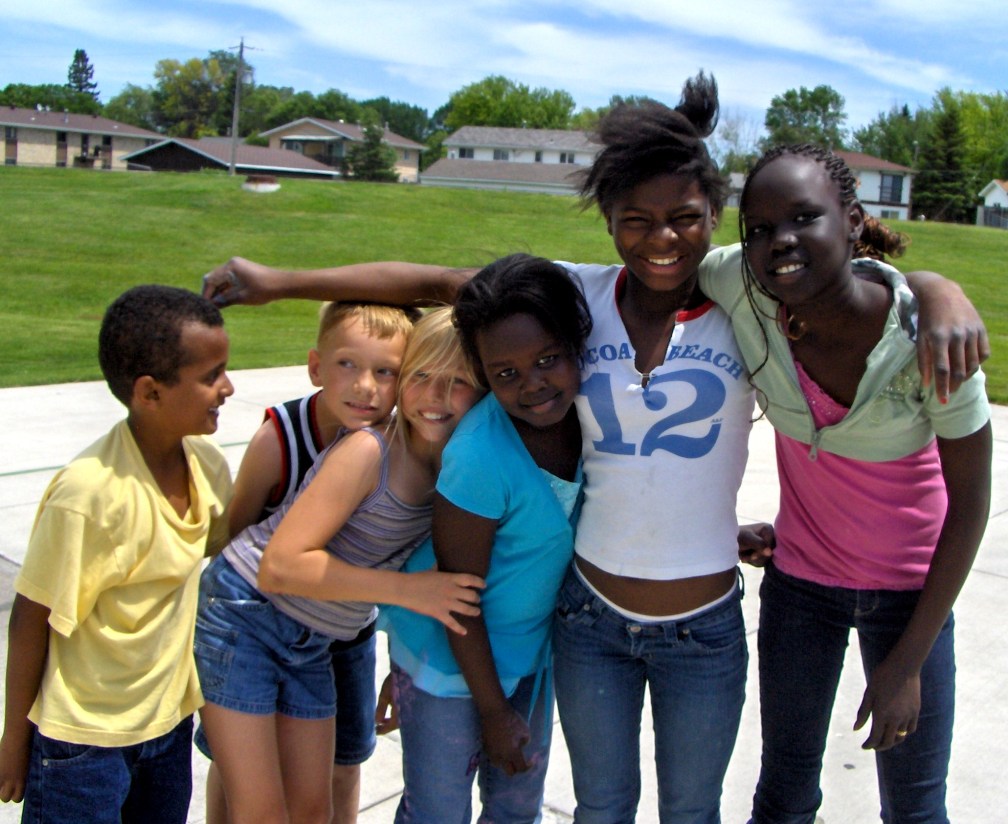
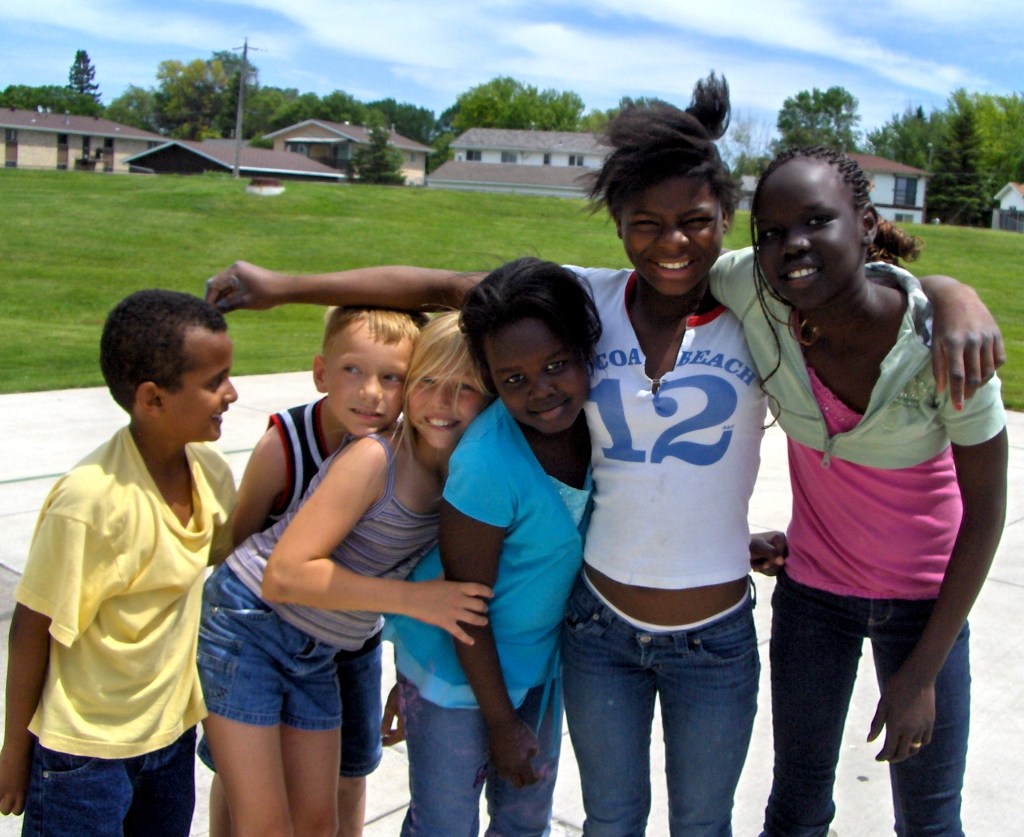
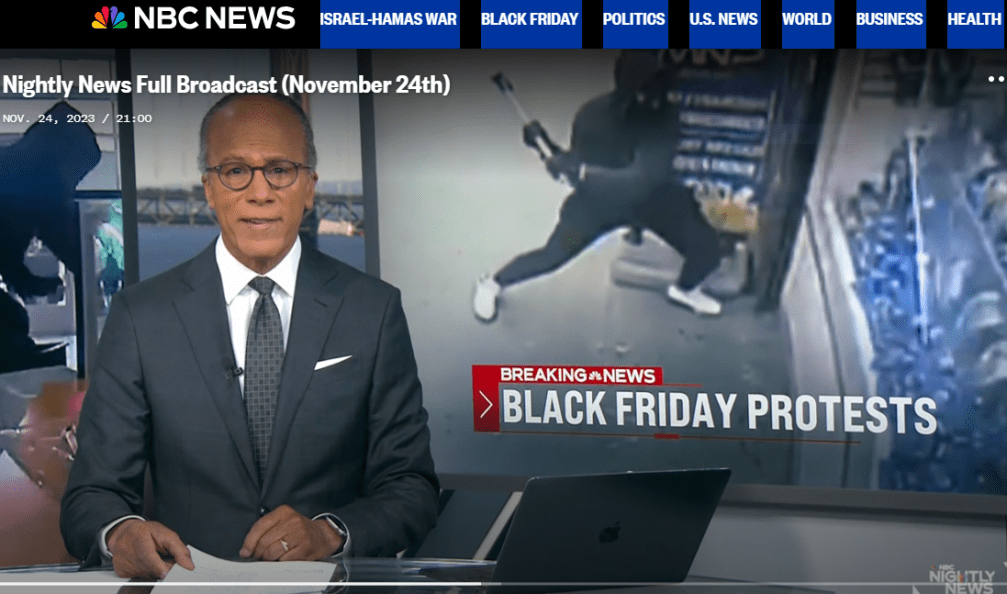
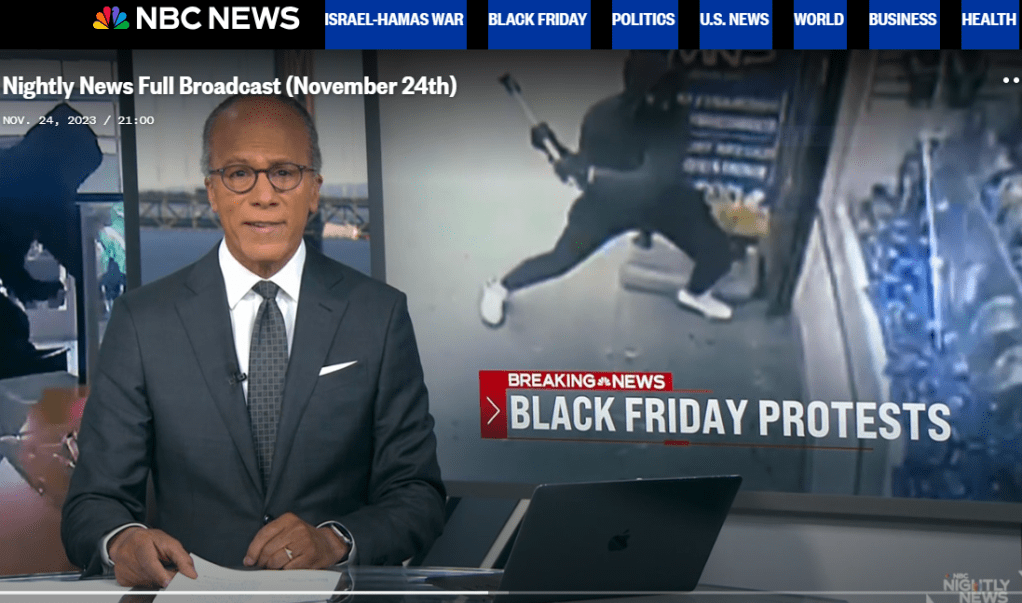

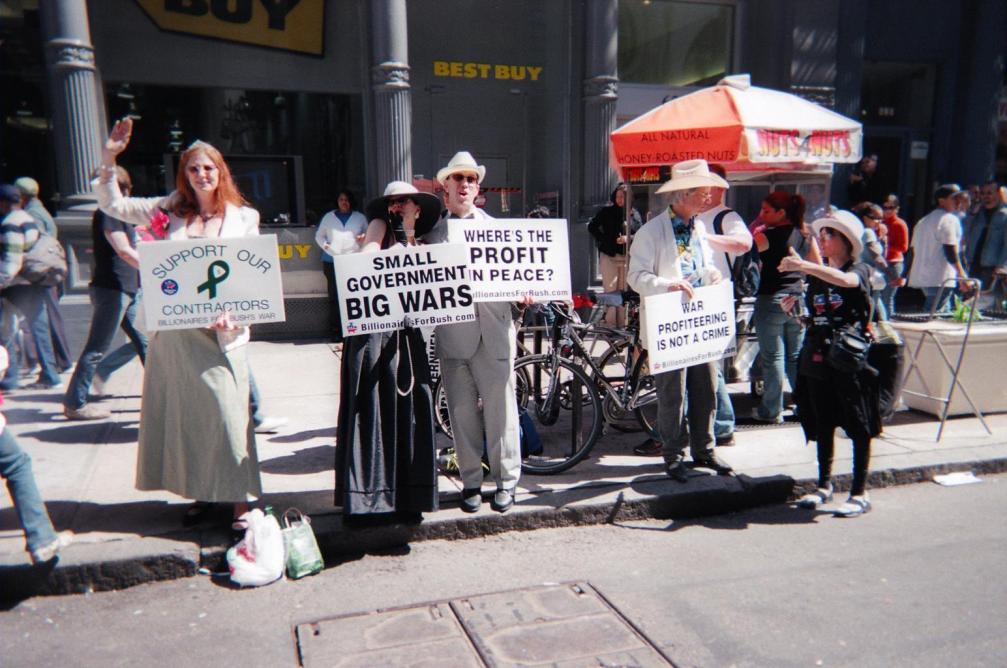
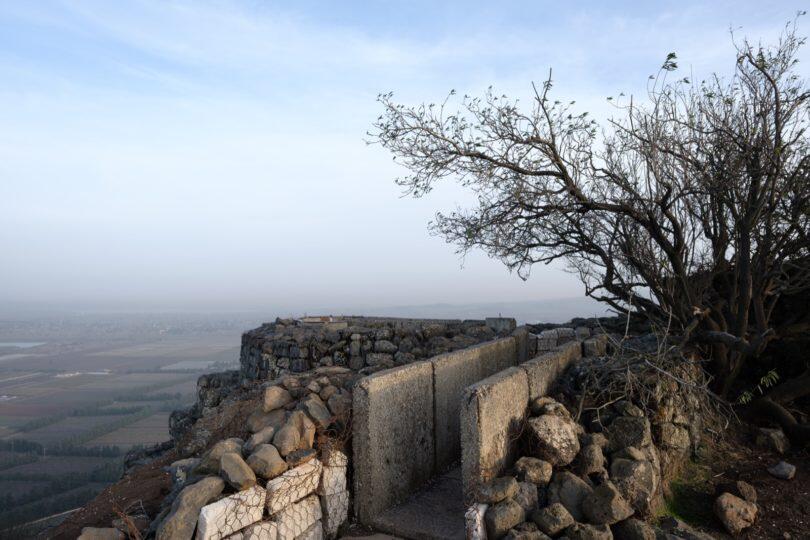

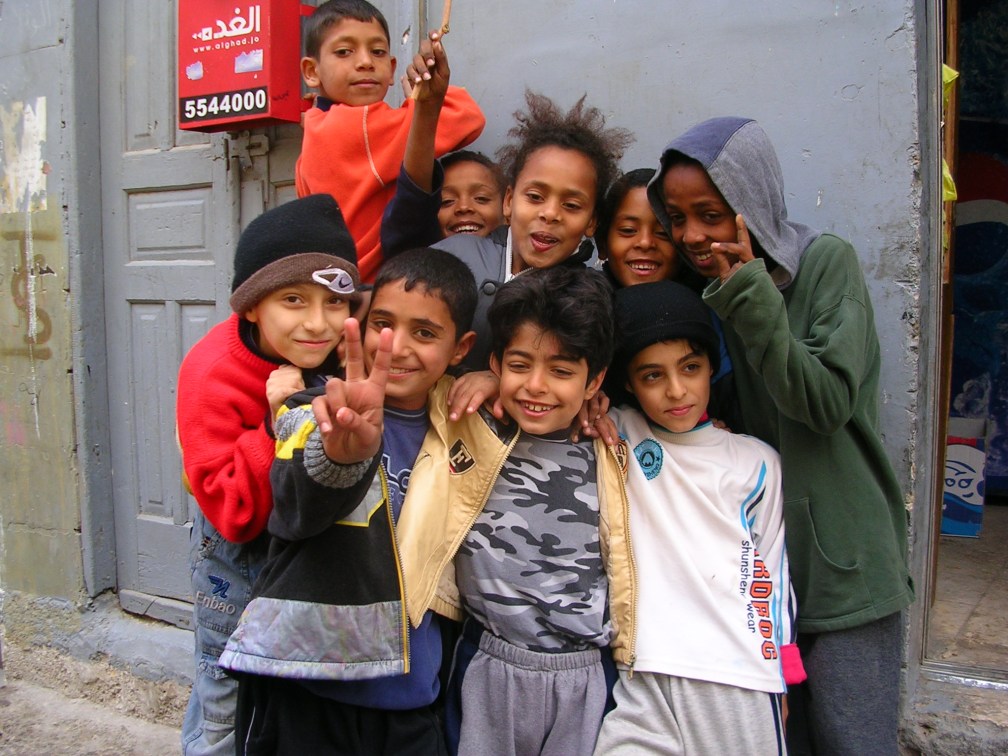

 Alice T4