Vietnam, 50 Yrs Later

I just got back from three weeks in Vietnam. April 30, 2025, marks the 50th anniversary of the fall of Saigon, the end of what the Vietnamese call the American War. We went to see what is left of the damage our country did to that country, and how well its people are doing now.

The answers are: plenty of damage left; and, they are doing better than you might think. Thousands of children are still being born with deformities caused by the persistence of the toxic herbicide Agent Orange in water and soil. Almost 20% of the land is still salted with unexploded bombs and mines, dangerous to use or even walk on.

Millions of Vietnamese were killed by American bombs and starvation caused by the herbicides that destroyed their crops. Through these massive tragedies, they have learned a great deal about how to survive.

For one example, veterans of the war know about the Cu Chi tunnels that sheltered Viet Cong fighters. But not many Americans have heard about the tunnel systems that housed thousands of civilians while we leveled their villages overhead.

My daughter and I visited one such tunnel system, where 600 villagers from Vinh Moc lived for six years. While the USA was dropping seven tons of bombs for every person in the province, they dug 100 feet down into the wet clay soil – with hand tools. They had to dig that deep because American bombs could reach 30 feet down.

The original tunnels collapsed eventually, but the government has built replicas, braced so as not to fall on the heads of visitors. The tunnel entrances are steep and slippery, their steps covered with moss. The walls drip with moisture. There are trenches on each side of the narrow paths to carry the water away.

The tunnels contain hospital rooms, nurseries, meeting rooms, wells, and ventilation shafts. Niches called family rooms bud off each side of the tunnels, about six feet deep, four feet high, and four feet wide. Five to seven people lived in each room.

The above-ground museum shows how people slipped out at night to care for their crops. The villagers also formed a vital part of the supply chain for the Viet Cong in the North. Suicide teams would push bicycles loaded with up to 1000 pounds of food or weapons through exposed trenches to the nearby coast. From there, they rowed the supplies to an island twenty miles away.

We expected the Vietnamese people to exhibit some resentment toward us as Americans. Perhaps because of their primarily Buddhist culture, we found only forgiveness and kindness instead. When my daughter told people that I had been an antiwar activist during that war, they reacted with gratitude. More than one person told me that I had “been fighting for them”. The group Vets for Peace runs annual tours to Vietnam; they report that they are greeted with the same forgiveness and compassion, and often moved to tears by it.
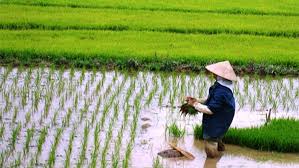
Many Vietnamese are still farming rice with ancient methods, which is backbreaking work. But perhaps 40% of the population has moved into cities as lively and colorful as any we have seen. With the encouragement of the Communist government, the Vietnamese have become tremendous entrepreneurs.

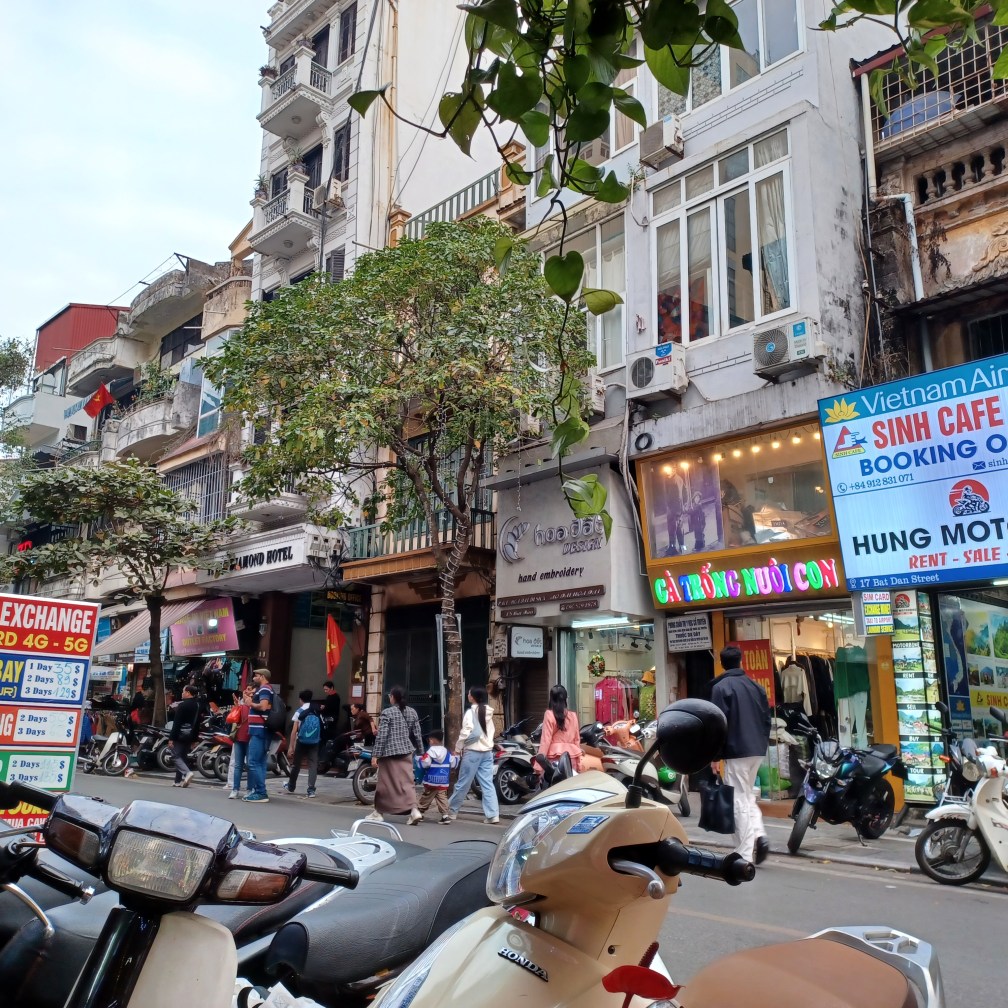
The economy seems to run on motorbikes. A guide noted, “You can clean a bike, or fix one, or steal one, or deliver materials on one.” People sit on the sidewalks with bamboo or plastic baskets full of fruit, fish, toys, or whatever else they can find to sell.
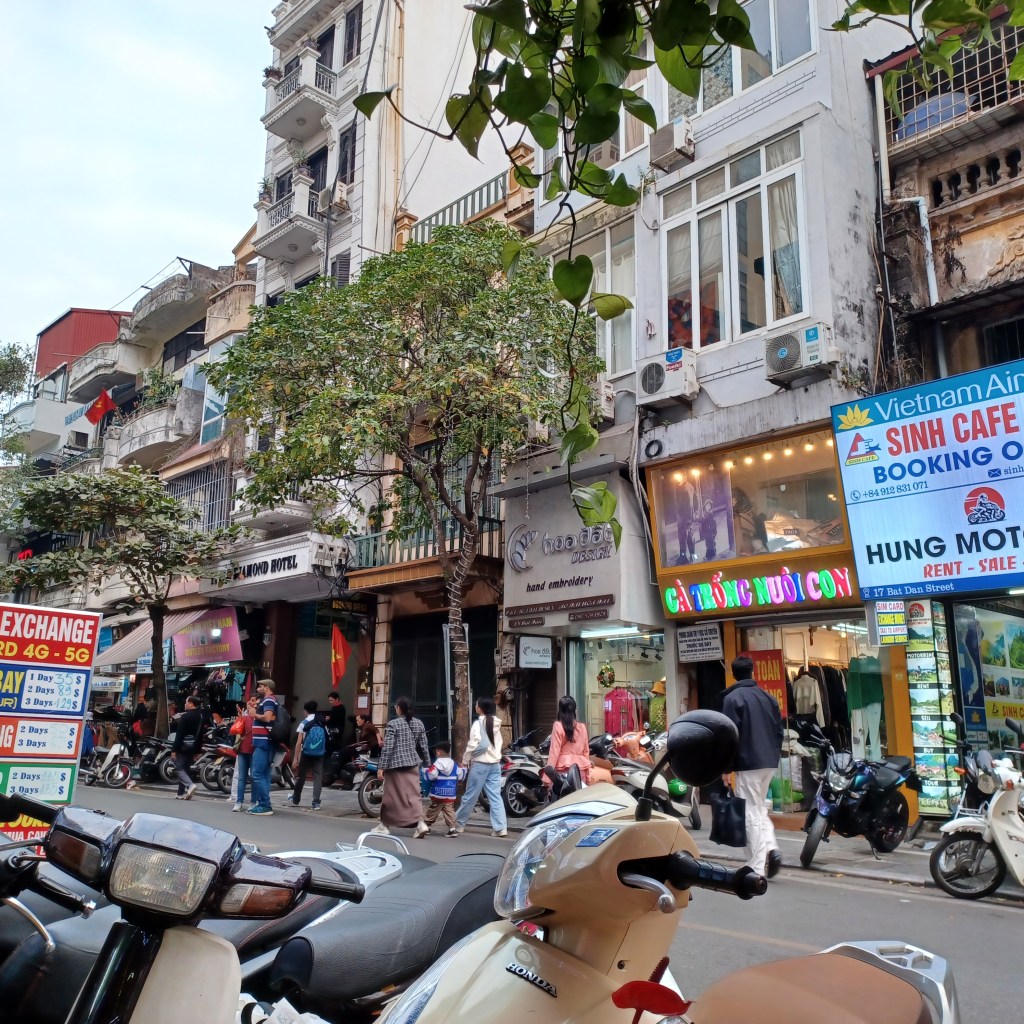
There are huge and thriving street markets, special night markets for crafts, endless black markets with parts for everything you can think of. Roadside living rooms have been turned into narrow shops or cafés. The USA hasn’t seen this level of mom and pop business since the corporations took over, if then. In Vietnam, mom probably has one business, pop another, and the kids are out hustling up their own gigs.

Elsewhere, I hope to describe the beauty of Vietnam landscapes, the deliciousness of the food, the lovely little shrines dotting every street, and the delightful people we met everywhere. It’s just good to report that though the scars of war remain, the Vietnamese are healing.

Go visit, if you can. Especially if the war left scars on your own heart, it will do you good.
I Believe in Magic

I’m 76 years old. I’ve been homeless, crazy, sick, lost people I love, seen good things turn to shit. And I still believe in magic.

I believe in the magic of loving kindness. I have seen it, felt it. Tried to practice it. And I’ve been watching a long time, and it works. I’ve seen it work.

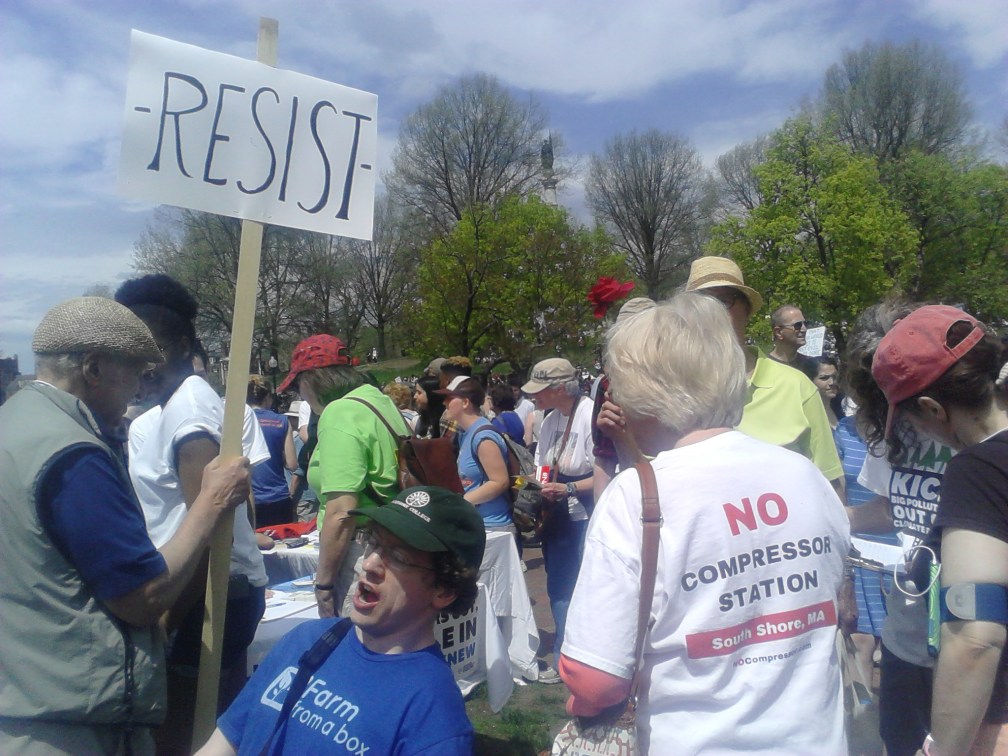
I felt it in the streets in the ‘60s and at protests and vigils and marches ever since. For every useless war, every awful court decision, people come out in the street to say no together: No, please, not again.

I’ve felt that magical fellowship in congregations of many faiths, at neighborhood barbeques, at music and art events, parks, and beaches. I even felt it once in the Manhattan terminal of the Staten Island ferry, when a woman’s parrot got loose and many teams of strangers instantly formed to get it back.

The meek are everywhere. We take comfort in one another’s presence. We get along peacefully. We’re all colors, genders, religions. We exist in every country.

Some big ape starts hooting and beating his chest, and all the other big apes start hooting and beating their chests. Usually it’s just noise, and boys marking their territory, but sometimes it gets serious and leads to war.

This has nothing to do with protecting mothers and children. It’s anger, insecurity, arrogance, and pride, all the worst parts of our nature, roused up, encouraged. Feeling things are going their way, the big apes can strut their supremacy. They have the power now; they think it’s done. But this is not over.

We are the people of peace, and we must win. Magic lives in our hearts. The secret is to practice it together, in solidarity, across every issue, and to never give up.

Common Ground

My family was not religious, but we were always aware that we were Jews. Until I was 12, we were the only Jewish family in a Catholic neighborhood. Some families wouldn’t let their children play with us. My parents sent us to Hebrew School, to get in touch with our roots – as we say now. My brothers and I attended for two hours after public school on Mondays and Wednesdays, and for four hours on Sunday mornings. We learned, or at least they tried to teach us, Biblical and modern Hebrew, the five books of Moses and historical commentary, and customs and ceremonies. What they also taught us, though we didn’t realize it until much later, was Zionism.

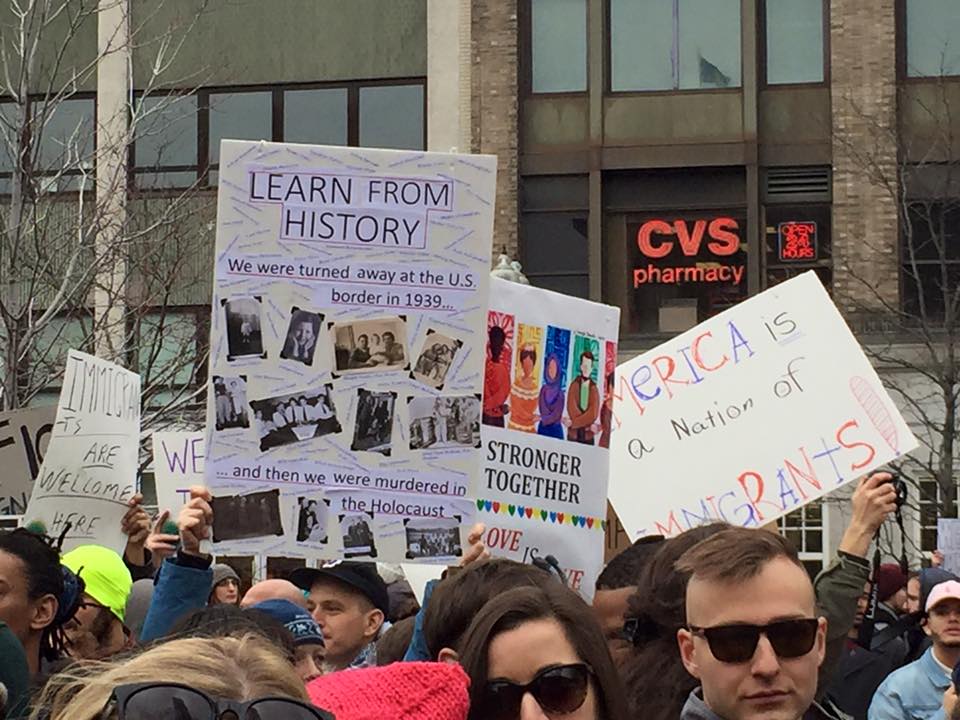
I was born three years after the Holocaust killed all our relatives who didn’t leave Poland in time. We learned that even though the world knew what the Nazis were doing to the Jews, few nations would accept Jewish refugees. Even the USA forced ships full of them to return to Germany. When anti-semites came for the Jews, we could not depend on anyone else to help us.

So, we were taught, Israel was the only safe place for Jews. It was the promised land of milk and honey. God had made a covenant with us: if we obeyed His laws, we would thrive in this land. We were taught nothing about the people who had been living there during the 2,000 years in which most Jews were elsewhere.

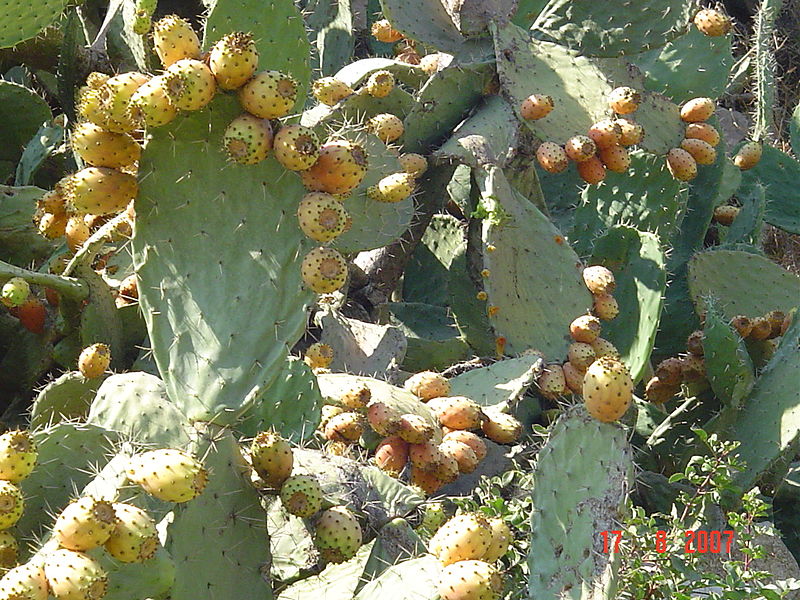
Jews in Israel were turning the desert green, they taught us. Jews were no longer helpless victims of anti-semites; in Israel, we were armed warriors, defending our new-built oases from the jealous tribes around us. Like the Sabra cactus that symbolized the settlers, we would be tough on the outside while we stayed soft on the inside.

At the Passover seder every year, my family repeated the ancient words: “Next year in Jerusalem.” Not that we intended to go ourselves. But Israel was the refuge of last resort. When we heard news reports about Arab attacks on Israel, our rabbis urged us to send money so that Israel could defend itself – for all our sakes.

The propaganda was thorough and relentless. Over time, support for Israel became as much an article of faith as the existence of God – and for many Jews, more worthy of our belief. Any Jew who dared to question Israel’s behavior was damned as a traitor to our people.

While we were learning about the Holocaust and Arab attacks on Jewish settlements, Palestinians were learning about the forced expulsion of 750,000 Arab residents from Israel after WWII – the Nakba – and the theft of Arab land and often violent repression of Arab residents ever since. Nobody taught American Jews about the Nakba. Nobody taught Palestinians about the Holocaust. The two peoples were deliberately blinded to each other’s suffering.

Now it should be no surprise to anyone that these two damaged, exploited, disrespected peoples, abandoned by the rest of the world after it trapped them together, have learned to identify themselves as bitter enemies, each willing to fight to the death to eliminate the other from their contested land.

One side shouts Holocaust. The other shouts Nakba. Both have long lists of atrocities to shout thereafter. Amid the shouting, who is listening? Who is able to see that everyone on both sides is the walking wounded?

It is heartening that today, in many demonstrations calling for a permanent ceasefire, progressive Jewish organizations are taking a leading role. At least some American Jews are finally waking up to our share of responsibility for the current disaster in Gaza. We have allowed ourselves to be silenced, while news of Israeli brutality sifted down to us past the censors. We have allowed too many of our so-called spiritual leaders to shame us out of fellow-feeling for Palestinians. We have continued to support an apartheid state that has segregated and oppressed Arabs just as Jews were segregated and oppressed in Eastern Europe long before the Nazis came to power. And we have sent untold millions of dollars, and urged the American government to send almost four billion dollars a year, to arm a country that always seems to meet violence with much greater violence.

Jews and Palestinians have all been brainwashed. Lost in the fog of partisan information is the sense of common ground – the awareness that we humans must share a finite and vulnerable planet. We have been taught to believe that Israel, or Palestine, has a right to exist. What we must come to understand is that no country has a right to exist. Only people have that right. Countries are products of our imagination. People are real. Until we can learn to acknowledge the harm we have all done to others, and determine to live together in peace, none of us will be safe.

Next year, may we share Jerusalem.

Time to Grow Up

Our species has had a wild and crazy adolescence. These days we’re facing the consequences of our irresponsible behavior. We can now see that our bad habits will kill us if we don’t quit. It’s time to grow up.

Can we stop eating too much meat, using too much fuel, buying too much stuff we don’t need? Can we stop using plastic? Can we stop making war?

Many of us believe that only the rich have the power to change anything. This sense of insignificance is a delusion. Every person is just as significant as every other. Each of us offers a unique perspective that adds to our common understanding of our world. Whenever we listen to a new viewpoint, our culture shifts a little. We grow. Barriers fall; we make new connections. And anyone who has managed to kick an addiction knows that it’s not easy to change, but it’s possible.

We have a tremendous amount of work ahead of us. There’s no guarantee we can make the necessary changes. Maybe the civilization we have built is too powerful and its inertia too great, our addictions too ingrained. Maybe people are too greedy and violent to change our ways.

But we are much more than our bad habits. Every human survives infancy because someone fed us and wiped our little bottoms; such ordinary kindness is the neglected background of our lives. Nearly all of us are capable of caring for others, creating beauty, inventing new ways of doing things. And for the first time in history, we have the tools to take full advantage of these assets for the sake of all humanity: the internet and Artificial Intelligence.

In recent years, our culture has focused on our differences. We needed to understand how the spectrum of race, gender, and wealth affects individual lives. We needed to hear more voices than those of rich, straight, white men. With the internet, finally, all of us can speak. AI can tell us what people have already figured out about how to fix things, if we ask it the right questions. We are barely beginning to understand the power of this new tool.

The next stage of evolution is looking at common ground – what we share, how we’re all alike – instead of only at our differences. We can feel this common ground in a movie theater or concert. Everyone in the audience is at one with all the rest, in a way. Our attention has a common focus. Changing our culture means changing what we pay attention to. It’s time to focus on human survival.

Our attention is our singular gift, our most valuable asset. We can choose what we look at, what we like, what we buy – in both senses of the word. This is our vote. This is the direction we’re taking the culture, whether or not we want to admit our personal responsibility for it.

Status, wealth, nationality, and religion are things we made up, stories we tell ourselves about who we are. It can be hard to admit that we’re really just a bunch of panicky primates trying to figure out how to run the planet before we ruin it.

Our world is changing quickly. We now have the tools we need to organize ourselves for survival. Whether we can manage this or not is an open question. Let’s not give up before we try.

People of Peace

Now is the time for all good people to come to the aid of the species. The forces of greed and violence have driven us to despair. We know we must change how we live, but we don’t believe we can.

The forces of good have been scattered. We’re fighting on separate battlefields, although we face the same enemies. We have to join forces to win this war.

We need to make big changes. That means a revolution. But it can’t be a violent revolution. Violence isn’t change. Violence is the enemy we are fighting. If we fail to be nonviolent, we are playing the enemy’s game, and we will lose.

Most people are the walking wounded. We live in a brutal culture. A few have everything. The rest of us have to fight for the scraps. The rulers urge us against one another. They want us to fight amongst ourselves.

Israeli against Palestinian. Ukrainian against Russian. Black against white. Men against women. We who are all the same – brothers and sisters – are fighting one another instead of the forces of violence and greed.

It’s time for this species to wake up and get ourselves together. We have to learn to live together, to work together, if we’re going to figure out how this organism in which we are living cells – humanity – is going to survive.

Survival will mean working in coalition. Trying to understand each other. Breaking down barriers, not building them up. This is how we create a real revolution, the big change we need.

We people of peace must join together if peace and justice are ever to prevail.

The Gaza War

Don’t stand with Israel. Don’t stand with Palestine. Stand for peace.

Since the inexcusable massacre of Israeli civilians by Hamas, many thousands are suffering and dying on both sides. More suffering is sure to follow. Israel has trapped more than 2 million Palestinians in the Gaza strip, where Hamas uses them as human shields. Any attack on Hamas leadership is going to kill civilians. Israel seems determined to deprive that population of food, water, and electricity. Neither Israel nor Egypt has given them a way out of the trap so far.

Both sides have terrible governments, which care only about their own power and not about their people, or justice, or democracy. Horrors have been committed by both sides for decades while the rest of the world has only added fuel to the fire. Both sides have rejected nonviolent solutions. Both sides have killed leaders who worked toward peace.

Americans must push our own far-from-adequate government to send food, water, and medicine
to Gaza; establish escape routes; and use our substantial leverage with Israel to effect a ceasefire and begin peace negotiations with Palestinians who abhor the terrorist strategy of Hamas. No lasting peace can come without justice for the dispossessed.

There is much more at stake here than the fate of the Middle East. I believe human survival depends on nonviolent resistance to war. War not only ruins lives, communities, and environments, it sucks up the attention and resources we need to curb climate change.

If the US had not set a terrible precedent by occupying Iraq in an unprovoked war, or if NATO had not been so aggressive in its recent expansion, perhaps we could have prevented the Russian invasion of Ukraine. If the world had encouraged the nonviolent Boycott, Divest, and Sanction movement protesting the Israeli theft of Palestinian land instead of dismissing it as anti-Semitism, perhaps we could have undermined the fury that supports Hamas.

Vigils, petitions, letters to Congress, and marches for peace and justice might not seem to have much effect. But they hearten participants, create alliances, educate, and with luck might change a vote or two. At the very least they serve to target our real enemy, which is the war machine that has made our country the world’s largest arms merchant, and continues to enrich a few while destroying the planet for the rest of us.

War of the Worldviews

Let’s deal in oversimplifications for this argument. Imagine an extremist Christian man and an extremist Muslim man talking about their beliefs in a living room somewhere. Their discussion grows more and more heated, and, depending on the men’s temperaments, might even come to blows. 

Meanwhile, their wives are in the kitchen, fixing tea and a snack. Are they discussing religion? Most likely not. They’re talking about men, maybe even about the challenges of living with true believers. The men in the living room are fussing. The women are laughing. The real difference in this (terribly stereotyped) scenario, I respectfully submit, is not between the Muslim couple and the Christian couple, but between the men and the women. 

Any time you try to talk about culture you are forced to generalize. If you constantly qualify your projections by acknowledging the wide spectrum of behavior in any one culture, you can’t reach any conclusions at all besides the fact that people are strange, which holds true everywhere. When it comes to human behavior, there are more exceptions than rules.

In general, though, there are two cultures in conflict in the world today. One is dominant, but unstable. The guardians of this culture tend to be “alpha males,” that is, men with a need to be on top of their worlds, who are aggressive, self-centered, ambitious, and willing to resort to violence. This culture has encouraged certain kinds of material progress but results in constant struggle and increasing divides between haves and have-nots. 

The other culture is submissive but stable. This culture is maintained and propagated mostly by women. It is other-centered, conciliatory, patient, and prevents or tamps down violence wherever possible. This culture keeps the human world going, for without it, the dominant culture would tear everything apart.

I’m going to call the dominant culture male, though it includes many biological females. I’ll call the complementary culture female, though it includes many biological males. There is no question about which culture is uppermost today. Anywhere you find hierarchy, whether in a capitalist, nominally communist, or oligarchic society, the male culture rules. Wherever you find egalitarianism, cooperation, and collaboration, the female culture is in charge.

Not every society in history has been ruled by alpha males. Sophisticated justice systems; decisions by councils of elders; inclusive mores that provide for and protect society’s outliers; peaceful agrarian societies: all of these indicate the primary influences of women’s culture.

On the other hand, violence; the heedless destruction of human and other natural resources; the oppression of the lower classes: all these are sure signs that the male culture is running the show. 

Clearly women’s culture evolved around the need to protect children from men’s aggression. If some sector of society did not propagate the values of caregiving, altruism, and sharing, that society would not survive two generations. 

In a world of many languages, where communication was difficult, male culture evolved to settle disputes through physical violence. It would be up to the males whether a tribe’s territory expanded or contracted. The more territory, the more access to game, water, and fuel, the better the tribe’s chances of survival. If you see the world as belonging to “us” or “them”, you want the biggest, baddest guys on your side. 

Our world today hangs in the balance in more ways than one. Scientists tell us that our behavior over the next decade or so will determine whether global climate change continues at a pace likely to doom our (and most other) species, or whether it will moderate to a manageable level. Nuclear proliferation proceeds at a rate where unstable regimes and non-state actors have access to weapons that could render the planet uninhabitable except by cockroaches and rats. Water pollution and over-use is at the point of making entire countries vulnerable to death by disease or famine.

Whether our species survives these crises depends upon another balance: the balance between male and female culture. Male culture has ruled, nearly planet-wide, for centuries, cementing its hold though tyrannies and then through the spread of capitalism, which values and rewards selfishness, aggression, and greed. But the destruction that attends these values is catching up with us. More and more people realize that we could very well do ourselves in if we continue on our current path. 

Meanwhile, female culture has begun to strengthen in ways unimaginable a century ago. Women’s liberation has barely begun, but its effects are threatening male dominance in every society. Some ancient techniques (violence against women and LGBTQ people, veiling, double standards on sexual experience) and some new ones (high heels, sexualization of younger and younger women, co-optation of women leaders) work against women’s rise, but the trend continues. Women have gotten the idea that they should participate fully in public life, and they are insisting on their right to do so. What has given this idea such strength and persistence?

I believe that deep in our collective unconscious, we know that women’s culture must assume dominance if humanity is to survive. We must stop hurting one another and start taking care of one another; we must stop wasting resources, and learn to conserve; we must clean up the messes we have made; we must stop rewarding greed, and place more value on sharing. Only women’s culture carries the tools and techniques to bring about these changes.

This necessary revolution, which seems so radical, would actually require only a shift in the balance of cultures. We just have to listen more closely to what Jung called the anima, the feminine side of our consciousness. The center in us that corresponds to female culture – the center of nurturing, caring, sustaining values and behaviors – must gain our respect, as it is the key to our species’ survival.

The movement toward women’s liberation arises from the deepest place in ourselves: the part that wants to live, and wants our children to live. Right now, many of the stories we tell ourselves are generated from our fear that survival is not possible. Even though every one of us contains the seeds of a new world, we despair of the possibility that they will grow and thrive.

When we choose our leaders, we should ask ourselves which culture they embody. We need more representatives of female culture to set public policy, whatever their gender. We need more women in positions of power, not because women are that different from men, but because they have been the custodians of the set of values around which our species must reform its behavior.

Those women laughing in the kitchen do not need to come into the living room and argue with the men. No: it’s the men who need to come into the kitchen, drink the tea, eat the cookies, and learn to laugh with the women. 

Intersectionality

Sometimes, in our culture, it seems the individual is all that matters. Life is about me: my career, my wealth and status, my history. We talk about intersectionality, the many identities that make up one person. What about intersectionality among people, rather than within them? Isn’t that our most important circumstance, as a species?

Say one person is gay, male, white, urban, and Jewish. Another is straight, female, Asian, suburban, and Buddhist. According to what is usually meant by intersectionality, one might expect them to have little in common. But they both love dogs; they’re both poets; and they’re both passionate gardeners, though the guy’s plants are all in pots on his balcony. How different are they?

Ethnicity, gender, religion – these are aspects of the self that help us feel part of groups larger than our immediate friends and family. These aspects are endlessly fascinating. They take up most of our public discussion. Yet they represent a fraction of what a person actually is. More of our couple’s thoughts and daily activities are likely to concern their dogs, their poems, and their plants than any of the supposedly more significant aspects of their identities.

Ethnicity, gender, and religion are stories we tell ourselves. These histories are important and yet, to a degree, imaginary. They help make individuals what we are. But how have they come to outweigh other aspects so much that we sort ourselves into such narrow categories?

This sorting is far from accidental. A very few people have accumulated most of the economic and political power on this planet. So long as Black and white, male and female, Hindu and Muslim, are convinced we are significantly different, we can’t get ourselves together to challenge that power. One only has to look at Trump, Xi, Putin, Modi, or any other authoritarian to see that they deliberately foment enmity among ordinary people.

Imaginary boundaries keep us fighting one another, instead of taking charge of the planet, which the current culture is ruining for everybody. Preventing ordinary people from organizing is a short-sighted strategy on the part of elites, since their grandchildren as well as ours will have to inhabit this poisoned planet. But the elites, being human, are not good at taking the long view.

The internet gives us new opportunities to take down the walls we have built. Rapid and radical climate change gives this project new urgency. Online, people can identify with other dog lovers, poets, or gardeners. One’s ethnicity, gender, and religion can begin to appear less relevant in these circles. Old associations give way to new. Meanwhile, racist, ethnic, and anti-LGBTQ violence reinforces the old boundaries. Hate crimes are committed by people who depend on those boundaries for their whole identities. The increasing violence points to the degree that such people feel threatened. Whenever there is peace, the old boundaries erode.

The Black Lives Matter movement drew in white as well as Black people, not just in the US but globally. The (nearly all peaceful) demonstrations centered on the suffering experienced by Black people for no reason except that their skin color put them on the wrong side of an imaginary wall. Earlier, the Occupy movement also spread around the world. Wealth is another imaginary wall that causes great suffering to people on the wrong side of it. In addition, the environmental movement and the #MeToo movement are global or in the process of becoming so. All these movements indicate that at least some people are beginning to see ourselves as human first, with every other aspect of ourselves being less significant than that primary, leveling, identity.

Every human is clearly a unique world unto themselves. Every human is also 99.9% exactly like every other human. If we focus only on the individual, we just see the actions of one person, subject to chance, a sort of Brownian motion, like the movements of a particular molecule. If we’re interested in the larger movements of our species, we have to consider that most obvious and invisible thing: our culture.

The paradox of being human is that the essence of our personality provides a through-line in our lives; we carry that essence with us, like a smell or a sound that only we can produce. Yet we change constantly. Every day brings us new experiences, and every experience changes us, becomes part of who we are, whether or not we think about it or remember it.

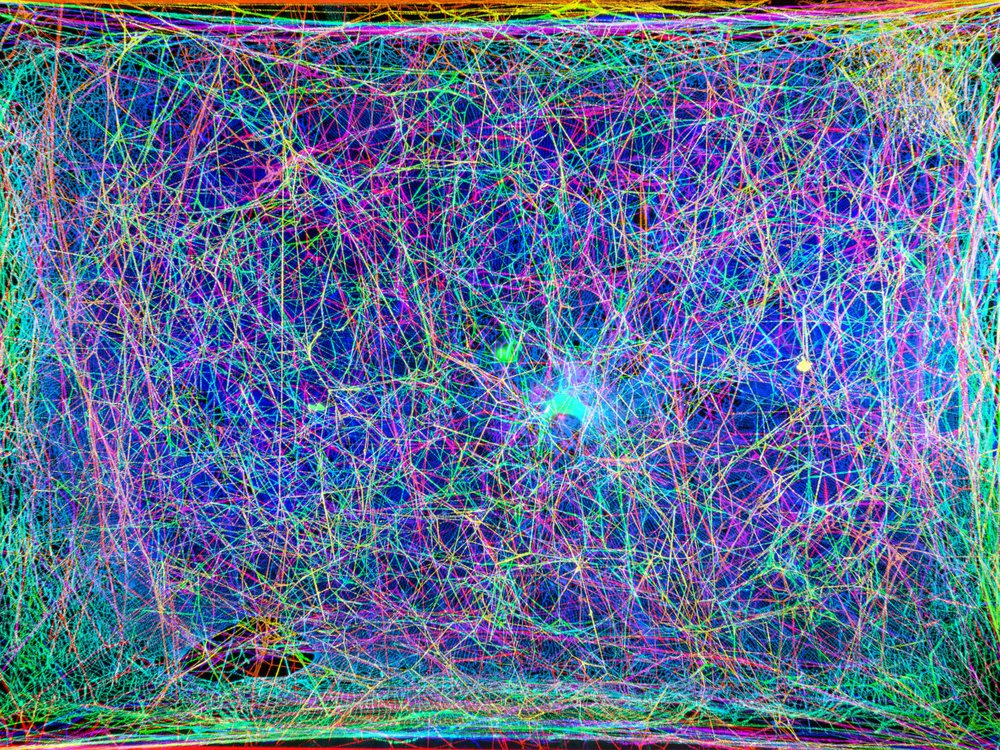
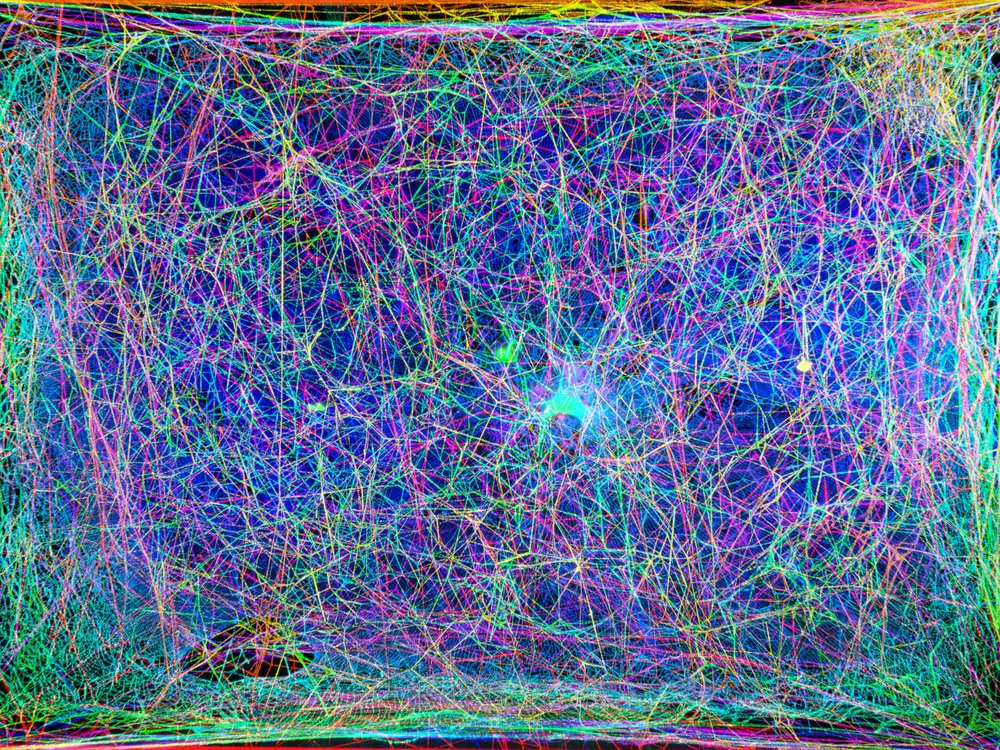
Imagine if we could see the connections between us. Every meeting would form a line. More meetings would make a stronger line. There would be lines between clerk and customer, police and criminal, writer and reader. Instead of a universe of separate points, we would see a dense network in which no point existed in isolation. The loneliest individual, after all, would not have survived infancy if someone had not fed them and wiped their bottom.

This dense network of connection, though impalpable, is who we are. This is the reality of our species. Like the individual, humanity has through-lines. The constant is human nature. The flux is culture, which never stays the same, one day to the next.

We can’t change human nature. We can, however, change culture. Everything we say or do changes the culture, as well as everything we buy, or boycott, everything we listen to, argue with, dismiss or support. In such small increments, the body of humanity moves. In what direction are we moving? Tiny cells in the body of our species, we can hardly tell. All any of us can do is move in any way we are able toward peace, sustainability, and justice. And hope.

Panicking? Good.

Not a moment too soon.

Panic is a natural first response to the awareness of what a terrible spot humanity is in. Despair often follows the panic. We have to calm down, and cheer ourselves up, before we can get to the real, urgent, practical work of saving the world.

Human-caused climate change is happening faster than even the worst pessimists predicted. The fires, floods, and droughts scare more people all the time. We are beginning to understand the harm we have done to ourselves and this beautiful earth. If enough of us are afraid enough, we might change our behavior before it’s too late. In a way, fear is our only hope.

Some have moved from denial straight to despair. That is natural but convenient. Despair lets us off the hook. Why take the trouble to change if we’re doomed anyway? If we believe human survival is impossible, we won’t even try to fight. But it’s not impossible; it’s just unlikely. There’s a big difference.

We know what to do. Reduce, re-use, recycle; cut way down on fossil fuels, plastics, military spending, and meat; educate women world-wide to curb population growth; prepare for mass migrations; and so on. But how do we do any of this when most of us feel so powerless, and we seem stuck with the status quo?

We do it through changing a culture that glorifies violence and greed. Each of us creates our culture every day, in what we buy, where we go, what we communicate. When we make different choices, we change the culture.

We’ve built our present world by imagining every detail. Everything we see around us is a product of human imagination – in fact, of countless imaginings. Money, status, nations, religions: all of these things are imaginary. When we think about them differently, they change. Now we must imagine a sustainable world where humanity and other species can thrive.

This is a time to rally ourselves, not give up. As has been said, it doesn’t matter what we did. What matters is what we do once we know what we have done.

Not the 99% but the 100%

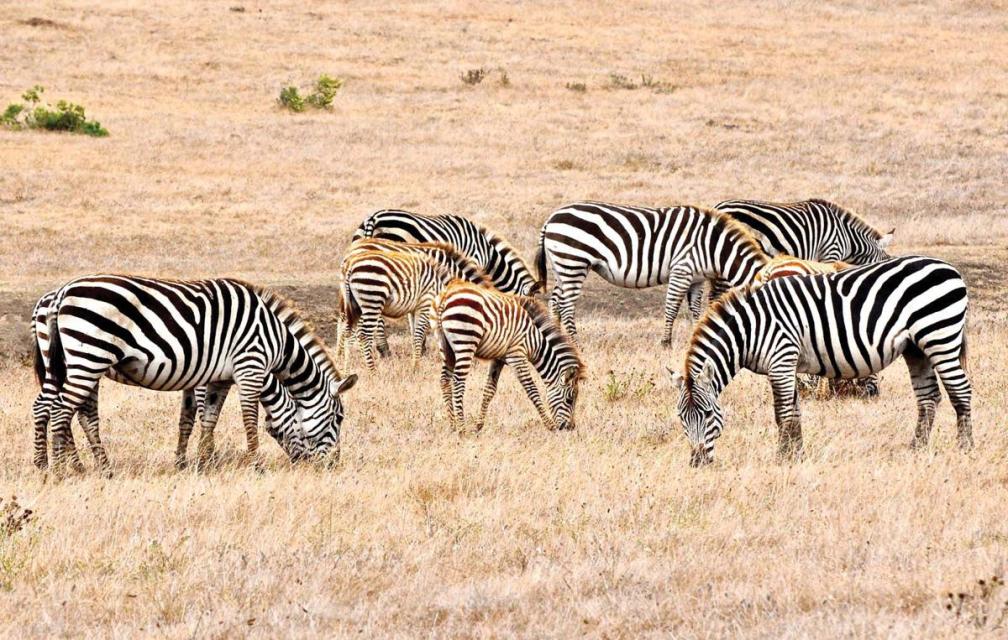
Ants, zebras, monkeys, snakes: each member of a species looks and acts pretty much like all the rest. They can tell one another apart, but we can’t, unless we study them closely. The differences are tiny; the similarities, vast.

The same goes for humans: each one of us is unique, but we’re as alike as snowflakes. No person’s history, character, or appearance is the same as any other’s. These variations are endlessly fascinating. We need them; they are how we tell one another apart. But they form only a tiny fraction of what we really are.

Science tells us that all humans are almost exactly the same. Day to day, we ignore that knowledge, though it explains a great deal.

Why can a good actor portray a wide range of characters? Why, when we go to the movies, does the whole audience agree on who is the good guy and who is the villain? Why do we laugh and gasp in the same places? How can good novelists get us to understand people we’ve never met, and who in fact do not exist?

Because people are pretty much all the same: variations on the theme of being human. Shouldn’t we be talking about this theme and not only its variations?

Our dominant culture emphasizes the individual — one’s career, one’s wealth, one’s behavior — even though these things usually matter only to that individual and perhaps a few relatives and friends. We pay much less attention to our behavior as a species. Yet it’s our bad behavior as a species, not as individuals, that is endangering the future of humanity.

There’s a lot of talk lately about “transhumanism,” the attempt to transcend human limits. I believe that before we can transcend humanism, we must achieve it.

The problems that threaten human survival arise from our refusal to acknowledge our behavior as a species rather than as individuals. The only solutions to them are global — in other words, species-wide.

The internet is revolutionizing global communications, maybe not a moment too soon. Now people can communicate across the world in real time. You don’t have to be rich to do so; all you need is access to an online device. The barriers of personal appearance, location, and circumstance vanish, leaving only your words, and images (mostly) of your choice. Being online is as close to becoming a spirit — transcending material limitations — as we are likely to get.

Of course we use the internet mostly for sex and music. This is typical behavior for our species. Without regulation, we also use it for insulting one another, showing off, lying, and gossiping. Also standard. We form interest groups; we make friends as well as enemies; we come to the aid of people in trouble.

What we don’t do online, at least not yet, is run the planet.

Right now, humanity is poorly organized for survival. So long as we primarily identify as members of subgroups like nations, religions, or ethnicities, we will find it hard to deal with problems that pertain to all those subgroups. Our organizations focus on issues specific to themselves and compete to place those issues above the rest. Even though, as individuals, most of us want to end hunger, war, and environmental devastation, our organizations have different priorities.

We are such a creative, adaptable species that we manage to live in every environment on earth, the deep sea, and outer space. The climate change our bad behavior has engendered is creating a new environment for us all. It’s impossible to predict whether, much less how, we will figure out how to survive this different world. If we survive, the global reach of the internet will have everything to do with it.

One thing is certain. However humanity re-organizes and adapts, everyone alive will be involved: not just the 1% global elite, or the 99% of us who do not have illusions of limitless power, but 100% of us. None of us stands alone. All of us need other people. Our individual lives will end one day. In the meantime, though it seems unlikely, don’t give up hope that humanity itself – our pattern, our theme, our weird and wonderful species  –  will find a way to endure.

Good Guys, Inc.

Why can’t the good guys get our act together? So many people have been working hard on so many good things. But for 50 years, the progressive movement has been split into “special interests” by single-issue organizations. Environmentalists, social change activists, advocates for economic fairness, or for seniors, or children, or other species – all compete against one another for top billing on political agendas, media attention, and funding.

But if we’re going to build a world humans can survive in, we will need to do a wide spectrum of things. We have to stop fracking and using fossil fuels and nonbiodegradable plastic. We have to house the homeless and feed the hungry. We have to share the wealth to create economic justice. We have to educate our children, and protect our seniors. Most of us care about all these issues. Most nonprofit organizations only care about one.

If we support a single-issue group with our time or money, we should pressure it to work in coalition. This won’t be easy. Paid staff at these organizations have built their careers on “their” issue and will be reluctant to put that issue in context. For them, it’s about keeping such power as they have. In this way, we are poorly organized for survival.

That’s why it’s so important for progressives to take over the Democratic Party. That’s the only place where every issue is part of the agenda. The nonprofit sector in the US does a lot of good things, but it’s not only fractured internally, it’s on too small a scale to deal with huge national or international problems. And it is organized according to the whims of donors, i.e. people with money.

If we overcome all the cheating and manage to get Democrats in power again, poor Biden will have to deal with a mess on every level. No matter what we care about most, the Republicans under Trump (and before him too) have screwed it up. Everything we love is in danger.

We can’t keep fighting over which issue is most important. We have to make progress on all of them. Every single-issue organization has gathered data on that issue and knows how to educate people about it. If they work together – if we insist that they work together in order to win our continued support – they can each add a valuable piece to the puzzle of how to create a sustainable world.

Eventually this puzzle has to be worked out by all countries, not just the US. But if the good guys here manage to get it together, the US can once again offer some moral leadership to the rest of the world. This is not up to Biden, or any politician, my friends. It’s up to the American people.

Fear is a good start

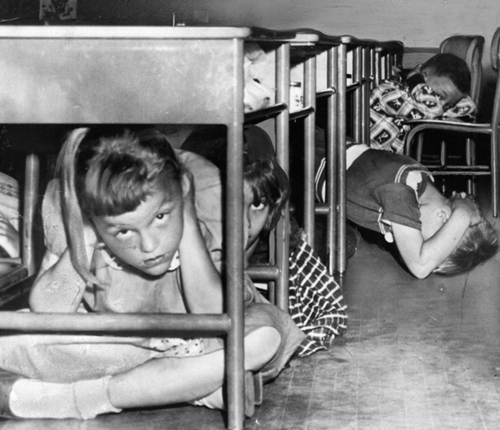
duck and cover

I’ve been scared most of my life: of nuclear war, of hateful prejudice, of environmental destruction. I always wondered why other people weren’t scared too.

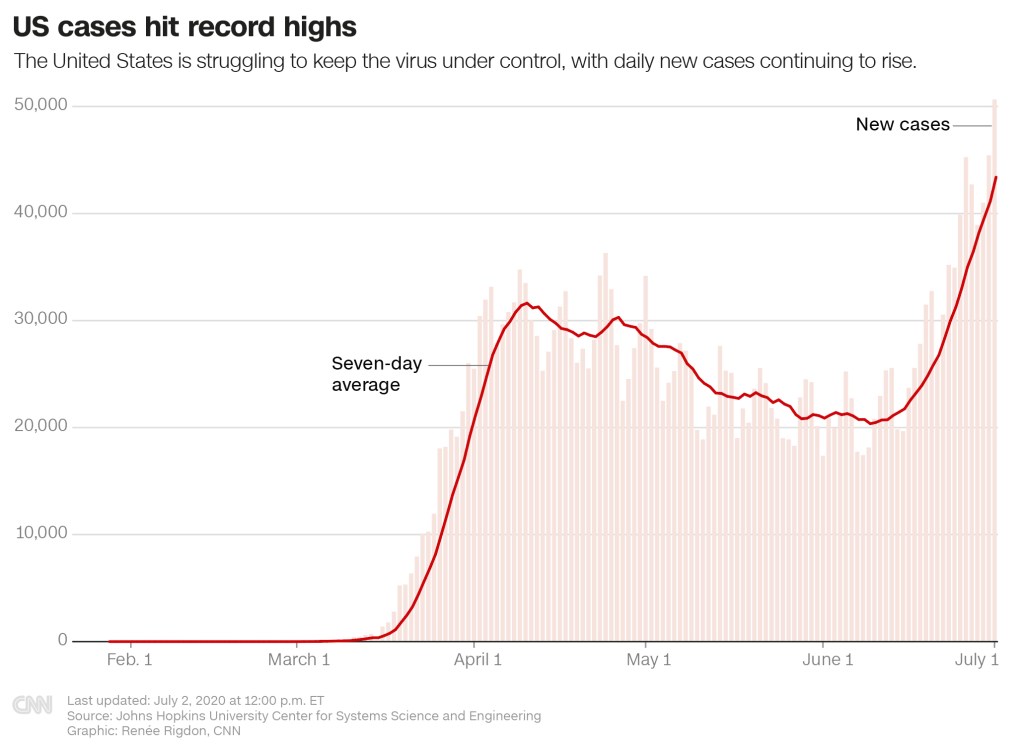
Now that so many more people are afraid — of COVID-19, of poverty, of climate catastrophe — I feel better. At last, we are beginning to face the consequences of the way humanity has behaved. That means there’s a chance we can change our behavior.

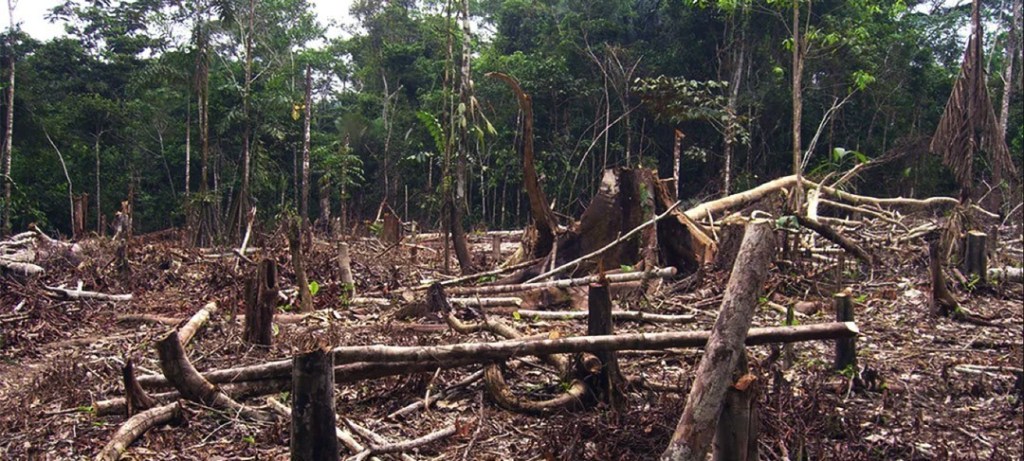
We have based our culture on greed and violence. This is no way to run a planet. We have been cutting down rainforests, the lungs of the earth, so we can have palm oil and hamburgers. Now the earth is heating up so fast, we’re afraid humanity can’t stay alive on it much longer.

The USA is showing the rest of the world what happens when you refuse to acknowledge reality. Trump insists the virus is a hoax, and basic safety measures are an attack on our freedoms. So hundreds of thousands of Americans are dying. Eventually, we will admit the only way to save our people is to wear masks and maintain distance everywhere we go. Meanwhile we will lose far too many. But we will learn.

The USA is also showing the world how to change the culture. Thanks to huge, nonviolent protests, the Black Lives Matter movement has finally made most Americans aware that racism is another deadly virus we all must fight. Black people have moved from fear to anger, from suffering to action. They have educated and mobilized their allies. This is how we make a difference: we do it together.

So do get afraid, my friends. Just don’t stay that way. This is a beautiful world. Humanity is worth saving: people can be awesomely kind and creative. It’s not individuals who are the problem, even Trump; it’s our cruel and selfish culture. Let’s get together and change it.

Saving ourselves

The US is in such terrible shape that lately, I’ve been writing only about this country. American media almost always do that, which helps to keep us ignorant. They give us the news they think we want to hear rather than what we need to know. Right now, we need to know why so many countries are dealing with COVID-19 so much better than we are.

This little blog is not the place to detail ways other nations are bending the curve and saving the lives of their residents. (One good article that does so is at https://time.com/5851633/best-global-responses-covid-19/) The methods vary, from severe lock-downs to widespread contact tracing. The only thing these nations have in common is that their leaders reacted to the virus quickly with action, generous use of public resources, and consistent messaging.

Of course in the US, our leader knew about the virus two months before he did anything at all. Since then, he has called the virus a hoax, refuses to wear a mask, won’t tell people to take simple precautions, cuts ties to scientists, cuts funds for testing, and keeps pushing states to re-open businesses and schools as though the virus has gone away even though he knows it’s spiking. Trump is killing Americans.

One thing we learn from watching other nations, and even from watching the US states that are keeping cases down, is that people can radically change our behavior when we know we must in order to survive. We change our work patterns, our child care arrangements, our social interactions, the way we shop and entertain ourselves. And we can make these changes literally overnight.

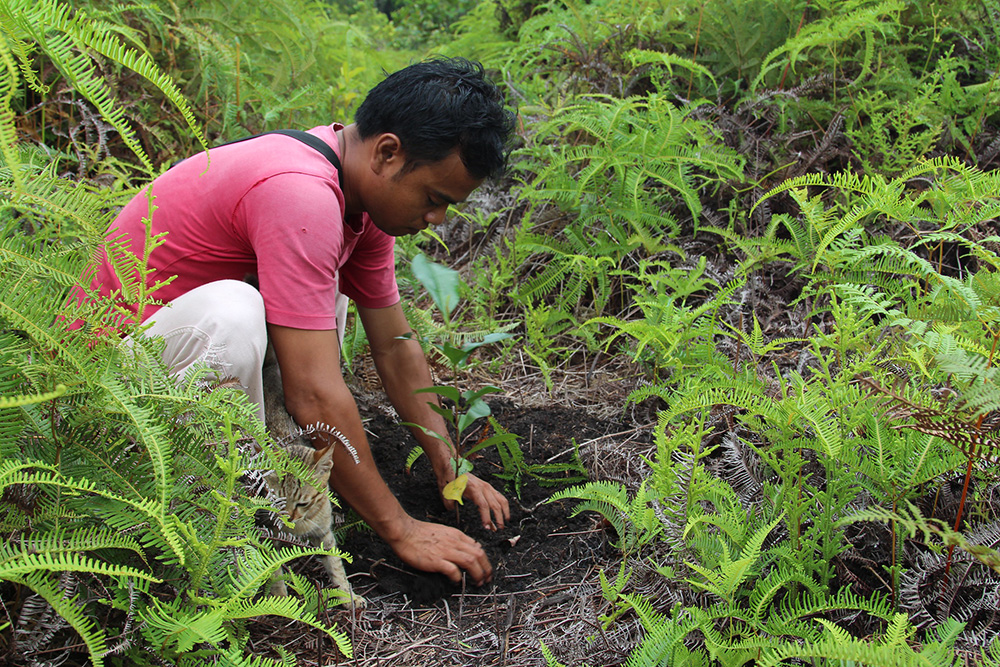
This is good to know. Because we as a species have a lot of changes to make, big changes that have to happen quickly if humanity is to survive. We have to stop using non-biodegradable plastic and fossil fuels, for example. We have to stop cutting down rainforests and start planting billions of trees. Keeping the planet habitable will require people to make much less stuff and use much less energy. This will be hard. But once we know that’s what we have to do, we can do it.

Without sane leadership, Americans are too confused to take effective action. We can begin to change that, this November. Then the real work of saving ourselves must begin.

Dogs and children

Even in the US under Trump, even during a pandemic, life has its joys. Savor them. This is how we survive.

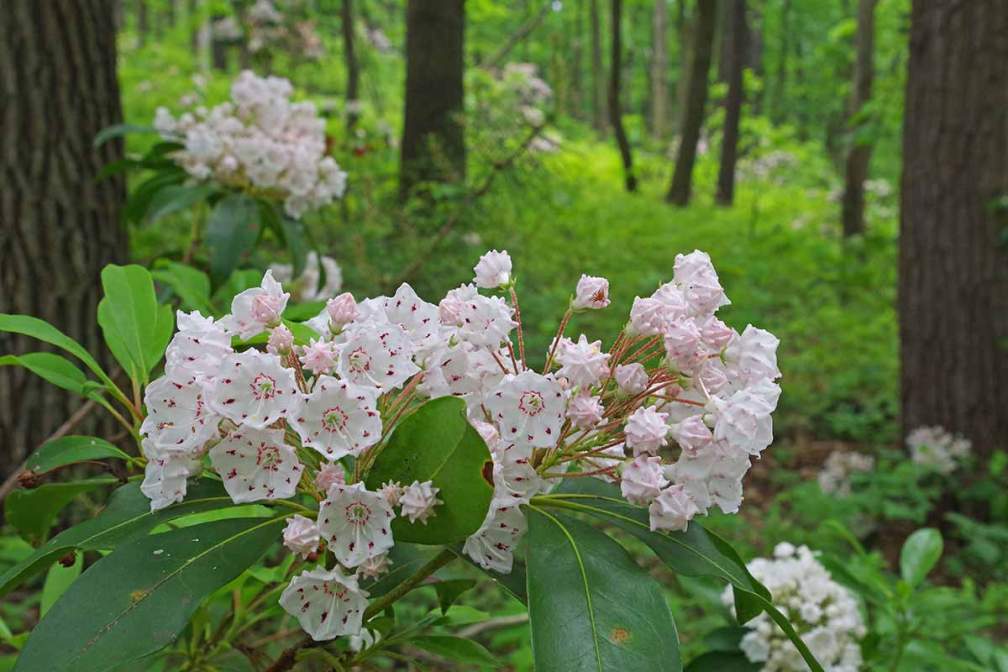
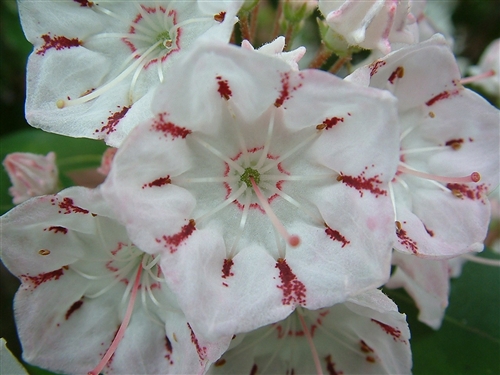
Some flowers seem just one color to a casual glance. If you look closer, you see intricate patterns of tone and shading. William Blake knew all about this:

To see a World in a Grain of Sand
And a Heaven in a Wild Flower 
Hold Infinity in the palm of your hand 
And Eternity in an hour

If you’re lucky enough to be around children these days, savor them. They are exhausting, often annoying, and they too feel the stress of this terrible time. But how beautiful they are! And when they’re happy, how sweet.

If you have a chance to hang out with a child, put your phone down. Drop your agenda. Listen to whatever that child wants to say. Play whatever game they suggest. Focus on this precious moment. You can live in timeless time with that child: “eternity in an hour.”

No wonder so many people want dogs these days. They too live in the eternal present. All animals do, but dogs enjoy us living there with them. This is their great gift to humans, worth all the food and vet visits and poop-scooping. They introduce us to the here and now.

And if you don’t have access to dogs, or children, look for other ways to enter that timeless time. Grow a plant in a window sill. Pick up an instrument. The world is full of beauty, even here. Even now.