Atheist’s Bible: The Meek

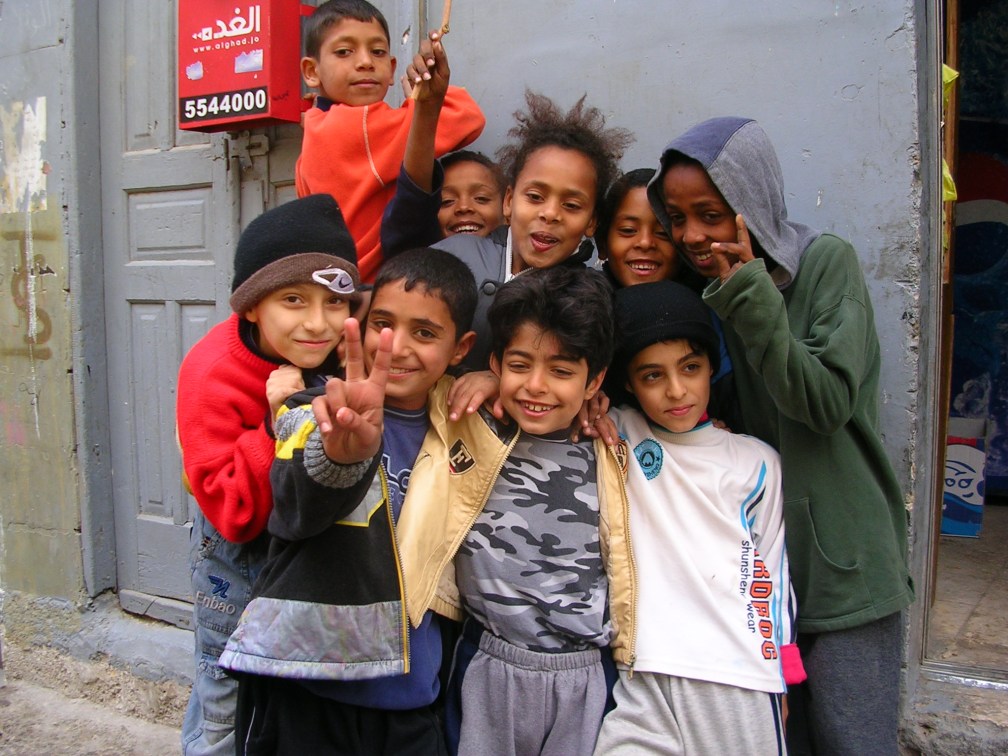
I was raised Jewish. The New Testament was off limits. When I got old enough to question why, I read the books, and became – not a Christian – but a fan of Jesus of Nazareth. He was a radical poet, a superb teacher, a lyrical rabbi. His words, his stories, his metaphors, moved and delighted me in a way that rarely happened when I studied Jewish lore in the Talmud.

What was so dangerous in the teachings of this great rabbi that his work was forbidden to Jews? He taught that the most important thing was to be kind to one another, not to follow the rules. This threatened the fabric of Judaism, knitted from thousands of strands of legal arguments, meant to cover the actions of Jews at all times. If one could put aside these historic threads, one would be, in effect, naked in the world. One would be the agent of one’s own actions rather than limited by the prescriptions and prohibitions of generations of wise men.
If the meek are going to inherit the earth, we should get ourselves organized.

In a system, or an anti-system, like the one Jesus proposed, every individual would be a free actor. Such a person might or might not choose to remain in the community built for protection and survival over the centuries. The rabbis, those living encyclopedias of rules and regulations, would be no more and no less than any other people except as they demonstrated compassion towards others, non-Jews as well as Jews. All would be equal in the sight of God.

What Jesus represented was a threat to the powers that be. In his day, those were the Sanhedrin, the council of rabbis, as well as the occupying army of the Romans. In the centuries to come, they were the Church, and the priests who claimed its power for themselves, as well as nation-states. He taught that souls were equal, even the souls of small children, and of women. What glory they could claim belonged to themselves alone, for their acts of kindness, and not for their service to organized religion. To counter such egalitarianism, the Church turned the words of Jesus into mysteries that could only be safely plumbed by priests, intermediaries trained by the Church. Ordinary people could not be trusted with the Word.

Jesus trusted ordinary people. He could have remained among the rabbis, a precocious scholar, rising to be powerful and important among the established leaders of his faith. Instead he hung out with prostitutes, drinkers, and gamblers, not to mention fishermen. He believed in the meek, the gentle, the powerless. He threatened the idea of corporal power itself. If you knew that all you needed to satisfy the only true Power in the universe was compassion, you would be less likely to submit to those who rule through fear. You would be free.

Nobody who has risen through a hierarchy of power likes people to be free. What would happen if the masses of people, the lowly ones, the meek, began to see themselves as equal to those who rule them? Every person who has fought for and gained power in an organization would feel a disturbance, shall we say, in the force. The few who use force would have to recognize the overwhelming numbers of the gentle. Such a change in public consciousness would shake not only religions but nations.

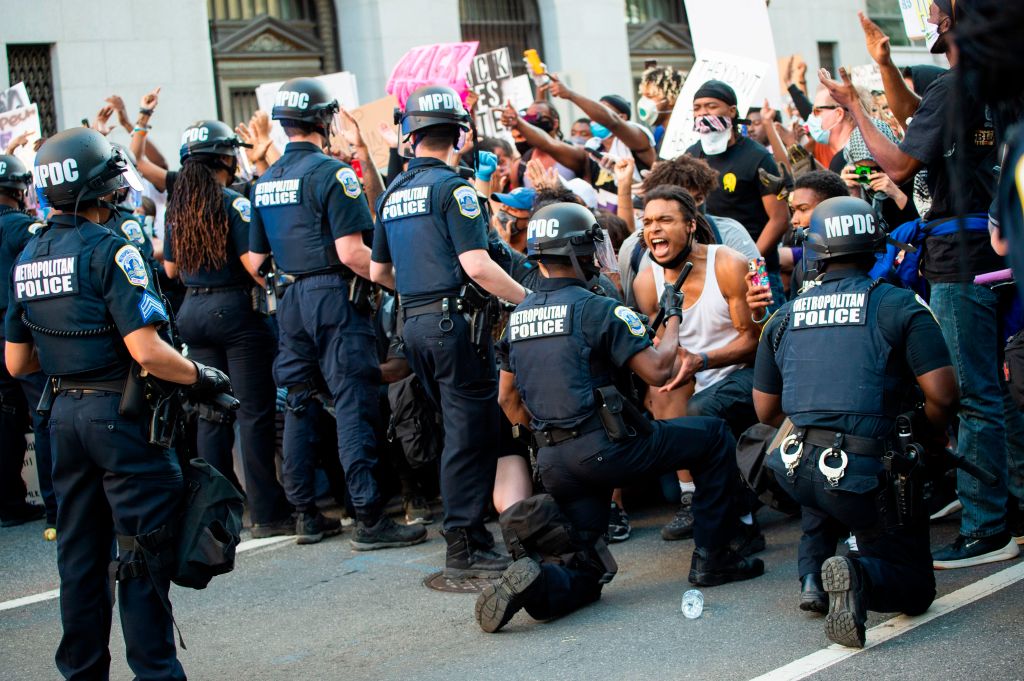
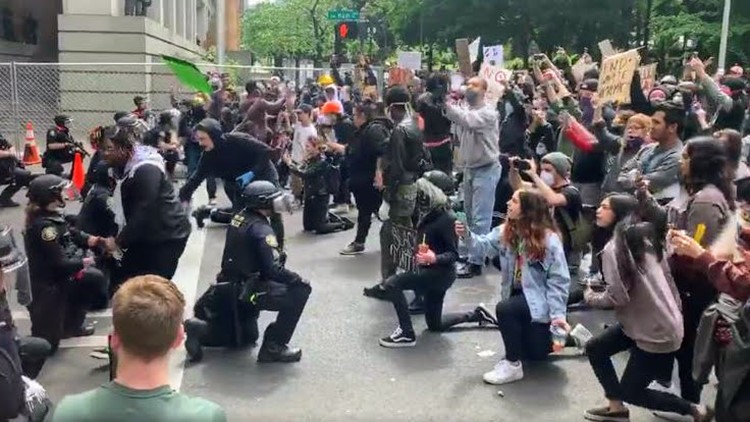
The rabbis knew Jesus was a threat. All hierarchical organizations know that he remains a threat. He didn’t believe in top-down power. He tried to awaken power in the grassroots, from the bottom up. He believed in people; he exalted the meek. What he preached was neither obedience nor resistance, but solidarity, the most revolutionary concept in a world designed to keep the meek under the knee of the powerful.
After Trump

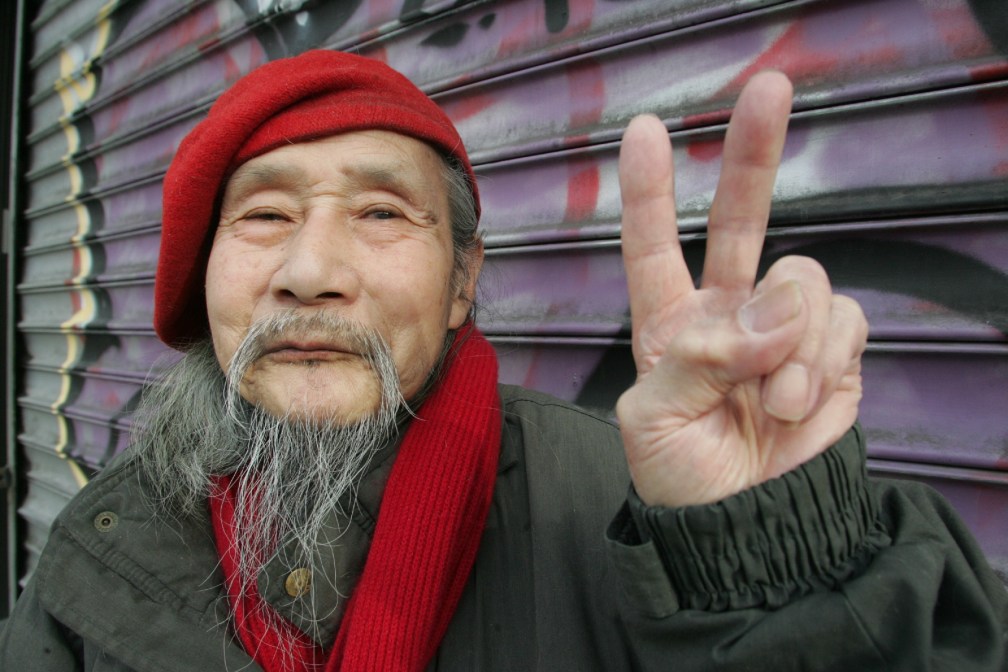
When America defeated Trump, the whole world danced in the streets. We have faced fresh horror every day for four nightmarish years. All we got from the leader of the free world was lies, contempt, indifference to suffering, incitement to violence, and a quick descent into fascism. That’s almost over. Even though the plague Trump ignored rages more fiercely than ever, Americans deserve to celebrate for bringing him down.

So now what? Two more months of Trump doing as much harm as he can. Local stop-gap measures until national leadership can bring the virus to heel. Coming up on January 5th, there will be a crucial run-off election for two Georgia Senate seats. If Democrats lose even one of those seats, Senate leader Mitch McConnell will continue to block any help for increasingly desperate Americans and small businesses. McConnell could stop Biden from accomplishing much of anything at all.
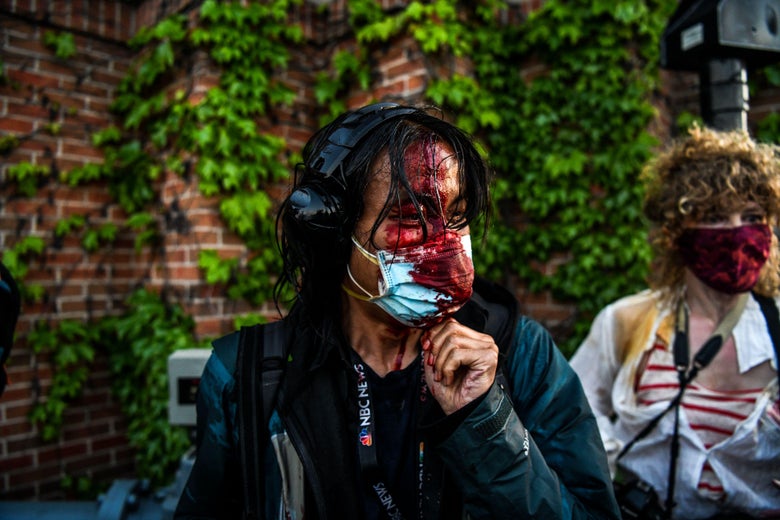
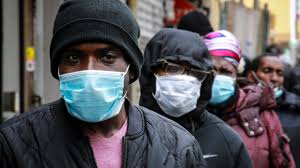
But what has already changed is the mood. Trump made people despair. Now we feel like humanity might yet manage to survive. We know, however, that can only happen if we change the way we live, fast. Masks, distancing, and temporary shut-downs are part of our new way of life, maybe for a couple more years. The more basic change involves American consumerism.

The same capitalist system that produced Trump as its avatar has convinced us that we need new stuff all the time. That stuff requires energy to make and distribute. Burning fossil fuels to get that energy is broiling the whole planet on our watch. No alternate energy system can keep up with us if we don’t stop consuming at our present rate.

The current global economy assumes infinite growth, which is not health; it is cancer. Greed isn’t going anywhere. But basing our whole civilization on greed is killing us. We need to turn toward sharing instead of accumulating, toward healing instead of destroying, toward compassion instead of selfishness, toward making do with what we have instead of making more.

Such a turn depends on a change in our culture that no government can bring about by itself. Culture is formed by a billion choices made by individuals: what we watch, what we say, and what we buy. Already social media make clear that our attention – which can focus on only one thing at a time – is our most valuable asset. Let’s use this time of new hope to focus on things that nourish and heal us. Let’s make kindness fashionable.

Change isn’t up to Biden. It’s up to us.

The next crisis

First the US gets three years of Trump ruining everything he touches. Then COVID-19 races through the US while Trump calls it a hoax. States step in to slow the virus; people begin to stay home or wear a mask; Trump pressures Americans to go back to “normal.” People return to work and leave their masks at home or around their necks. The virus spikes again.

An estimated one-quarter to one-half of the American workforce is still unemployed. Millions have lost so much income that even if they’re back at work, they can’t pay the rent. Eviction moratoriums are expiring, which means people are going to get kicked out of their housing. States have little money to help. The Republican Senate is stopping all federal assistance pushed by the Democratic House. Enhanced unemployment checks, which have helped so many survive until now, stop at the end of July.

The USA is about to experience levels of hunger and homelessness not seen in nearly a century. Our president only cares about the kind of people who own several houses and have never missed a meal. Trump might help ordinary people if he thinks he has to do it to win re-election. But who knows what goes on in that big empty head? Whatever nonsense Fox talk-show hosts spouted this morning, that’s what he thinks.

Homelessness became an epidemic in the US when Reagan slashed federal housing programs in 1981. For the first time, we had veterans, newly jobless workers, and families with children living in the streets. Nothing significant has been done since then by either party to help Americans afford housing. Now things will be much worse.

We must elect Democrats this fall. But that’s just a start. So much harm has been done to ordinary American families over the last 40 years that we need to make big changes, not take baby steps. Health care is a human right. Shelter is a human right. All children deserve adult attention and education. If we believe these things, we have a lot of work to do. Once we get a new administration, we must push them hard to the left. The federal government has to stop spending half our money on the military, yank the other half back out of the hands of the billionaires, and instead fund housing, health, and education.

Americans have finally hit the streets in protest. I’m afraid we’ll have to stay there for a while longer.

America: love it or hate it

I love America because people are here from everywhere. First generation keeps the old languages and customs; second generation is just American kids who drive the old folks crazy. Doesn’t matter where you came from. If you’re here, this is where you belong. Our immigrant and refugee policies are terrible (file under reasons to hate America) but our immigrants and refugees enrich our lives in so many ways: food, music, expanding dialogues, businesses, interesting neighborhoods.

I hate America because racism, xenophobia (fear of strangers), and misogyny (fear of women) are so deeply embedded in our culture. Too many of us have accepted them as though there was nothing we could do about them. I hate America because we take democracy for granted and 40% of us don’t bother to vote. I hate America because we’ve been bullying the whole world, bragging about torturing people, terrifying the Middle East with our armed drones. And refusing to acknowledge climate change even after New Orleans and the wildfires in California. Not to mention keeping the pandemic going, all by ourselves if we have to, because…freedom?

I love America because of our ideals of equality before the law, free speech, and human rights. I hate America’s failure to live up to them. I love that so many of us are trying to finally make democracy real.

Moving our money

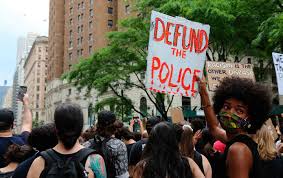
“Defunding the police” means moving money within city and state budgets. The idea is to take money out of policing and spend it on services like mental and physical health care, education, and affordable housing instead. “Defunding” assumes that meeting people’s needs will prevent many problems caused by desperate people doing desperate things. Happier, healthier, more stable households would mean less work for police. Police unions will fight this move, of course, but it’s long overdue.

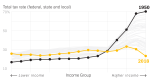
The trend over the 40 years since the election of President Reagan has been to take money from the poor and give it to the rich. The poor lose services; the rich get tax cuts. The first type of service to go is always oversight and monitoring. That way, when budgets get cut, there is no one to tell us what suffering is the result.

In this 40-year history of public service funding being transferred to private wealth, Republicans reliably make things worse. Democrats have only slowed the trend at times, and never managed to turn it around. Their rich donors made sure of that.

If a lot of public money really is moved to services the public needs, we’ll have to make sure those services don’t get cut back again. In 1980, the last year of his term, President Carter tried to defund psychiatric institutions, where too many people had been imprisoned, often in terrible conditions. Carter intended to build community mental health centers to take the place of the old system. However, as soon as Reagan got elected, he stopped funding community MH care. The old institutions closed; new ones never opened. Poor people with serious mental illness were left with no place to go but the street or the jail cell.

Everything our government spends is our own money. Now Trump’s head of the Treasury, Steven Mnuchin, says that it is none of taxpayers’ business where he has spent half a trillion dollars. That 500 billion was supposed to help small businesses survive after Trump’s two-month denial of the crisis made a lock-down necessary. US taxpayers have bailed out the airline industry, the fossil fuel industry, big banks, and financial services companies. When will we bail out ordinary people? Not until we elect a new president. And even then, not unless we insist.

What we can change

BLM London (Photo by Hollie Adams/Getty Images)

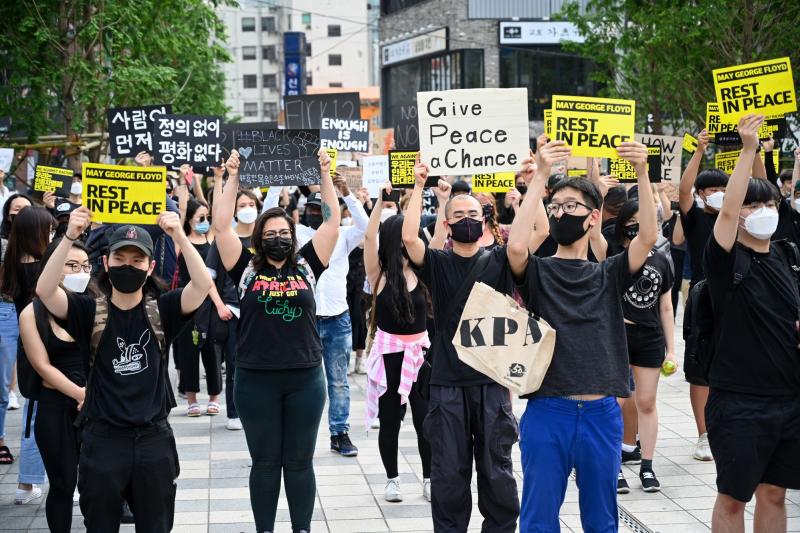
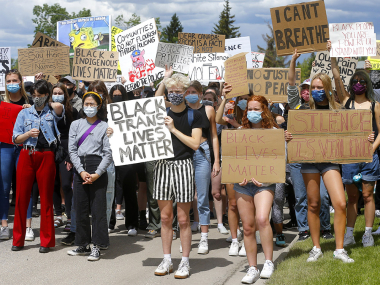
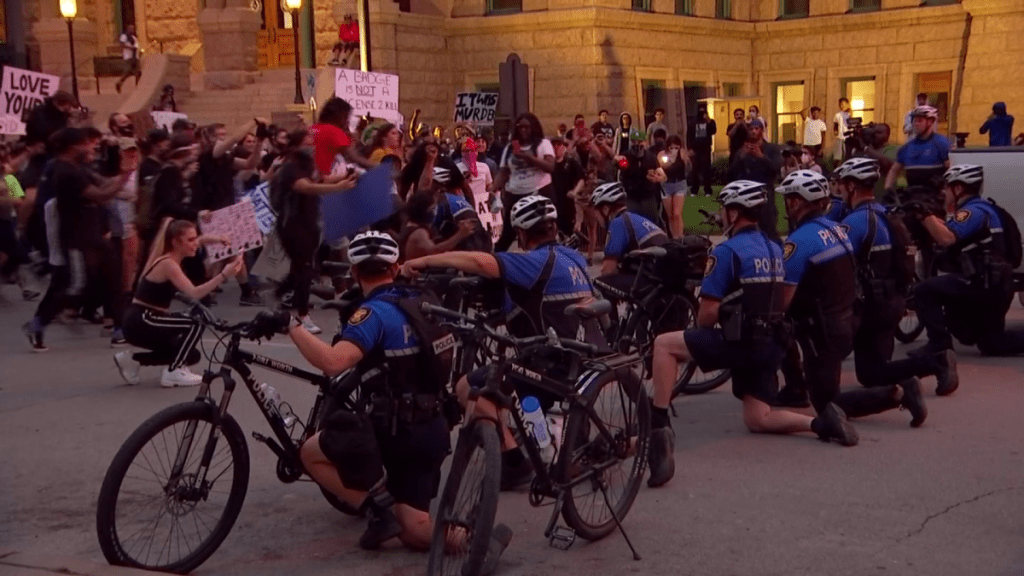
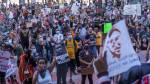
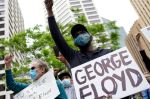
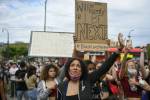
It took a pandemic infecting black Americans at three times the rate of whites, huge unemployment — also much worse for black people than for white, and one too many videos of police killing an unarmed black man, to get Americans to hit the streets at last. Black people led the way, but thanks to other people of good will, they are not alone on the street, or in this country.

BLM Berlin

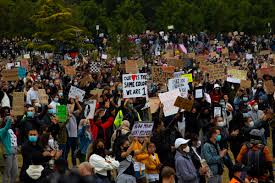
People around the world are responding to the rallying cry of Black Lives Matter. Everyone is panicked by the COVID-19 crisis; everyone is terrified of the climate change crisis, which will only get worse while our attention is elsewhere; but the brutality of American racism is now something that humanity feels Americans can do something about.

Polls show that two-thirds of Americans support the BLM protests. How did that happen? It’s not like racism has been hard to see. If we needed video proof of police violence, we’ve had plenty for years. It’s been too easy for government and white people to ignore this disaster, which has devastated black Americans since they were dragged to this country in chains 400 years ago. Public attention was scattered around the minutiae of everyday life, until everyday life ground to a halt under quarantine. These days, it’s almost a relief to think about something besides COVID-19.

Durham, North Carolina

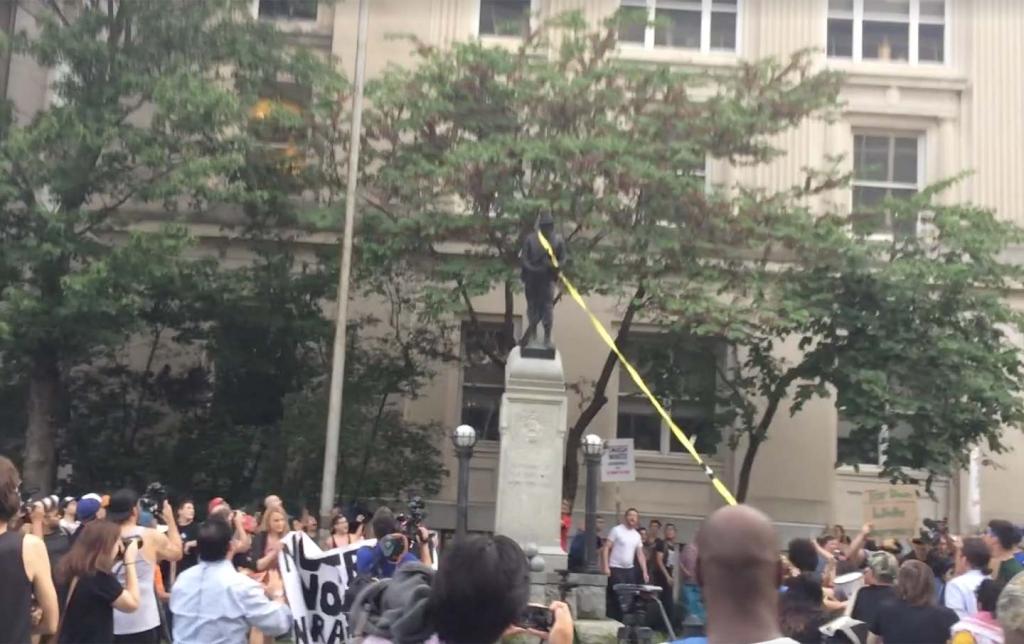
We are starting to make changes that we should have made 50 years ago. So far, most are symbolic. Confederate flags and statues are coming down. Institutions that maintain the power of the old slave states will be harder to pull down, like the Senate and the Electoral College, not to mention the whole system of policing and mass incarceration.

Without justice, democracy is just a farce, not a fact. America built its wealth on the forced, unpaid labor of black people. We have never given them anything in return for what we stole. In November, this country gets a chance to begin to do better. We have to try. The whole world is watching.

These clips

I’m posting two clips from Youtube that sum up the moment we’re in and how we got here. I have nothing to add, except my heartfelt hope that this all leads to changes black Americans have needed for a long time. The videos of horrific police violence, the personal stories of suffering from police racism and the racism so common in our society: these are reaching hearts and minds. Ultimately, such attitude shifts within individuals form the change in public consciousness that is the only thing that has ever taken us in the direction we have to go. People are fighting for a future where we can all survive and thrive. Let us support them in any way we can. Black lives matter.

Asleep at the Wheel

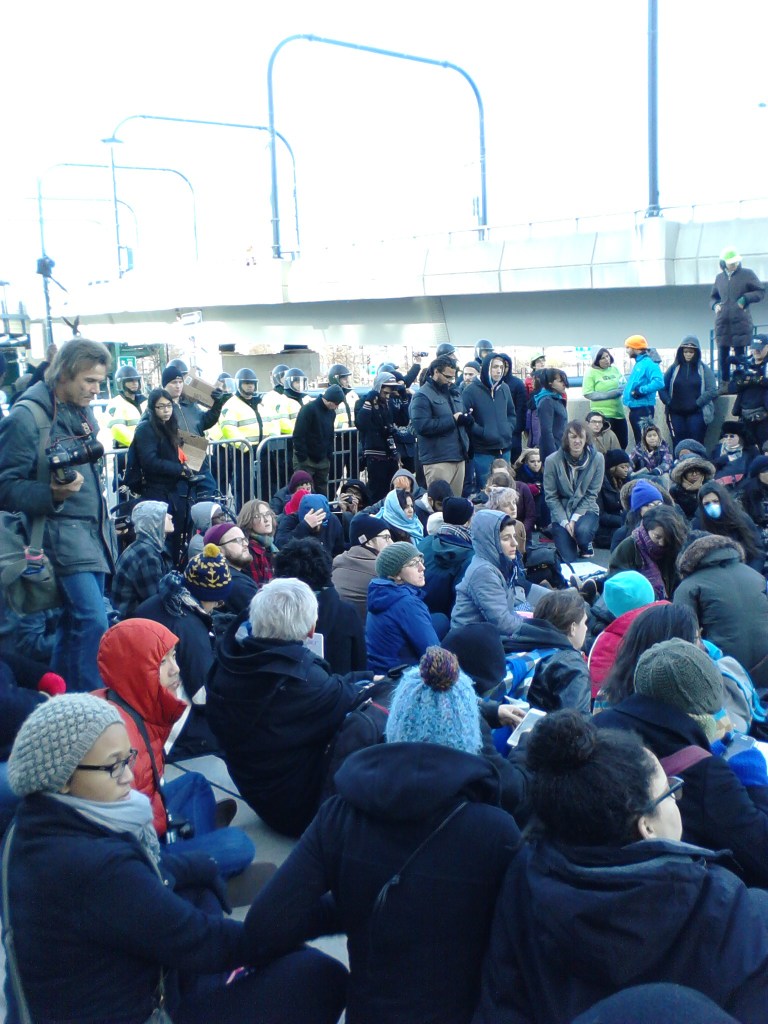
BLM 2014

I’ve been going to protests for 50 years. I’ve protested racism, sexism, homophobia, book burning, environmental devastation, income inequality, US treatment of immigrants and refugees, and three wars. I’ve marched with Black Lives Matter since 2014. Not since the late 1960s have I felt as much hope for real, lasting change as I do now.

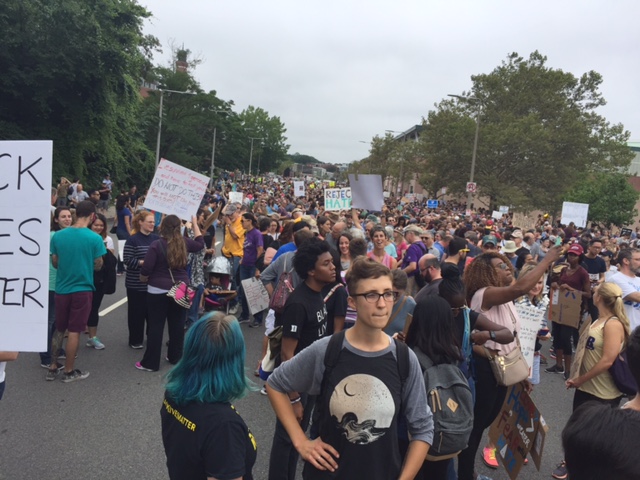
BLM 2017

The more brutally the police respond to protests against police brutality toward black people, the more they show the world the protesters are right. Racism is everywhere. The US was built on slavery and genocide. White people continue to reap the benefits of all that unpaid labor and stolen land. People of color continue to suffer without any compensation for their terrible losses.

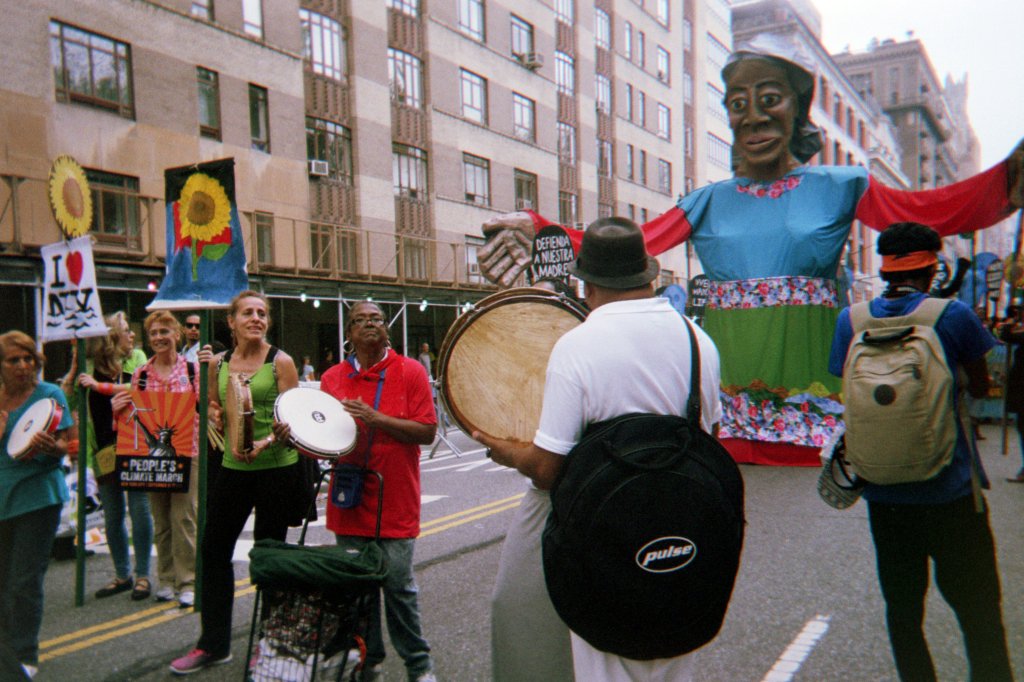
Climate Change March NYC 2014

Black people led the way in the 1960s as they are leading now. The civil rights movement showed America how you make real change. You hit the streets with as many people as you can, raise your voices together, resist violence, and don’t stop until you get what you need. Not just civil rights laws but the anti-Vietnam War, women’s liberation, gay rights, and environmental movements were the result.

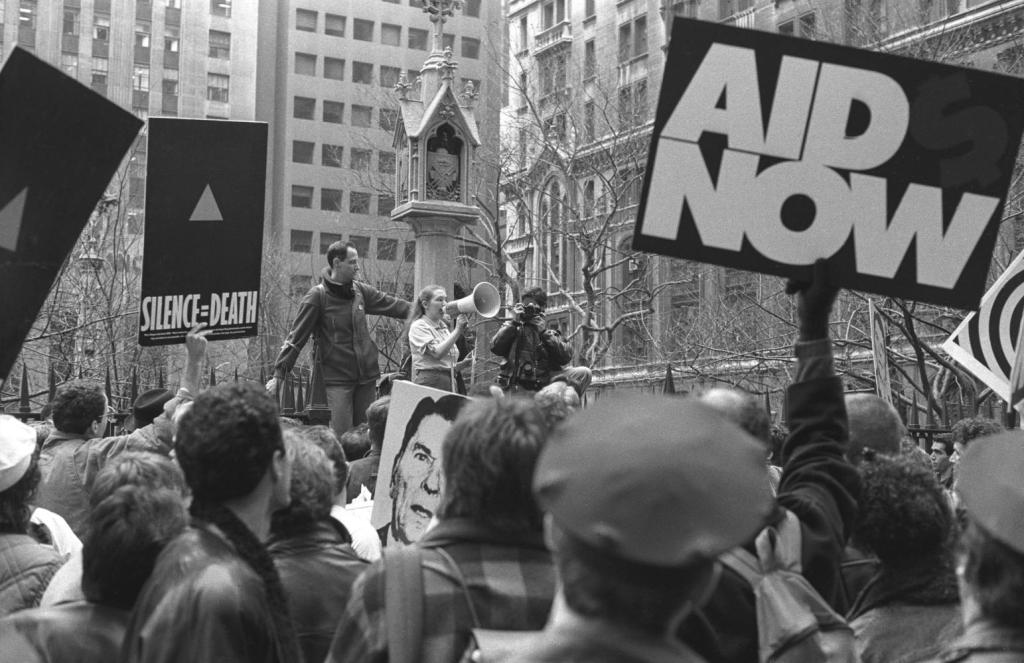
ACT UP in NYC 1987

For a few years, it seemed that America was waking up. Laws were passed. Attitudes shifted. Then Reagan came along in 1980, and progress stopped. AIDS activists, their horror and rage burning brightly in a dark time, eventually forced America to take another few steps forward on gender issues. Regarding poverty, war, racism, and the environment, Reagan pushed us backward. Since then: no progress to speak of.

For the past 40 years, almost half of the US population has behaved as though our federal government is not our concern. This is supposed to be a democracy; the people are supposed to be driving this car. Instead, we’ve been asleep at the wheel. If we don’t take control, rich white men do all the steering. The pandemic demonstrates that they don’t know where the hell they’re going, except toward human extinction. The people in the streets today are struggling to steer us in a different direction. The odds are long as always. But maybe this time, America will wake up — and STAY woke.

Racism & White Guilt

More than 10,000 people have been arrested across the US for protesting the police murder of George Floyd, and so many others. While Trump is in charge, protesters can expect maximum punishment for the crime of free speech.

No matter what else results from these protests, they have achieved one huge thing. They have made millions of white people feel guilty. It’s about time.

Since the massive civil rights demonstrations in the 1960s resulted in laws that stopped legal discrimination against black people, this nation has done nothing to make their lives any better. That’s more than 50 years of things just getting worse.

Even liberal administrations have pressed that boot down on black people’s necks. Bill Clinton, who supposedly loved black culture, passed a terrible crime bill and a terrible welfare bill that caused a spike in mass incarceration and hopeless poverty. Black communities suffered most.

Police have terrified, threatened, humiliated, tortured, and killed black people. Their power to do these things makes police racism especially destructive. But police are racist because our whole society is racist. White privilege has been a given for centuries. Ask Native Americans.

The first thing white people have to do is recognize how much damage our culture has done to people of color. This should be easy. Black people are telling us. They have been telling us right along. We just haven’t been listening.

Signs of Hope

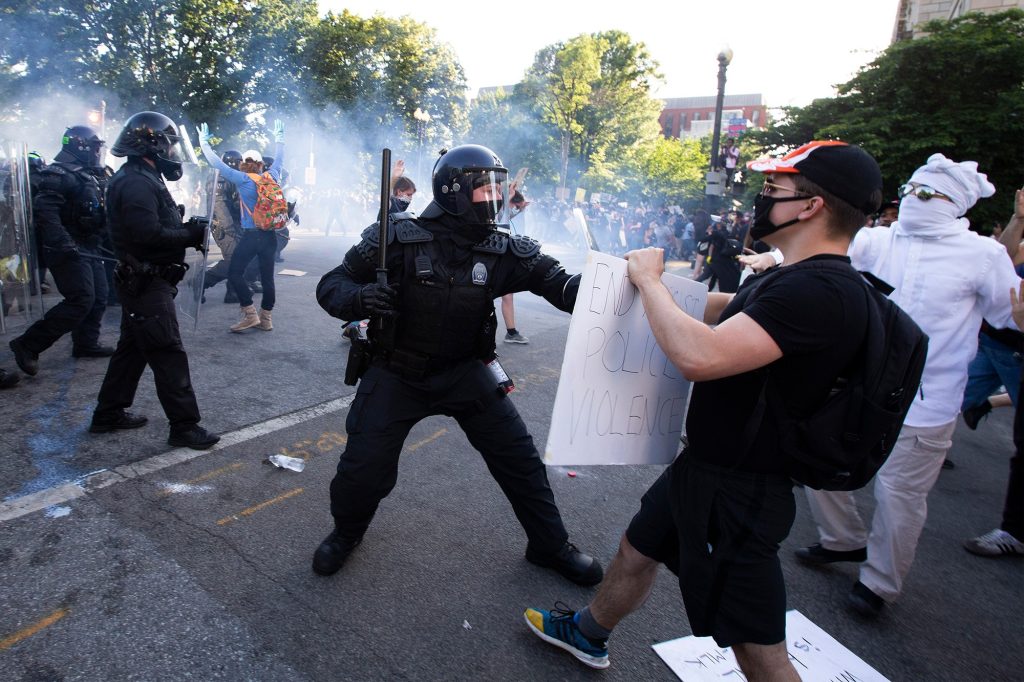
Police use tear gas on DC protesters

We have many reasons to despair. Trump threatens to turn the US military against our own people. He urges state governors to “dominate” the protests, encouraging police to use tear gas and rubber bullets on angry crowds instead of trying to calm them down. COVID-19 is still roaring through the country, with the black death rate twice that of whites. Now one-quarter of workers are out of a job, and desperation is surging in all communities but the richest. And police murders of unarmed black people continue, without meaningful consequence. The US has done nothing in decades to fight structural racism.

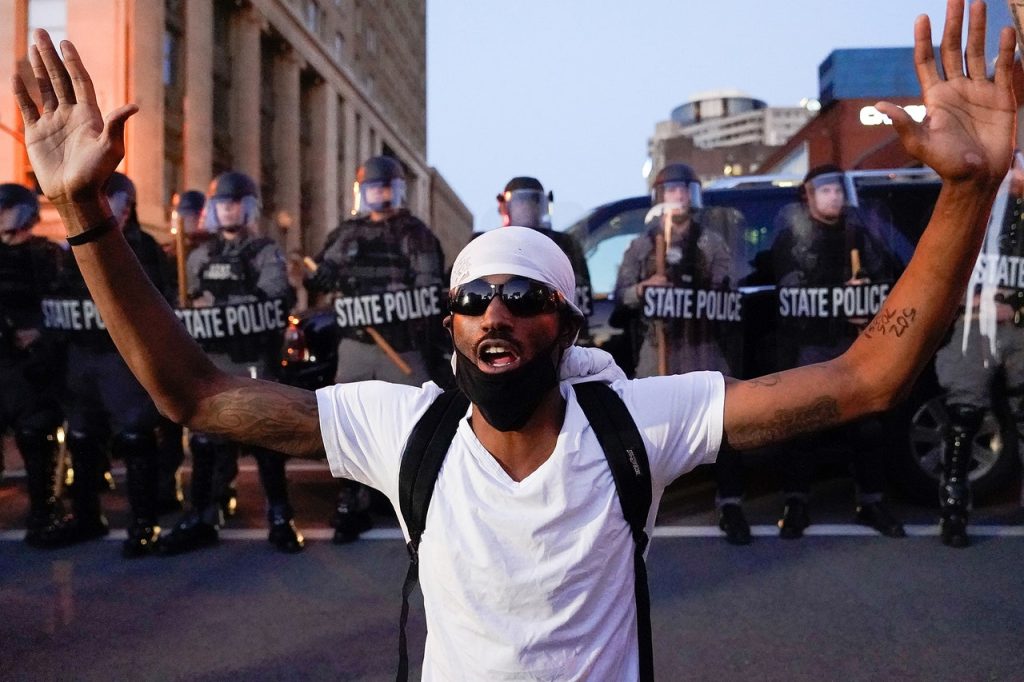
Louisville KY protester urges nonviolence

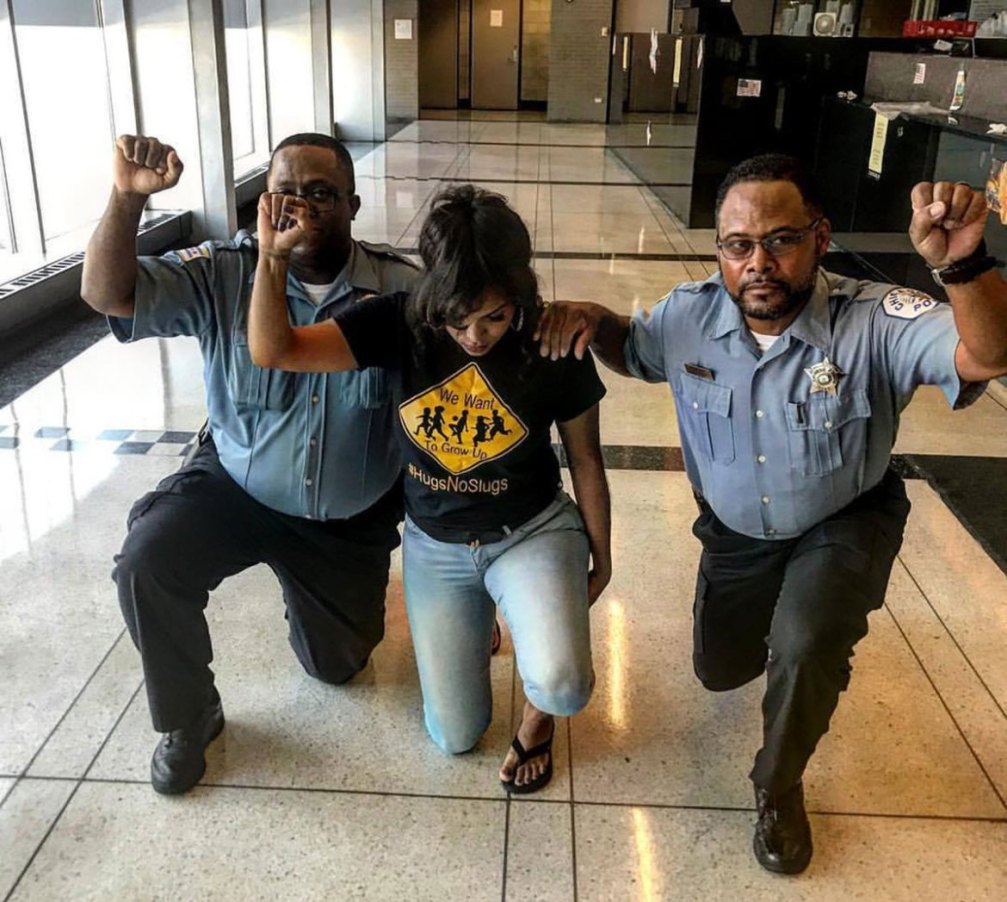
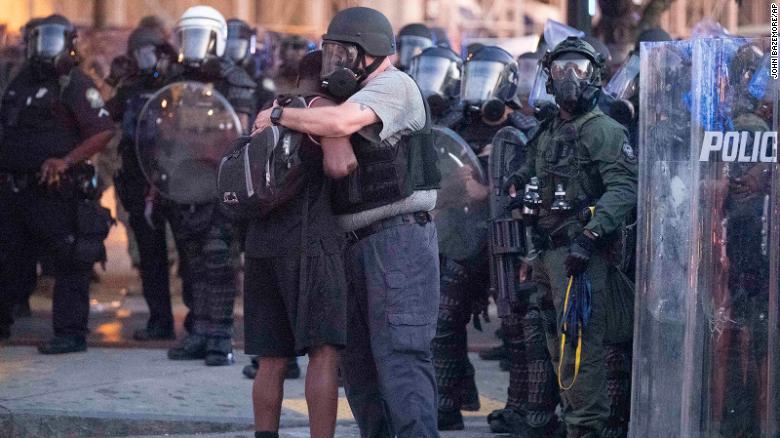
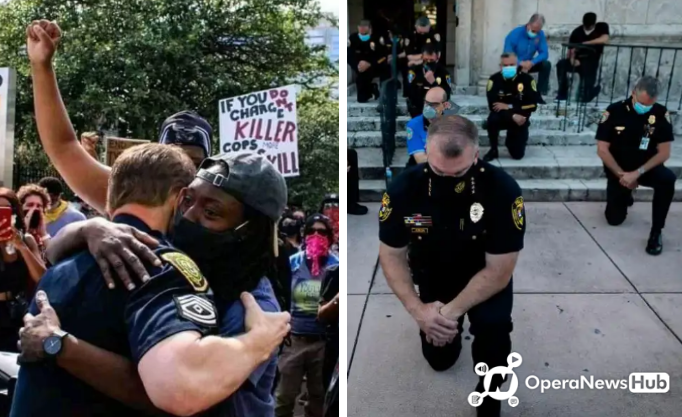
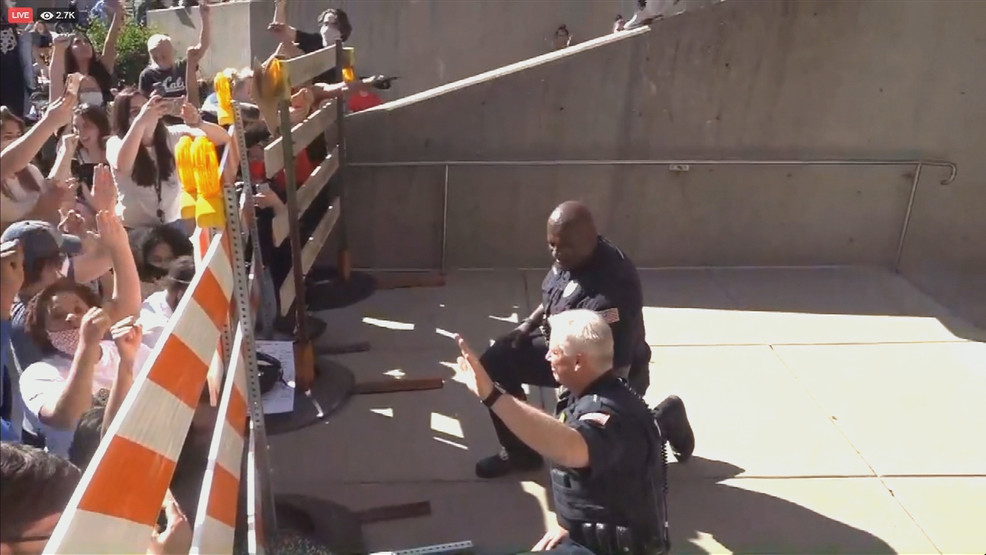
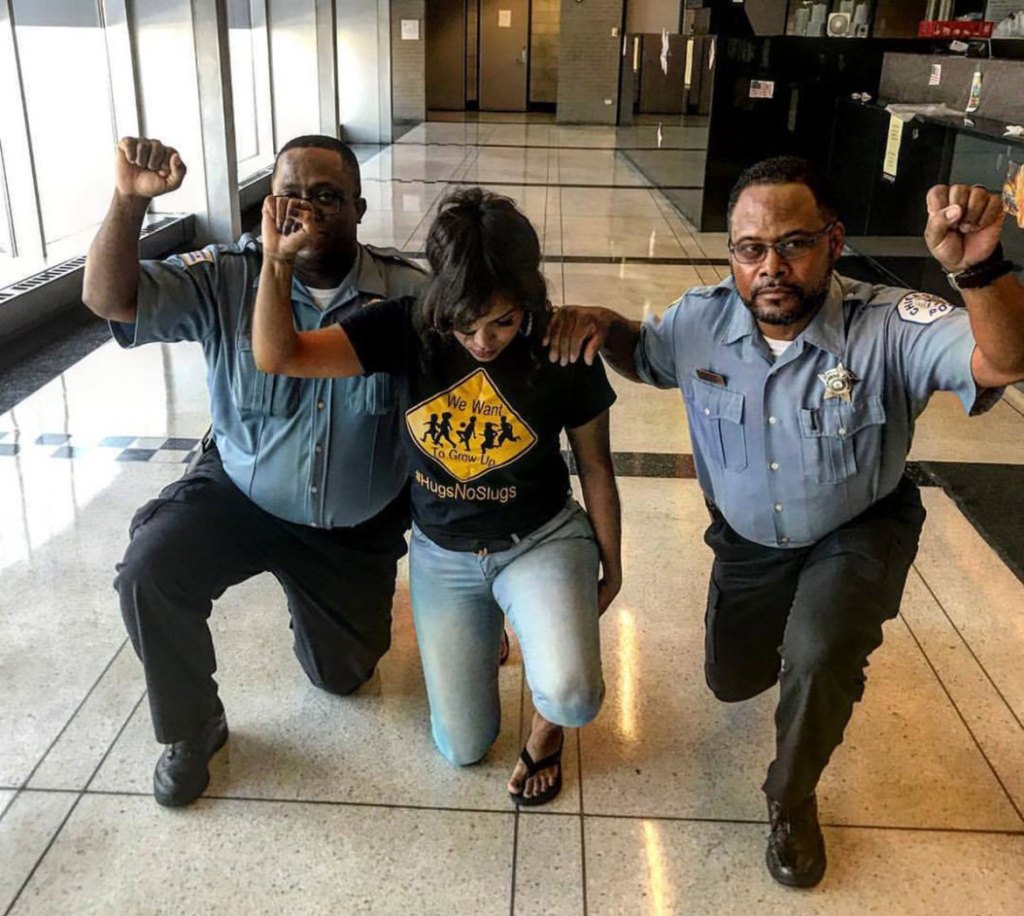
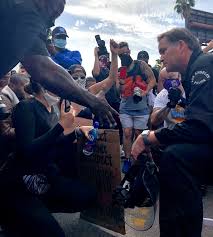
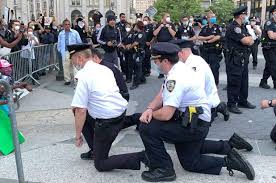
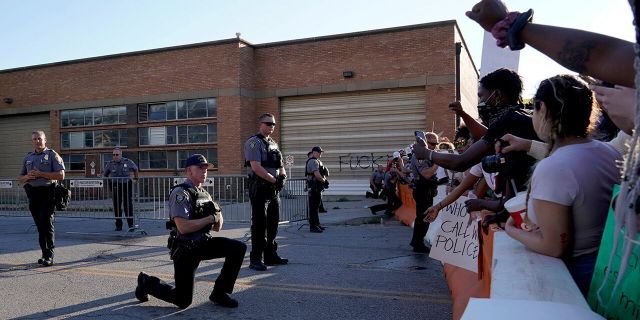
Reasons to hope are not so easy to see, but important to recognize. Unlike the protests in the ’60s, crowds are diverse in age, gender, and color. Unlike the police of that era, some — not enough, but some — police understand and support the protests. At the bottom of this piece, you’ll find heartening examples.

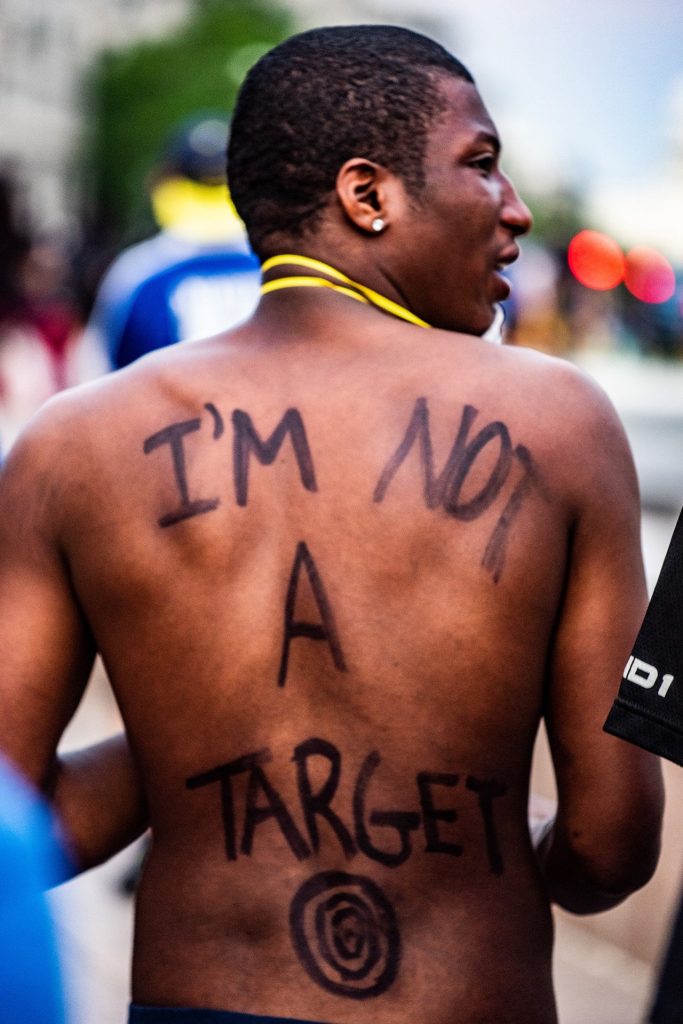
On point in DC

It is perfectly clear what changes this country has to make. We have to toss all the Republicans out of office, not just Trump. Almost without exception, they ignore the terrible harm he does in return for low tax rates for the rich. Once they’re gone, we must take money out of the biggest military budget on earth and put it into public education, affordable housing, health care for all, and fighting climate change. We can never heal all the damage done by slavery and the centuries of racism that followed. But we can make it easier for black communities to build housing, businesses, and healthy environments. We can legislate deep changes in the ways police interact with black people, through hiring, training, practices, and communication with the people they’re supposed to serve and protect.

We can end bail. We can end mass incarceration. We can release nonviolent offenders. We can build services to help former prisoners return to their lives. And we can fund reparations. Capitalism only works if you have capital. Never in the history of black people in America have they had the kind of access to capital white people have. We can change that, if we will.

The protests are making many more people aware that racism is at least as active, widespread, and deadly as the corona virus. The protesters are telling us that we must fight racism the way we fought the Nazis in World War II: with all our resources, all our people, and all our hearts.

Don’t just fight. Win.

“Don’t be too nice”

The rebellion now taking place in many American cities has been building for a long time. Trump made it inevitable. Remember when he encouraged police not to “be too nice” when putting “thugs into the back of a paddy wagon” in 2017? He told them not to keep suspects from getting hurt by helping them duck as they enter the cop car: “You could take the hand away.” This is only one of many times Trump has incited police violence. He goads his followers to injure protesters and members of the press. His racism is beyond question.

Then the pandemic increased the pressure on everybody, but especially on black communities. Not only are people of color disproportionately in front-line positions, from hospitals to grocery stores, but services in their neighborhoods have been cut, and cut, and cut, so they don’t have the resources they need to stay safe. Housing is overcrowded. Community health centers have disappeared. Food deserts in cities mean they spend more money for worse diets. Their air is polluted, their water is toxic, public transportation won’t get them to where jobs are…The list of injustices is too long for this blog.

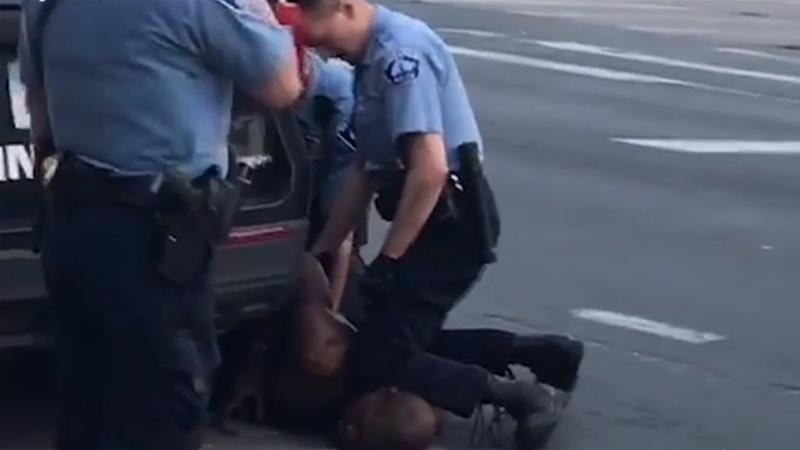
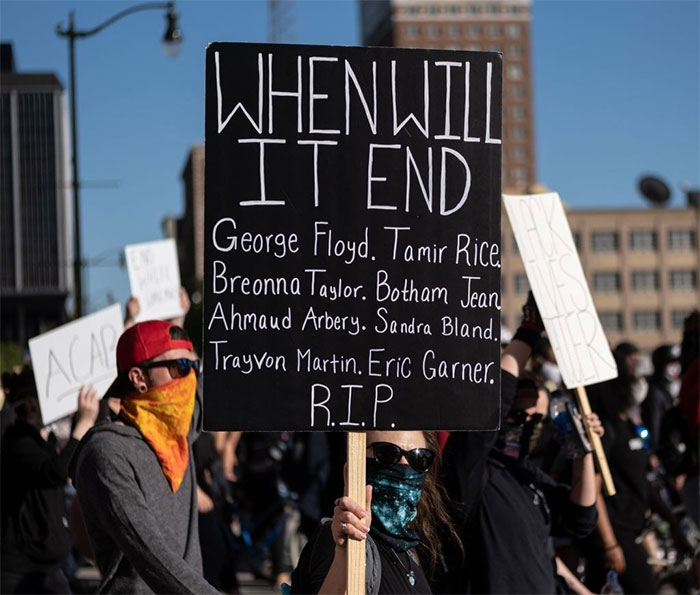
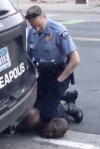
Over the past few weeks, on top of a tremendous death rate from COVID-19, on top of people’s desperation from their money running out with no help in sight, on top of endless stories about white police murdering unarmed black people, some especially shocking videos have emerged. One is of two white men chasing down and killing Ahmaud Arbery for jogging while black. One is of a white woman, Amy Cooper, calling the cops to report a black man was threatening her life, when he was just asking her politely to put her dog on a leash as the park required. And then, the last straw, the one of George Floyd getting strangled to death while in handcuffs by a white cop kneeling on his neck. In none of these incidents has justice been done.

Peaceful protests get ignored. Even if hundreds of thousands hit the streets, the media generally pay no attention unless things turn violent. The movement for justice has many voices but no single leader, so media usually interview some random bystander instead of just reading the damn signs. It’s a terrible truth that a city has to burn before our society really takes notice.

And what kind of action will result? Nothing good under Trump, we can be sure. He would love a race war. He could impose martial law and cancel the election he suspects he will lose. Cities burning distract people from his constant mistakes, provocations, and lies.

The violence against black people has been ongoing and remorseless. Black people can’t stop racism on their own, even with all their intelligence, persistence, and courage. White people have to show up for the rebellion. This is not only a fight for racial justice. It’s a fight for the rights of all of us to be equal under the law, no matter our ethnicity or gender or class, no matter where we live or how much money we have. It’s a fight for the soul of America. No one group can do it alone. We must stand together if we’re going to win.

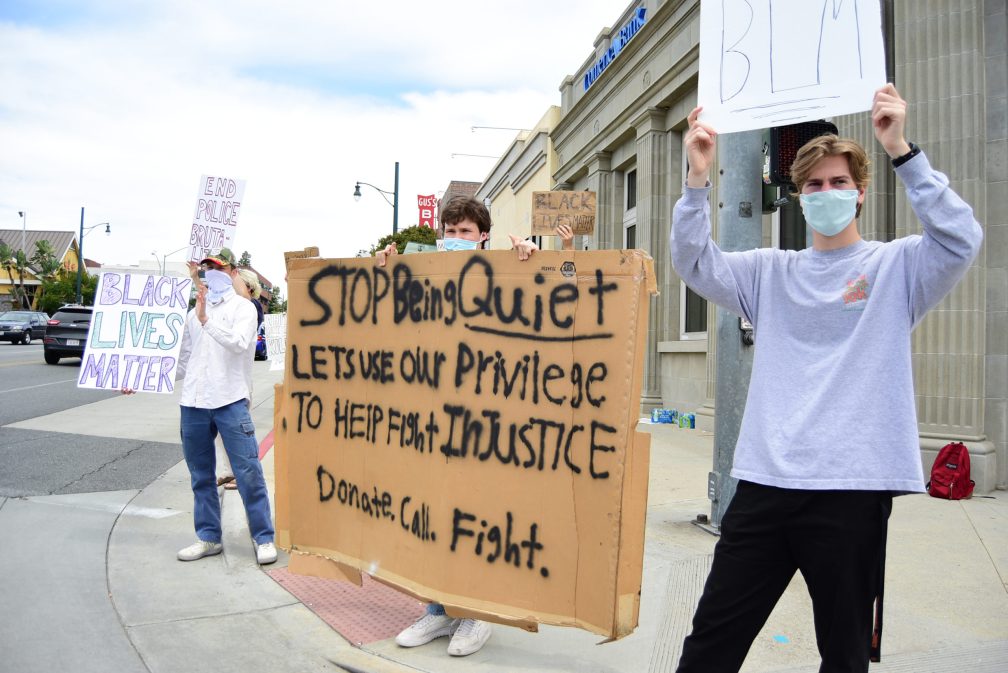
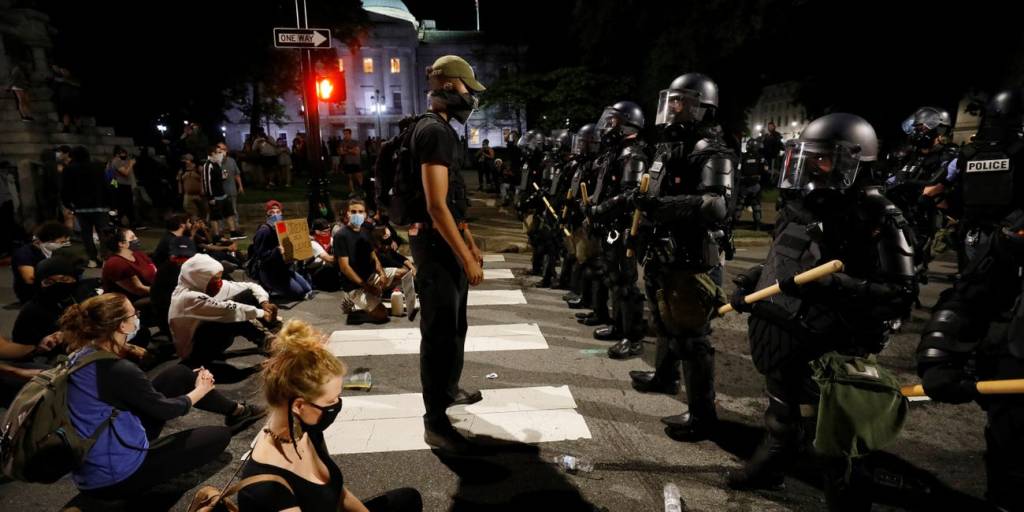
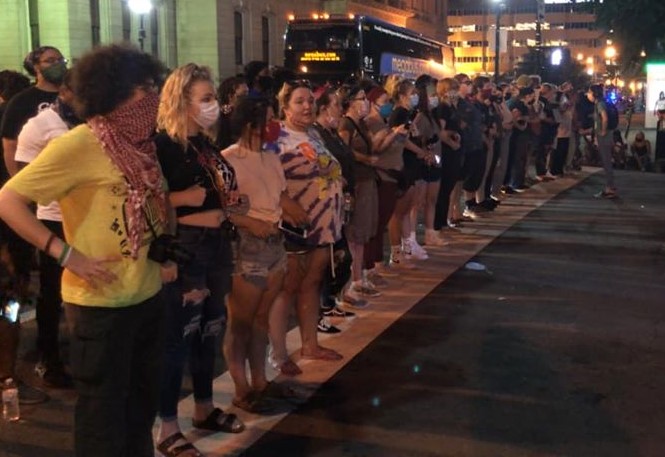
This is how to use privilege: White women protecting black demonstrators from police in Louisville, Kentucky

HARLEM

by Langston Hughes, 1951

What happens to a dream deferred?

Does it dry up
      like a raisin in the sun?
      Or fester like a sore—
      And then run?
      Does it stink like rotten meat?
      Or crust and sugar over—
      like a syrupy sweet?

      Maybe it just sags
      like a heavy load.

Or does it explode?

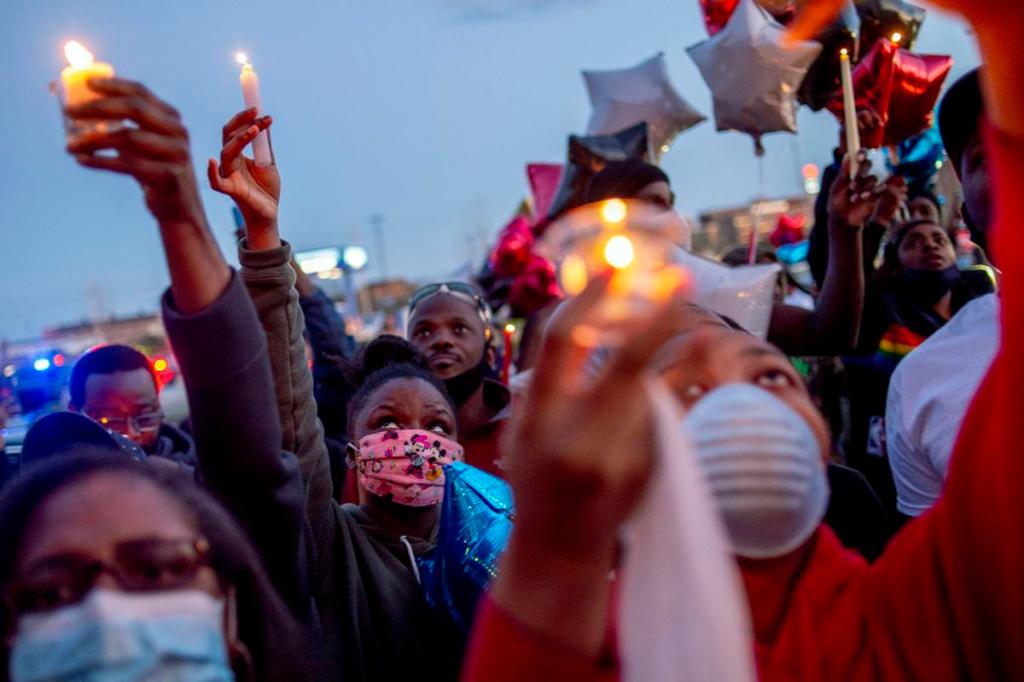
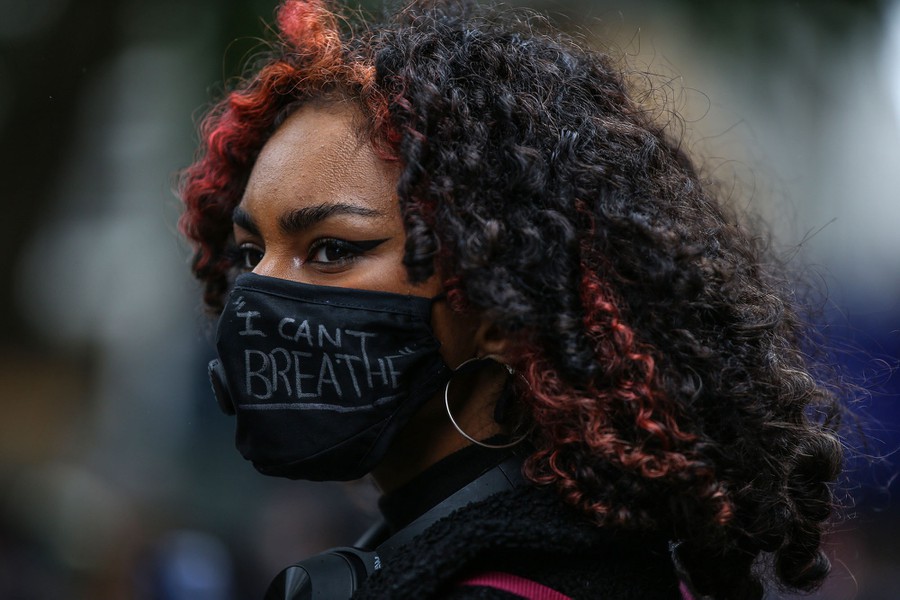
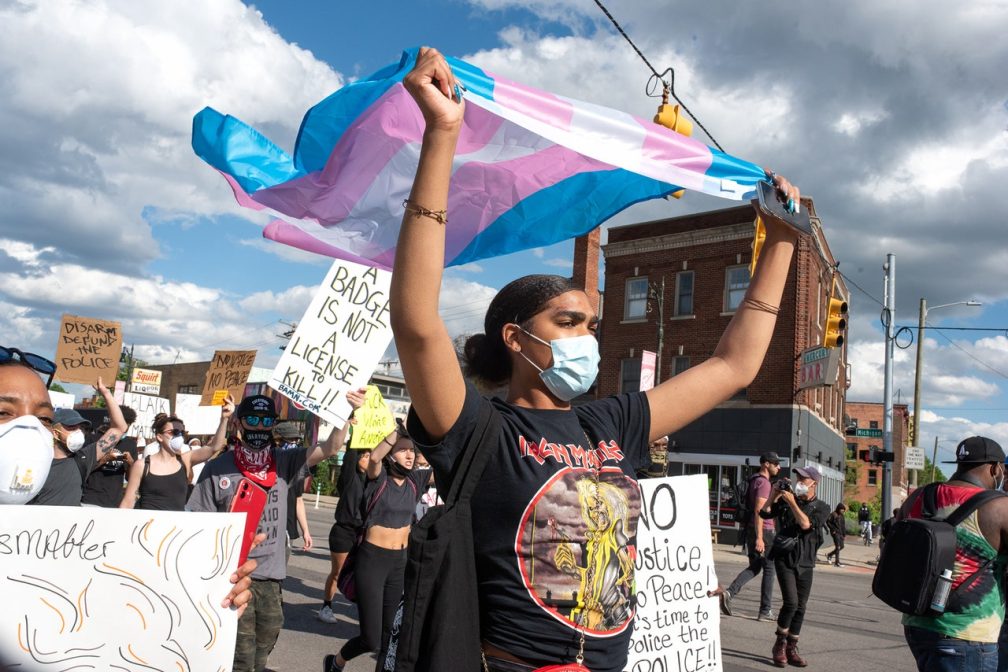
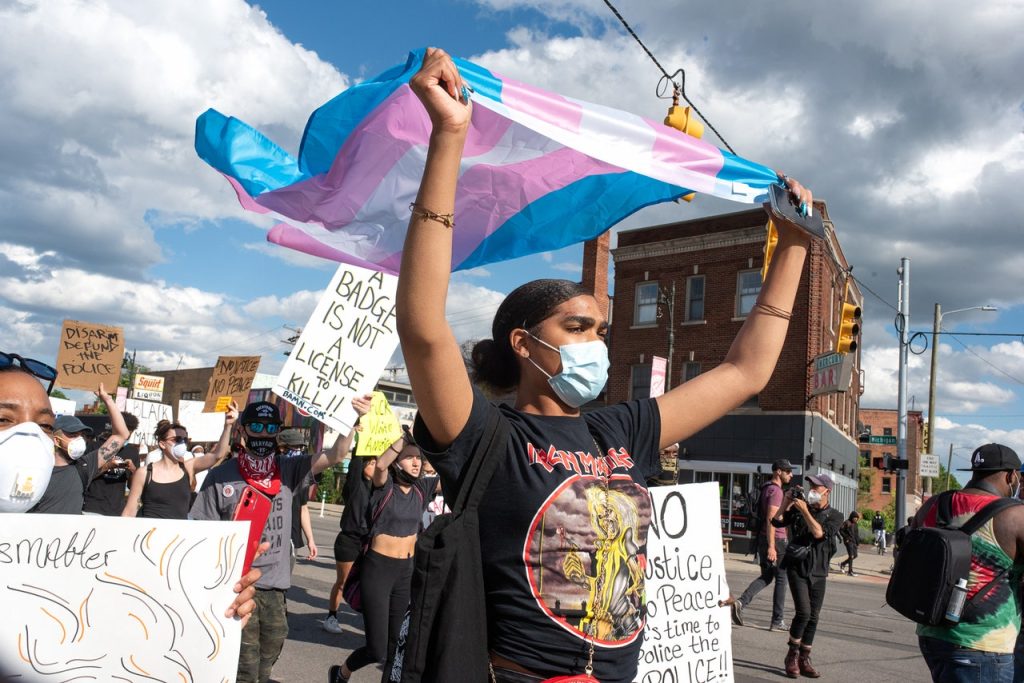
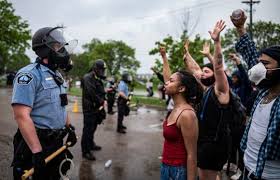
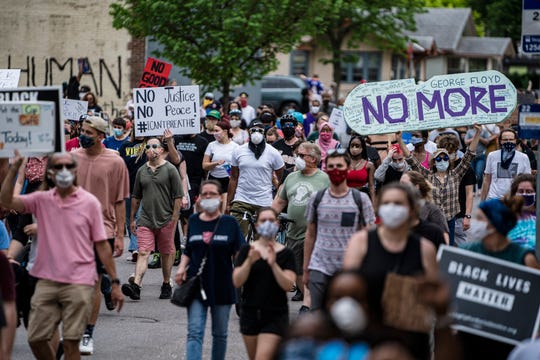
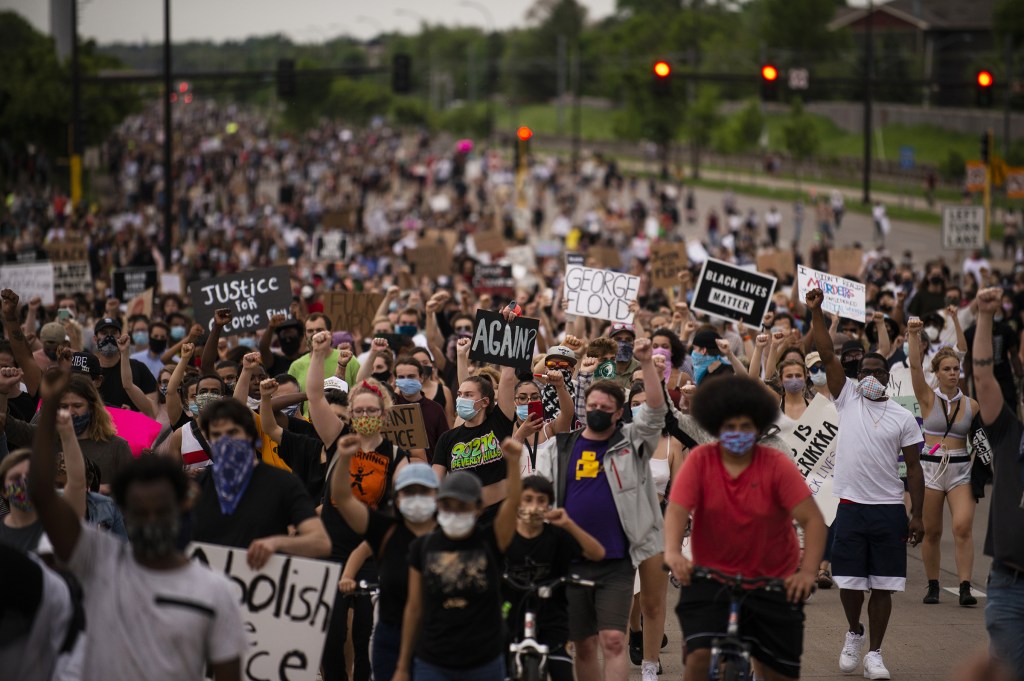
MINNEAPOLIS, MN – MAY 26: Protesters march on Hiawatha Avenue while decrying the killing of George Floyd on May 26, 2020 in Minneapolis, Minnesota. Four Minneapolis police officers have been fired after a video taken by a bystander was posted on social media showing Floyd’s neck being pinned to the ground by an officer as he repeatedly said, “I cant breathe”. Floyd was later pronounced dead while in police custody after being transported to Hennepin County Medical Center. (Photo by Stephen Maturen/Getty Images)

The Meek & the Elite

Nations, ruling elites, masses
Nations, elites, & masses

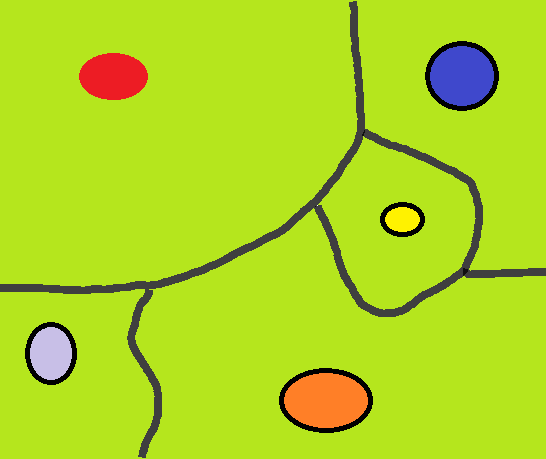
This is a map of imaginary nations. The colored ovals stand for the ruling elites. The green stands for ordinary people. The elites are different colors because various small groups are in power in different countries: religious or not, capitalist or not. But they’re all very rich.

The super-rich & their beauties

The elites appear to be separate from one another. They pretend they have more in common with the masses of people in their own countries than with elites elsewhere, but that is not true. Elites everywhere are connected by their interest in staying in power. Their lives are quite separate from the lives of ordinary people: they don’t live in the same neighborhoods, go to the same schools, or buy from the same merchants. The super-rich are their own country. They form a secret international union that treats the rest of us like interchangeable, expendable servants they can safely ignore.

Without national boundaries

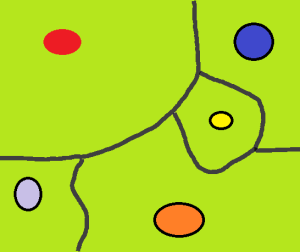
Now look at the imaginary map without national boundaries. There are just ordinary people everywhere; the ruling elites stand out like the spots of a nasty infection on the body of humanity. That disease is the concentration of wealth and power in a few hands.

The tragedy of the masses, aka ordinary people, aka the meek, is that we don’t realize our own power. We think nations are real, though we have to imagine them afresh every day. We think our interests align with the rich, though we know by now they don’t really care about us. If the ordinary people in different countries ever realize that we share the same interest in human survival, and that together we vastly outnumber the elites, the power in this world will shift to our hands.

The ruling class tries to persuade us that other nations are our enemy, but our real enemy is the elites’ bottomless greed. They fear our solidarity. Ordinary people around the world are natural allies, if we only knew it. The boundaries that separate us are imaginary. Instead, we must imagine sharing the earth.

People of Peace

Now is the time for people of good will
to join together to save all life.
Now is the time to act as brothers and sisters,
to be one people.


Now is the time to make peace.
Now is the time to join up,
all of us together,
one thing, the life force of our species,
nothing but human.

We’re in a tight spot.
Facing the danger means we’ll have to change.
We don’t like change. We like our habits,
all that’s familiar and comfortable.

We won’t change if we don’t have to.
But now we have to.
So we change.

We work from home.
We stop flying.
We drop the use of plastic.
We change for our children’s sake.

It took all the skill and energy our ancestors had
to survive hard times, to get us here.
Was all their work in vain?
Whatever they had to do to keep their children safe, they did.

So will we do now.
We are all strangers in this strange land
unless we are all family.

Hear one another,
help one another,
put your mask on,
keep a safe distance,
not from fear but from love,
O people of peace.


That Pimple

Trump is just the ugly boy up front.
He’s the pus-filled peak of the pimple of greed and violence.

Trump distracts the people while Greed and Violence suck all our wealth toward the richest. They get the money.

We get work that won’t pay our bills, crumbling infrastructure, the ruin of the climate.

While zillionaires get huge tax cuts, they cut everything ordinary people need.

Parks, libraries, schools, hospitals: cut.
Street and sewer maintenance: cut.

Safety inspections: cut. Food stamps: cut.
Pandemic supplies: oh, oops, gave them to China.

The ones in power are the worst people in the world.
The ones in power don’t care how many of us die.

They don’t care if we’re afraid for our lives or our livelihoods. They don’t care if we have nowhere to live.

The ones in power don’t care.
Good thing we, the people, do.

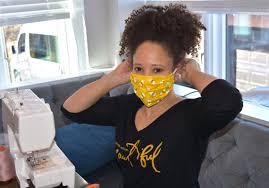
We donate and volunteer. We make masks.
We grow Victory gardens. We give things away.

Disregarding the Pimple, we listen to Science.
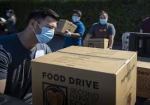
We wear the masks. We staff the food banks.

While our so-called leader
hides with his phone,

tweeting hatred and lies all day,
the People are stepping up.

Watch out, zillionaires.
One of these days the People

might even vote.

Privilege Unmasked

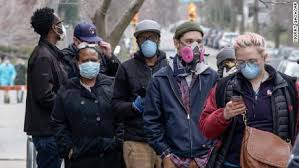
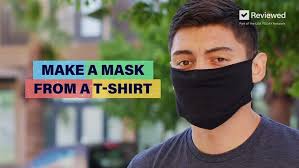
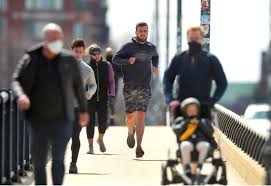
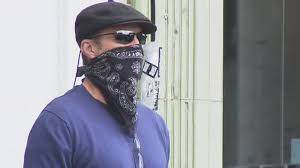
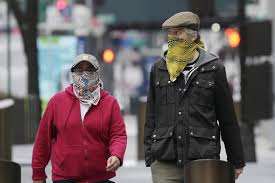
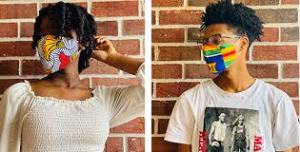
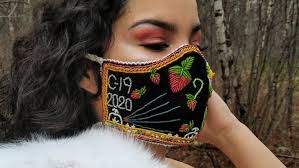
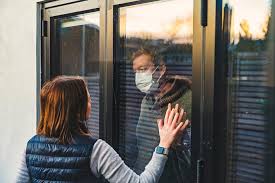
I’ve been noticing a trend among people lucky enough to frequent our local public green space. More people are wearing masks lately. The holdouts, however, seem to be mostly young to middle-aged white people.

People of color understand how vulnerable they are to random, undeserved misfortune. Ahmaud Arbery was only the most recent victim of homicidal racism to get the nation’s attention. No one knows the true count of unarmed people killed for doing normal things while black.

My city is fortunate enough to contain immigrants from many parts of the world. They wear masks. Like native-born people of color, they know that life can be cruel and unfair. They take what precautions they can.

A couple of months ago, when I first started nagging store clerks to insist their employers give them masks, they looked at me like I was crazy. Now they’re wearing masks. But these people are not rich. They know life is full of inconvenient and uncomfortable requirements.

Women should know how fragile our bodies are, and how subject to change. But our culture has taught women that how we look is the most important thing about us. So a pretty face is too powerful to cover up, and some young women will be pretty if it kills them — which, these days, it might.

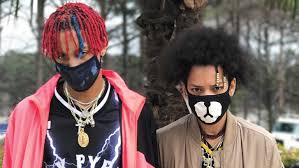
Some get it. Some don't.

Young white people with money have led protected, easy lives until now. They have little experience with real danger, much less with danger in public places. They feel invulnerable. What is far worse for the rest of us is that many seem to believe they have a right to do whatever they want, no matter how it affects other people. That’s what privilege is all about.

When a young person without a mask bikes past you, or brushes by you running on the path, or just saunters along as though “social distance” referred to the difference in your class status rather than a life-saving space, you are seeing the literal face of privilege.

In a democracy, privilege is a long-term threat to the idea that we are all equal before the law. During this pandemic, privilege can be deadly.

Are you too good to vote Democratic?

The only way we can stop Trump is to vote him out in November. It’s horrible that the Wall Street Democrats picked Joe Biden, by far the worst of the 29 Democratic candidates. He’s definitely gropey, possibly rapey, and beyond a doubt incoherent, mentally failing, and unpersuasive. Do we really have to vote for this guy if he’s the nominee?

Yes, sadly, we do. The alternatives are to vote for a third-party candidate, or refuse to vote. Either alternative will bring us a second term of Trump. If you think the US or humanity could survive that, you have not been paying attention for at least 3-1/2 years.

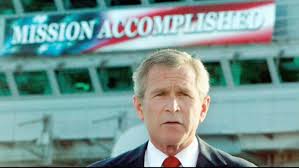
A little recent historical background. In 2000, the race was between Al Gore, an early climate change visionary, and clueless George W. Bush, who brought on the Great Recession of 2008. Gore won 48.38% of the popular vote. W won 47.87%. Ralph Nader, running on the Green Party ticket, won 2.74%, votes that might have tipped the race to Gore. Eventually Gore lost the Electoral College vote 271/266, because the Supreme Court majority of judges appointed by W’s daddy stopped the vote recount in Florida.

If Gore had been president instead of W, we’d be far better equipped to deal with catastrophic climate change. Taxes would be easier on working people and harder on the rich. The US might have responded to 9/11 with global police action instead of two unprovoked and unfunded wars. We also might have avoided the vast “Homeland Security” surveillance apparatus that has focused on peaceable American Muslims and ignored the real threat, White Supremacists.

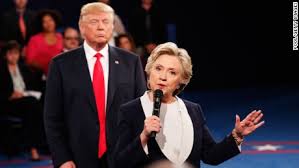
In 2016, again, third-party voters might have tipped the race. Hillary Clinton got 48% of the popular vote. Trump got 46%. Libertarian Gary Johnson got 3% and Green Party Jill Stein got 1%. Johnson and Stein knew quite well what a disaster Trump would be. The only reason they kept running was ego. Their supporters thought they were avoiding moral compromise by voting third party. We all paid a heavy price for their purity.

Trump creeps up on Hillary

Let’s call bullshit on non-voting as well as third parties. 40% of eligible voters do not cast a ballot. Most of these non-voters lean Democratic. They think their vote won’t make a difference; or they think both parties are too corrupt to support; or they’re too busy or tired or distracted to bother. As a group, non-voters are younger, poorer, and less white than voters. The people who don’t vote are exactly the ones who could use the most help from the federal government: affordable health care, housing, and education.

AOC and sq

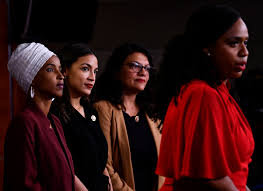
The Blue Wave in 2018 pushed progressives into the heart of the Democratic party. (Thanks again, black women!) This year, we can begin real change in the right direction. But not if we vote third party and not if we fail to vote. Don’t let them divide us. Stand together. Vote Blue.

Speed is over-rated

Is it more important to move fast, or to get where you want to go? Isn’t it better to move slowly in the right direction than quickly in the wrong one?

We learn to rush in school, if not before. I never understood why school children have to answer test questions in such a hurry. Wouldn’t it be good to give them time to figure out the correct answer instead of panicking them into wrong guesses?

I wonder if the children learning online at home these days are able to do it at their own pace. Online learning has its own stresses. I hope time pressure is not one of them.

Our culture prizes the race to “get ahead.” Get ahead of what? Well, poverty maybe. People are rightly afraid to make too little money in the US. Since Reagan began to blame poverty on poor people, the American safety net has become more hole than net. Millions are finding that out right now.

Life is not a contest. It’s not a race. Every life has the same finish line and few of us know when we’ll reach it. Whatever you thought you earned or thought you owned, you can’t bring it with you over that line. The only thing we know for sure remains after we’re gone is the effect we had on the people around us and the places we’ve lived.

No profit in it

Do you work for or support a non-profit organization? You want to help people, or the environment, or otherwise contribute something positive to life on earth. You probably care about a number of worthwhile causes. But most non-profits concentrate on single issues. They compete with all the other non-profits for donations, media attention, and government resources.

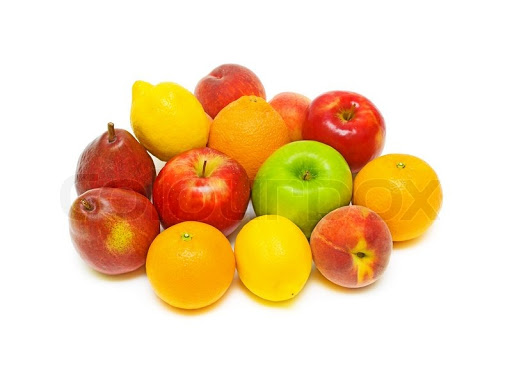
Apples, oranges, peaches. We want them all.
Apples, oranges, peaches. We need them all.

Non-profits don’t tend to collaborate. They struggle for top billing on the national or global agenda. Yet all their good causes are separate battlefronts in the same war. Each organization fighting for racial justice or economic fairness, against fossil fuels or against war, is trying to shape a future that reaches all these goals. They seem like separate causes, but they depend on one another for success. How can we achieve economic justice, for example, while the poorest communities are most threatened by climate change?

Urge the organizations you support to find ways to work together. Form coalitions. Publicize one another’s campaigns. Explore links between issues. As long as we allow the single-issue groups to ignore everything else we care about, we won’t have a movement for positive change. We’ll only have “special interests.” And there’s no profit in that.

50 experiments

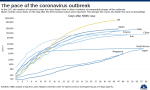
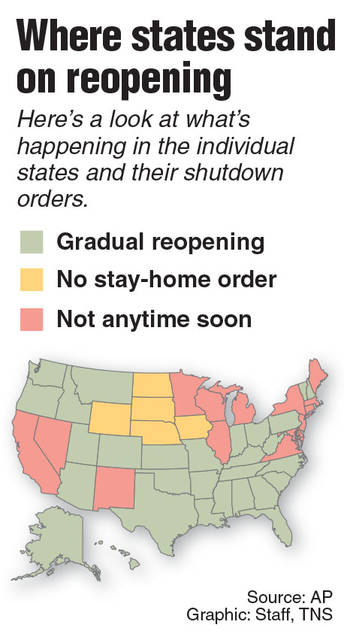
Since the USA has no effective federal leadership, saving us from COVID-19 is now up to the states. So we have 50 experiments in progress; more, really, with many cities setting their own quarantine or “opening” rules. By mid-July, we’ll be seeing graphs of preliminary results. The numbers will still be shaky. No one besides Trump projects that enough testing will happen by then to show us who has the virus. Most likely, given our dangerously idiotic President, the USA will still be #1 – in COVID cases as well as military spending.

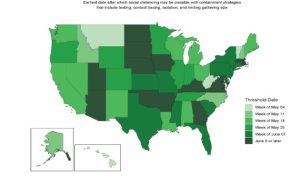
When states should re-open

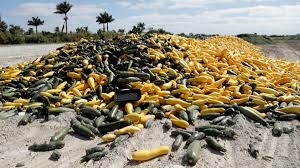
There are many things states simply cannot do on their own. They can’t get good prices buying masks and tests, since the federal government refuses to use its massive power to bargain for all; instead, the feds are forcing states to compete with them and one another, and then stealing state supplies. States can’t get food dumped by farmers unable to access their usual markets to the hungry people who need it in other states. They can’t set firm guidelines for the American people to follow and believe in. They can’t raise enough taxes from the richest to keep their people from starving, being evicted, or getting their utilities shut off.

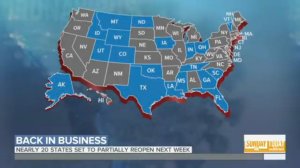
When they plan to re-open

This patchwork of state experiments is bound to cost a lot of lives. States will open too soon, see deaths skyrocket, and have to go back to quarantine. According to new data from the University of Pennsylvania, relaxing lockdown orders too soon could cost 233,000 lives.

If some people insist on their freedom to ignore safety precautions, other people will be free to die.

A rational, science-based nation-wide plan for re-opening safely would save much confusion and many lives. Wouldn’t it be great if the states could unite somehow? If we could form a union across the US? Like create a United States of America?

Oh…right…