More Adventures with Homeless People

Talk radio is a tough medium. Hosts can be hostile; callers are often abusive. Liberal pundits avoid these venues, where they come under attack with no one to defend them. Facts turn out to be puny weapons against ignorance and prejudice. But the guests on this particular show were as tough as the medium. And they came armed with more than facts. They had stories to tell.

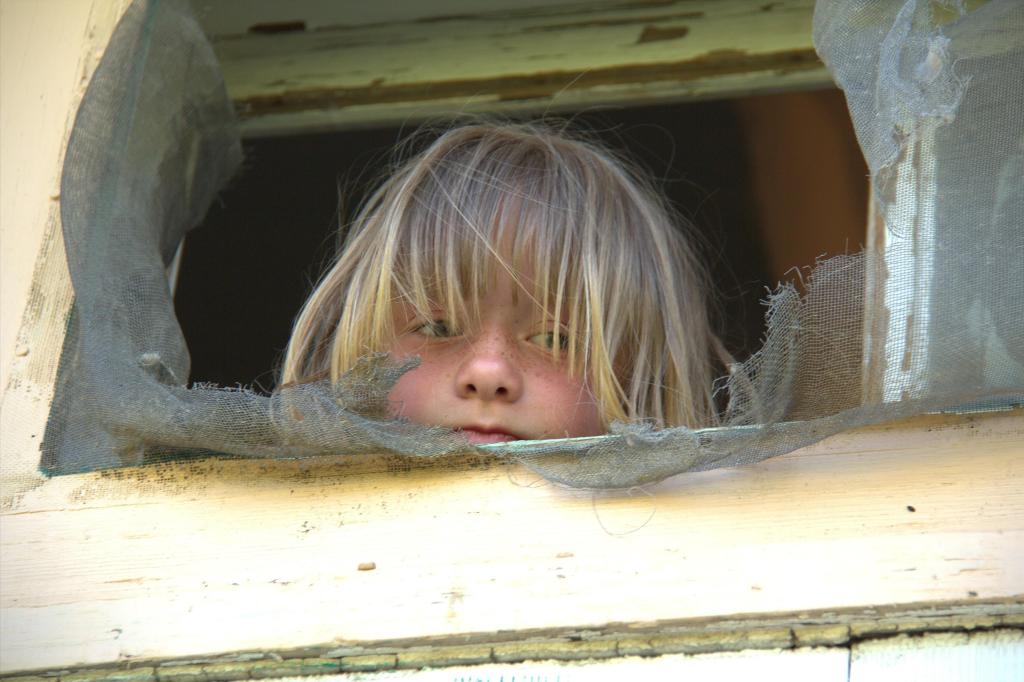
More than 30 years ago, I sat in the green room at WRKO in Boston, watching four women battle with host Gene Burns and his right-wing audience. These women were homeless along with their children. They were living in welfare motels and time was running out on their stays. If they couldn’t find anywhere to move when their time was up, the state would put their kids in foster care and they’d be on the street. They had nowhere to move; if they hadn’t already run through all their options, they wouldn’t have been in the motels. They were desperate. They were angry. They had nothing left to lose.

Burns expected these women to be victims, or leeches. He had no idea who he’d be dealing with. These women were warriors.

TriCap, a local anti-poverty agency, had hired me to organize people on welfare, scraping my poverty-level salary from the dregs of federal and state programs. I got to know dozens of homeless parents over a year of meetings. These four women were among the most articulate and clear-minded people I had met. They had been training for this show one day a week for a month.
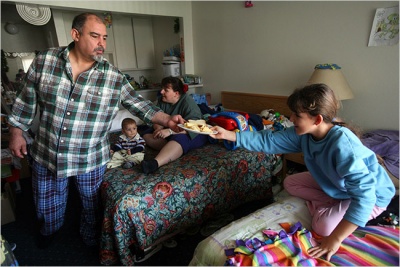
In Massachusetts, families can only get shelter if they go through the whole eviction process, waiting until the Sheriff throws all their belongings out on the street.
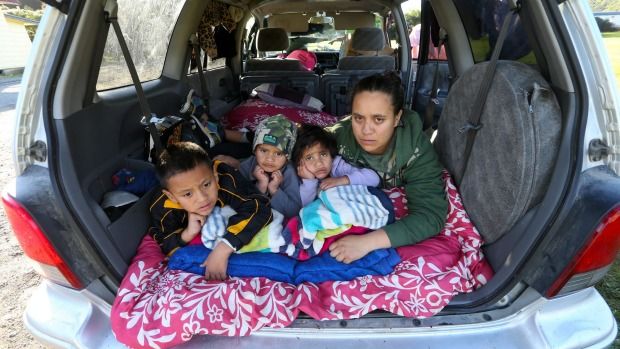
photo from Bread of Life in Malden, MA

At our first training, the women told their stories. One survived a serious illness but lost her job. Another one’s husband disappeared with their car and their life savings. Another fled a man who had raped her daughter. The fourth had been trying to escape dependency by going to college, until the state raised the fees so she could no longer afford rent. The women critiqued one another’s stories: be sure to tell that part, maybe leave those details out.

At the second training, we brainstormed how to respond to the worst calls they might get on the show. They came up with witty rejoinders to every ugly assumption, corrections for each common misunderstanding. They practiced responding calmly to name-calling. We laughed a lot that day.

The Massachusetts Coalition for the Homeless sent a policy wonk to our third meeting. She handed out one-page fact sheets and the women quizzed her on state policies. That was a serious discussion. We had pizza, and they brought leftover slices back to the motels where volunteers had been taking care of their kids.

Our fourth meeting wasn’t really a training. The only thing we did was tell our birthing stories. Only mothers can stand all the gory details, and even relish them, if mother and baby survived. By the end of that day we were sisters.

Burns had booked the women for the first hour of his four-hour show. After that hour, he called me in the green room to see if they could stay another hour. He did that twice more. When they started talking, he was skeptical and condescending. But as they answered his questions honestly, and met his listeners’ nasty comments with humor and understanding, his attitude shifted. Eventually he started saying things like “I can’t believe this is happening in America” and “This is such a cruel system, we have to change it.” Even his callers began to show some respect.

The show ended at 2pm. Burns thanked the women, praised their intelligence and courage, and then told them the station wanted to treat them to lunch at a nearby Italian restaurant. That was the first hot food some of them had eaten in months. They weren’t allowed to cook in the motels. Everyone got boxes for the leftovers, to give their kids.

We had to take three trains back to our ride in Revere. An old man was playing guitar in the Park Street subway station where we waited for the first train. He began to sing “Dream a Little Dream of Me,” a standard by Doris Day that everyone seemed to know. We sang along.

Sweet dreams till sunbeams find you
Sweet dreams that leave all worries behind you
But in your dreams whatever they be
Dream a little dream of me

When our train came in, I gave him my box of leftover lasagna. After we got on board, he blew us kisses while we waved and smiled.

Burns told us that his show reached 100,000 people. Two weeks after the women’s show ran live, he played the whole thing again, on Mother’s Day. Who knows how many minds the women changed. Maybe the strength they showed that day was enough to bear them through whatever came next. But I don’t know what happened to them. Their time at the motels ran out, and in those years before cell phones and email, we had no way to stay in touch.

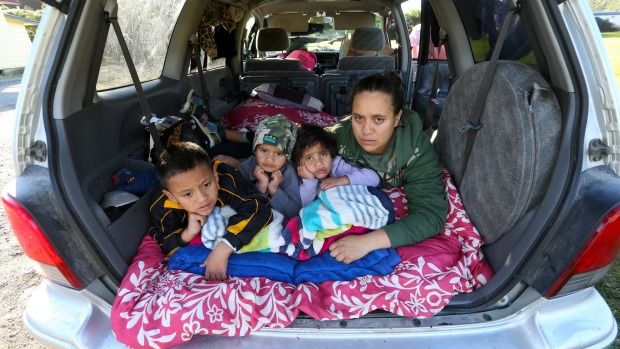
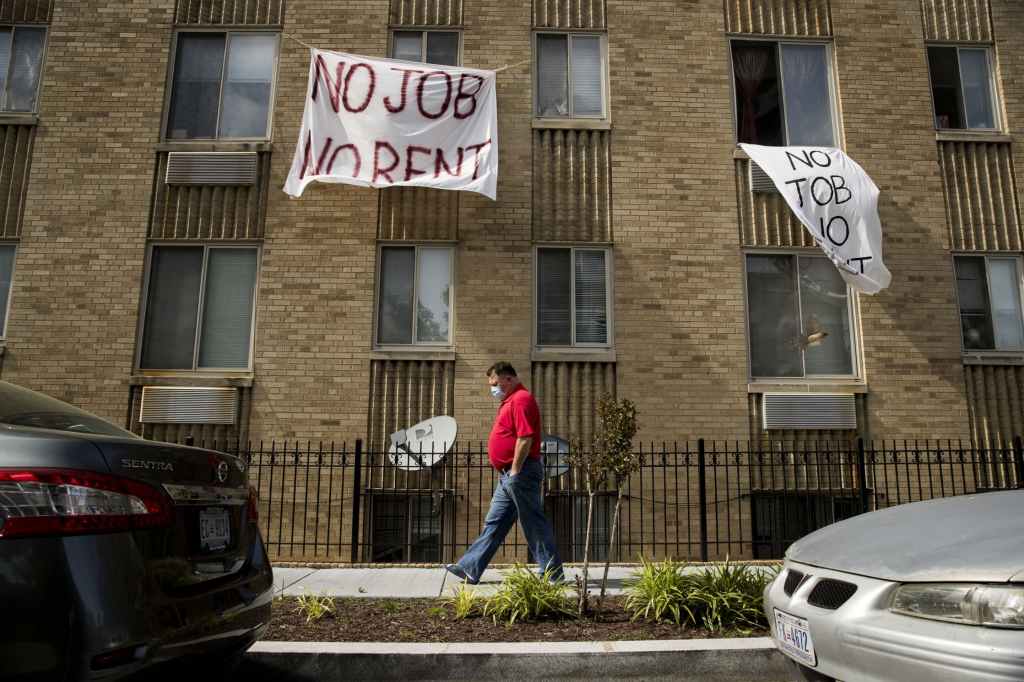
Today, the US is about to experience a new wave of homelessness, worse than the one Reagan caused when he destroyed affordable housing programs in the 1980s. There have been eviction moratoriums during the pandemic, but they don’t cover everybody and they can’t last forever. Sooner or later, the rent will come due. Many renters won’t be able to pay. Some will find new, cheaper housing. Some won’t.

There are still talk radio shows people listen to while they drive to work, and podcasts galore. Pundits will share what they think about homelessness. I hope somebody remembers to ask the homeless.
Adventures with Homeless People

The women were nervous when we entered the Statehouse. They had chatted excitedly all the way from the welfare motel in Everett, where two volunteers with vans had picked us up. But now the sight of the enormous gold dome, the series of broad granite steps, and the lofty, echoing marble entryway intimidated them into silence. I handed out the information packets we had written together. Before they split up to go to various legislators’ offices, I reminded them that they were the experts. They were here to educate their elected representatives about family homelessness.

I was here as a baby-walker for one mother who couldn’t keep her infant quiet while she was sitting still. He slept on my shoulder as I wandered the halls. I was also responsible for a four-year-old, antsy from months of confinement in one room, who darted around touching things but came when I called her. I consulted my hand-drawn map to find the offices where we had made appointments. Sometimes the doors were open, and I could see the women talking calmly to the men behind the desks. During our training sessions, I tried to build their confidence by assuring them that they had built-in advantages communicating with the reps, since they were women and the reps were, well, men.

At one point, the elevator doors opened near me and my small charges. In the elevator stood that redheaded scourge, Barbara Anderson, then head of Citizens for Limited Taxation, and her coterie of tall white men in suits. While the doors stayed open, I blurted: “You’re kicking families out of their housing! You’re hurting old people and sick people! Shame on you!” Everyone in the elevator looked over my head, stone-faced. The little girl asked me why I yelled at that woman. “She’s part of the reason you and your mom had to leave home, honey.”

This was an emergency situation, even for people whose whole lives were one long emergency. Massachusetts was planning to kick hundreds of families out of shelters and motels when the federal funds ran out, refusing to pick up the tab for their stays with state money. That deadline was approaching for many in the following week. These were women and children, and a few men, with absolutely nowhere else to go.

It was the late 1980s. Reagan was tough on poor people and all the programs ever designed to help them. I had been hired by an anti-poverty agency with the dregs of state and federal funding to organize people on welfare. People on welfare, I soon discovered, did not want to stick their heads up for fear of losing the little they had. They were happy to meet once a week and eat free doughnuts and complain about the system. They provided good support for one another. But they were not going to speak out in public and risk coming to the attention of the authorities, which could cut off their benefits for any reason at any time.

Families in the welfare motels, however, were facing eviction from their last housing option. They had nothing left to lose. They were angry, and scared, and they were ready to fight.

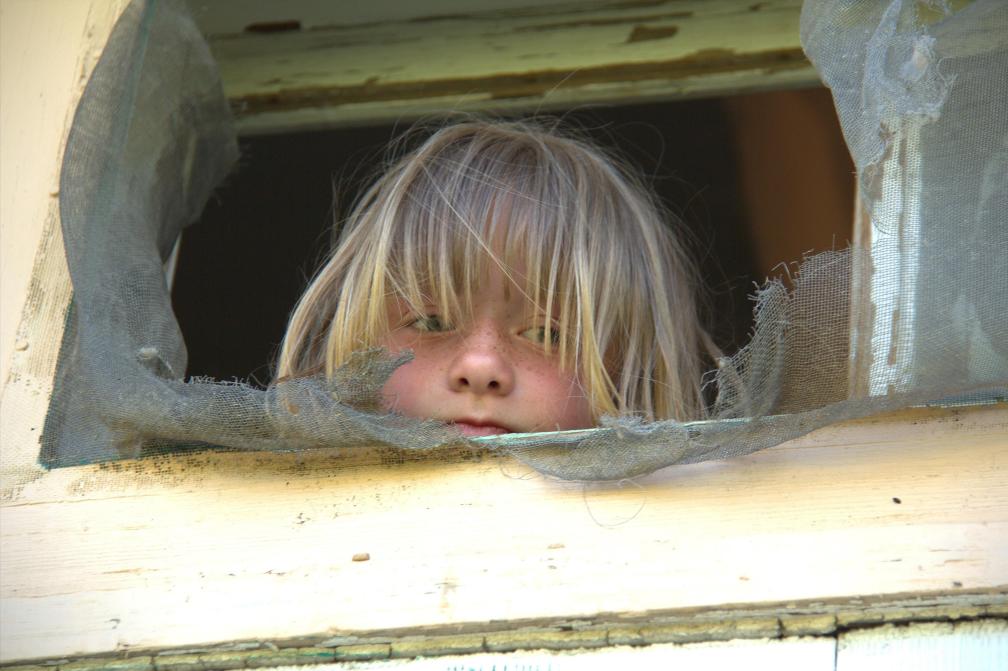
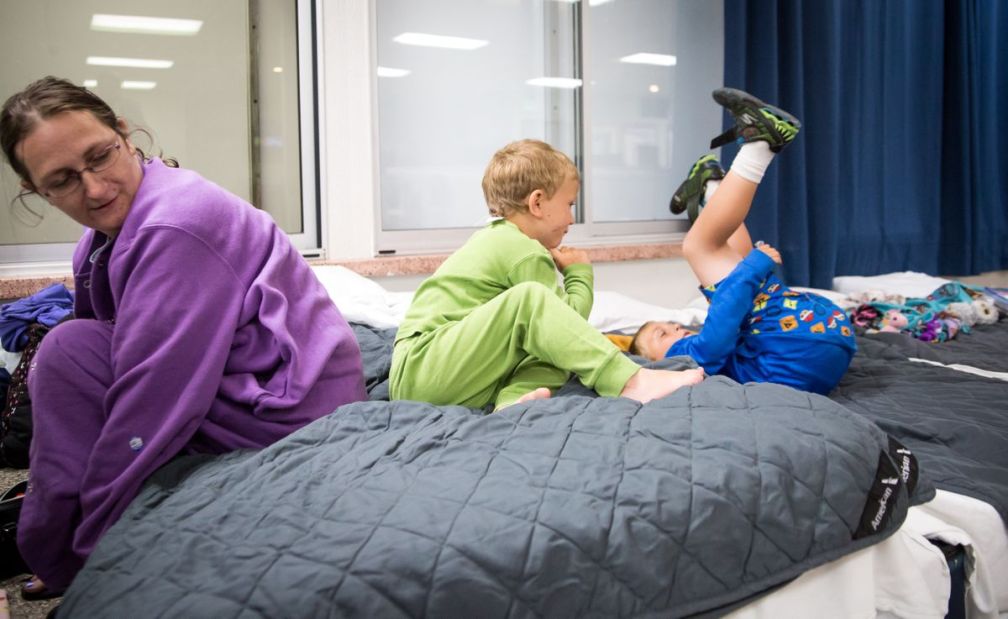
The welfare motels were terrible housing, but better than nothing. Several kids could be crowded into one room with their parent. There was mold; there was falling plaster; there was broken plumbing; there were cockroaches. The hotels would not allow hotplates so all their meals were cold. Children had no place to play, and often could not reach the schools in their home communities.

Parents were already traumatized. Some had suffered an accident or illness that made them unable to work for a time. They lost their jobs, then their housing. Some had gotten the short end of the stick in a divorce. One married her high school sweetheart and soon got pregnant. When the baby was born, her husband left her, disappearing with their car and all the money in their bank account. Some women had children with medical problems, and the only way to get health care for them was to leave their jobs and go on welfare. Many of these families had suffered actual eviction, where they watched as sheriff’s deputies carried their belongings out to the street.

The women told their stories to the legislators. They also dispelled some myths. Most people on welfare were white. Less than half of all families on welfare had access to any public or subsidized housing. The majority had worked full time until they no longer could, often because they couldn’t afford childcare and refused to leave their children alone. Some had worked part time, under the table, because every dime they admitted to making came out of their welfare check, which was about half what they needed to survive. Sooner or later they couldn’t make the rent. They and their children couch surfed with friends and family members until they got kicked out. Some had already lost a child to the foster care system because they had no safe place to stay.

We met up at the agreed-upon place and time. The women were exhausted. On the way home, they talked about the legislators’ reactions, or their lack of reaction. None of the legislators had known about the planned evictions until the women told them. Some of the moms said they had spoken with a reporter for a local news radio station, the only media person who responded to the press release I had sent to so many.

Back at the hotel, we all crammed into one room to watch the six o’clock news on tv. We were astounded to see the state welfare commissioner make a statement, in the midst of camera flashes and boom mics. The state had never planned to evict homeless families from the hotels, she said; that was all a misunderstanding.

In the motel room, there were screams and laughter and hugs and tears. These women were warriors. They were fighting a war against impossible odds. But today, on this battlefield, they had won.

Tax the Rich

The USA is at a turning point. This country has been a disaster for the past four years. We just managed to fire the man who almost destroyed the rule of law, undermined education, greatly increased the flow of money from the poor to the rich, harmed the environment, alienated our allies, and encouraged racist, misogynist, xenophobic, and violent behavior. The virus is still raging here because of his indifference and incompetence.

Now scientists around the world are developing vaccines faster than anyone thought possible. And evidently the Trump administration had no real plans to get them to us.

These are thrilling and dangerous times. We have to change our way of living, fast, to survive. Wearing masks and isolating ourselves for a few months, this time like we mean it, won’t be impossible if households get adequate subsidies. The way many other countries have handled COVID has proved we can do it if we try. We know our hope lies in coordinated communal action. Once the worst of the pandemic has receded, we’ll need this knowledge to cope with global warming.

Tens of millions of Americans are hungry and homeless, or close to it. Hundreds of thousands of families grieving unnecessary deaths. Businesses gone, children behind in their education. Health care workers exhausted and burned out. It’s staggering how much mental and physical damage we must try to heal. We’re all the walking wounded.

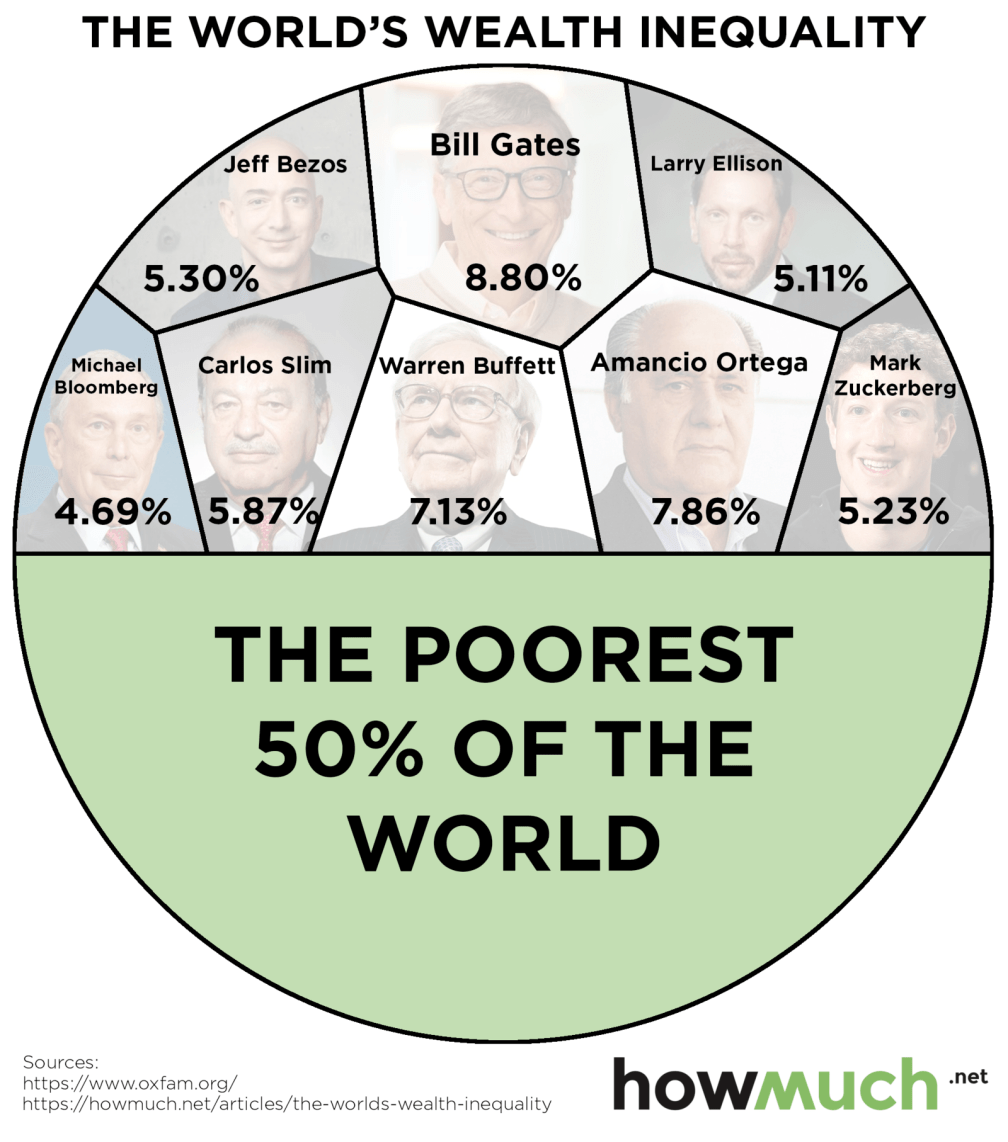
The rich have been getting richer for a long time, but the trend has accelerated over the past 40 years. Where did all the billionaires’ money come from? Working people have been paid too little, and been charged too much. Now our communities have been sucked dry by this wicked scheme.

We have to take the money back to do what we, the people, need it to do. We need it to feed the hungry, house the homeless, heal the sick, and teach the children. We need to clean up our nasty habits, train ourselves to stop mindlessly consuming as though earth’s resources were endless, and help rescue our species from climate change.

This is a new era. It’s time to tax the rich.

Who’s Taking Care of the Children?

For a period after World War II, American families could get by on one income. The GI Bill helped mostly white men go to college and buy homes, boosting them into the middle class. Though many women chafed at the sexist culture that would only allow them to be housewives, at least somebody was home with the children.

By the late 1970s, the cost of cars and college had risen so much that families began to need two incomes to reach the middle class. Feminist victories meant mothers could work outside the home. Women of color had been forced to do so all along. But who was left to take care of the children? The question was hardly asked in the US, and never answered.

In the 1980s, Reagan made wealth a sign of virtue. Preachers aided and abetted him, telling congregations that if they were good people, God would make them rich. If you had no money, it was a sign that you didn’t deserve to have any money. Americans were taught that poverty was the fault of poor people. Government could not be expected to help people who were not worthy of help.

Reagan attacked unions, helping corporations prevent workers from getting organized. As union membership fell, so did real wages. Costs rose but minimum income stayed the same. Rich feminists fought to break into top jobs but forgot about the poor women who had taken over their former duties, housework and child care.

Rich children got nannies. That’s why so many poor Black and immigrant women are pushing white babies around in fancy strollers. Their own children are back home taking care of one another, or staying with their elderly grandparents, or warehoused in somebody’s living room watching tv all day. Under Reagan, if poor women stayed home to care for their own children, they were shamed as “welfare queens,” even though government subsidies were and remain about half enough to live on.

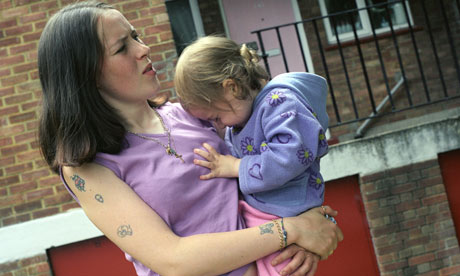
The worst torture for a parent is to be unable to meet their children’s needs. A poor single mother can’t provide safe housing, nutritious food, medical care, or decent education for her kids. It’s a wonder they’re not all alcoholics or drug addicts or prostitutes. America doesn’t give them a lot of choices.

The gospel of wealth has created four decades of life getting harder for low-income American families. The rich are admired for their money, no matter how they got it. The poor get blamed for their poverty. Most internalize this public shaming, feel they must be stupid and lazy to be so poor, and learn to expect nothing from government. The rich assume their charity provides help when necessary, though private giving meets only a tiny fraction of the real need. Government food help gets cut by billions, and charity contributes millions. This does not compute.

And where is the help for poor children, whose parents are desperate, either home without resources or working without childcare? Who gets them online for school during the pandemic? Who makes sure they eat breakfast and lunch? Who arranges safe play dates so they can develop real relationships with other children? Who is taking care of them?

Nobody. That’s who.

The next crisis

First the US gets three years of Trump ruining everything he touches. Then COVID-19 races through the US while Trump calls it a hoax. States step in to slow the virus; people begin to stay home or wear a mask; Trump pressures Americans to go back to “normal.” People return to work and leave their masks at home or around their necks. The virus spikes again.

An estimated one-quarter to one-half of the American workforce is still unemployed. Millions have lost so much income that even if they’re back at work, they can’t pay the rent. Eviction moratoriums are expiring, which means people are going to get kicked out of their housing. States have little money to help. The Republican Senate is stopping all federal assistance pushed by the Democratic House. Enhanced unemployment checks, which have helped so many survive until now, stop at the end of July.

The USA is about to experience levels of hunger and homelessness not seen in nearly a century. Our president only cares about the kind of people who own several houses and have never missed a meal. Trump might help ordinary people if he thinks he has to do it to win re-election. But who knows what goes on in that big empty head? Whatever nonsense Fox talk-show hosts spouted this morning, that’s what he thinks.

Homelessness became an epidemic in the US when Reagan slashed federal housing programs in 1981. For the first time, we had veterans, newly jobless workers, and families with children living in the streets. Nothing significant has been done since then by either party to help Americans afford housing. Now things will be much worse.

We must elect Democrats this fall. But that’s just a start. So much harm has been done to ordinary American families over the last 40 years that we need to make big changes, not take baby steps. Health care is a human right. Shelter is a human right. All children deserve adult attention and education. If we believe these things, we have a lot of work to do. Once we get a new administration, we must push them hard to the left. The federal government has to stop spending half our money on the military, yank the other half back out of the hands of the billionaires, and instead fund housing, health, and education.

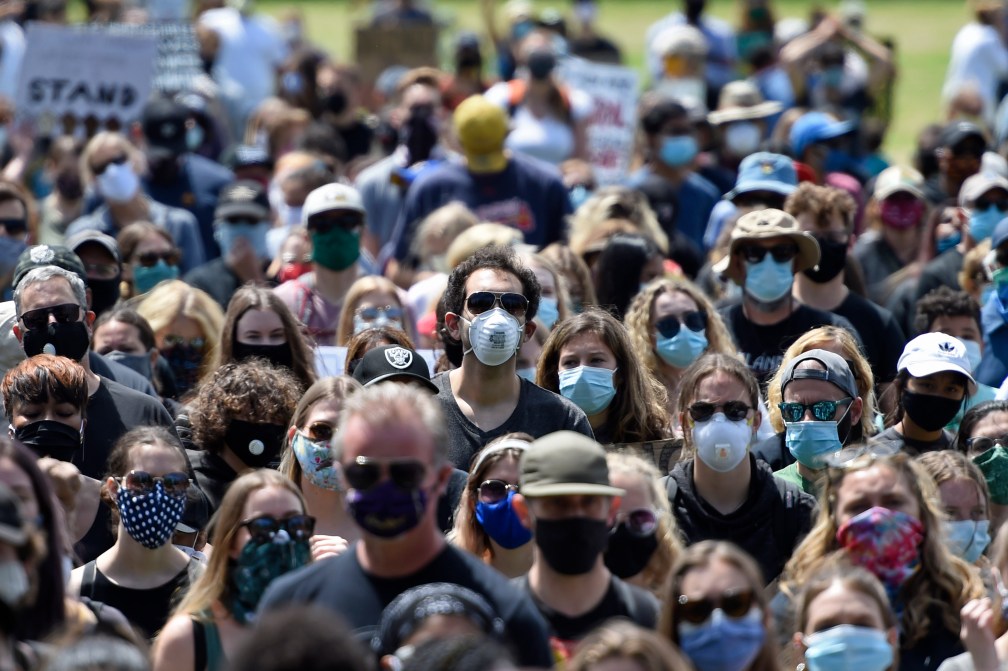
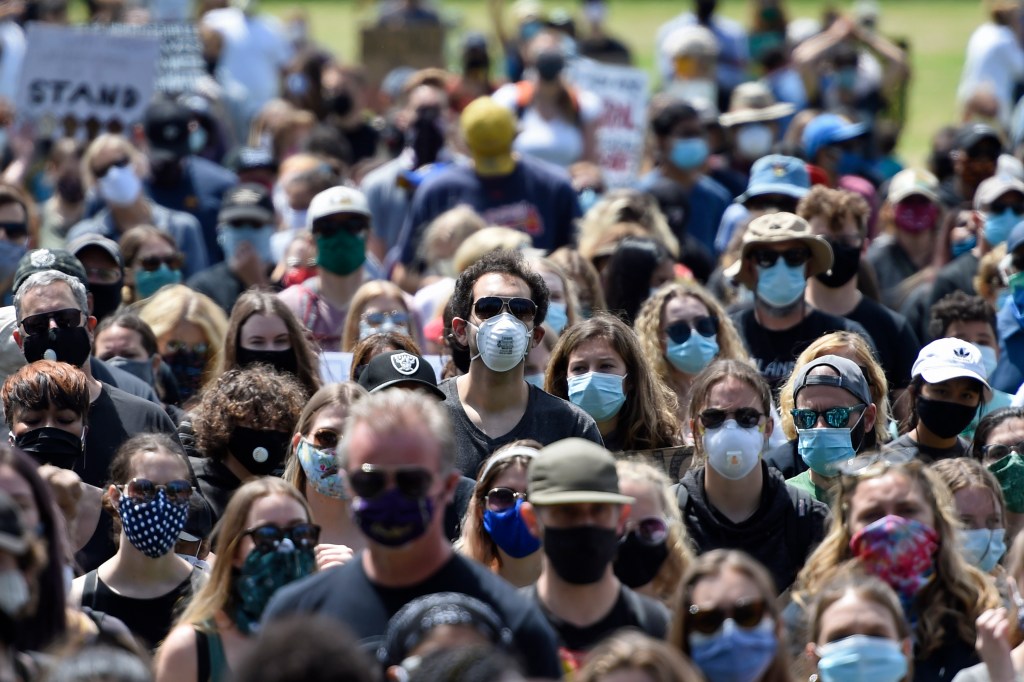
Americans have finally hit the streets in protest. I’m afraid we’ll have to stay there for a while longer.

The stock market isn’t the economy

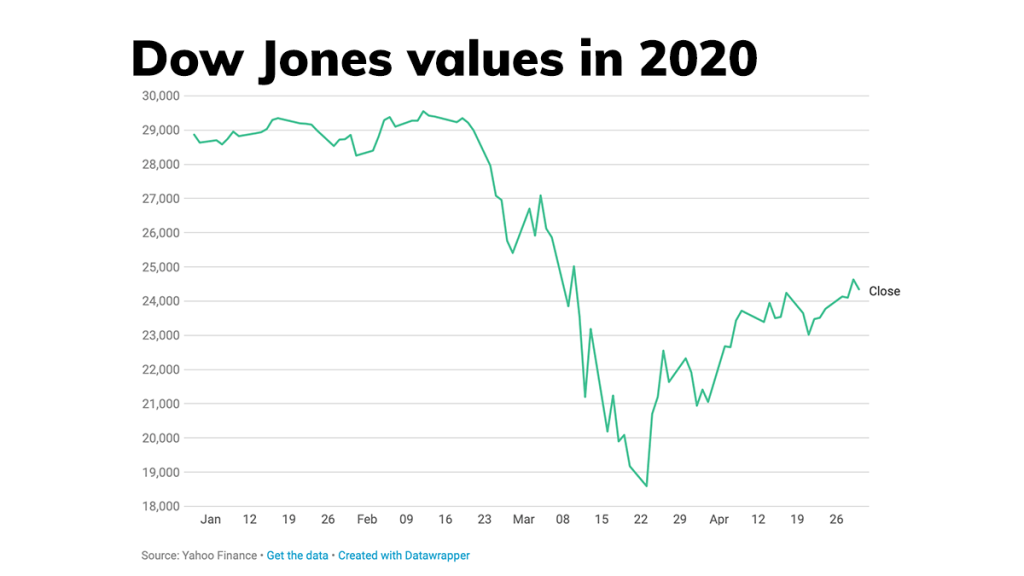
The stock market dropped in late March when it hit Americans all at once (except Trump, who knew months before) that COVID-19 was a deadly plague which demanded a quick response. The real economy, where people go to work and get paid, and then go out and spend their money, largely shut down. Suddenly 1 out of 4 Americans was out of a job.

The stock market has recovered. The real economy has not. Why does Dow Jones seem not to care that the Jones family can’t pay the rent? Because the Jones family is not rich and does not own stock. They are the poor relations that the Dow does its best to ignore.

But another stock market crash is almost inevitable. The Jones family’s unemployment checks will run out. They will not be able to find new jobs. No matter how much Trump denies it (and because of his denial), COVID-19 is raging through the US and people are rightly afraid to start their businesses back up. The Jones family’s landlord will stop forgiving the rent, because he can’t afford to pay his mortgage without getting it. They are all in danger of losing their homes.

The only reason the stock market cares about the 40 million Americans who have lost their jobs is that pretty soon, those people will stop spending money, because they won’t have any.

The capitalist economy depends on the American consumer. Nonstop advertising has trained us to want new things constantly. We buy every plastic gimcrack and follow every new fashion. Without our shopping, the whole house of cards will come tumbling down.

That house of cards hasn’t been sheltering most people very well anyhow. Capitalism only works if you have capital. Put another way, it takes money to make money. People who have never had a chance to accumulate wealth, like most Americans of color and those born into the lower classes, get stuck in jobs that don’t pay enough to live on. When the real economy shuts down, they have no savings and no collateral.

The US is about to face hunger and homelessness on a scale we have not experienced since the Depression of the 1930s. The federal government under Franklin Delano Roosevelt responded to the Depression with laws, jobs programs, and public works projects known as the New Deal. Slowly, the New Deal programs put Americans back on their feet.

We know the only Jones that Trump cares about is the Dow. He is perfectly willing for the rest of the Joneses to die of coronavirus, or lose their homes, or starve, as long as his rich buddies continue to make more money. With a normal president, Americans could expect the federal government to help us get through these bundled crises. Now we know we can’t expect any help until we elect a new president. If we lose everything meanwhile? Trump will just call us losers.