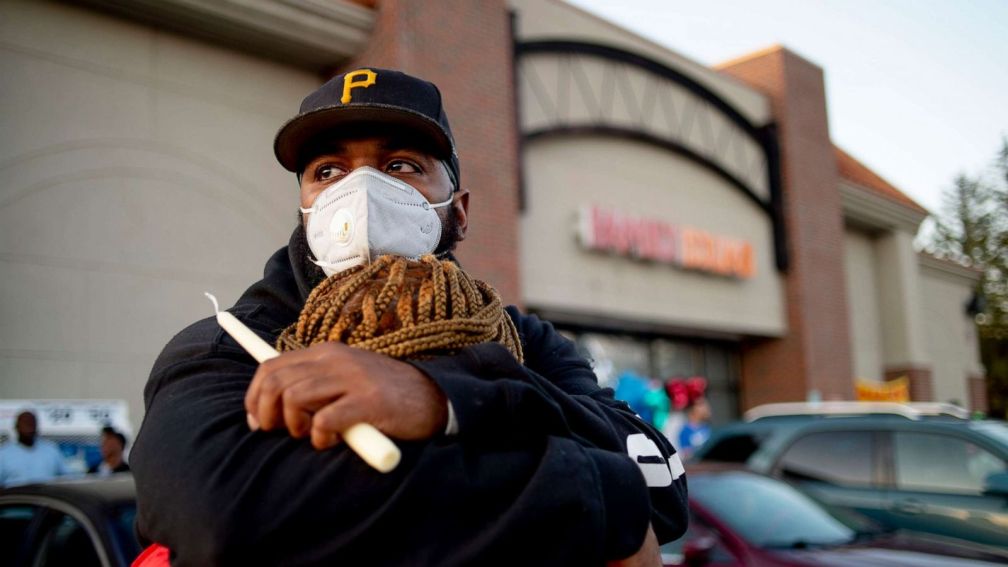
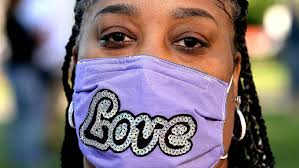
Americans are dealing with two deadly diseases right now: COVID-19, a brand new virus, and racism, which has infected this country for 400 years. Both are contagious.
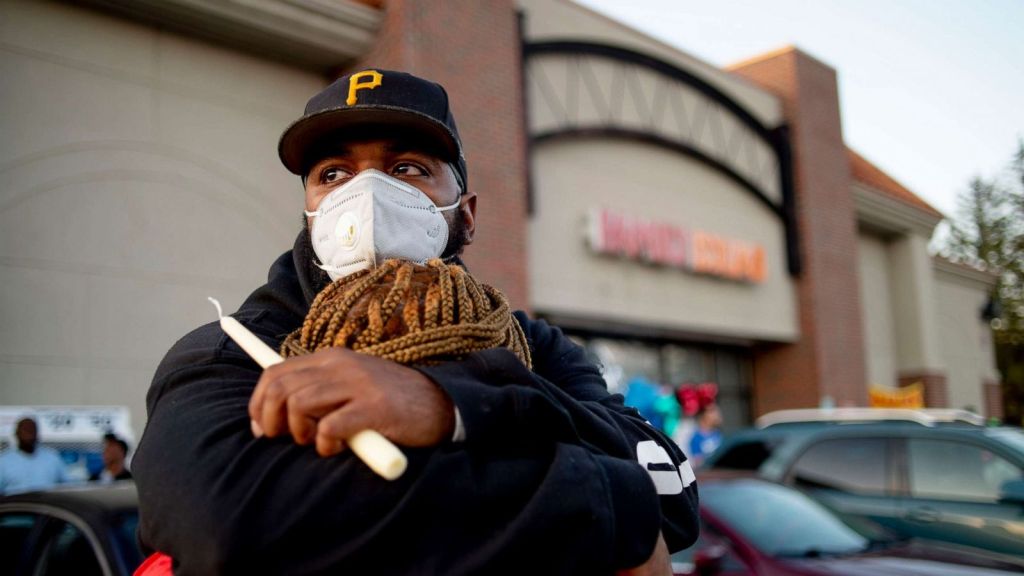
“Infectious dose” means the smallest quantity of infectious material that regularly produces a disease. Scientists don’t yet know how many viruses it takes to create a new case of COVID-19. They know masks and distance help cut the number that reach another person. Nobody can tell us the lowest amount of racism necessary to create a new racist.
There might not be a vaccine to prevent COVID-19 for another year or more. There is, however, a vaccine to prevent racism. It’s called education. People of color don’t need to be educated on what racism is or how it operates. Most white people have been ignorant. It has taken video after video of police killing unarmed black people to begin to educate white Americans.

Signs of this disease are everywhere in popular culture. Often racism is so unconscious that it manifests in advertisements which have to pass in front of many (white) eyes before they run. A 2017 Dove ad showed a smiling black woman turning white. In 2018, H&M ran an ad featuring a black child in a hoodie with the motto “coolest monkey in the jungle.” Gucci sold a blackface sweater in 2019. In May of this year, according to CNN, a Volkswagen ad showed “an outsized white hand pushing a black man away from a parked VW Golf, before flicking him into a restaurant called Petit Colon, which translates from French as the Little Colonist.”

In the 1921 Tulsa massacre, white mobs killed as many as 300 black residents and burned a thriving black business district to the ground. Most white Americans never heard of it until Trump tried to hold a rally there on the anniversary of this atrocity. My own kids’ middle school history text spent 17 pages on the Civil War without once mentioning slavery.
We will not see the end of either COVID-19 or racism in the foreseeable future. We do have the tools, however, to get the presence of these killers below the infectious dose.













 Alice T4