I just got back from three weeks in Vietnam. April 30, 2025, marks the 50th anniversary of the fall of Saigon, the end of what the Vietnamese call the American War. We went to see what is left of the damage our country did to that country, and how well its people are doing now.
The answers are: plenty of damage left; and, they are doing better than you might think. Thousands of children are still being born with deformities caused by the persistence of the toxic herbicide Agent Orange in water and soil. Almost 20% of the land is still salted with unexploded bombs and mines, dangerous to use or even walk on.
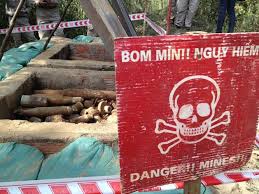
Millions of Vietnamese were killed by American bombs and starvation caused by the herbicides that destroyed their crops. Through these massive tragedies, they have learned a great deal about how to survive.
For one example, veterans of the war know about the Cu Chi tunnels that sheltered Viet Cong fighters. But not many Americans have heard about the tunnel systems that housed thousands of civilians while we leveled their villages overhead.
My daughter and I visited one such tunnel system, where 600 villagers from Vinh Moc lived for six years. While the USA was dropping seven tons of bombs for every person in the province, they dug 100 feet down into the wet clay soil – with hand tools. They had to dig that deep because American bombs could reach 30 feet down.
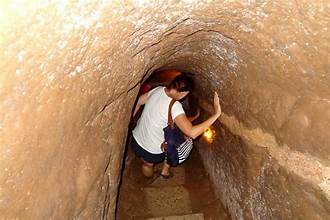
The original tunnels collapsed eventually, but the government has built replicas, braced so as not to fall on the heads of visitors. The tunnel entrances are steep and slippery, their steps covered with moss. The walls drip with moisture. There are trenches on each side of the narrow paths to carry the water away.
The tunnels contain hospital rooms, nurseries, meeting rooms, wells, and ventilation shafts. Niches called family rooms bud off each side of the tunnels, about six feet deep, four feet high, and four feet wide. Five to seven people lived in each room.
The above-ground museum shows how people slipped out at night to care for their crops. The villagers also formed a vital part of the supply chain for the Viet Cong in the North. Suicide teams would push bicycles loaded with up to 1000 pounds of food or weapons through exposed trenches to the nearby coast. From there, they rowed the supplies to an island twenty miles away.
We expected the Vietnamese people to exhibit some resentment toward us as Americans. Perhaps because of their primarily Buddhist culture, we found only forgiveness and kindness instead. When my daughter told people that I had been an antiwar activist during that war, they reacted with gratitude. More than one person told me that I had “been fighting for them”. The group Vets for Peace runs annual tours to Vietnam; they report that they are greeted with the same forgiveness and compassion, and often moved to tears by it.
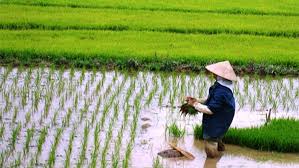
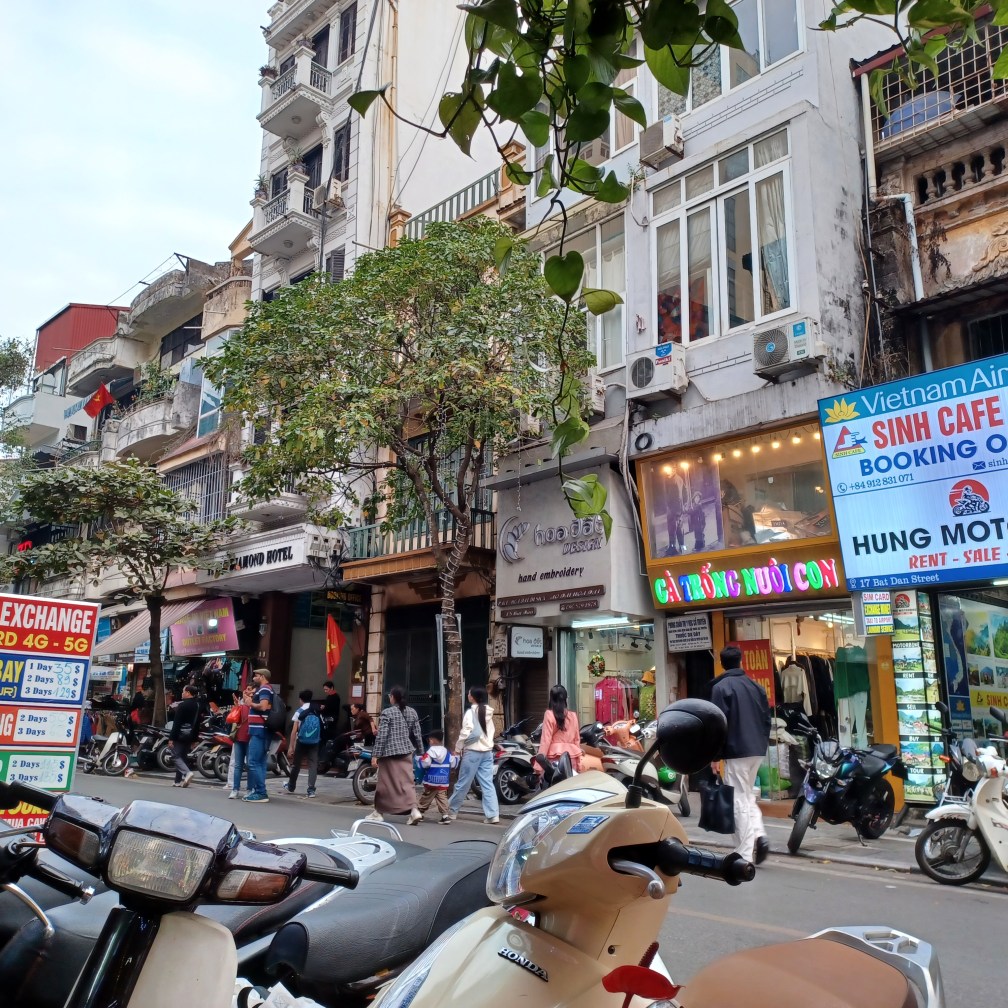
Many Vietnamese are still farming rice with ancient methods, which is backbreaking work. But perhaps 40% of the population has moved into cities as lively and colorful as any we have seen. With the encouragement of the Communist government, the Vietnamese have become tremendous entrepreneurs.
The economy seems to run on motorbikes. A guide noted, “You can clean a bike, or fix one, or steal one, or deliver materials on one.” People sit on the sidewalks with bamboo or plastic baskets full of fruit, fish, toys, or whatever else they can find to sell.
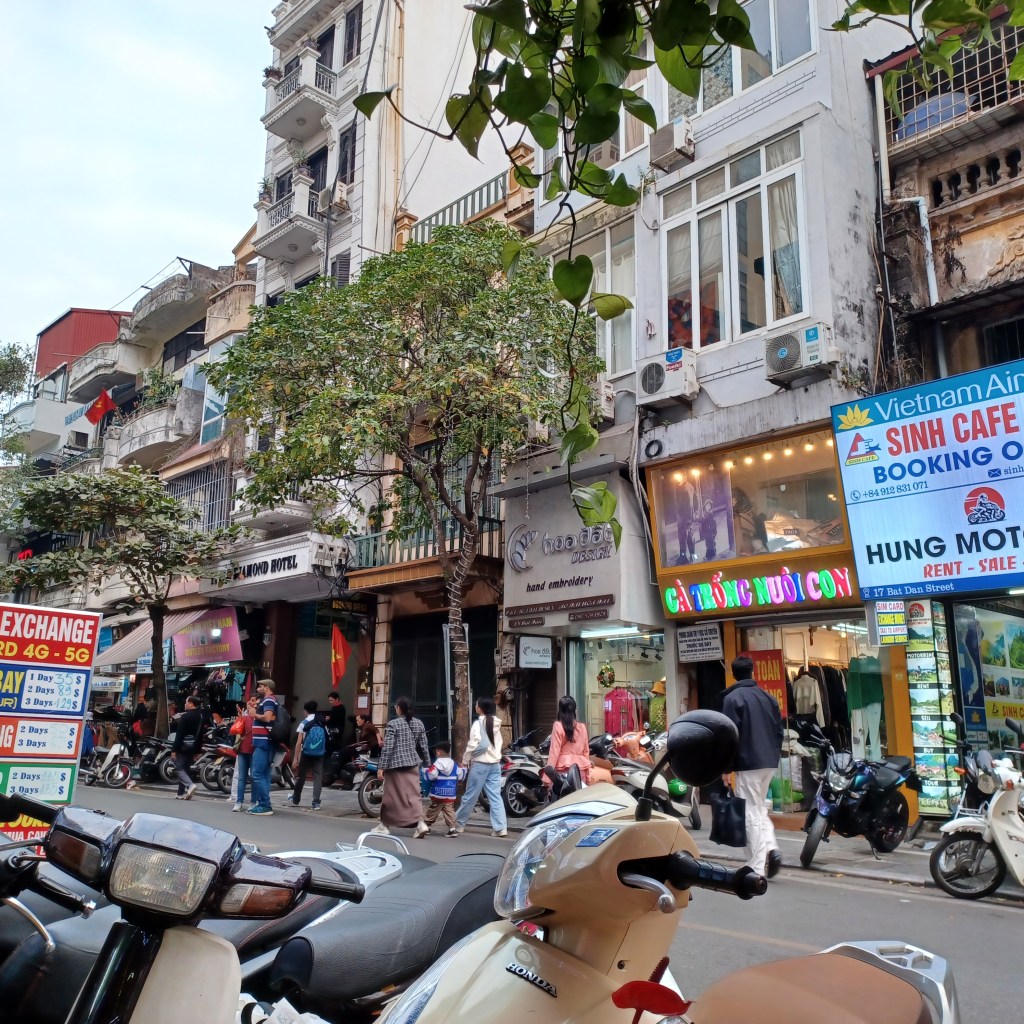
There are huge and thriving street markets, special night markets for crafts, endless black markets with parts for everything you can think of. Roadside living rooms have been turned into narrow shops or cafés. The USA hasn’t seen this level of mom and pop business since the corporations took over, if then. In Vietnam, mom probably has one business, pop another, and the kids are out hustling up their own gigs.
Elsewhere, I hope to describe the beauty of Vietnam landscapes, the deliciousness of the food, the lovely little shrines dotting every street, and the delightful people we met everywhere. It’s just good to report that though the scars of war remain, the Vietnamese are healing.
Go visit, if you can. Especially if the war left scars on your own heart, it will do you good.
 Alice T4