Quality of Life

We’ve been told it’s the things we have that make up our quality of life. That’s only part of the truth. We must have enough to eat and drink, and some place to get out of the weather. If we’re going to eat our food cooked, we need things to cook it in. Stuff does pile up around us; we’re messy, curious, greedy beasts like magpies or packrats, but we don’t have to make a virtue out of it.

Some things do make lives better, though they’re not usually the things advertisers are trying to sell us. Plumbing, for example, is a really good idea. Fashion is not only fun, it keeps clothing on everybody. The rich change clothes every season and their leavings filter out to everyone else.

Whatever we have, we can do without or make new, except for people. Only the people we’re close to are irreplaceable, our family and friends. We can lose a neighbor sometimes and go on all right, but it is devastating to lose a whole neighborhood.

Real quality of life depends on how we feel. If we’re healthy, and the people we love are healthy, and our household is peaceful, that’s worth any amount of money and any pile of stuff. If we’re suffering in mind or body, few things can comfort us.

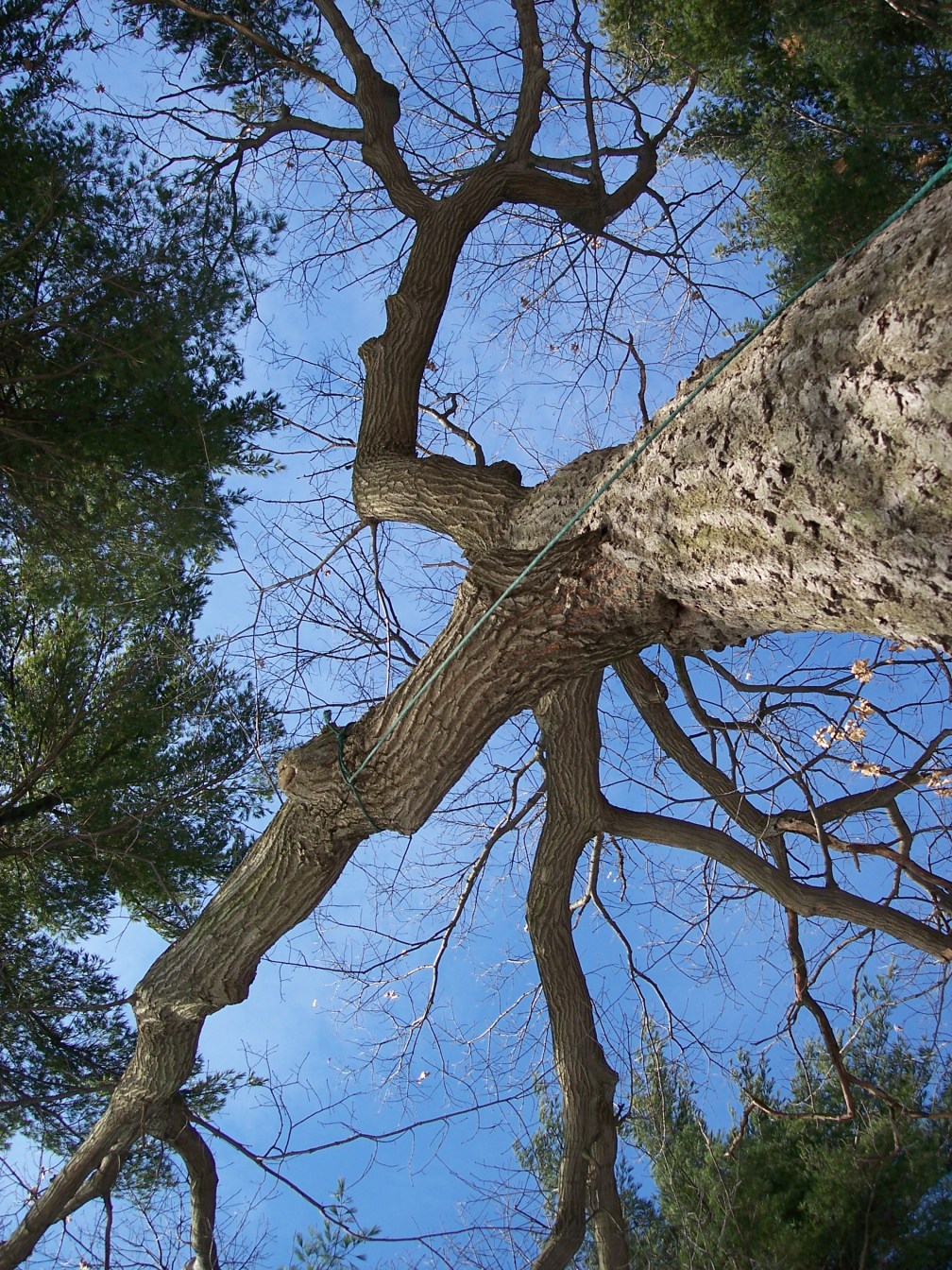
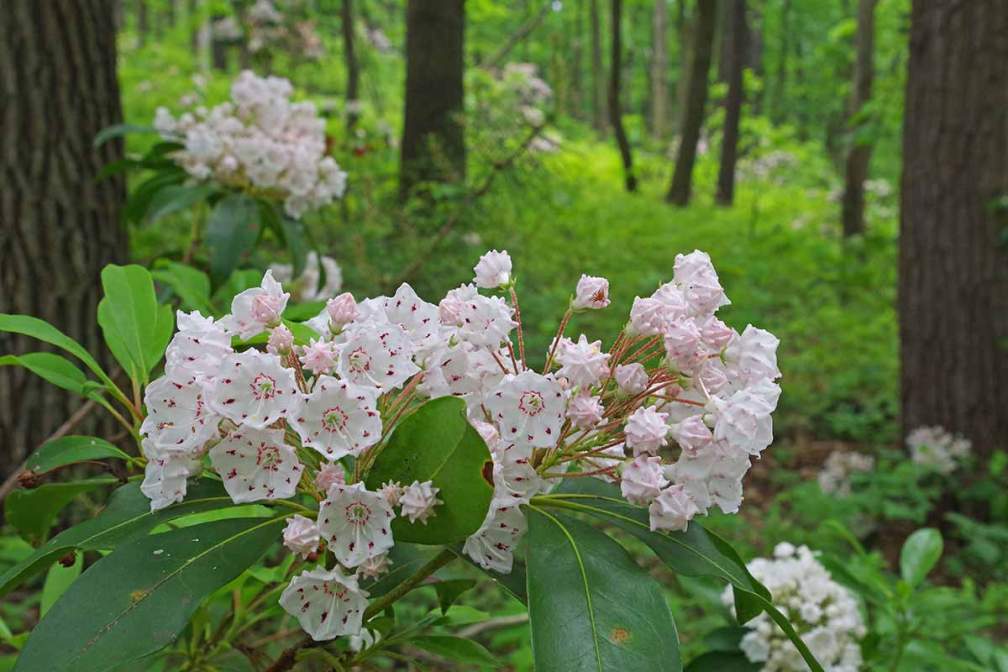
Beautiful things soothe, please, and excite us, in the moments when we truly notice them. Art can improve our lives if we pay attention to it. Being in natural surroundings, where beauty continually renews and reinvents itself, comforts and sustains us. Many broken hearts have begun to heal in the woods and on rivers.

Community is precious. Fellowship is precious. That’s why a lot of people go to religious services. We get to feel kinship with the people around us. Community, fellowship, friendliness, peace: these provide real quality of life.

Networks of people are not material things. They are emotional and intellectual connections of shared experience. These invisible things, beyond what we can hold or measure, keep us alive.

The rest is landfill.

Life on the River

It’s June, so there are lots of babies. Baby rabbits, nibbling on the gardens and driving the dogs crazy. Baby ducks, gathered closely around their mothers. Baby geese, joining the honking, pooping herds in the meadows.

This year, a pair of swans nested at the confluence of our town’s river with a small stream. They spent weeks building up the nest, bending their long necks to scoop dead leaves and twigs into a pile that rose a couple of feet higher than the river surface. Once the eggs were laid, the pair took turns sitting on them. The one swimming around and noshing was on patrol. If a duck or goose or dog came too close to the nest, there would be a great loud flapping of wings, and the intruder would leave in a hurry.

Now there are four fluffy little baby swans, cygnets, visible on royal cruises with one parent ahead and one behind. Nobody messes with the swans. They can fly, but they don’t have to.

I watch the adults learn how to co-parent. Swan #1 swims quickly under the bridge, minus offspring, and then flaps its wings and rushes up the bank, rousts Swan #2 from its resting place in the brush, then swims back down the river in a big hurry. Swan #2 scrabbles down the bank, calling out this really loud noise that starts with a squeal and ends with a honk. It swims around a moment, stretching its wings and neck, and then follows Swan #1 under the bridge. A couple minutes later, here comes one of the swans with babies close behind it. I think that was a shift change and Swan #2 was yelling “Okay, I’ll be there in a minute, let me finish my coffee!”

Several years ago, the government rebuilt the old dam between the lakes our river flows through, complete with a modern fish ladder. Thanks to the ladder, the dwindling stock of alewife – a small herring-like fish that breeds here – has rebounded. The state estimates that their population has gone from 200,000 to more than 700,000.

Black-crowned night herons come for the spawning run of alewife every spring. At night, they pick a local tree to roost in, crowding the branches like big ripe fruit. The great blue and little green herons also enjoy the alewife. They’re so full, they often stop fishing to stand around and nap.

Since the state closed storm sewer overflow pipes, the painted turtles have also rebounded. They bask in family rows on riverside logs and driftwood every sunny morning, lined up by size from large to very little. When danger approaches, they plop into the water one by one, with the biggest the last to go and the first to re-emerge.

The other big change on the river is the traffic. We used to get motorboats and jet skis going much too fast, leaving wakes that eroded the banks. Then a canoe and kayak rental place opened up. During the pandemic, boating has been a great way to have some safe family fun, or just to get outside without a mask. The river is full of these little boats on every nice weekend. Although the herons don’t like being in the public eye, they haven’t gone far.

There are two big upsides to this new kind of traffic. One is that the motorboats have slowed way down. With so many kayaks, a speeding boat might run somebody over. I suspect that the boat club lawyer sent a memo.

The other upside is that now the river is known and loved by many more people. Some are bound to join the community that defends the river. The water and its woodsy banks are always in danger from pollution, garbage, and invasive species. Our wild, or wildish, places need all the friends they can get.

People have plied these waters in canoes for centuries or longer. Until this past century, the river ran through woods and swamps. Now there’s only a narrow green strip on either side of it, trees and shrubs growing thickly up the steep banks. Beyond that, in most places, small grassy areas lie between the river and the streets, houses, and shops of our town. Nothing much lives in the grass besides ticks and field mice.

The river shows many signs of abuse and neglect. Plastic water bottles and other trash get stuck in the driftwood. Lack of maintenance on the walking paths has exposed the roots of riverside trees that keep the paths from washing into the water. Maintenance and oversight are the easiest things to cut from state and city budgets.

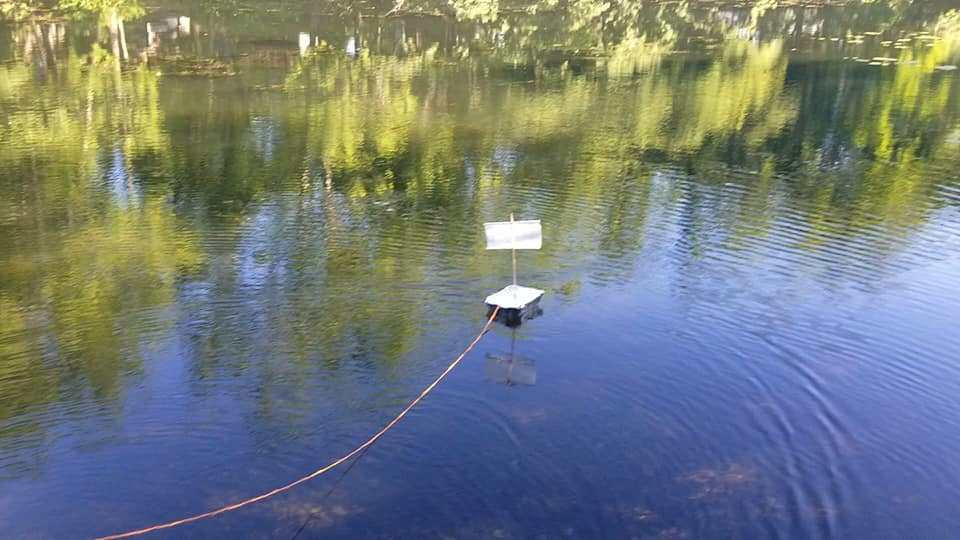
But what a rich variety of life still manages to thrive in the river and those two narrow strips of green. Water lilies by the thousand open their fragrant white petals; small-mouth bass nestle in the reeds; dragonflies dart and hover. Once I saw an otter, undulating at the surface like a broad brown velvet ribbon.

Humans also thrive along this water. People walk, run, bike, watch birds, have picnics. A woman dances along to the music on her headset. Nobody can calculate the river’s physical, mental, and social benefits to our community. Recently, plastic lawn chairs have appeared in a few choice sitting spots. Some walkers bring bags with them to pick up litter.

This is a beautiful world. Maybe we’re learning to stop our trashy ways and cherish it. If so, it won’t be a moment too soon.
Not Just Suffering

A friend’s suicide. Another’s illness. Loneliness, fear, anger. Those crazy Trumpers still trying to reverse the election. The Buddhists say life is suffering, and sometimes that’s all it seems to be. It hurts to be born, it hurts to die, and a lot of the stuff in between isn’t much fun either.

But look up. The sky is always changing and always beautiful. Every day begins and ends in beauty, the darkness hemmed with birdsong and magnificent color. Life is not only suffering. Where there is beauty, joy is possible too.

It helps to have trees or running water to look at, but people are also beautiful. Okay, not Mitch McConnell, but look at the people you love. Or just think of them, if you can’t be near them. Their beauty has nothing to do with the arrangement of features on their faces, or the shape of their bodies. They’re beautiful because of their kindness, their humor, their stubborn strength, the history you share, the things they know because of the suffering they have endured.

And now we’re missing them. Most Americans took a lot for granted before the pandemic hit. All of us are grieving for so much we never expected to lose. Who knew we would long for the crush of a crowd? Who knew we needed hugs so badly?

I believe that in the rubble of our old lives, our pre-COVID lives, some seeds are sprouting. America is changing. We ignored the epidemic of ignorance but now we can’t. It’s killing too many of us. White people ignored racism, but camera phones and Black Lives Matter made that impossible. We did nothing about income inequality, but now tens of millions are on the verge of homelessness and hunger. Many of us ignored politics altogether, as though it had nothing to do with our lives. Now we know better.

One thing we have learned from our communal suffering is how many people are helping us get through it. Maybe our appreciation for “essential workers” won’t last. Let’s hope it does: a little more respect can go a long way. That chain of people from field workers to truck drivers to grocery clerks who bring us our food is a beautiful thing. We could honor it by paying them all a living wage.

America was founded on slavery, theft, and genocide. Unfettered capitalism continues to make people behave badly. But democracy is another beautiful thing: we can share the wealth and take better care of one another if we choose to do so.

The only good thing about suffering is that it can teach people compassion. 2021 will show if America has learned that lesson.

Meanwhile, find something beautiful to look at or listen to. Find some way to help somebody. Remember that life is more than suffering, if there is love in it.

Dogs and children

Even in the US under Trump, even during a pandemic, life has its joys. Savor them. This is how we survive.

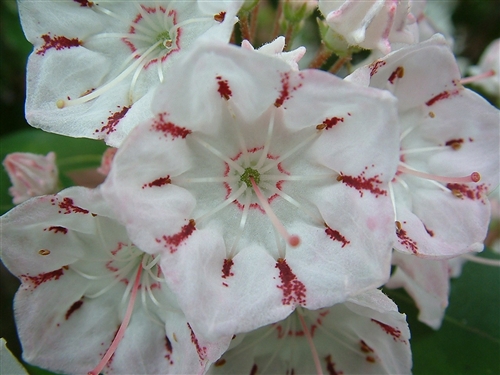
Some flowers seem just one color to a casual glance. If you look closer, you see intricate patterns of tone and shading. William Blake knew all about this:

To see a World in a Grain of Sand
And a Heaven in a Wild Flower 
Hold Infinity in the palm of your hand 
And Eternity in an hour

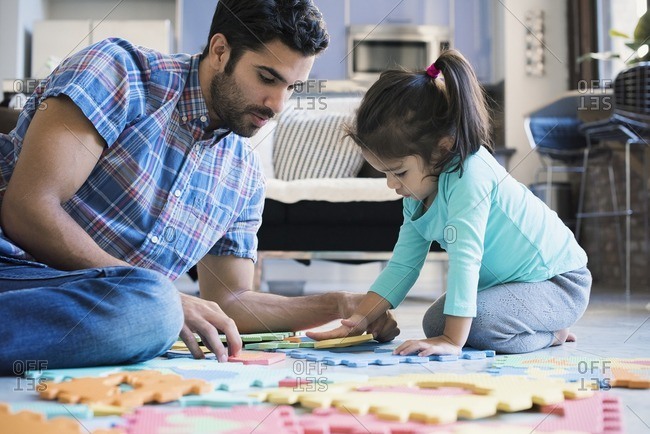
If you’re lucky enough to be around children these days, savor them. They are exhausting, often annoying, and they too feel the stress of this terrible time. But how beautiful they are! And when they’re happy, how sweet.

If you have a chance to hang out with a child, put your phone down. Drop your agenda. Listen to whatever that child wants to say. Play whatever game they suggest. Focus on this precious moment. You can live in timeless time with that child: “eternity in an hour.”

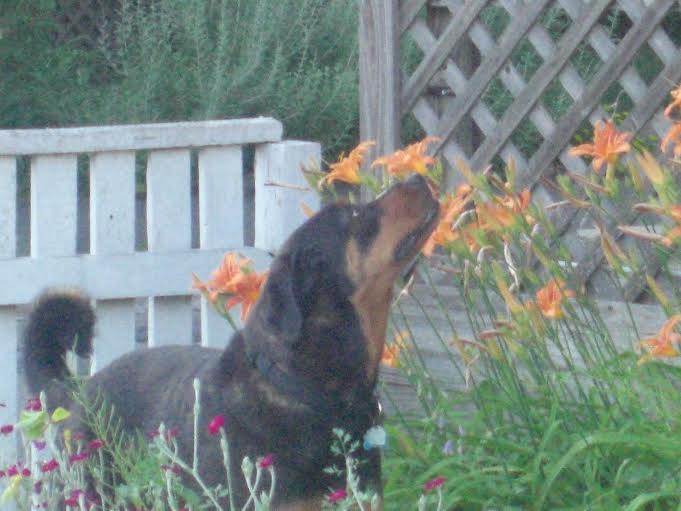
No wonder so many people want dogs these days. They too live in the eternal present. All animals do, but dogs enjoy us living there with them. This is their great gift to humans, worth all the food and vet visits and poop-scooping. They introduce us to the here and now.

And if you don’t have access to dogs, or children, look for other ways to enter that timeless time. Grow a plant in a window sill. Pick up an instrument. The world is full of beauty, even here. Even now.