The women were nervous when we entered the Statehouse. They had chatted excitedly all the way from the welfare motel in Everett, where two volunteers with vans had picked us up. But now the sight of the enormous gold dome, the series of broad granite steps, and the lofty, echoing marble entryway intimidated them into silence. I handed out the information packets we had written together. Before they split up to go to various legislators’ offices, I reminded them that they were the experts. They were here to educate their elected representatives about family homelessness.
I was here as a baby-walker for one mother who couldn’t keep her infant quiet while she was sitting still. He slept on my shoulder as I wandered the halls. I was also responsible for a four-year-old, antsy from months of confinement in one room, who darted around touching things but came when I called her. I consulted my hand-drawn map to find the offices where we had made appointments. Sometimes the doors were open, and I could see the women talking calmly to the men behind the desks. During our training sessions, I tried to build their confidence by assuring them that they had built-in advantages communicating with the reps, since they were women and the reps were, well, men.
At one point, the elevator doors opened near me and my small charges. In the elevator stood that redheaded scourge, Barbara Anderson, then head of Citizens for Limited Taxation, and her coterie of tall white men in suits. While the doors stayed open, I blurted: “You’re kicking families out of their housing! You’re hurting old people and sick people! Shame on you!” Everyone in the elevator looked over my head, stone-faced. The little girl asked me why I yelled at that woman. “She’s part of the reason you and your mom had to leave home, honey.”

This was an emergency situation, even for people whose whole lives were one long emergency. Massachusetts was planning to kick hundreds of families out of shelters and motels when the federal funds ran out, refusing to pick up the tab for their stays with state money. That deadline was approaching for many in the following week. These were women and children, and a few men, with absolutely nowhere else to go.
It was the late 1980s. Reagan was tough on poor people and all the programs ever designed to help them. I had been hired by an anti-poverty agency with the dregs of state and federal funding to organize people on welfare. People on welfare, I soon discovered, did not want to stick their heads up for fear of losing the little they had. They were happy to meet once a week and eat free doughnuts and complain about the system. They provided good support for one another. But they were not going to speak out in public and risk coming to the attention of the authorities, which could cut off their benefits for any reason at any time.
Families in the welfare motels, however, were facing eviction from their last housing option. They had nothing left to lose. They were angry, and scared, and they were ready to fight.
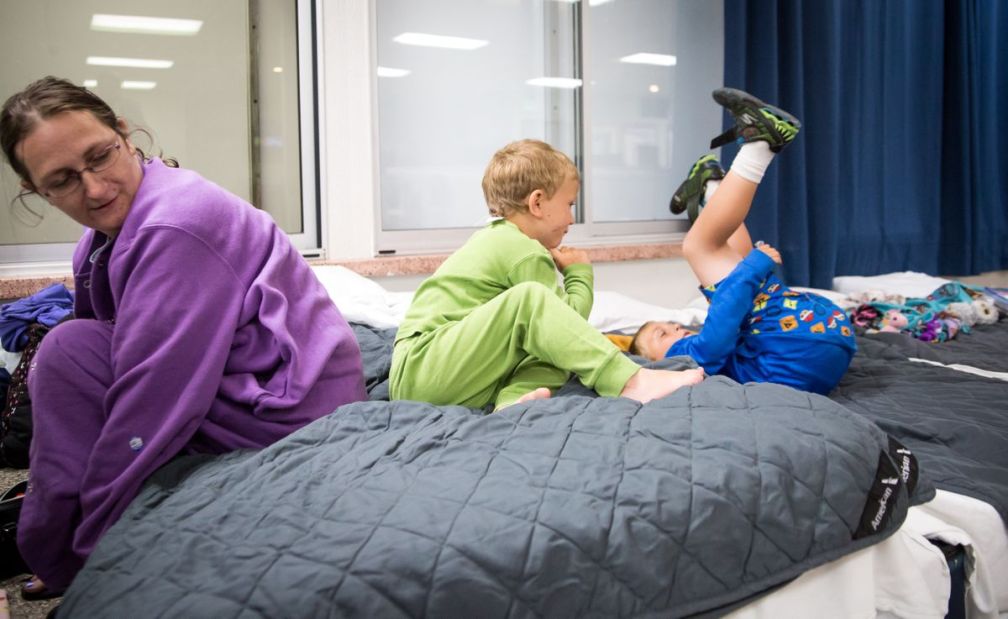
The welfare motels were terrible housing, but better than nothing. Several kids could be crowded into one room with their parent. There was mold; there was falling plaster; there was broken plumbing; there were cockroaches. The hotels would not allow hotplates so all their meals were cold. Children had no place to play, and often could not reach the schools in their home communities.
Parents were already traumatized. Some had suffered an accident or illness that made them unable to work for a time. They lost their jobs, then their housing. Some had gotten the short end of the stick in a divorce. One married her high school sweetheart and soon got pregnant. When the baby was born, her husband left her, disappearing with their car and all the money in their bank account. Some women had children with medical problems, and the only way to get health care for them was to leave their jobs and go on welfare. Many of these families had suffered actual eviction, where they watched as sheriff’s deputies carried their belongings out to the street.
The women told their stories to the legislators. They also dispelled some myths. Most people on welfare were white. Less than half of all families on welfare had access to any public or subsidized housing. The majority had worked full time until they no longer could, often because they couldn’t afford childcare and refused to leave their children alone. Some had worked part time, under the table, because every dime they admitted to making came out of their welfare check, which was about half what they needed to survive. Sooner or later they couldn’t make the rent. They and their children couch surfed with friends and family members until they got kicked out. Some had already lost a child to the foster care system because they had no safe place to stay.
We met up at the agreed-upon place and time. The women were exhausted. On the way home, they talked about the legislators’ reactions, or their lack of reaction. None of the legislators had known about the planned evictions until the women told them. Some of the moms said they had spoken with a reporter for a local news radio station, the only media person who responded to the press release I had sent to so many.
Back at the hotel, we all crammed into one room to watch the six o’clock news on tv. We were astounded to see the state welfare commissioner make a statement, in the midst of camera flashes and boom mics. The state had never planned to evict homeless families from the hotels, she said; that was all a misunderstanding.
In the motel room, there were screams and laughter and hugs and tears. These women were warriors. They were fighting a war against impossible odds. But today, on this battlefield, they had won.
 Alice T4