More Adventures with Homeless People

Talk radio is a tough medium. Hosts can be hostile; callers are often abusive. Liberal pundits avoid these venues, where they come under attack with no one to defend them. Facts turn out to be puny weapons against ignorance and prejudice. But the guests on this particular show were as tough as the medium. And they came armed with more than facts. They had stories to tell.

More than 30 years ago, I sat in the green room at WRKO in Boston, watching four women battle with host Gene Burns and his right-wing audience. These women were homeless along with their children. They were living in welfare motels and time was running out on their stays. If they couldn’t find anywhere to move when their time was up, the state would put their kids in foster care and they’d be on the street. They had nowhere to move; if they hadn’t already run through all their options, they wouldn’t have been in the motels. They were desperate. They were angry. They had nothing left to lose.

Burns expected these women to be victims, or leeches. He had no idea who he’d be dealing with. These women were warriors.

TriCap, a local anti-poverty agency, had hired me to organize people on welfare, scraping my poverty-level salary from the dregs of federal and state programs. I got to know dozens of homeless parents over a year of meetings. These four women were among the most articulate and clear-minded people I had met. They had been training for this show one day a week for a month.
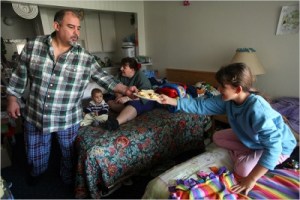
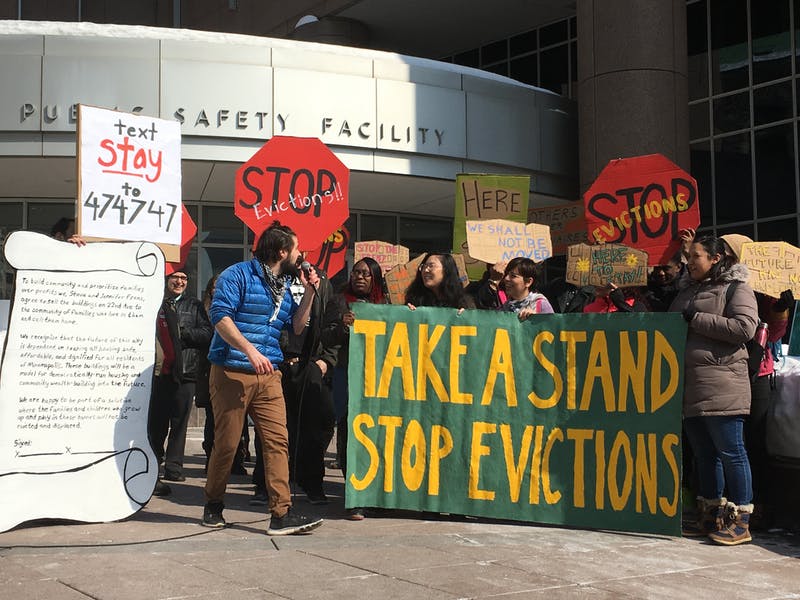
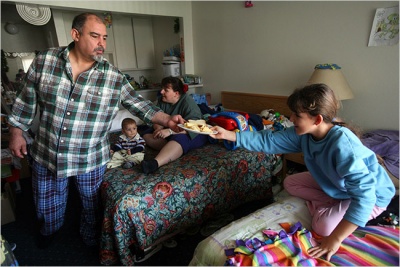
In Massachusetts, families can only get shelter if they go through the whole eviction process, waiting until the Sheriff throws all their belongings out on the street.
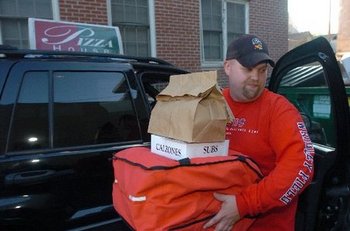
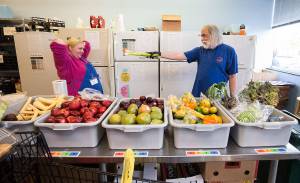
photo from Bread of Life in Malden, MA

At our first training, the women told their stories. One survived a serious illness but lost her job. Another one’s husband disappeared with their car and their life savings. Another fled a man who had raped her daughter. The fourth had been trying to escape dependency by going to college, until the state raised the fees so she could no longer afford rent. The women critiqued one another’s stories: be sure to tell that part, maybe leave those details out.

At the second training, we brainstormed how to respond to the worst calls they might get on the show. They came up with witty rejoinders to every ugly assumption, corrections for each common misunderstanding. They practiced responding calmly to name-calling. We laughed a lot that day.

The Massachusetts Coalition for the Homeless sent a policy wonk to our third meeting. She handed out one-page fact sheets and the women quizzed her on state policies. That was a serious discussion. We had pizza, and they brought leftover slices back to the motels where volunteers had been taking care of their kids.

Our fourth meeting wasn’t really a training. The only thing we did was tell our birthing stories. Only mothers can stand all the gory details, and even relish them, if mother and baby survived. By the end of that day we were sisters.

Burns had booked the women for the first hour of his four-hour show. After that hour, he called me in the green room to see if they could stay another hour. He did that twice more. When they started talking, he was skeptical and condescending. But as they answered his questions honestly, and met his listeners’ nasty comments with humor and understanding, his attitude shifted. Eventually he started saying things like “I can’t believe this is happening in America” and “This is such a cruel system, we have to change it.” Even his callers began to show some respect.

The show ended at 2pm. Burns thanked the women, praised their intelligence and courage, and then told them the station wanted to treat them to lunch at a nearby Italian restaurant. That was the first hot food some of them had eaten in months. They weren’t allowed to cook in the motels. Everyone got boxes for the leftovers, to give their kids.

We had to take three trains back to our ride in Revere. An old man was playing guitar in the Park Street subway station where we waited for the first train. He began to sing “Dream a Little Dream of Me,” a standard by Doris Day that everyone seemed to know. We sang along.

Sweet dreams till sunbeams find you
Sweet dreams that leave all worries behind you
But in your dreams whatever they be
Dream a little dream of me

When our train came in, I gave him my box of leftover lasagna. After we got on board, he blew us kisses while we waved and smiled.

Burns told us that his show reached 100,000 people. Two weeks after the women’s show ran live, he played the whole thing again, on Mother’s Day. Who knows how many minds the women changed. Maybe the strength they showed that day was enough to bear them through whatever came next. But I don’t know what happened to them. Their time at the motels ran out, and in those years before cell phones and email, we had no way to stay in touch.

Today, the US is about to experience a new wave of homelessness, worse than the one Reagan caused when he destroyed affordable housing programs in the 1980s. There have been eviction moratoriums during the pandemic, but they don’t cover everybody and they can’t last forever. Sooner or later, the rent will come due. Many renters won’t be able to pay. Some will find new, cheaper housing. Some won’t.

There are still talk radio shows people listen to while they drive to work, and podcasts galore. Pundits will share what they think about homelessness. I hope somebody remembers to ask the homeless.
Tax the Rich

The USA is at a turning point. This country has been a disaster for the past four years. We just managed to fire the man who almost destroyed the rule of law, undermined education, greatly increased the flow of money from the poor to the rich, harmed the environment, alienated our allies, and encouraged racist, misogynist, xenophobic, and violent behavior. The virus is still raging here because of his indifference and incompetence.

Now scientists around the world are developing vaccines faster than anyone thought possible. And evidently the Trump administration had no real plans to get them to us.

These are thrilling and dangerous times. We have to change our way of living, fast, to survive. Wearing masks and isolating ourselves for a few months, this time like we mean it, won’t be impossible if households get adequate subsidies. The way many other countries have handled COVID has proved we can do it if we try. We know our hope lies in coordinated communal action. Once the worst of the pandemic has receded, we’ll need this knowledge to cope with global warming.

Tens of millions of Americans are hungry and homeless, or close to it. Hundreds of thousands of families grieving unnecessary deaths. Businesses gone, children behind in their education. Health care workers exhausted and burned out. It’s staggering how much mental and physical damage we must try to heal. We’re all the walking wounded.

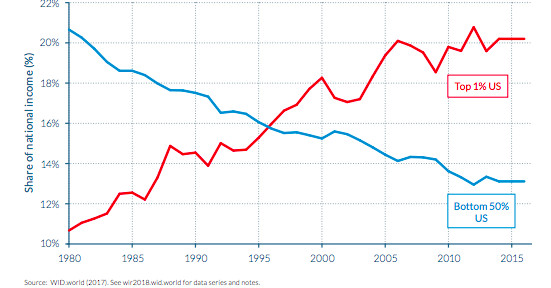
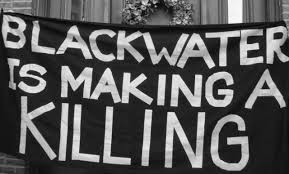
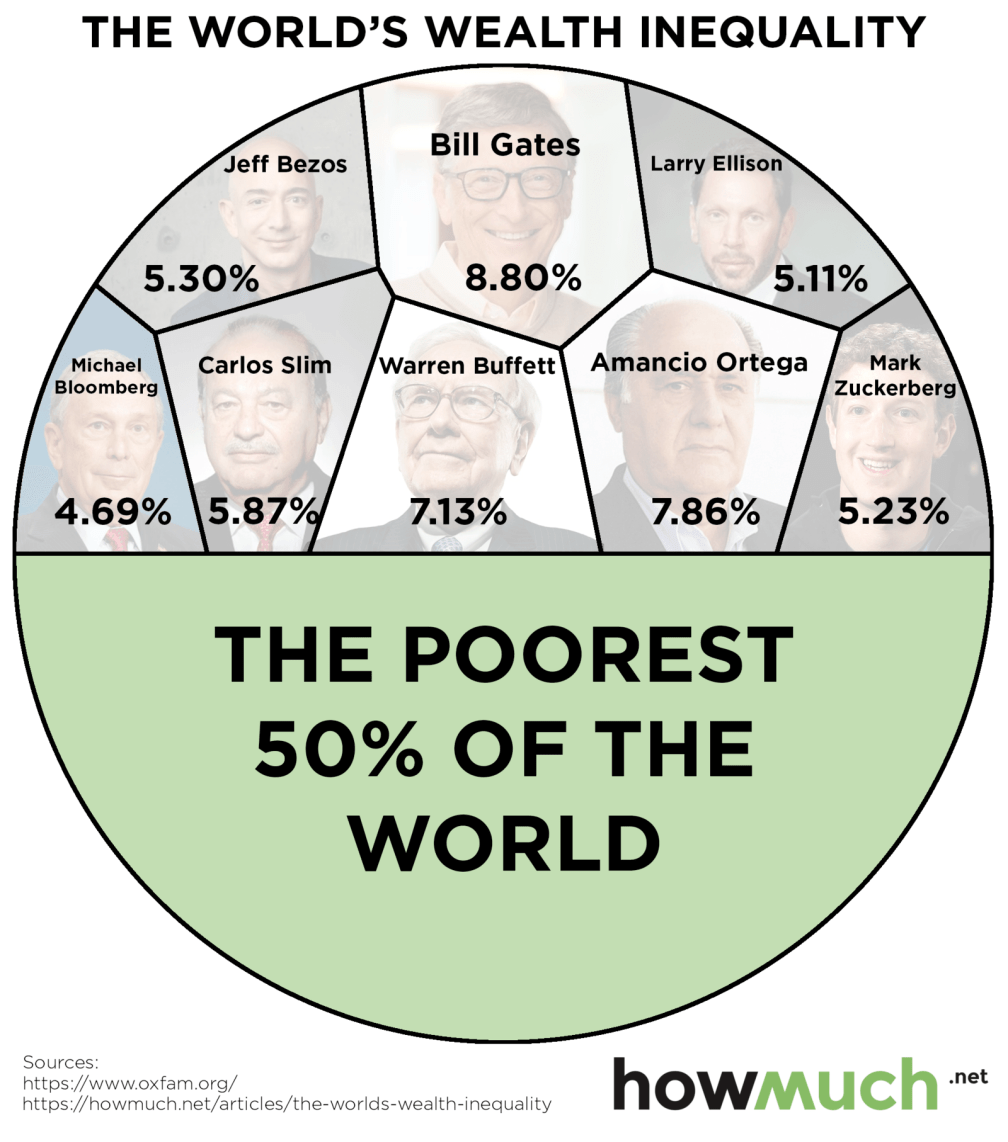
The rich have been getting richer for a long time, but the trend has accelerated over the past 40 years. Where did all the billionaires’ money come from? Working people have been paid too little, and been charged too much. Now our communities have been sucked dry by this wicked scheme.

We have to take the money back to do what we, the people, need it to do. We need it to feed the hungry, house the homeless, heal the sick, and teach the children. We need to clean up our nasty habits, train ourselves to stop mindlessly consuming as though earth’s resources were endless, and help rescue our species from climate change.

This is a new era. It’s time to tax the rich.

Out of Balance

It’s the fall equinox today. Day and night are balanced. California and Oregon are burning. The earth is out of balance, and so is the United States.

The Awesome and Notorious RBG finally died, 45 days before the election. Trump will ram through some anti-abortion right-wing nutjob for the Supreme Court, and McConnell will rush them through the Senate confirmation.

Some people are still holding out hope that Susan Collins will vote no. They always hope she’ll do the right thing, and she never does.

There’s a reason people are almost as angry with establishment Democrats as with the completely corrupted and spineless GOP. Neither party has done much for working people in the last 40 years. Obamacare helped; but Obama was a negotiator, not a warrior. The Republicans stopped him cold two years in.

Meanwhile the rich have kept getting richer, and the rest of us have gotten poorer. The USA’s record concentration of wealth has been stolen from ordinary workers. We need a wealth tax to get it back.

Don’t expect Biden to give us what we need, if we’re lucky enough to have him win the election. The only way we’ll get health care, affordable housing, student debt forgiveness, a Green New Deal, and significant change to our policing and prison systems is if we insist on it. The American people must lead.

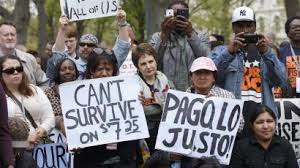
Make a sign. Write an email. Tweet your legislator. The real struggle starts after the election.

Sorted by suffering

One third of us are going to work. These people are in danger of bringing the virus home with them, and of getting sick themselves. These people are afraid for their lives. Some feel they have no choice. Some are making a brave and noble choice.

One third of us are staying home and working. These are the lucky ones in many ways. But isolation is a serious kind of suffering. These people are fighting to stay sane, to stay relatively cheerful, to take care of themselves and keep from taking the stress out on their families.

One third are staying home, not working, not getting paid. The financial stress is terrible and getting worse. Communities of color, poor people, and immigrants are getting hit worst of all. Many laid-off workers never imagined they would be looking for food pantries.

Right now, few people are in good situations, and the few who are tend to be white and rich. The rest of us need more help, and more kinds of help, than Trump is willing to give. The sad fact is that no amount of our suffering will move him. He doesn’t care how many of us die. The only things he cares about are his own wealth and his own power.

If Trump has his way, businesses will reopen far too soon, and the US will experience a second wave of the pandemic. We have to hope governors have enough sense to stand up for the lives of people in their states. We have to hope people have enough sense to stay home, as hard as that is. And we have to hope that our fellow Americans will be generous and kind, as well as patient. In the absence of sane federal leadership, we must depend on one another.

Working-class Poverty

The poverty I know from the inside is working-class American poverty. Billions of people around the world are suffering from much worse forms of poverty, but I’m thankful that has not been my experience. American poverty is bad enough.

American poverty means never being able to pay all the bills. You rob Peter to pay Paul: you pay the electric bill this month, the water bill next month. You agree to pay the dentist $20 a month forever. The cost of everything goes up: food, rent, health care, gas. Your income stays the same.

Minimum wage is not a living wage.

Maybe you take a second job, leaving your ten-year-old to take care of the six-year-old after school. You sell your guitar and your great-grandmother’s necklace. Maybe you move to a smaller, cheaper place further from town, although it means even less time with your kids and more money for transportation.

You stay awake at night worrying about money. You are anxious all the time, and your frustration affects your relationships. It’s hard not to take things out on your partner or your kids. You have no energy for your friends or for taking care of yourself. The stress is nonstop.

And now, with the pandemic, you might have lost your job, or your second job. Or you’re in one of those essential job categories and have to keep working even though you’re afraid it endangers your family.

The American myth is that in this country, all you have to do to get by is work 40 hours a week. If you play by the rules, you will rise up in your field over time, and before long you’ll be doing fine. This has not actually been true since the 1970s.

The truth is that only the rich do better over time. In the past four decades, most of the income growth has gone to the top 10 percent. In the decade plus since the last recession, nearly all the growth has gone to the top 1 percent. Meanwhile, the median wage (half earn more, half earn less) for an individual is about $27,000. That’s about half of what a household needs to survive, at least in most cities where there are actually jobs.

Too many hours, no over-time

Since Reagan began the deliberate destruction of unions, workers have been putting in more hours for less money. We have lost the ground gained by the labor movement almost a century ago: the average American work week is now 50 hours, not 40, and many salaried workers routinely put in 60 hours a week just to keep their jobs, for no extra pay.

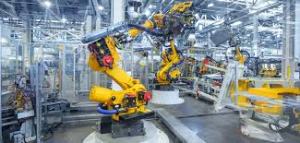
Corporations have figured out that it’s cheaper to pay slave wages overseas than to give Americans decent wages. It’s cheaper still to replace humans with robots. Unless we make some radical changes to economic policy, more and more Americans will find themselves desperately seeking even the lowest wage jobs, and struggling to keep their families fed and housed.

These days, due to wildfires, hurricanes, and now the pandemic, millions of Americans are finding themselves newly poor. Chances are that most of them will stay poor for a long time.

It’s easy to fall into poverty. You lose your job, or your house, or you get sick, or you have to take care of a family member, and boom, you’re poor. Unless you have rich and generous relatives, or you’re otherwise well connected to rich people who can help you get back up, once you are down you’ll most likely stay down. The system is designed to keep you there.

If you are stuck in poverty, try not to blame yourself. America is being run for the benefit of the wealthy, and the more who are living in poverty, the easier it is for the rich. There’s so much competition for jobs that they can keep wages ridiculously low. This is a social problem, not a psychological problem. You are not lazy or shiftless or stupid. It is our society that needs to change. What you need to do, with any time and energy you can scrape together, is join forces with the millions of others who are trapped by working class poverty, and fight to make that change happen.

Becoming Poor

Things get shabby.

Things get shabby. Paint peels off the house. The car gets older and older and you keep fixing it because newer cars are too expensive. Your towels and sheets wear thin. Anyone can look at your clothes and know you have no money.

You eat more fats and sugars because meats, fresh fruits and vegetables cost too much, and chips and cookies are cheap and filling. You gain weight. Joining a gym is not an option. You get depressed. Maybe you drink. Beer is cheap and filling.

You buy things in small quantities, even though large quantities are a better value. You can’t afford to save money on the “economy size.” If you were saving for retirement or a rainy day, you realize it’s a rainy day and you spend your savings.

You learn to say no to your kids. A lot. No to ice cream on hot days. No to the sneakers all the other kids wear. No to birthday parties, karate lessons, soccer lessons, music lessons — but in the days of pandemic, at least the kids know all their friends are in the same boat.

You gradually lose touch with your richer friends and the more upscale members of your family. People think poverty is catching. People are afraid yours will rub off on them. You feel ashamed and needy; you feel anxious and guilty; you wonder where you went wrong.

All these things are happening to millions of Americans right now. Mostly, we blame ourselves for our financial problems. We are taught that America is a land of opportunity, so if we’re poor it must be our own fault. We must not be trying hard enough, or we’re stupid.

But poor people, in my experience, are exactly like rich people, except they have no money. Their poverty is most often not due to any defect in themselves; the cause is a system that allows workers to be underpaid, given no job security, and offered few benefits. The rich people who control both parties have deliberately undermined unions, which used to be our best means of leveling the playing field. Now everybody is on their own, playing on a field that keeps tilting so all the money slides to the rich.

In this system, it’s quite clear by now, the rich keep getting richer, and the divide between the rich and everybody else keeps getting wider. Safety nets have been quietly shredded for the last 40 years, so if you get in trouble you tend to stay in trouble. An accident, an illness, a job loss, or a divorce can make the bottom fall out of your life. And now the virus has pulled the rug out from under most of our lives.

This country used to try to take care of all its citizens. Then the doctrine of greed took hold, around the time Reagan took office. Gradually we have gotten crueler and crueler to poor people. The media ignores them. Government pretends that charities will make sure nobody starves or sleeps on the street. And most of us have tried to forget that poverty is only one misfortune away from claiming our lives too.

Now poverty will be the new normal. The newly poor will need government to do what it needs to do, which is guarantee minimum income that will keep all of us going until a new economy gears up. Our current federal government does not care how many of us die in the meantime. We’ll see in January how hard our new government is willing to fight for the survival of ordinary Americans.

What we do now.

Stay put. If you can’t pay the rent or the mortgage, don’t let anybody make you move out. Stay connected. There are free internet services available now; find one. Stay safe. Make yourself a mask and wear it whenever you leave your home.

American society has been run by money. What do we do when we run out of money? Since the Reagan era, we have been told poverty is the fault of poor people. We felt ashamed to need help. Government has provided less and less help to poor people over the last four decades, and most of us were too busy or too selfish to care. Now millions of us are becoming poor for the first time. It’s quite clear that this new poverty is not our fault. We’re just trying to survive, which in many cases means staying home from non-essential jobs.

As long as middle class people felt relatively secure, many of us assumed that non-profit organizations like food banks would take care of the needs not being met by government programs. These days, we’re learning that the non-profit sector is far too small and poorly funded to meet those needs. Food banks help. There are just not enough of them to feed every hungry family.

We have to stand our ground. Housing, food, health care, basic utilities including internet connections — these are human rights. Now is the time to claim those rights. We know money isn’t everything. Let’s prove it.

When the Money Runs Out

Those checks better start showing up. No doubt they will be far too little and for many people, far too late. The clueless US government did not prepare for a pandemic; in fact they took apart the preparations already in place. So we have to doubt they’ve thought much about what people will do when the money runs out.

People will not sit home quietly and starve. They will keep going to the grocery store and shopping for food. They just won’t pay for it.

Will the underpaid, overworked, barely protected grocery clerks stop people from leaving with their groceries? Will they be too afraid of losing their jobs to let their hungry neighbors eat? How can we avoid food riots and looting without much more help from the government?

So far, in the absence of sane federal leadership, we have seen governors, mayors, and millions of untitled US residents step up to show the way forward. We have seen numerous, startling examples of everyday heroism, generosity, kindness, and creativity. People are standing up for one another.

But soon the worst of the epidemic will hit, and the worst of the financial consequences will follow. What will happen when the money runs out?

The government should set up massive food banks and delivery systems. But given the fascist tendencies of the Trump administration, it seems possible that instead they will send the National Guard to enforce the cruel laws of capitalism. It is also possible that the National Guard believes in democracy, not capitalism.

It is possible that the zillionaires who have been running America do not really understand us at all.

Downsizing Blues

In the industrial deli
I’ll have the CD on rye
Well I was running the rat race
But I’ve been disqualified
So give me an order of data to go
I’ll eat it by the TV while I’m watching the snow

At the industrial deli
We wear the company hat
I’ll have the white collar special
Do I get fries with that?
There’s a crowd in my coffee, a bug in my tea,
Every time I turn around they try to automate me

I’ll have to do some moonlighting
to beat the downsizing blues
You’ll see me doing my new job
in my high heeled shoes
I know what to do with a working stiff
I’ll be a boy’s best friend on the midnight shift

Collateral Damage

You’re not responsible for the damage that you do
Somebody’s gotta clean up your mess, but it sure ain’t gonna be you
You’ll give yourself glory when you tell us the story
and some will believe it’s all true

But you don’t care, it’s collateral damage
You had a job to do, they just got in your way
They don’t count, they’re collateral damage
You take what you want, and make the rest of us pay

You praise capitalism, and you give free advice to the poor
They just have to work hard, you say, and they won’t be poor no more
Poor people shouldn’t need your help, they should be ashamed to ask
Meanwhile your accountant gets you out of paying any tax

But you don’t care, it’s collateral damage
Markets will rise, and then markets will fall
You say the poor shouldn’t be such sore losers
Didn’t they know that it’s winners take all

You’re a player in the arms trade, making real big bucks off war
You don’t worry yourself too much about what the war is for
You just like to blow things up and watch all the people run
It’s just like playing a video game once the killing has begun

And you don’t care, they’re collateral damage
None of them had a face or a name
Notch your belt, they’re collateral damage
After all, they’re just pawns in the game

Eight Bucks an Hour

Eight bucks an hour is plenty of pay
as long as you don’t need to eat every day.
Frisco, Los Angeles, New York too,
take your whole paycheck when the rent is due.
Many generations have fought for the right
to work eight hours and go home at night.
They fought for a paycheck to cover the nut,
food, shelter, healthcare, the basics, but
in spite of all of those battles won
it seems like the struggle has just begun.
“You’re waging class warfare!” the right’s accusing.
Well the war has been raging. And guess who’s losing!
The poor have to scramble after every dime.
Revolution? Who’s got the time?

Communism popped like a big soap bubble.
It’s capitalism that now is in trouble,
rotting inside like a moldy pear,
’cause the way that it works is so far from fair.
Money makes money, penny makes penny,
You’re out of luck if you don’t have any.
When you work all the time and you still can’t save,
you’re not a free person, you’re a virtual slave,
nose to the grindstone, you never get ahead,
work every day til you wake up dead.

The whole world over, workers have to fight,
’cause a living wage is a human right.
All over the world, change is way overdue:
Too many suffer for the good of the few.
A living wage for every person would sure
Help to close the gap between the rich and the poor.

But of violent revolution I never would sing
‘cause war is just more of the same damn thing.
We need a big change, but the change must start
in the loving kindness of the human heart.
Set a course toward justice and hold it steady.
Too many people have been hurt already.
If we can make a world where everybody’s fed,
everyone’s got a place to lay their head,
if we can make a world where we care for each other,
student for janitor, sister for brother,
maybe we can stop all this waste and war,
and keep from dying out like the dinosaur.
This species is heading for some heavy weather.
We’re only gonna make it if we stick together.

Wondering Blues

Everybody’s been bought and paid for
It makes us cynical and sad
Everybody’s worn out and weary
Too many years of getting mad

Hasn’t been justice, hasn’t been peace,
Righteous anger but no release
We know that violence is not the way
But how many dues do we have to pay
How many fallen along the way

Oh when, when will we get there
To the place where we can stand together
How do we take back the earth

When are the meek gonna rise up
Wipe all the tears from our eyes
Give each other a hand up
When will people all stand up
And fight for our grandchildren’s lives
Figure out how to survive
This planet we’ve changed with our strange, strange ways

All the good people caring for people
Trying to make life better for all
So many struggling alone with their burdens
No one to catch them if they should fall

Our heroes are selling us sports cars
Our leaders are telling us lies
Our scientists tell us to worry
Our media tell us to buy

They’ve made us so ugly, so stupid,
They’ve taught us to fear and to hate
Let’s not sit down on our couches
And get up when it’s far too late

Oh when, when will we get there
To the place where we can stand together
How do we take back the earth

Freedom Song

Things may be rocky
Things may be fine
Looks like we all have to
do some hard time

But deep in our hearts we are free, we are free
Deep in our hearts we are free

Don’t you despair, baby,
Don’t you give up
Whatever life gives you
drink deep from the cup

For deep in your heart you are free, you are free
Deep in your heart you are free

How can we keep falling
more behind each day
Doesn’t help to argue
Doesn’t help to pray
Can’t believe in heaven
Can’t see a way to thrive
Have to slave at two damn jobs
Just to stay alive

Too much to handle, babe,
too much to rise above.
But I can offer you
all of my love

For deep in our souls we are free, we are free
Deep in our souls we are free

Homeless Blues

A dollar bill is easy to give
It takes a thousand for a place to live
Give me a nickel, pay me a dime
Oh brother don’t you waste my time

Cause it’s a hard way
a hard way to get by
I keep on walking
but sometimes I wonder why

Once had a lover, once had a home
Now I got nothing to call my own
I tell you sister and I tell you true
You must be kind ’cause it could happen to you

And it’s a hard way
a hard way to get by
I keep on walking
but sometimes I wonder why

Peppermint schnapps is my favorite treat
It helps to insulate me from the street
I play the Lottery — I plan to win —
I’ll buy a liter when my ship comes in

When I die and reach the Pearly Gate
I’m gonna find myself a heating grate
That’s the one thing for which I pray
Some place the cops can never chase me away

‘Cause it’s a hard way
a hard way to get by
I keep on trying
but sometimes I wonder why

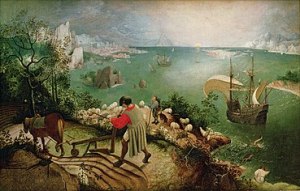
If Icarus Did Not Fall

Imagine Icarus in reverse: instead of an innocent horse
scratching its behind against a tree
while the hero flies too high
and goes down in flames into the sea

What if Icarus succeeds in his flight
and as he coasts to triumph,
behind him the farmer’s barn is burning

So Elon Musk is playing with space flight
using the money he took from the rest of us,
at this time when we the people
need every resource if we are to survive…

Such contempt for our little lives!

It Says Meek, Not Stupid

The gentle have begun among us
working slow magic like the growing of roots,
deep magic like the flowing of blood or traffic.
The only thing that stands between them
and complete world domination
is the illusion that there is something
going on here besides naked apes and stuff.
It’s the dazzling varieties of stuff,
the infinite kinds of stuff everywhere on display
though mostly out of reach, that makes
the apes in charge seem invincible.
They have nearly everything, and the meek
believe that that makes a difference.
Surrounded by rooms of furniture,
by exquisite clothing, jewels, flowers,
by underlings to satisfy any whim,
with powers of life and death over other people,
the rulers are well defended.
But the meek have numbers. One day the meek will notice.
And then it will all be over in the twinkling of an eye.
They are meek, not stupid.
And they have already begun.

News Flash

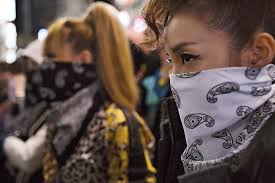
Banditas with strollers and water pistols
shot the Minority Whip today
for whipping minorities.
They shot the Governor with
disappearing ink
for disappearing on poor people.
They hung the image
of a public servant
by his red power tie
for serving power
instead of the public.
They held up the Treasurer
for money to feed their children.
Nobody saw their faces.
Nobody knows their names.
All we know is
some of these mothers are angry.

Seeing Past the Rich

The images we see day in, day out, in most media, fall into two main categories: flattering pictures of rich people, and ugly caricatures of the lower classes.

Our reporters, our anchor-people, our directors and producers, are either upper-class or aspiring to be. Nearly all of our politicians are rich; the few exceptions stand out. Top scientists, famous artists and entertainers: they’re all rich. Our celebrities get rich as soon as we hear about them, for whatever reason. These are the people we gossip about. These are the people we watch.

These are the people who’ve been deciding what we talk about, what we care about, what’s important. But what do they know about what’s really important in the lives of the rest of us? The ones who do know something about the lives of the non-rich generally try to forget. People are afraid of poverty like it’s a contagious disease. So mostly we get to see the world outside our personal spheres through the lens of people with money.

The best people in media tell our stories, the stories of ordinary lives. But we need to speak for ourselves, tell our own stories, stop being ashamed of not being rich. Poverty is not a character flaw. Many honorable, smart, and talented people have no money.

Usually, when we see poor people on mainstream media, they seem neither honorable nor smart. They jump and shriek like small children on game shows. They spout clichés and disrespect themselves and one another on “reality” shows. They snivel and smirk in crime re-enactments. If we believe the images we see, we think poor people deserve to be poor.

The Christian Bible, often used to justify unchristian behavior these days, still contains useful and powerful ideas. It says, for example, that ordinary people are the salt of the earth, and asks, if the salt should lose its savor, how the salt shall be salted. I take this to mean that if we stop appreciating the qualities of ordinary people, we will lose our taste for people altogether. Watching the curated fakes on television, the preening “winners” and ridiculous “losers,” can have that effect.

In real life, any quality that is beautiful, humane, and noble can be found in the hearts of poor people, if it is to be found anywhere. The quality of loving-kindness has been devalued in public life: to be kind is to be a fool, a sucker, to give more than you have to, when you could keep more for yourself and be counted wise. To be kind and caring is to value other people over financial wealth. People who base their lives around caring therefore pose a deep challenge to the status quo, and threaten the status of those who benefit from our current cruel and self-centered system.

To be kind and caring is to value other people over financial wealth.

Loving-kindness is the enemy of greed. People who live according to that standard tend to have little money. The true heroes of our society are the people who teach, who take care of, who heal, in their everyday lives. They rarely make the news. But let some greed-head give a tiny fraction of his wealth to an elite institution that will put his name on a building, and he gets fawning headlines and magazine puff pieces.

I remember when American values began to shift away from consumption and accumulation, and then were deliberately wrenched back. The revolution of the ‘60s turned many young people away from materialism toward a more spiritual existence. People were beginning to re-use and recycle instead of shopping for new stuff all the time; they were beginning to share instead of accumulate. Those whose lifestyle depends on the appetite of the American consumer felt threatened by this ethos of peace and love.

Reagan justified greed and blamed poverty on poor people.

The Reagan administration responded by redefining greed as a positive quality. Rich people were encouraged to feel comfortable flaunting their wealth. Poor people got blamed for their failure to make money. Never mind that it was possible, and is still possible, to work two full-time jobs and still not be able to feed and shelter your family. If you had no money, you must be stupid or lazy. This idea was easy for high-income people to accept. It meant they could ignore poverty without guilt; it meant they could lobby for lower taxes without worrying about the public good.

Private greed, as it turns out, does not mean that wealth trickles down to the poor. It does not serve the public good. Greed only makes the rich richer, and the rest of us poorer. This is the place where America has been stuck for 40 years. Isn’t it time we took another look at our guiding principles?

This country can be about more than the freedom to make money, even if that were possible for most Americans. This country can be about the most varied assortment of people, from everywhere, of every belief system, living together with mutual respect – living together in peace.

Seeing value and beauty in non-rich people might be a good place to start.

Race is an Illusion

Race is an illusion. Hardly anybody is as black or as white as they think they are. Of course racism is all too real. It’s just one of the many ways we have been taught to hate and fear other ordinary people, instead of our actual oppressors. But the “race” it targets is a product of the human imagination.

Gender is an illusion. Nobody is as male or as female as they think they are. Human sexuality is not specific about its targets. If something has a bump or a hole, somebody will want to make love to it. Sex is real, and we can talk about it forever. But if we’re not actually part of somebody else’s sex life, it’s none of our business and talking about it is just gossip.

As for religion, we’ve been arguing over those questions for tens of thousands of years. We have lately learned some tolerance for other people’s beliefs, but we don’t seem any closer to agreeing on answers. So, can we please take religion off the main agenda? It’s a side issue. We have to hang on to the Golden Rule, which is the foundation on which all religions are built. But the rest of every religion is testament to the fact that people will believe just about anything. Nobody knows whether there is a god or an afterlife. Everybody is guessing. Let’s move on.

National boundaries are figments of our imagination, enforced by the nations we have imagined into being.

Nations are just as made-up as those other fantasies. We draw imaginary lines on the earth’s surface, placed according to power plays, stories, and rivalries local or distant, and behave as though they made people on one side of them different from people on the other. Languages are real. Nations are collaborative fictions.

Money is also fictional. Worldwide, if everybody at once wanted to trade their money for real things, the real things would vanish long before the numbers on the balance sheets. There is nothing real behind the numbers. They don’t add up. The global economic crisis of a decade ago should have taught us that. Rich people are rich because we choose to believe the numbers. If we ceased to believe, they would just be naked primates surrounded by a bunch of mostly useless stuff, exactly like everyone else, though perhaps lacking in some basic survival skills.

All these imaginary boundaries between people have claimed multitudes of victims. The damage is real and ongoing. It is not enough to heal wounds. More damage will be inflicted until we realize that the boundaries, the categories, the divisions, are all products of our collective imaginations and we are free to stop believing in them.

Maybe then we can begin to pay attention to the real world, and how we can survive the damage we have done to it.

Every holiday season, the New York City Macy’s department store covers its block-long front with a huge neon sign saying “Believe.” This is a good way to sell unnecessary goods. Believe you need them. Believe you can afford them. Believe other people will love you more if you buy them things.

I wish someone would put up an equally huge sign across the street. This sign would read: “Doubt.”

The Occupy movement did our culture a great favor by highlighting income inequality, an issue that illuminates the tremendous imbalances we have to resolve. Occupy did not go far enough, however. The movement we need will not be about the one percent, or the 99 percent. It will be about the 100 percent – about everybody. Because either we figure out how to live sustainably together on the only world we have, or our species goes the way of the dinosaurs, without even a comet strike for an excuse. And once we’re extinct, there won’t be anybody left to care what color or gender or religion we were. So maybe we could try caring a little less about all that before it’s too late.