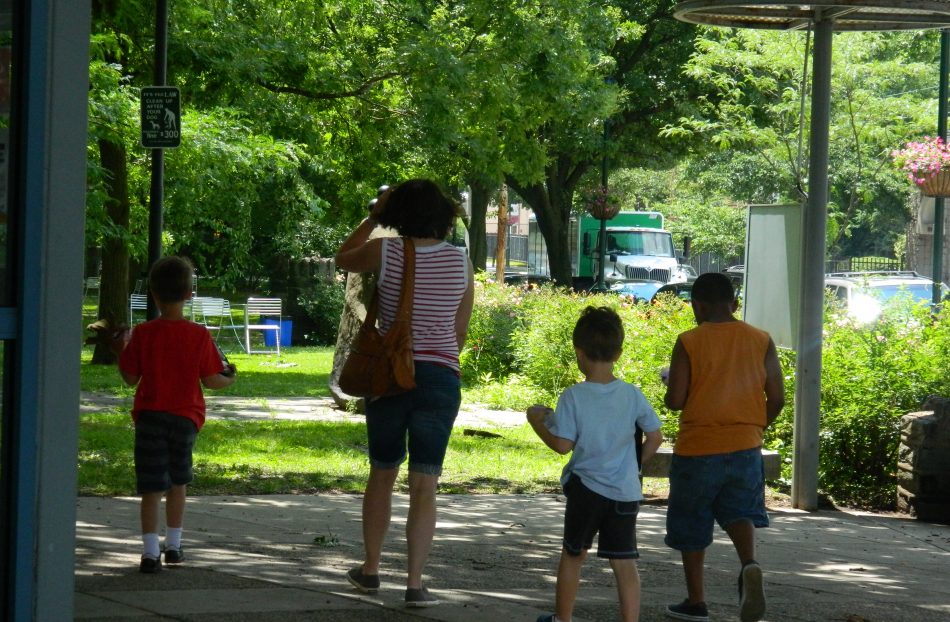
I live in a kind of neighborhood that’s hard to find these days. Kids rule the streets, playing ball and riding bikes. We can actually go next door and borrow a cup of sugar — or we could, until the pandemic, and one day we will again. People walk, on their own two legs, to little stores that sell the necessities of modern life – videos, manicures, lottery tickets, karate lessons – and on the way they stop and talk with whoever is out in the yard or sitting on the front porch. It’s like something out of a Norman Rockwell painting, except for one thing. The whole world is here.
There are Sikhs in turbans, orthodox Jews in yarmulkes, Muslims in headscarves, and Baptists who go to church every Sunday with the women in big flowery hats. There are dreadlocked Rastas, tattooed punks, and a transvestite with an artificial beehive.
Only the teenagers all look alike. No matter what their color, religion, or parents’ country of origin, the boys wear ball caps and enormous pants that mysteriously fail to fall off their skinny behinds, and the girls wear tops tight enough to worry their grandmothers.
And many of their grandmothers live nearby. Some families have lived here for generations and see no reason to move. This neighborhood works. People look out for one another. Small children play on the green space by the river while their parents take turns keeping watch. Young people hang out at the park, or play basketball and tennis on the courts, and old people sit on benches in the shade. Gardeners trade plants from their yards or the raised beds the city set up.
When some folks (mostly new to the neighborhood) objected to the regular gathering of older men under a big tree by the river and their ratty collection of old furniture, others defended the men’s right to be together in a public space. They don’t bother anybody, these folks argued, and they were here long before the people who minded their presence. A compromise was worked out. The men still park themselves under the big tree, but they have to park their rusted vehicles somewhere else.
A river runs through this neighborhood, bringing the immeasurable gifts of nature to city-dwellers. Whenever weather permits, the riverbank paths host strollers, dog walkers and joggers. During the pandemic, the paths are so crowded that social distancing gets quite hard to maintain. There are those who let their dogs leave a mess right in the paths. Amazingly, there is also a Poop Fairy who sometimes disposes of the mess.
As with any public park, government workers mow the grass, prune the trees, and stop industries from fouling the water. People complain about taxes like anywhere else, but when they’re pressed, most will admit that they’re getting something for their money here. It’s called civilization.
When people talk about “quality of life”, sometimes they’re just talking about the quality of things: the size of their houses, the newness of their cars, the fanciness of their gadgets. But when you come right down to it, as long as you have enough to eat and housing that keeps you warm and dry, your quality of life depends on your health and the people around you. If you’re well, and the people around you are happy and friendly, you have a good life. If you’re sick or lonely or live in a house full of tension and strife, it doesn’t matter how nice your stuff is.
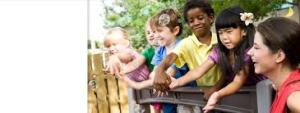
Neighborhoods make a difference. If you can go for a walk when you’re feeling down and see people who smile at you, you’ll come back with lower blood pressure and a higher heart. Good neighborhoods give you time outside work and family, space to live in a larger world. That’s real quality of life.
Good neighborhoods nudge people toward behaving decently. Out-of-control parties, parking conflicts, and other urban stresses can happen anywhere, but people with histories of civil behavior can work it all out. In the place where I live, people have come from every corner of the planet to create a new history of peaceful coexistence.
So let the yuppies have their McMansions where there are no sidewalks or corner markets. Let the super-rich live behind their high walls without bumper-crop tomatoes from the gardeners next door. I wouldn’t trade my quality of life for any of theirs.
I’ve lived in a lot of places, from a split-level in Scarsdale to a kibbutz in occupied Syria to a farm in a Kentucky holler, and this is the best place I’ve ever seen for raising a family. My kids didn’t have to travel the world to get to know its people. All they had to do was go outside to play, and the whole world came to play with them.
Does it get any more American than that?
 Alice T4