Strangers in a Strange Land

“You shall not oppress a stranger, for you know the heart of a stranger: You were strangers in the land of Egypt” (Exodus 23:9).
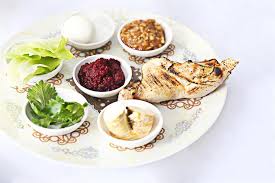
The Passover service reminds Jews that once we were slaves in Egypt. We also remember that not so long ago, millions of us were herded into concentration camps to be tortured, worked, or poisoned to death. These memories should encourage us to feel empathy for the people who are currently suffering under cruel regimes.

Most Americans are now aware that the Trump administration is a consistently cruel regime. Some of the meanest people Trump could find are running our government. Times are hard, and about to get harder, for anybody with little money. For immigrants, life has become not just hard but terrifying. Not much prevents ICE from disappearing any of them into some hellhole in El Salvador for no reason at all.

Jews left Egypt because Pharaoh had made life unbearable for us. But after our miraculous escape into the desert, some missed their old homes, especially the pomegranates and figs. We were free, but the migrant life brought us a new set of troubles. Few people leave home if they don’t have to. We love the landscapes, people, and communities where we grew up. If we can stay home and make a living in peace, that’s what most of us prefer to do. But if staying home means that our families are subject to violence, extreme poverty, or other forms of oppression, sometimes we have to leave.

According to the Economic Policy Institute, there were around 48 million immigrants in the USA in 2022. Some came because their relatives were here and could find jobs for them, or to study at our great universities. However, many of them were fleeing terrible conditions in their home countries. They had to leave. They crossed deserts, rivers, and mountain ranges to get to this country, where they hoped to be able to live in peace.

Immigrants look for work in sectors where there are labor gaps, in agriculture, health care, or construction. They include doctors and software engineers as well as farm workers and care providers. Together, they generated $4.6 trillion in economic output in 2022. Often they pay taxes without gaining the benefits citizens expect from the government. Without their youth and vigor, our country would not be able to support our aging population as it retires. We owe them a lot.

In addition to what US citizens gain in needed labor and new business ventures, we get a range of wonderful new food and music to enrich our lives. Anybody who visits a major city in the US can find and enjoy nearly every culture in the world. This has always been part of why most of us love this country: everybody is here. People from Iran and Iraq, China and Japan, Russia and Ukraine, manage to live together in America. Within a generation, they are as American as it gets.

Yet instead of welcoming these people who went through so much to get to our country, our government treats them like criminals. Democratic presidents have not done much better than Republicans in this regard. It’s easy to blame immigrants for situations that are clearly not their fault – like the American appetite for opioids, which has fed the growth of violent gangs worldwide. No American government wants to admit that our country’s cynical support for South and Central American dictators nurtured the drug trade and devastated the lives of their citizens. Yet we bear heavy responsibility for the brutal conditions that have made so many flee their homes.

The worst irony for many Jews this Passover is that another cruel regime causing tremendous suffering is the state of Israel. Jews who realize how badly Israel has treated Palestinians since the state was founded are struck with deep shame and horror. Most pro-Palestinian demonstrations include a strong showing of supportive Jews. We remember when we were the victims of cruel regimes. Now we must do whatever we can to stop the cruelty, even if the perpetrators of oppression and violence claim they’re doing it for our sake.

I would like to add two prayers to this year’s seder: May everyone in Israel/Palestine live together in peace someday. And may the United States learn to respect and protect all those strangers who honor us by coming to live here.

by Jane Collins
Please email me at janecollins1@gmail.com if you would like me to add you to my regular readers’ list.
Vietnam, 50 Yrs Later

I just got back from three weeks in Vietnam. April 30, 2025, marks the 50th anniversary of the fall of Saigon, the end of what the Vietnamese call the American War. We went to see what is left of the damage our country did to that country, and how well its people are doing now.

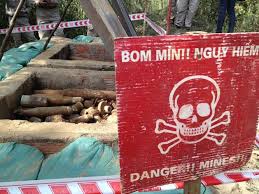
The answers are: plenty of damage left; and, they are doing better than you might think. Thousands of children are still being born with deformities caused by the persistence of the toxic herbicide Agent Orange in water and soil. Almost 20% of the land is still salted with unexploded bombs and mines, dangerous to use or even walk on.

Millions of Vietnamese were killed by American bombs and starvation caused by the herbicides that destroyed their crops. Through these massive tragedies, they have learned a great deal about how to survive.

For one example, veterans of the war know about the Cu Chi tunnels that sheltered Viet Cong fighters. But not many Americans have heard about the tunnel systems that housed thousands of civilians while we leveled their villages overhead.

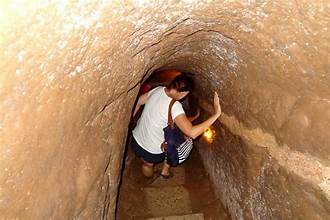
My daughter and I visited one such tunnel system, where 600 villagers from Vinh Moc lived for six years. While the USA was dropping seven tons of bombs for every person in the province, they dug 100 feet down into the wet clay soil – with hand tools. They had to dig that deep because American bombs could reach 30 feet down.

The original tunnels collapsed eventually, but the government has built replicas, braced so as not to fall on the heads of visitors. The tunnel entrances are steep and slippery, their steps covered with moss. The walls drip with moisture. There are trenches on each side of the narrow paths to carry the water away.

The tunnels contain hospital rooms, nurseries, meeting rooms, wells, and ventilation shafts. Niches called family rooms bud off each side of the tunnels, about six feet deep, four feet high, and four feet wide. Five to seven people lived in each room.

The above-ground museum shows how people slipped out at night to care for their crops. The villagers also formed a vital part of the supply chain for the Viet Cong in the North. Suicide teams would push bicycles loaded with up to 1000 pounds of food or weapons through exposed trenches to the nearby coast. From there, they rowed the supplies to an island twenty miles away.

We expected the Vietnamese people to exhibit some resentment toward us as Americans. Perhaps because of their primarily Buddhist culture, we found only forgiveness and kindness instead. When my daughter told people that I had been an antiwar activist during that war, they reacted with gratitude. More than one person told me that I had “been fighting for them”. The group Vets for Peace runs annual tours to Vietnam; they report that they are greeted with the same forgiveness and compassion, and often moved to tears by it.

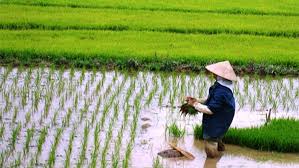
Many Vietnamese are still farming rice with ancient methods, which is backbreaking work. But perhaps 40% of the population has moved into cities as lively and colorful as any we have seen. With the encouragement of the Communist government, the Vietnamese have become tremendous entrepreneurs.

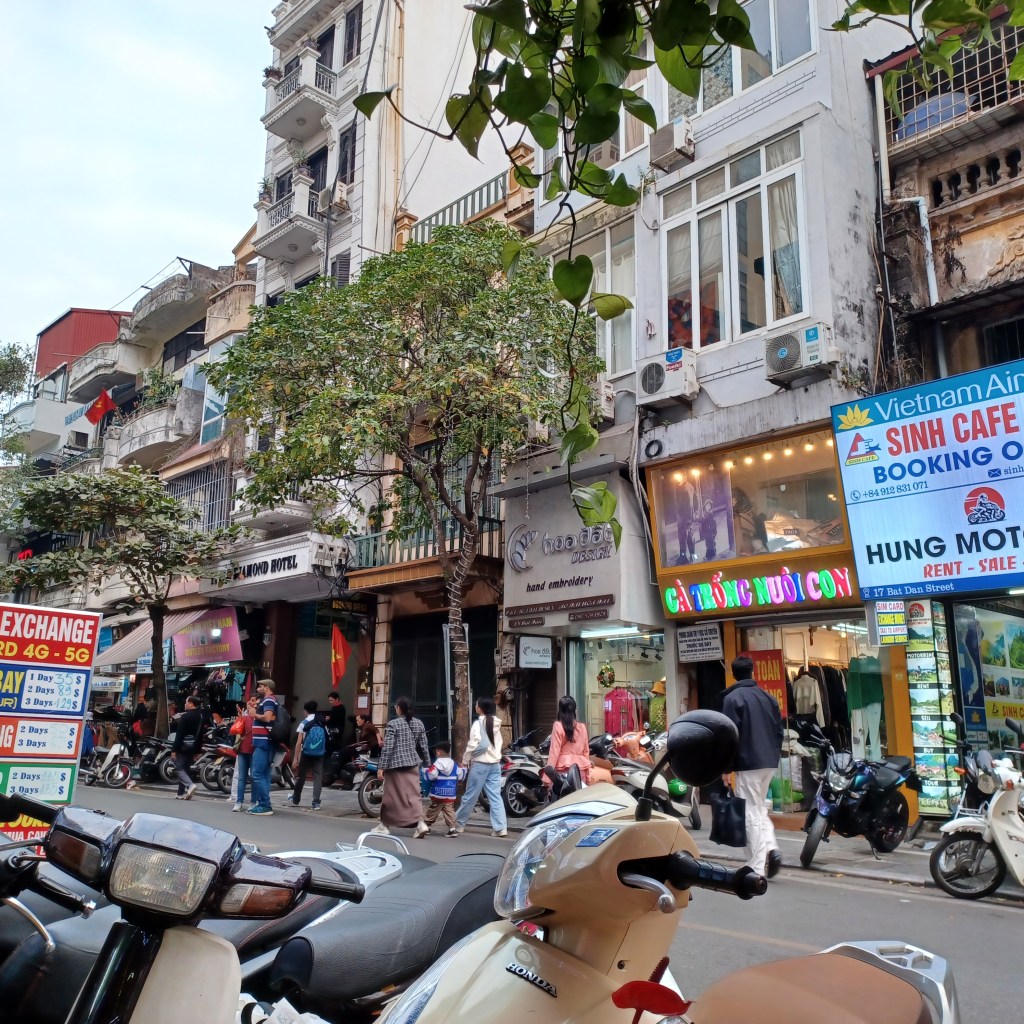
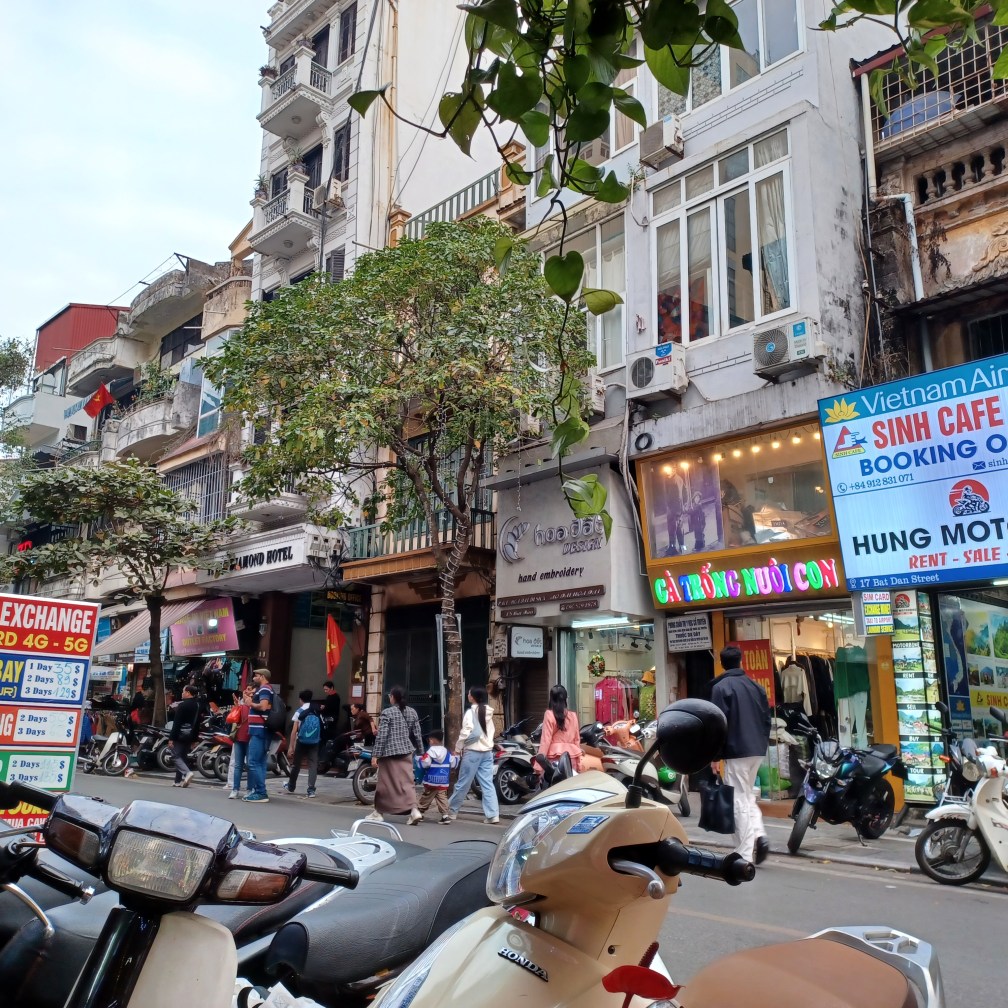
The economy seems to run on motorbikes. A guide noted, “You can clean a bike, or fix one, or steal one, or deliver materials on one.” People sit on the sidewalks with bamboo or plastic baskets full of fruit, fish, toys, or whatever else they can find to sell.

There are huge and thriving street markets, special night markets for crafts, endless black markets with parts for everything you can think of. Roadside living rooms have been turned into narrow shops or cafés. The USA hasn’t seen this level of mom and pop business since the corporations took over, if then. In Vietnam, mom probably has one business, pop another, and the kids are out hustling up their own gigs.

Elsewhere, I hope to describe the beauty of Vietnam landscapes, the deliciousness of the food, the lovely little shrines dotting every street, and the delightful people we met everywhere. It’s just good to report that though the scars of war remain, the Vietnamese are healing.

Go visit, if you can. Especially if the war left scars on your own heart, it will do you good.

Not Just Suffering

A friend’s suicide. Another’s illness. Loneliness, fear, anger. Those crazy Trumpers still trying to reverse the election. The Buddhists say life is suffering, and sometimes that’s all it seems to be. It hurts to be born, it hurts to die, and a lot of the stuff in between isn’t much fun either.

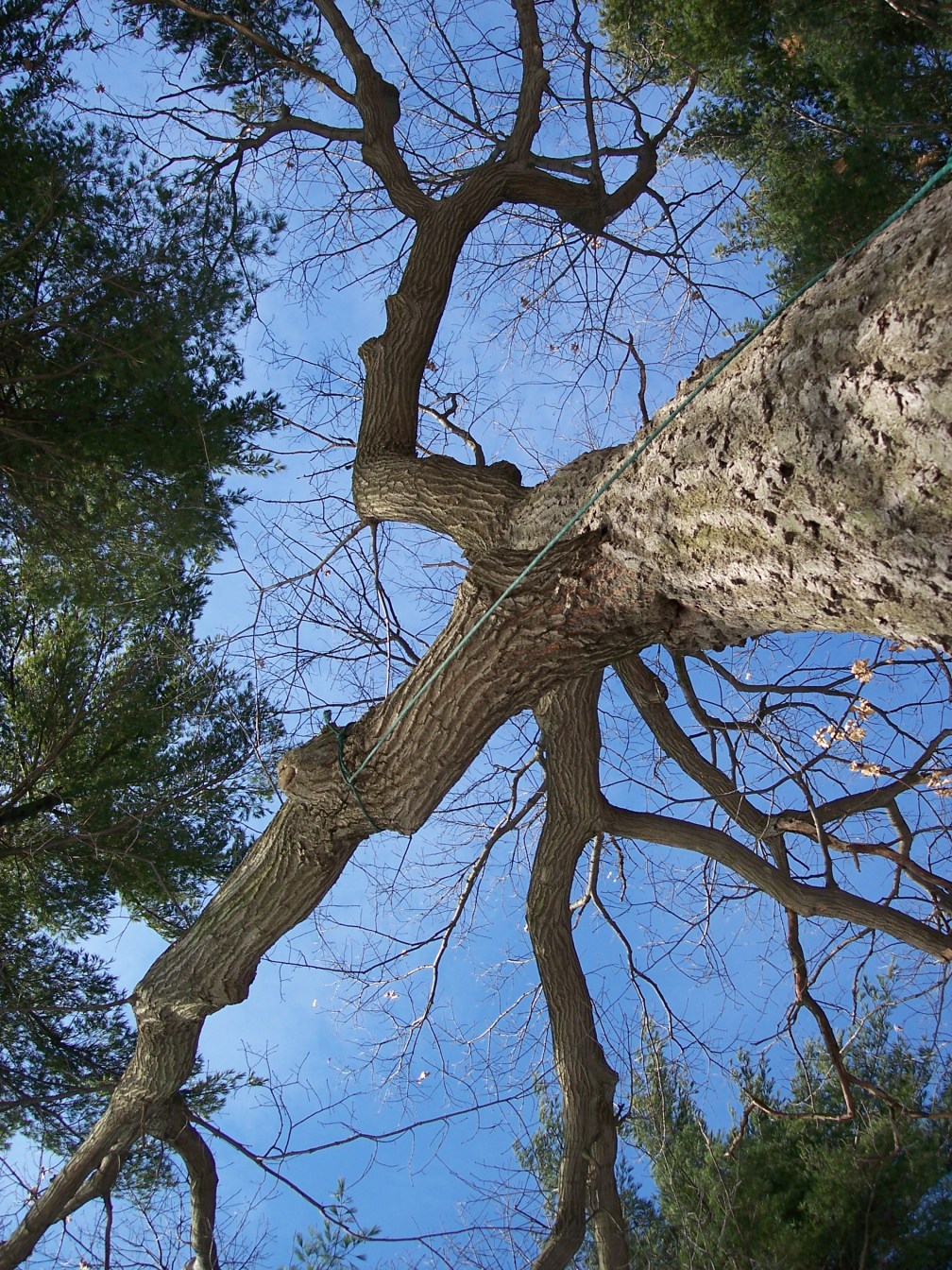
But look up. The sky is always changing and always beautiful. Every day begins and ends in beauty, the darkness hemmed with birdsong and magnificent color. Life is not only suffering. Where there is beauty, joy is possible too.

It helps to have trees or running water to look at, but people are also beautiful. Okay, not Mitch McConnell, but look at the people you love. Or just think of them, if you can’t be near them. Their beauty has nothing to do with the arrangement of features on their faces, or the shape of their bodies. They’re beautiful because of their kindness, their humor, their stubborn strength, the history you share, the things they know because of the suffering they have endured.

And now we’re missing them. Most Americans took a lot for granted before the pandemic hit. All of us are grieving for so much we never expected to lose. Who knew we would long for the crush of a crowd? Who knew we needed hugs so badly?

I believe that in the rubble of our old lives, our pre-COVID lives, some seeds are sprouting. America is changing. We ignored the epidemic of ignorance but now we can’t. It’s killing too many of us. White people ignored racism, but camera phones and Black Lives Matter made that impossible. We did nothing about income inequality, but now tens of millions are on the verge of homelessness and hunger. Many of us ignored politics altogether, as though it had nothing to do with our lives. Now we know better.

One thing we have learned from our communal suffering is how many people are helping us get through it. Maybe our appreciation for “essential workers” won’t last. Let’s hope it does: a little more respect can go a long way. That chain of people from field workers to truck drivers to grocery clerks who bring us our food is a beautiful thing. We could honor it by paying them all a living wage.

America was founded on slavery, theft, and genocide. Unfettered capitalism continues to make people behave badly. But democracy is another beautiful thing: we can share the wealth and take better care of one another if we choose to do so.

The only good thing about suffering is that it can teach people compassion. 2021 will show if America has learned that lesson.

Meanwhile, find something beautiful to look at or listen to. Find some way to help somebody. Remember that life is more than suffering, if there is love in it.