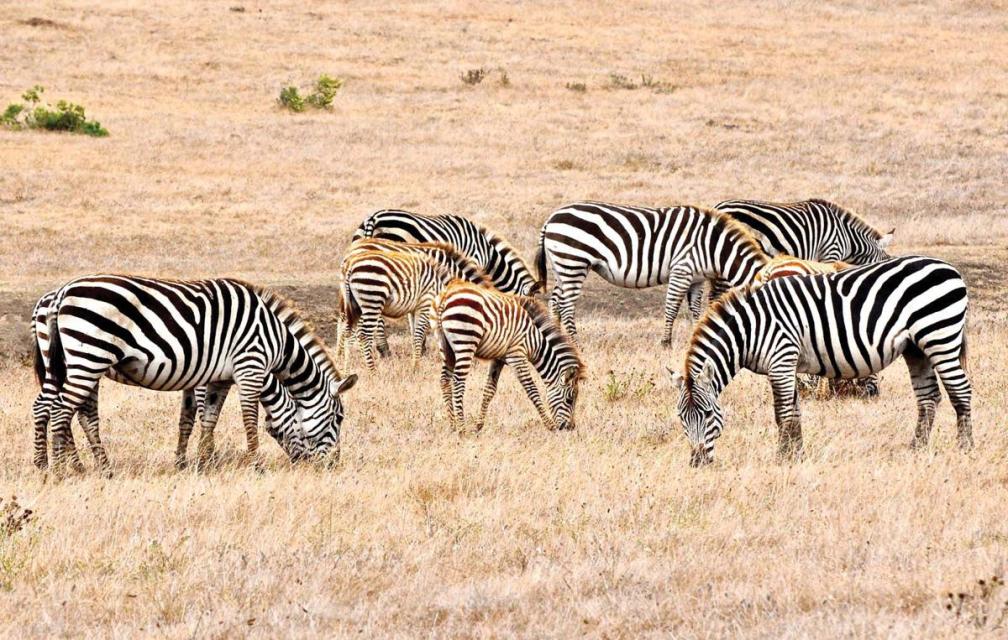
Ants, zebras, monkeys, snakes: each member of a species looks and acts pretty much like all the rest. They can tell one another apart, but we can’t, unless we study them closely. The differences are tiny; the similarities, vast.
The same goes for humans: each one of us is unique, but we’re as alike as snowflakes. No person’s history, character, or appearance is the same as any other’s. These variations are endlessly fascinating. We need them; they are how we tell one another apart. But they form only a tiny fraction of what we really are.
Science tells us that all humans are almost exactly the same. Day to day, we ignore that knowledge, though it explains a great deal.
Why can a good actor portray a wide range of characters? Why, when we go to the movies, does the whole audience agree on who is the good guy and who is the villain? Why do we laugh and gasp in the same places? How can good novelists get us to understand people we’ve never met, and who in fact do not exist?
Because people are pretty much all the same: variations on the theme of being human. Shouldn’t we be talking about this theme and not only its variations?
Our dominant culture emphasizes the individual — one’s career, one’s wealth, one’s behavior — even though these things usually matter only to that individual and perhaps a few relatives and friends. We pay much less attention to our behavior as a species. Yet it’s our bad behavior as a species, not as individuals, that is endangering the future of humanity.
There’s a lot of talk lately about “transhumanism,” the attempt to transcend human limits. I believe that before we can transcend humanism, we must achieve it.
The problems that threaten human survival arise from our refusal to acknowledge our behavior as a species rather than as individuals. The only solutions to them are global — in other words, species-wide.
The internet is revolutionizing global communications, maybe not a moment too soon. Now people can communicate across the world in real time. You don’t have to be rich to do so; all you need is access to an online device. The barriers of personal appearance, location, and circumstance vanish, leaving only your words, and images (mostly) of your choice. Being online is as close to becoming a spirit — transcending material limitations — as we are likely to get.
Of course we use the internet mostly for sex and music. This is typical behavior for our species. Without regulation, we also use it for insulting one another, showing off, lying, and gossiping. Also standard. We form interest groups; we make friends as well as enemies; we come to the aid of people in trouble.
What we don’t do online, at least not yet, is run the planet.
Right now, humanity is poorly organized for survival. So long as we primarily identify as members of subgroups like nations, religions, or ethnicities, we will find it hard to deal with problems that pertain to all those subgroups. Our organizations focus on issues specific to themselves and compete to place those issues above the rest. Even though, as individuals, most of us want to end hunger, war, and environmental devastation, our organizations have different priorities.
We are such a creative, adaptable species that we manage to live in every environment on earth, the deep sea, and outer space. The climate change our bad behavior has engendered is creating a new environment for us all. It’s impossible to predict whether, much less how, we will figure out how to survive this different world. If we survive, the global reach of the internet will have everything to do with it.
One thing is certain. However humanity re-organizes and adapts, everyone alive will be involved: not just the 1% global elite, or the 99% of us who do not have illusions of limitless power, but 100% of us. None of us stands alone. All of us need other people. Our individual lives will end one day. In the meantime, though it seems unlikely, don’t give up hope that humanity itself – our pattern, our theme, our weird and wonderful species – will find a way to endure.

 Alice T4