More Adventures with Homeless People

Talk radio is a tough medium. Hosts can be hostile; callers are often abusive. Liberal pundits avoid these venues, where they come under attack with no one to defend them. Facts turn out to be puny weapons against ignorance and prejudice. But the guests on this particular show were as tough as the medium. And they came armed with more than facts. They had stories to tell.

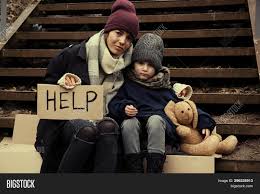
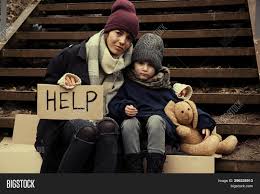
More than 30 years ago, I sat in the green room at WRKO in Boston, watching four women battle with host Gene Burns and his right-wing audience. These women were homeless along with their children. They were living in welfare motels and time was running out on their stays. If they couldn’t find anywhere to move when their time was up, the state would put their kids in foster care and they’d be on the street. They had nowhere to move; if they hadn’t already run through all their options, they wouldn’t have been in the motels. They were desperate. They were angry. They had nothing left to lose.

Burns expected these women to be victims, or leeches. He had no idea who he’d be dealing with. These women were warriors.

TriCap, a local anti-poverty agency, had hired me to organize people on welfare, scraping my poverty-level salary from the dregs of federal and state programs. I got to know dozens of homeless parents over a year of meetings. These four women were among the most articulate and clear-minded people I had met. They had been training for this show one day a week for a month.
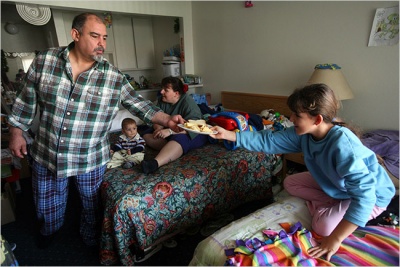
In Massachusetts, families can only get shelter if they go through the whole eviction process, waiting until the Sheriff throws all their belongings out on the street.
photo from Bread of Life in Malden, MA

At our first training, the women told their stories. One survived a serious illness but lost her job. Another one’s husband disappeared with their car and their life savings. Another fled a man who had raped her daughter. The fourth had been trying to escape dependency by going to college, until the state raised the fees so she could no longer afford rent. The women critiqued one another’s stories: be sure to tell that part, maybe leave those details out.

At the second training, we brainstormed how to respond to the worst calls they might get on the show. They came up with witty rejoinders to every ugly assumption, corrections for each common misunderstanding. They practiced responding calmly to name-calling. We laughed a lot that day.

The Massachusetts Coalition for the Homeless sent a policy wonk to our third meeting. She handed out one-page fact sheets and the women quizzed her on state policies. That was a serious discussion. We had pizza, and they brought leftover slices back to the motels where volunteers had been taking care of their kids.

Our fourth meeting wasn’t really a training. The only thing we did was tell our birthing stories. Only mothers can stand all the gory details, and even relish them, if mother and baby survived. By the end of that day we were sisters.

Burns had booked the women for the first hour of his four-hour show. After that hour, he called me in the green room to see if they could stay another hour. He did that twice more. When they started talking, he was skeptical and condescending. But as they answered his questions honestly, and met his listeners’ nasty comments with humor and understanding, his attitude shifted. Eventually he started saying things like “I can’t believe this is happening in America” and “This is such a cruel system, we have to change it.” Even his callers began to show some respect.

The show ended at 2pm. Burns thanked the women, praised their intelligence and courage, and then told them the station wanted to treat them to lunch at a nearby Italian restaurant. That was the first hot food some of them had eaten in months. They weren’t allowed to cook in the motels. Everyone got boxes for the leftovers, to give their kids.

We had to take three trains back to our ride in Revere. An old man was playing guitar in the Park Street subway station where we waited for the first train. He began to sing “Dream a Little Dream of Me,” a standard by Doris Day that everyone seemed to know. We sang along.

Sweet dreams till sunbeams find you
Sweet dreams that leave all worries behind you
But in your dreams whatever they be
Dream a little dream of me

When our train came in, I gave him my box of leftover lasagna. After we got on board, he blew us kisses while we waved and smiled.

Burns told us that his show reached 100,000 people. Two weeks after the women’s show ran live, he played the whole thing again, on Mother’s Day. Who knows how many minds the women changed. Maybe the strength they showed that day was enough to bear them through whatever came next. But I don’t know what happened to them. Their time at the motels ran out, and in those years before cell phones and email, we had no way to stay in touch.

Today, the US is about to experience a new wave of homelessness, worse than the one Reagan caused when he destroyed affordable housing programs in the 1980s. There have been eviction moratoriums during the pandemic, but they don’t cover everybody and they can’t last forever. Sooner or later, the rent will come due. Many renters won’t be able to pay. Some will find new, cheaper housing. Some won’t.

There are still talk radio shows people listen to while they drive to work, and podcasts galore. Pundits will share what they think about homelessness. I hope somebody remembers to ask the homeless.
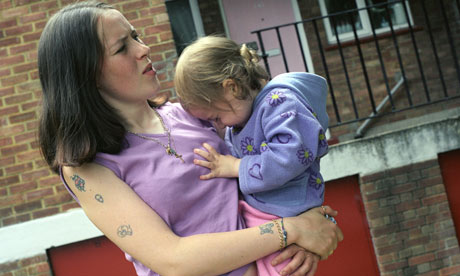
Who’s Taking Care of the Children?

For a period after World War II, American families could get by on one income. The GI Bill helped mostly white men go to college and buy homes, boosting them into the middle class. Though many women chafed at the sexist culture that would only allow them to be housewives, at least somebody was home with the children.

By the late 1970s, the cost of cars and college had risen so much that families began to need two incomes to reach the middle class. Feminist victories meant mothers could work outside the home. Women of color had been forced to do so all along. But who was left to take care of the children? The question was hardly asked in the US, and never answered.

In the 1980s, Reagan made wealth a sign of virtue. Preachers aided and abetted him, telling congregations that if they were good people, God would make them rich. If you had no money, it was a sign that you didn’t deserve to have any money. Americans were taught that poverty was the fault of poor people. Government could not be expected to help people who were not worthy of help.

Reagan attacked unions, helping corporations prevent workers from getting organized. As union membership fell, so did real wages. Costs rose but minimum income stayed the same. Rich feminists fought to break into top jobs but forgot about the poor women who had taken over their former duties, housework and child care.

Rich children got nannies. That’s why so many poor Black and immigrant women are pushing white babies around in fancy strollers. Their own children are back home taking care of one another, or staying with their elderly grandparents, or warehoused in somebody’s living room watching tv all day. Under Reagan, if poor women stayed home to care for their own children, they were shamed as “welfare queens,” even though government subsidies were and remain about half enough to live on.

The worst torture for a parent is to be unable to meet their children’s needs. A poor single mother can’t provide safe housing, nutritious food, medical care, or decent education for her kids. It’s a wonder they’re not all alcoholics or drug addicts or prostitutes. America doesn’t give them a lot of choices.

The gospel of wealth has created four decades of life getting harder for low-income American families. The rich are admired for their money, no matter how they got it. The poor get blamed for their poverty. Most internalize this public shaming, feel they must be stupid and lazy to be so poor, and learn to expect nothing from government. The rich assume their charity provides help when necessary, though private giving meets only a tiny fraction of the real need. Government food help gets cut by billions, and charity contributes millions. This does not compute.

And where is the help for poor children, whose parents are desperate, either home without resources or working without childcare? Who gets them online for school during the pandemic? Who makes sure they eat breakfast and lunch? Who arranges safe play dates so they can develop real relationships with other children? Who is taking care of them?

Nobody. That’s who.

Dogs and children

Even in the US under Trump, even during a pandemic, life has its joys. Savor them. This is how we survive.

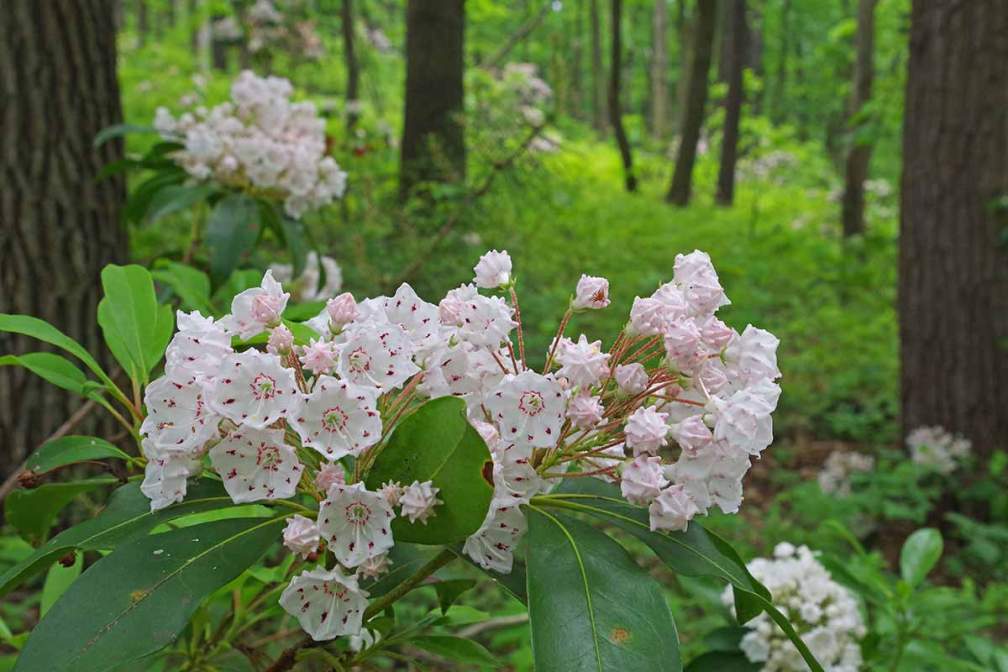
Some flowers seem just one color to a casual glance. If you look closer, you see intricate patterns of tone and shading. William Blake knew all about this:

To see a World in a Grain of Sand
And a Heaven in a Wild Flower 
Hold Infinity in the palm of your hand 
And Eternity in an hour

If you’re lucky enough to be around children these days, savor them. They are exhausting, often annoying, and they too feel the stress of this terrible time. But how beautiful they are! And when they’re happy, how sweet.

If you have a chance to hang out with a child, put your phone down. Drop your agenda. Listen to whatever that child wants to say. Play whatever game they suggest. Focus on this precious moment. You can live in timeless time with that child: “eternity in an hour.”

No wonder so many people want dogs these days. They too live in the eternal present. All animals do, but dogs enjoy us living there with them. This is their great gift to humans, worth all the food and vet visits and poop-scooping. They introduce us to the here and now.

And if you don’t have access to dogs, or children, look for other ways to enter that timeless time. Grow a plant in a window sill. Pick up an instrument. The world is full of beauty, even here. Even now.

The Place Where I Live

I live in a kind of neighborhood that’s hard to find these days. Kids rule the streets, playing ball and riding bikes. We can actually go next door and borrow a cup of sugar — or we could, until the pandemic, and one day we will again. People walk, on their own two legs, to little stores that sell the necessities of modern life – videos, manicures, lottery tickets, karate lessons – and on the way they stop and talk with whoever is out in the yard or sitting on the front porch. It’s like something out of a Norman Rockwell painting, except for one thing. The whole world is here.

There are Sikhs in turbans, orthodox Jews in yarmulkes, Muslims in headscarves, and Baptists who go to church every Sunday with the women in big flowery hats. There are dreadlocked Rastas, tattooed punks, and a transvestite with an artificial beehive.

Only the teenagers all look alike. No matter what their color, religion, or parents’ country of origin, the boys wear ball caps and enormous pants that mysteriously fail to fall off their skinny behinds, and the girls wear tops tight enough to worry their grandmothers.

And many of their grandmothers live nearby. Some families have lived here for generations and see no reason to move. This neighborhood works. People look out for one another. Small children play on the green space by the river while their parents take turns keeping watch. Young people hang out at the park, or play basketball and tennis on the courts, and old people sit on benches in the shade. Gardeners trade plants from their yards or the raised beds the city set up.

When some folks (mostly new to the neighborhood) objected to the regular gathering of older men under a big tree by the river and their ratty collection of old furniture, others defended the men’s right to be together in a public space. They don’t bother anybody, these folks argued, and they were here long before the people who minded their presence. A compromise was worked out. The men still park themselves under the big tree, but they have to park their rusted vehicles somewhere else.

A river runs through this neighborhood, bringing the immeasurable gifts of nature to city-dwellers. Whenever weather permits, the riverbank paths host strollers, dog walkers and joggers. During the pandemic, the paths are so crowded that social distancing gets quite hard to maintain. There are those who let their dogs leave a mess right in the paths. Amazingly, there is also a Poop Fairy who sometimes disposes of the mess.

As with any public park, government workers mow the grass, prune the trees, and stop industries from fouling the water. People complain about taxes like anywhere else, but when they’re pressed, most will admit that they’re getting something for their money here. It’s called civilization.

When people talk about “quality of life”, sometimes they’re just talking about the quality of things: the size of their houses, the newness of their cars, the fanciness of their gadgets. But when you come right down to it, as long as you have enough to eat and housing that keeps you warm and dry, your quality of life depends on your health and the people around you. If you’re well, and the people around you are happy and friendly, you have a good life. If you’re sick or lonely or live in a house full of tension and strife, it doesn’t matter how nice your stuff is.

Neighborhoods make a difference. If you can go for a walk when you’re feeling down and see people who smile at you, you’ll come back with lower blood pressure and a higher heart. Good neighborhoods give you time outside work and family, space to live in a larger world. That’s real quality of life.

Good neighborhoods nudge people toward behaving decently. Out-of-control parties, parking conflicts, and other urban stresses can happen anywhere, but people with histories of civil behavior can work it all out. In the place where I live, people have come from every corner of the planet to create a new history of peaceful coexistence.

So let the yuppies have their McMansions where there are no sidewalks or corner markets. Let the super-rich live behind their high walls without bumper-crop tomatoes from the gardeners next door. I wouldn’t trade my quality of life for any of theirs.

I’ve lived in a lot of places, from a split-level in Scarsdale to a kibbutz in occupied Syria to a farm in a Kentucky holler, and this is the best place I’ve ever seen for raising a family. My kids didn’t have to travel the world to get to know its people. All they had to do was go outside to play, and the whole world came to play with them.

Does it get any more American than that?

Why women need abortions

Let me start by pissing everybody off. I think both sides of this debate have important things to say. If women have no access to abortion, they have no freedom to determine the course of their lives. But when the anti-choice people tell us the fetus should be respected as a human in progress, we should listen. Even if we must take a life, we should recognize that it is sacred, and grieve the necessity of its loss.

Being a mother is a heavy responsibility. The pregnancy is the least of it, though being pregnant is uncomfortable, inconvenient, and challenging to your physical and mental health. By the time a baby is born, you are tied to the child forever on an emotional level, whether or not you keep it to raise. You brought a new person into this difficult and dangerous world, and the fate of this tiny being in large part depends on you.

If a woman is not ready to take care of a child, either financially or emotionally, forcing her to bear one is a cruel and unusual punishment.

In America, it’s a struggle for families to stay together. Many jobs pay barely enough to support one person, never mind two or three, and lack of money can ruin even relationships that began in love and tenderness. There is not much corporate or governmental support for pregnancy and child-rearing, and little access to help of any kind if financial disaster strikes. When a couple breaks up, most often it’s the man who leaves and the woman who is left with the child.

Even mothers with money have a hard time. The focus of news and gossip has been the fathers and potential fathers as they compete for money and power. The needs of mothers have not been foremost, never mind the needs of children.

But women and children without money, without men? That’s a disaster. Much of the misery in pre-pandemic America came from trying to raise families without enough money. If the father is not able to make enough money to help support the child, the man’s hurt pride is often enough to make him take off.  But even if the men stick around, it’s hard.

And it is to her children that a mother owes her first allegiance. Once you give birth to them, you are theirs for life, no matter what happens. You and the father, whatever your relationship – you were volunteers. Your children came into your hands completely at your mercy, through no fault of their own.

Because raising a child is such an enormous, costly, exhausting responsibility, people should be willing and ready to do it – at least as ready as you can be for this stranger who will remake your life. If a woman is not ready to take care of a child, either financially or emotionally, forcing her to bear one is a cruel and unusual punishment. Of course she most likely will love the child, but that is hardly the point.

To bear a child you can’t feed, can’t keep safe, whom you can’t be there for – that is a terrible kind of pain. Society has no right to make you bear it. In either sense.

Abortion is far from the worst thing we have to worry about, this year or any year. Actual, born, no-argument-human beings are getting killed every day, including infants. Yet somehow, the anti-abortion people don’t view war or domestic violence as a larger problem. They see abortion as the murder of innocents. Does a fetus lose its innocence once it is born?

So let’s try to retain some perspective on abortion. The alternative is for a woman to continue a pregnancy she does not want and bear a child for whom she is not ready. That child will be a burden on her life and her heart, no matter if she keeps it or gives it away. That child will begin life with a big count against it. And if society forces a woman to give birth no matter what the circumstances, will society then help her deal with the consequences? Let’s not kid ourselves, if you’ll forgive the pun. That woman and her child will be on their own.  

News Flash

Banditas with strollers and water pistols
shot the Minority Whip today
for whipping minorities.
They shot the Governor with
disappearing ink
for disappearing on poor people.
They hung the image
of a public servant
by his red power tie
for serving power
instead of the public.
They held up the Treasurer
for money to feed their children.
Nobody saw their faces.
Nobody knows their names.
All we know is
some of these mothers are angry.