Prayer for the New Age

Children crying from hunger.
This is the age of cruelty.
It ends now.

People sleeping in doorways.
This is the age of poverty.
It ends now.

Styrofoam washing up on beaches.
This is the age of garbage.
It ends now.

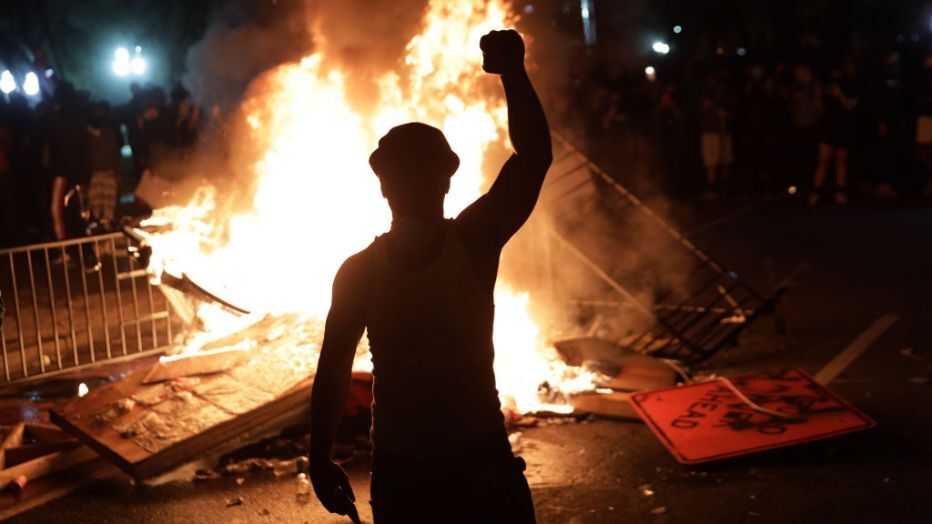
Neighbors burn down neighbors’ houses.
This is the age of hatred.
It ends now.

People with no hope pick up guns.
This is the age of violence.
It ends now.

This is the age of new creation.
It begins with you.

By Jane Collins and Christina Starobin

Christina is the author of CORONA WILDFIRE & POEMS OF PROTEST, This Changes Everything, KALEIDOSCOPE CAFÉ, & A Human Being Is Not a Remote Control Device, the beginning of a series; all available through Cyberwit or Amazon.

What we do now

There will be no way to avoid a succession of horrors in the coming four years. It’s no use waiting for the Democratic Party to tell us what to do. It has become a creature of corporate interests, out of touch with the needs of the non-rich. We have to tell the Party what to do.

The non-profit sector is a mess of single-issue organizations competing for attention and money. We are not single-issue people. Whether you are on a board or just a member, pressure your group to join other groups in as many coalitions as it can manage. All our issues are connected under the banner of peace, justice, and a survivable environment. Progress on any of our goals helps us to achieve all of them. Solidarity is key. We must stand up for one another.

More than changing institutions, we need to change minds. Leave your comfort zone. Don’t stick to preaching to the converted. If you can get access, go on Fox or  the bro podcasts. Wait in line for a call-in radio talk show. Try to reach new audiences. Don’t talk down; persuade. Explain what you believe, and be ready to back it up.

We need big change. That means our actions must be non-violent. Violence is not change; it’s just part of the same cruel culture that is wrecking our world. If you are part of a protest, do whatever you can to keep things civil, no matter the provocation.

Expand your social set. Meet people who are not like you. Listen to them with respect. Everyone has something to teach. You don’t have to leave the country to find whole new worlds to explore. Besides, we need you here.

Most of all, keep yourself and your friends from wallowing in despair. If we think there’s no hope, we’ll stop trying, and then there really won’t be any hope. 

War of the Worldviews

Let’s deal in oversimplifications for this argument. Imagine an extremist Christian man and an extremist Muslim man talking about their beliefs in a living room somewhere. Their discussion grows more and more heated, and, depending on the men’s temperaments, might even come to blows. 

Meanwhile, their wives are in the kitchen, fixing tea and a snack. Are they discussing religion? Most likely not. They’re talking about men, maybe even about the challenges of living with true believers. The men in the living room are fussing. The women are laughing. The real difference in this (terribly stereotyped) scenario, I respectfully submit, is not between the Muslim couple and the Christian couple, but between the men and the women. 

Any time you try to talk about culture you are forced to generalize. If you constantly qualify your projections by acknowledging the wide spectrum of behavior in any one culture, you can’t reach any conclusions at all besides the fact that people are strange, which holds true everywhere. When it comes to human behavior, there are more exceptions than rules.

In general, though, there are two cultures in conflict in the world today. One is dominant, but unstable. The guardians of this culture tend to be “alpha males,” that is, men with a need to be on top of their worlds, who are aggressive, self-centered, ambitious, and willing to resort to violence. This culture has encouraged certain kinds of material progress but results in constant struggle and increasing divides between haves and have-nots. 

The other culture is submissive but stable. This culture is maintained and propagated mostly by women. It is other-centered, conciliatory, patient, and prevents or tamps down violence wherever possible. This culture keeps the human world going, for without it, the dominant culture would tear everything apart.

I’m going to call the dominant culture male, though it includes many biological females. I’ll call the complementary culture female, though it includes many biological males. There is no question about which culture is uppermost today. Anywhere you find hierarchy, whether in a capitalist, nominally communist, or oligarchic society, the male culture rules. Wherever you find egalitarianism, cooperation, and collaboration, the female culture is in charge.

Not every society in history has been ruled by alpha males. Sophisticated justice systems; decisions by councils of elders; inclusive mores that provide for and protect society’s outliers; peaceful agrarian societies: all of these indicate the primary influences of women’s culture.

On the other hand, violence; the heedless destruction of human and other natural resources; the oppression of the lower classes: all these are sure signs that the male culture is running the show. 

Clearly women’s culture evolved around the need to protect children from men’s aggression. If some sector of society did not propagate the values of caregiving, altruism, and sharing, that society would not survive two generations. 

In a world of many languages, where communication was difficult, male culture evolved to settle disputes through physical violence. It would be up to the males whether a tribe’s territory expanded or contracted. The more territory, the more access to game, water, and fuel, the better the tribe’s chances of survival. If you see the world as belonging to “us” or “them”, you want the biggest, baddest guys on your side. 

Our world today hangs in the balance in more ways than one. Scientists tell us that our behavior over the next decade or so will determine whether global climate change continues at a pace likely to doom our (and most other) species, or whether it will moderate to a manageable level. Nuclear proliferation proceeds at a rate where unstable regimes and non-state actors have access to weapons that could render the planet uninhabitable except by cockroaches and rats. Water pollution and over-use is at the point of making entire countries vulnerable to death by disease or famine.

Whether our species survives these crises depends upon another balance: the balance between male and female culture. Male culture has ruled, nearly planet-wide, for centuries, cementing its hold though tyrannies and then through the spread of capitalism, which values and rewards selfishness, aggression, and greed. But the destruction that attends these values is catching up with us. More and more people realize that we could very well do ourselves in if we continue on our current path. 

Meanwhile, female culture has begun to strengthen in ways unimaginable a century ago. Women’s liberation has barely begun, but its effects are threatening male dominance in every society. Some ancient techniques (violence against women and LGBTQ people, veiling, double standards on sexual experience) and some new ones (high heels, sexualization of younger and younger women, co-optation of women leaders) work against women’s rise, but the trend continues. Women have gotten the idea that they should participate fully in public life, and they are insisting on their right to do so. What has given this idea such strength and persistence?

I believe that deep in our collective unconscious, we know that women’s culture must assume dominance if humanity is to survive. We must stop hurting one another and start taking care of one another; we must stop wasting resources, and learn to conserve; we must clean up the messes we have made; we must stop rewarding greed, and place more value on sharing. Only women’s culture carries the tools and techniques to bring about these changes.

This necessary revolution, which seems so radical, would actually require only a shift in the balance of cultures. We just have to listen more closely to what Jung called the anima, the feminine side of our consciousness. The center in us that corresponds to female culture – the center of nurturing, caring, sustaining values and behaviors – must gain our respect, as it is the key to our species’ survival.

The movement toward women’s liberation arises from the deepest place in ourselves: the part that wants to live, and wants our children to live. Right now, many of the stories we tell ourselves are generated from our fear that survival is not possible. Even though every one of us contains the seeds of a new world, we despair of the possibility that they will grow and thrive.

When we choose our leaders, we should ask ourselves which culture they embody. We need more representatives of female culture to set public policy, whatever their gender. We need more women in positions of power, not because women are that different from men, but because they have been the custodians of the set of values around which our species must reform its behavior.

Those women laughing in the kitchen do not need to come into the living room and argue with the men. No: it’s the men who need to come into the kitchen, drink the tea, eat the cookies, and learn to laugh with the women. 

Panicking? Good.

Not a moment too soon.

Panic is a natural first response to the awareness of what a terrible spot humanity is in. Despair often follows the panic. We have to calm down, and cheer ourselves up, before we can get to the real, urgent, practical work of saving the world.

Human-caused climate change is happening faster than even the worst pessimists predicted. The fires, floods, and droughts scare more people all the time. We are beginning to understand the harm we have done to ourselves and this beautiful earth. If enough of us are afraid enough, we might change our behavior before it’s too late. In a way, fear is our only hope.

Some have moved from denial straight to despair. That is natural but convenient. Despair lets us off the hook. Why take the trouble to change if we’re doomed anyway? If we believe human survival is impossible, we won’t even try to fight. But it’s not impossible; it’s just unlikely. There’s a big difference.

We know what to do. Reduce, re-use, recycle; cut way down on fossil fuels, plastics, military spending, and meat; educate women world-wide to curb population growth; prepare for mass migrations; and so on. But how do we do any of this when most of us feel so powerless, and we seem stuck with the status quo?

We do it through changing a culture that glorifies violence and greed. Each of us creates our culture every day, in what we buy, where we go, what we communicate. When we make different choices, we change the culture.

We’ve built our present world by imagining every detail. Everything we see around us is a product of human imagination – in fact, of countless imaginings. Money, status, nations, religions: all of these things are imaginary. When we think about them differently, they change. Now we must imagine a sustainable world where humanity and other species can thrive.

This is a time to rally ourselves, not give up. As has been said, it doesn’t matter what we did. What matters is what we do once we know what we have done.

After Trump

When America defeated Trump, the whole world danced in the streets. We have faced fresh horror every day for four nightmarish years. All we got from the leader of the free world was lies, contempt, indifference to suffering, incitement to violence, and a quick descent into fascism. That’s almost over. Even though the plague Trump ignored rages more fiercely than ever, Americans deserve to celebrate for bringing him down.

So now what? Two more months of Trump doing as much harm as he can. Local stop-gap measures until national leadership can bring the virus to heel. Coming up on January 5th, there will be a crucial run-off election for two Georgia Senate seats. If Democrats lose even one of those seats, Senate leader Mitch McConnell will continue to block any help for increasingly desperate Americans and small businesses. McConnell could stop Biden from accomplishing much of anything at all.

But what has already changed is the mood. Trump made people despair. Now we feel like humanity might yet manage to survive. We know, however, that can only happen if we change the way we live, fast. Masks, distancing, and temporary shut-downs are part of our new way of life, maybe for a couple more years. The more basic change involves American consumerism.

The same capitalist system that produced Trump as its avatar has convinced us that we need new stuff all the time. That stuff requires energy to make and distribute. Burning fossil fuels to get that energy is broiling the whole planet on our watch. No alternate energy system can keep up with us if we don’t stop consuming at our present rate.

The current global economy assumes infinite growth, which is not health; it is cancer. Greed isn’t going anywhere. But basing our whole civilization on greed is killing us. We need to turn toward sharing instead of accumulating, toward healing instead of destroying, toward compassion instead of selfishness, toward making do with what we have instead of making more.

Such a turn depends on a change in our culture that no government can bring about by itself. Culture is formed by a billion choices made by individuals: what we watch, what we say, and what we buy. Already social media make clear that our attention – which can focus on only one thing at a time – is our most valuable asset. Let’s use this time of new hope to focus on things that nourish and heal us. Let’s make kindness fashionable.

Change isn’t up to Biden. It’s up to us.

Saving ourselves

The US is in such terrible shape that lately, I’ve been writing only about this country. American media almost always do that, which helps to keep us ignorant. They give us the news they think we want to hear rather than what we need to know. Right now, we need to know why so many countries are dealing with COVID-19 so much better than we are.

This little blog is not the place to detail ways other nations are bending the curve and saving the lives of their residents. (One good article that does so is at https://time.com/5851633/best-global-responses-covid-19/) The methods vary, from severe lock-downs to widespread contact tracing. The only thing these nations have in common is that their leaders reacted to the virus quickly with action, generous use of public resources, and consistent messaging.

Of course in the US, our leader knew about the virus two months before he did anything at all. Since then, he has called the virus a hoax, refuses to wear a mask, won’t tell people to take simple precautions, cuts ties to scientists, cuts funds for testing, and keeps pushing states to re-open businesses and schools as though the virus has gone away even though he knows it’s spiking. Trump is killing Americans.

One thing we learn from watching other nations, and even from watching the US states that are keeping cases down, is that people can radically change our behavior when we know we must in order to survive. We change our work patterns, our child care arrangements, our social interactions, the way we shop and entertain ourselves. And we can make these changes literally overnight.

This is good to know. Because we as a species have a lot of changes to make, big changes that have to happen quickly if humanity is to survive. We have to stop using non-biodegradable plastic and fossil fuels, for example. We have to stop cutting down rainforests and start planting billions of trees. Keeping the planet habitable will require people to make much less stuff and use much less energy. This will be hard. But once we know that’s what we have to do, we can do it.

Without sane leadership, Americans are too confused to take effective action. We can begin to change that, this November. Then the real work of saving ourselves must begin.

How we’re feeling

How are you? Fine? Really? I don’t believe it. Nobody’s fine right now.

I wanted to communicate some good news today, but I couldn’t find any. Some things do give me hope for the long term. Short-term, with Trump doing all the harm he can, the world ignoring climate change, and the virus running rampant through the US, I got nothin’.

It’s not my personal situation. I’m way luckier than most Americans: so far, so good. I just get panic attacks several times a week and fight depression every day. But money is no more of a problem than usual and nobody I love is sick. We’re all just having panic attacks and fighting depression.

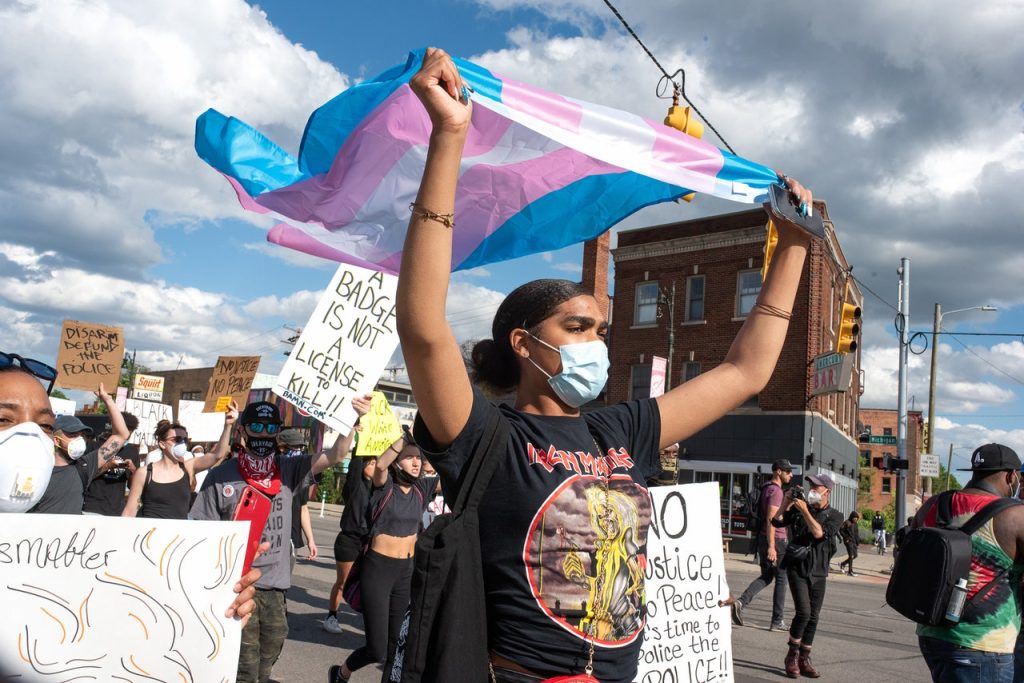
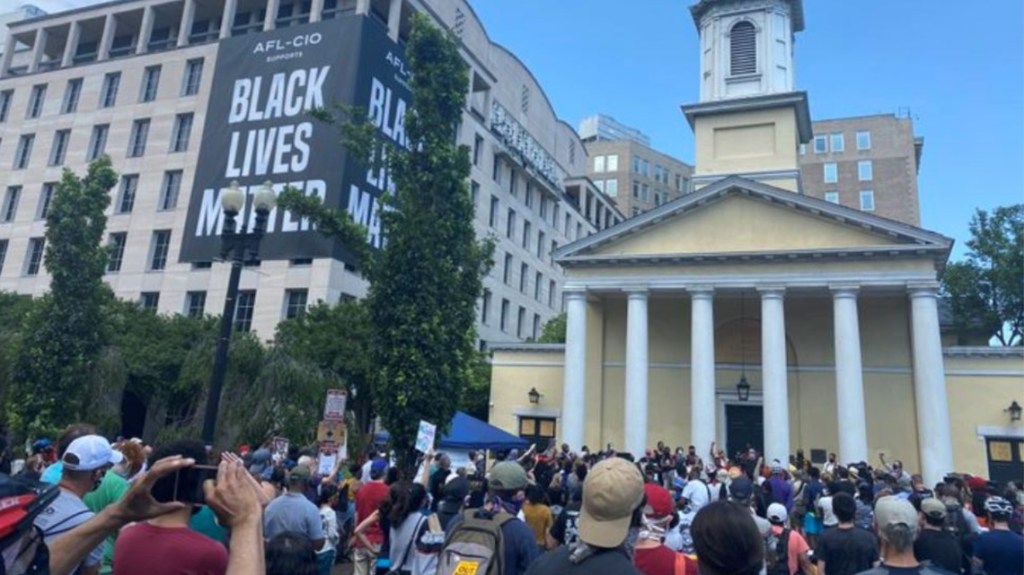
If a household didn’t depend on my health, I’d have been in the street with Black Lives Matter for a month. There is joy and uplift in a crowd like that, gathered for a righteous purpose and determined to be peaceful in spite of the worst police can do. There is community, creativity, relief in taking action together. I’m very grateful to all those who do show up, and a little envious. I miss that feeling.

I miss a lot of things, a lot of people. I’ve been missing peace of mind since the 2016 presidential election. None of my friends has slept well since then. Now it’s hard to escape the feeling of nightmare while we’re wide awake.

So how do we get back to feeling okay? Counting blessings helps; so does counting breaths, and slowing them down when we’re anxious. Communicating with people we love. Being in nature, which remains beautiful. Making things, whether it’s music or masks or gardens.

What helps me most is remembering that the real problem is not individual people but the culture we have created. And culture changes all the time. We each change it, with every word and act, everything we buy or avoid buying, our tones of voice and our body language, even what we click and like on social media.

What becomes of humanity is up to humans. We can move toward destruction, or we can move toward sustainability and loving-kindness. We know what we must do. I believe we might yet even do it.

Magical thinking

I believe in magic. I’ve seen it happen. Arthur C. Clarke, who wrote 2001: A Space Odyssey, said: “Magic’s just science that we don’t understand yet.” In this case, the science is mob psychology. I’ve seen ugly crowds turn beautiful.

Once, long ago, I was at a huge outdoor rock concert. It was a hot day. Then it rained and the wind came up. People got cold. Some started to tear down the arena’s concession stands so they could make bonfires of the wood. The most aggressive vandals surrounded the fires. The mood was violent and mean.

Then a friend of mine stepped up to a fire, warmed his hands, and loudly praised the people who had built it. “This is so great, thank you! We’re all freezing and this feels wonderful! What a terrific idea!” He kept shouting this sort of thing while more people crowded around the fire. Now the original vandals began to feel like heroes. Others helped them take the stands apart and build more fires. Tension evaporated. Once again we were brothers and sisters enjoying the music together.

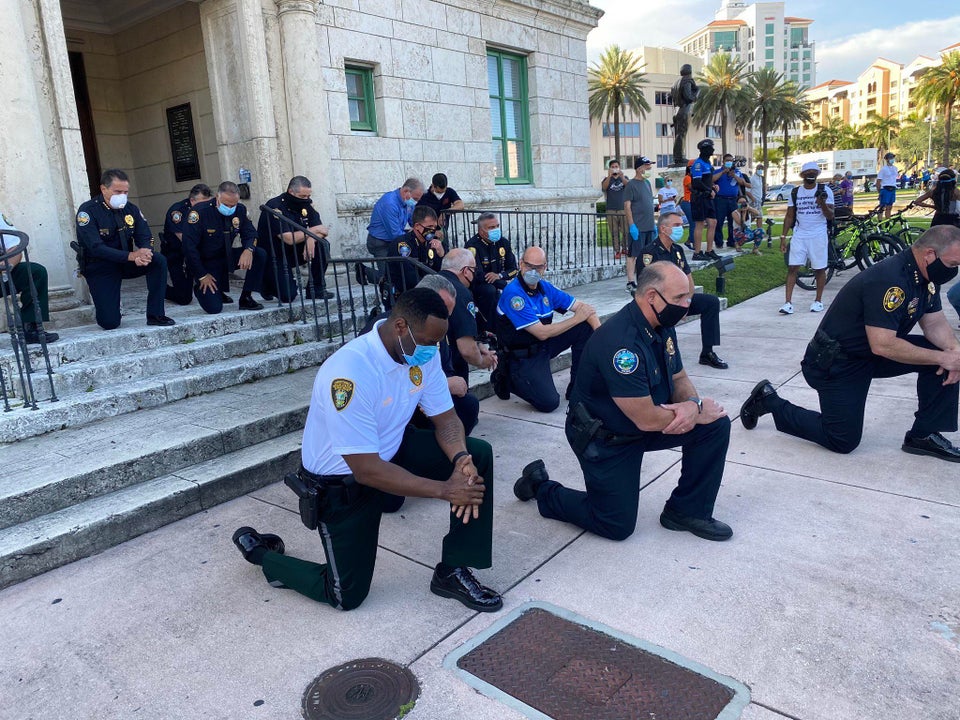
Late this spring, after a Minneapolis policeman murdered George Floyd by kneeling on his neck for 8 minutes and 46 seconds, the black community erupted in protest, releasing tension that had built up over lifetimes of racist abuse. As crowds demonstrated against police brutality, the police demonstrated their brutality. Some people at the fringes of the protests broke into stores; some set fire to police cars and a station where police had fled the scene.

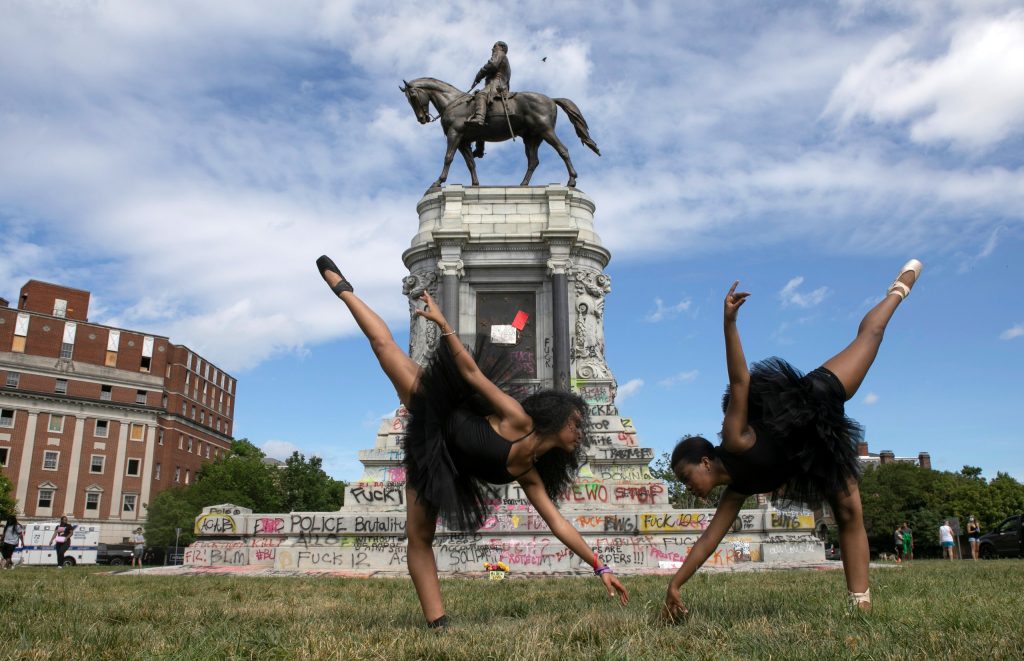
Newscasters predicted riots. Trump clearly hoped for the start of a race war. But over the next few days and weeks, some kind of magic happened. In spite of, or maybe because of, the protesters’ justified rage and the horrific over-reaction by most police, the protests became not wilder but calmer. They grew. They focused. They spread worldwide.

These big, diverse, articulate crowds cannot stay in the streets forever. They have, however, inspired shifts in public awareness, media coverage, and even state budgets and laws that should, that must, result in deep and permanent change. Fighting racism is a battle with many fronts: jails and prisons, schools and workplaces, neighborhoods and legislatures. The work ahead of us is enormous. But our society seems to be ready to take it on, at last.

“Magical thinking” is defined as the belief that our thoughts can cause changes in the real world. When our thoughts have no actual consequences, such a belief is delusional. Yet I have seen people’s thoughts change the world, not just once but many times.

There is such a thing as magic. There is evil magic, like the spell the fascist far right has cast over too many people in too many countries. The worst kind of magic has convinced many people that we have no power to make a difference, that only the very rich or famous can affect our culture. But there is also good magic, the magic of our shared ideals. Let us never give up hope of changing the world together. Magic is in the hearts of the people.