Good Guys, Inc.

Why can’t the good guys get our act together? So many people have been working hard on so many good things. But for 50 years, the progressive movement has been split into “special interests” by single-issue organizations. Environmentalists, social change activists, advocates for economic fairness, or for seniors, or children, or other species – all compete against one another for top billing on political agendas, media attention, and funding.

But if we’re going to build a world humans can survive in, we will need to do a wide spectrum of things. We have to stop fracking and using fossil fuels and nonbiodegradable plastic. We have to house the homeless and feed the hungry. We have to share the wealth to create economic justice. We have to educate our children, and protect our seniors. Most of us care about all these issues. Most nonprofit organizations only care about one.
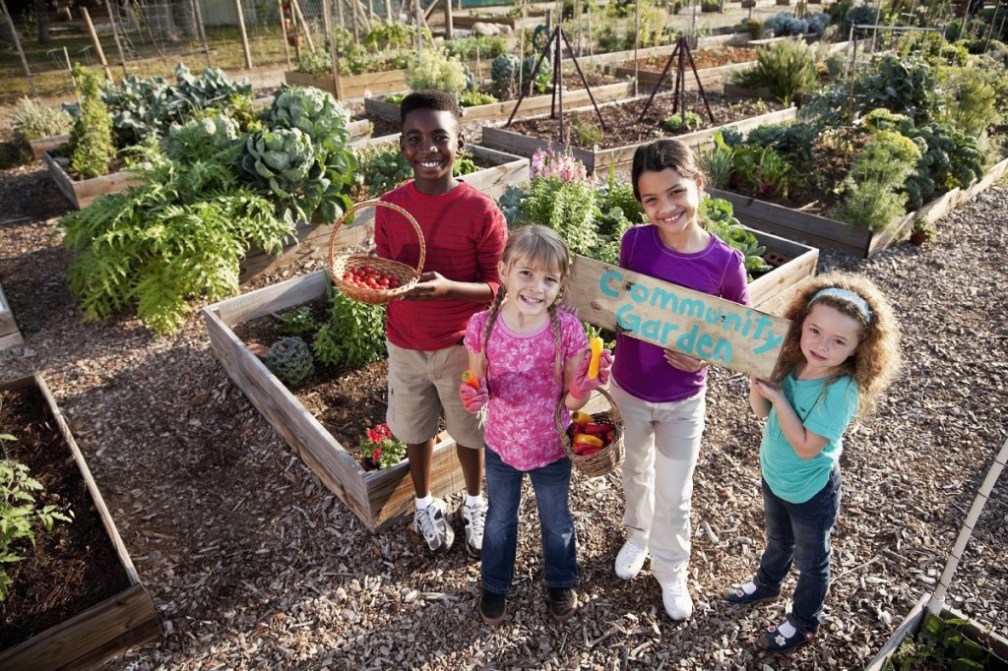
If we support a single-issue group with our time or money, we should pressure it to work in coalition. This won’t be easy. Paid staff at these organizations have built their careers on “their” issue and will be reluctant to put that issue in context. For them, it’s about keeping such power as they have. In this way, we are poorly organized for survival.

That’s why it’s so important for progressives to take over the Democratic Party. That’s the only place where every issue is part of the agenda. The nonprofit sector in the US does a lot of good things, but it’s not only fractured internally, it’s on too small a scale to deal with huge national or international problems. And it is organized according to the whims of donors, i.e. people with money.

If we overcome all the cheating and manage to get Democrats in power again, poor Biden will have to deal with a mess on every level. No matter what we care about most, the Republicans under Trump (and before him too) have screwed it up. Everything we love is in danger.

We can’t keep fighting over which issue is most important. We have to make progress on all of them. Every single-issue organization has gathered data on that issue and knows how to educate people about it. If they work together – if we insist that they work together in order to win our continued support – they can each add a valuable piece to the puzzle of how to create a sustainable world.

Eventually this puzzle has to be worked out by all countries, not just the US. But if the good guys here manage to get it together, the US can once again offer some moral leadership to the rest of the world. This is not up to Biden, or any politician, my friends. It’s up to the American people.
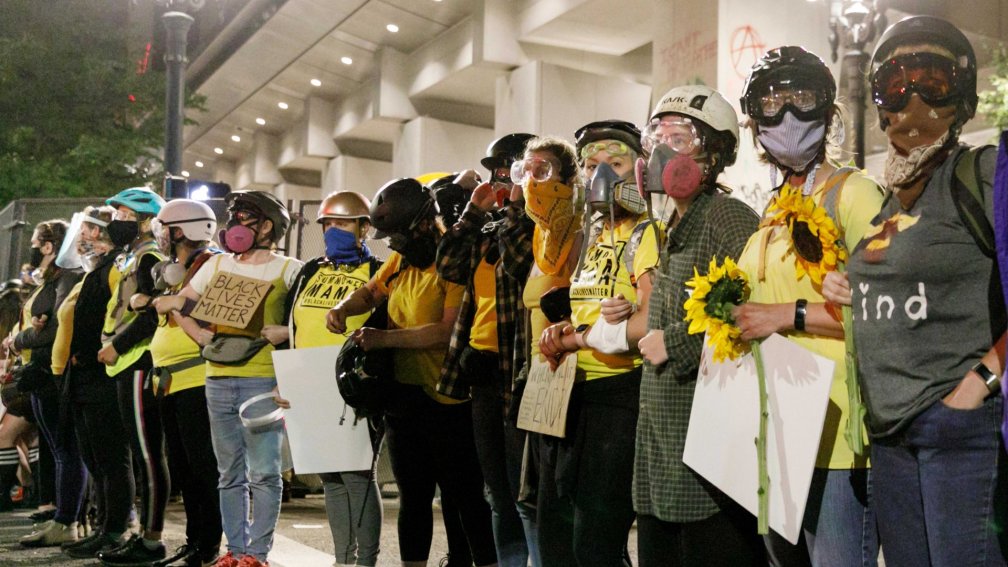
What happened in Portland?

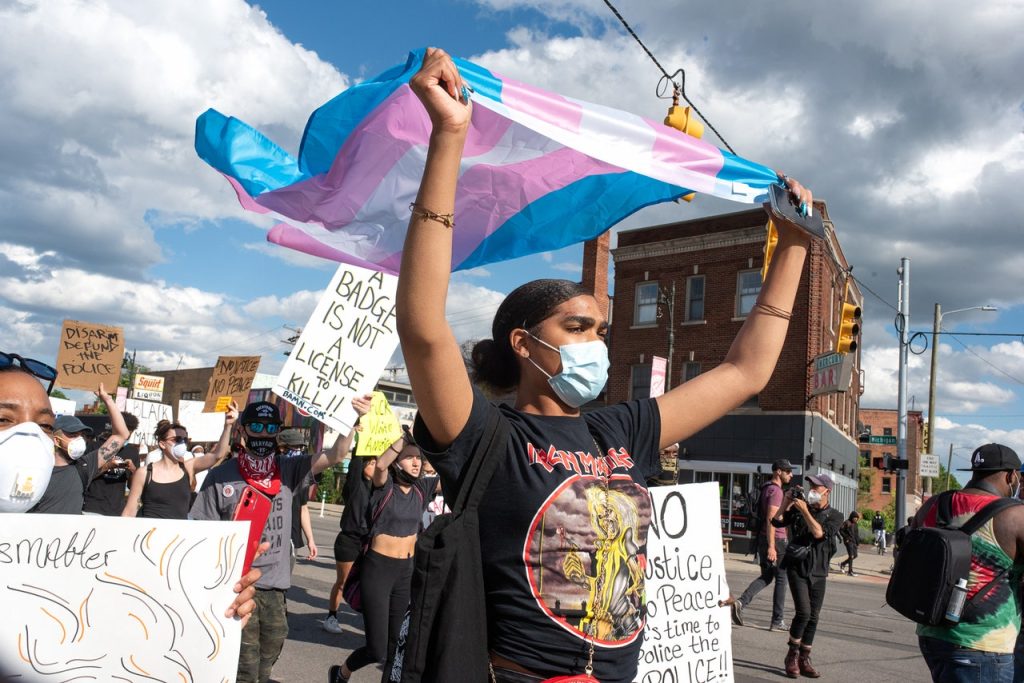
A friend who watches live feeds for hours every night has been keeping me posted about the anti-racism protests in Portland, Oregon, which have been taking place daily since the police killing of George Floyd in late May. One thing has puzzled me the most. Why do the massive numbers of peaceful protesters not stop the few violent protesters from setting fires or throwing things at the police?

Getty image of Wall of Moms

Bad air from the horrific fires out West has helped cut down the numbers of protesters. The federal officers that Trump ordered into the city, who amped up the violence with their militaristic approach, have gone home. My question remains. So I’ve been trying to figure out who within the Movement has been doing what, and why.

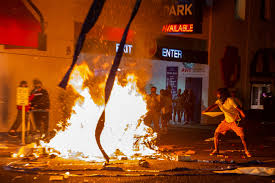
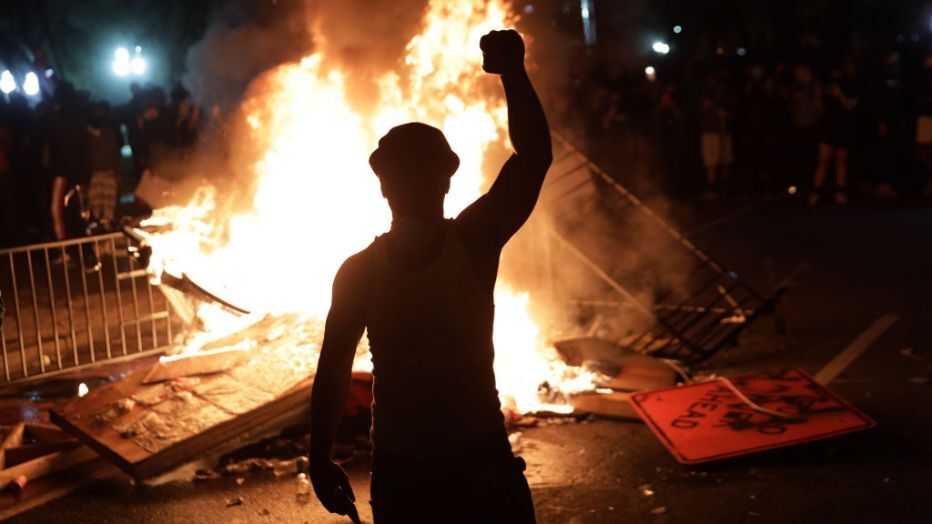
My live-feed friend noticed that every midnight in Portland, there seemed to be a changing of the guard among protesters. The thousands of peaceful demonstrators would go home, and a new, smaller, and much more aggressive set of people would take over. It almost seemed like a shift change. The midnight-to-4am shift was when all the trouble happened. Fires were set. Objects were thrown. Who were these people?

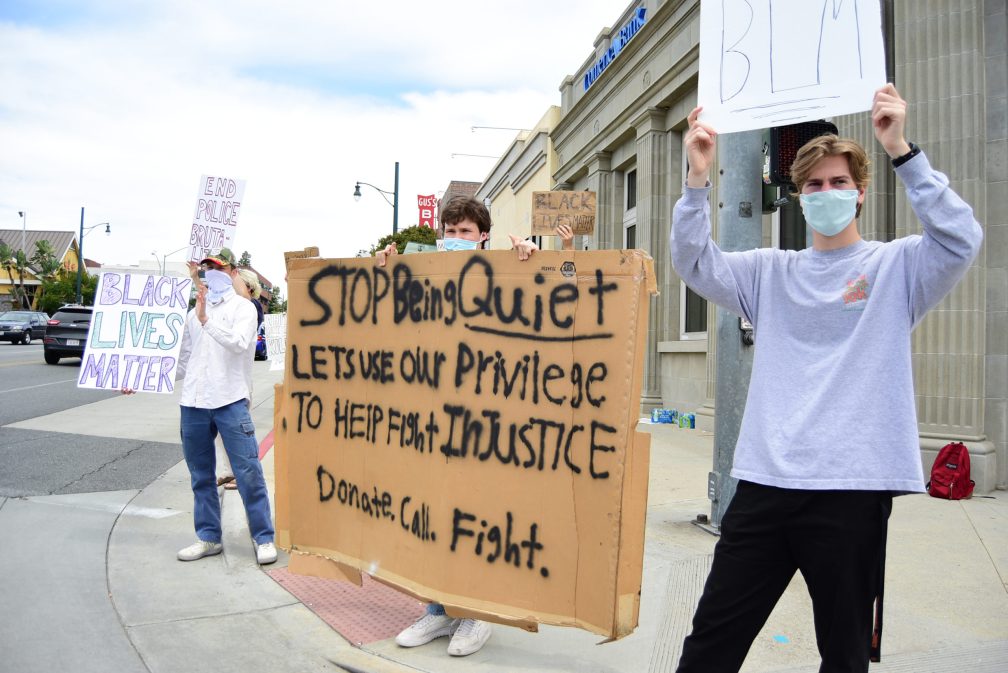
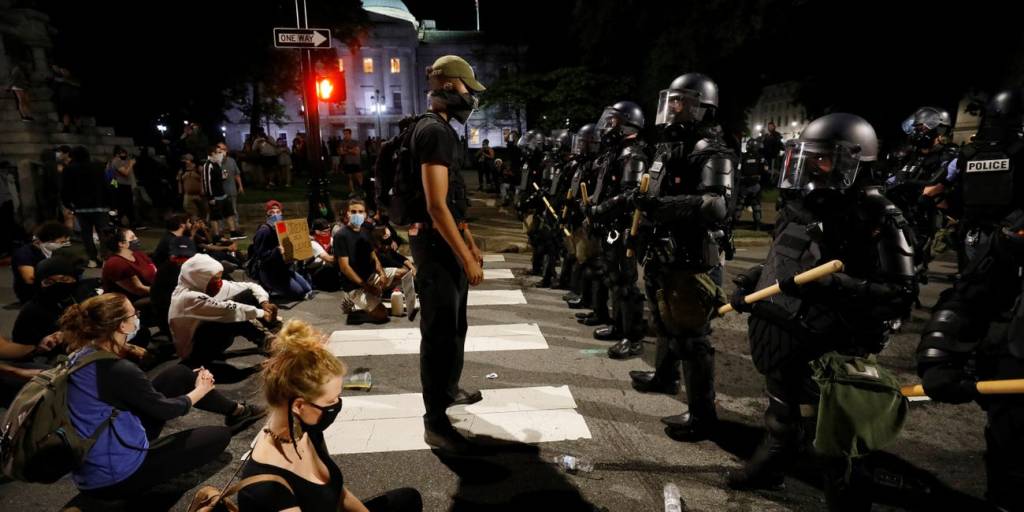
I’ve gone to hundreds of protests over the years, on many related issues, including Black Lives Matter demonstrations from 2014 until COVID. The BLM protests were large, peaceful, and diverse. Even in the face of very scary-looking police, participants remained non-violent. At one protest a marcher started screaming at police — who were not being aggressive at that time — calling them “pigs” and “fascists.” I stood in front of the police line facing the protester and yelled back at him, saying most police are just working people like us, trying to protect their communities. This kind of thing used to happen a lot. If we on the left don’t want to all be painted with the same brush, we shouldn’t do that to other groups, even the police.

I am not disputing the fact that there are many racist police, or that systemic racism and the “thin blue line” have protected police guilty of extreme violence toward Black people. I am not questioning people’s right to be angry. I just wonder why the Movement against the prevailing culture of greed and violence would fail to act against violence within its own ranks.

Portland after midnight

Various fingers point to “antifa” (but we’re all anti-fascist); a branch of the venerable union Industrial Workers of the World called the Portland General Defense Committee; and out-of-state instigators, some possibly paid by the far right to incite violence. Whoever they are, they are a population distinct from the peaceful demonstrators who go home at midnight.

Then I learned about the St. Paul Principles — named after the city, not the saint. They evolved from the 2008 protests against the Republican National Convention in St. Paul, Minnesota. They’re a set of four statements laying out how the various arms of the Movement should relate to one another. They urge solidarity and tolerance of various forms of dissent. They forbid snitching on other activists. They insist any criticism should remain internal, so as not to give ammunition to Movement critics. They also tell activists committed to different tactics to “maintain a separation of time or space.”

The St. Paul Principles seem to have been widely agreed upon by organizers. I suspect most protesters never heard of them. But what they mean in practice is that organizers of non-violent demonstrations agree to let violent protest events happen in another “time or space” without any agreement on limits to those actions. The organizers of these very different approaches to dissent have agreed to co-exist, in the name of Movement solidarity.

It’s my belief that the Movement exists to challenge and change the prevailing culture of violence and greed — violence against the many, for the sake of the greed of a few. If we ourselves are violent, then who are we really? Do we represent change, or just more of the same?

Reparations

White Americans used to think slavery ended with the Civil War. But even when Black people were finally “freed,” they were turned loose with nothing. Their families had been broken up. Their traditions had been lost. Although they built this country with their forced labor, they had no land and no property with which to build their now supposedly free new lives.

Since banks wouldn’t lend to Black people and businesses wouldn’t hire them, they had no access to money. Capitalism only works if you have capital. Black people had no capital, so they had to take whatever jobs they could get — and given systemic racism, they wouldn’t be good jobs. They might not have had to live on a plantation any more, but that only meant they had to commute to lousy jobs that paid next to nothing.

So big surprise, a couple of hundred years go by and nothing has been done to make good all the harm done to Black people. When we talk about reparations, we can get bogged down in endless debate over who is actually Black or how many enslaved ancestors you have to prove to be eligible. We need to focus on how to fix the harm. First step is to admit it exists. Then we locate the people who are hurting.

Many Black people, though far from enough, are middle class, and some are very rich. If people are doing all right economically, the harm they presently suffer from racism is emotional and social, though their wealth is still far below what it should have been. Laws and money won’t fix that harm. It can only be healed through Black inner strength, helped along by individual acts of apology and understanding from white people.

But poor communities can be fixed with laws and money. We can subsidize affordable housing, renovate schools, hire more teachers and pay them better, provide free college and job training. We can take money from police budgets and invest in needed services instead of punishment. We can fix roads and infrastructure and give tax credits to small businesses. If America does these things, we might end up helping more white Americans than Black. But we will be addressing the harm we as a society have caused, and that we can do something about.

Fear is a good start

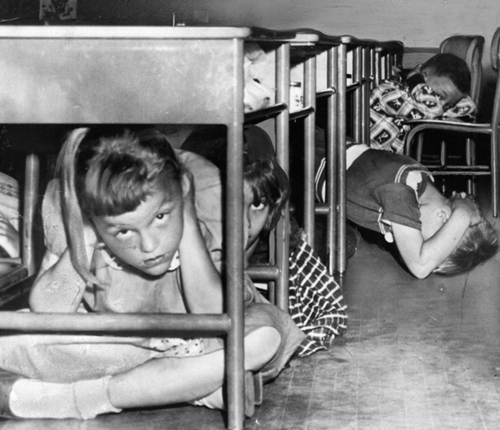
duck and cover

I’ve been scared most of my life: of nuclear war, of hateful prejudice, of environmental destruction. I always wondered why other people weren’t scared too.

Now that so many more people are afraid — of COVID-19, of poverty, of climate catastrophe — I feel better. At last, we are beginning to face the consequences of the way humanity has behaved. That means there’s a chance we can change our behavior.

We have based our culture on greed and violence. This is no way to run a planet. We have been cutting down rainforests, the lungs of the earth, so we can have palm oil and hamburgers. Now the earth is heating up so fast, we’re afraid humanity can’t stay alive on it much longer.

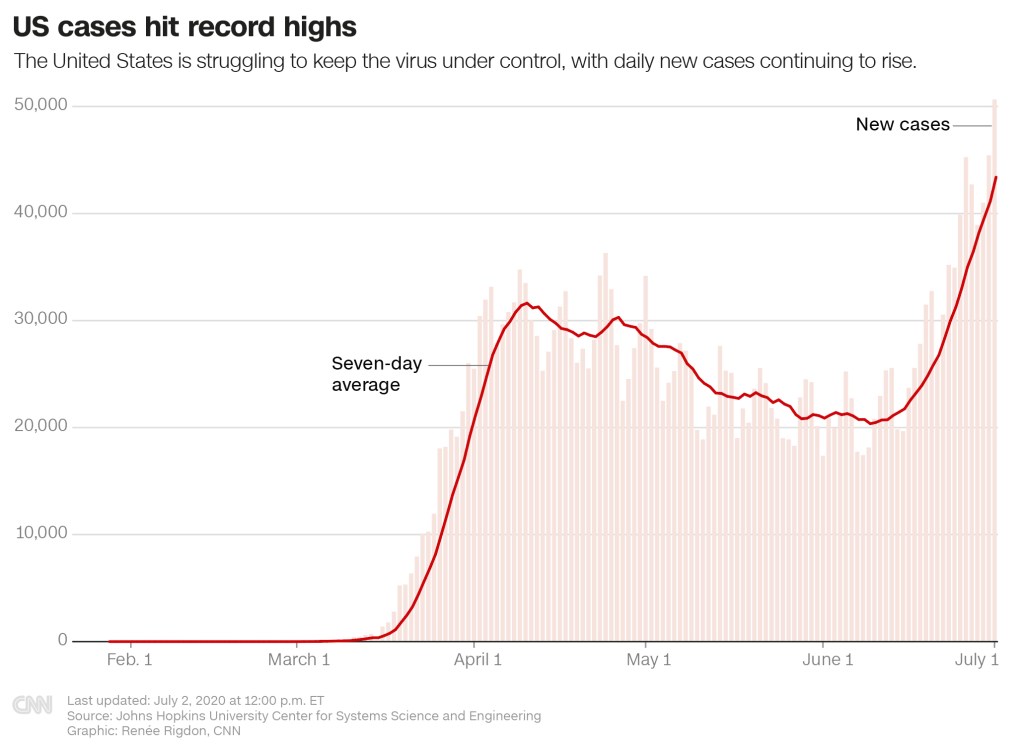
The USA is showing the rest of the world what happens when you refuse to acknowledge reality. Trump insists the virus is a hoax, and basic safety measures are an attack on our freedoms. So hundreds of thousands of Americans are dying. Eventually, we will admit the only way to save our people is to wear masks and maintain distance everywhere we go. Meanwhile we will lose far too many. But we will learn.

The USA is also showing the world how to change the culture. Thanks to huge, nonviolent protests, the Black Lives Matter movement has finally made most Americans aware that racism is another deadly virus we all must fight. Black people have moved from fear to anger, from suffering to action. They have educated and mobilized their allies. This is how we make a difference: we do it together.

So do get afraid, my friends. Just don’t stay that way. This is a beautiful world. Humanity is worth saving: people can be awesomely kind and creative. It’s not individuals who are the problem, even Trump; it’s our cruel and selfish culture. Let’s get together and change it.

America: love it or hate it

I love America because people are here from everywhere. First generation keeps the old languages and customs; second generation is just American kids who drive the old folks crazy. Doesn’t matter where you came from. If you’re here, this is where you belong. Our immigrant and refugee policies are terrible (file under reasons to hate America) but our immigrants and refugees enrich our lives in so many ways: food, music, expanding dialogues, businesses, interesting neighborhoods.

I hate America because racism, xenophobia (fear of strangers), and misogyny (fear of women) are so deeply embedded in our culture. Too many of us have accepted them as though there was nothing we could do about them. I hate America because we take democracy for granted and 40% of us don’t bother to vote. I hate America because we’ve been bullying the whole world, bragging about torturing people, terrifying the Middle East with our armed drones. And refusing to acknowledge climate change even after New Orleans and the wildfires in California. Not to mention keeping the pandemic going, all by ourselves if we have to, because…freedom?

I love America because of our ideals of equality before the law, free speech, and human rights. I hate America’s failure to live up to them. I love that so many of us are trying to finally make democracy real.

The stock market isn’t the economy

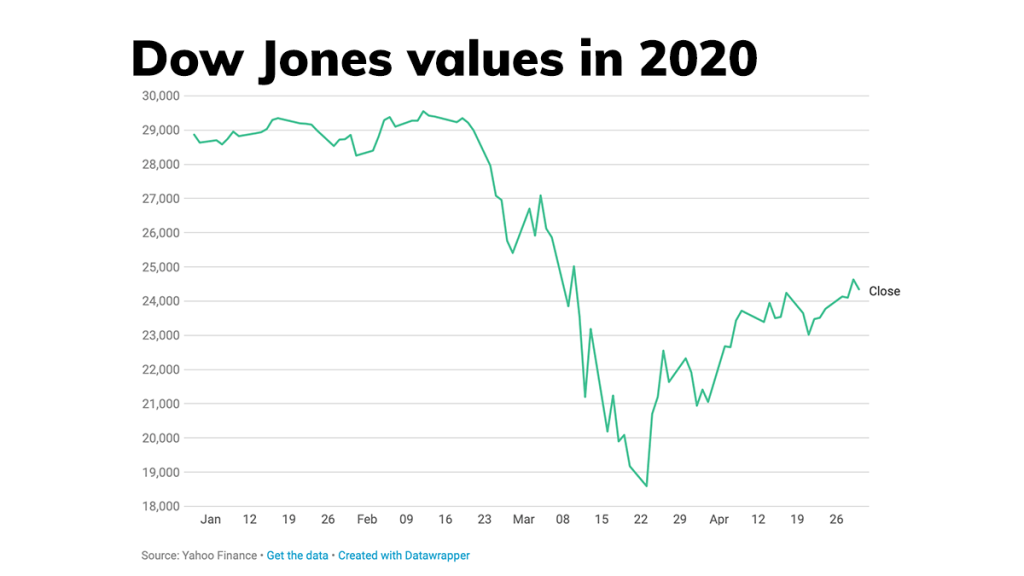
The stock market dropped in late March when it hit Americans all at once (except Trump, who knew months before) that COVID-19 was a deadly plague which demanded a quick response. The real economy, where people go to work and get paid, and then go out and spend their money, largely shut down. Suddenly 1 out of 4 Americans was out of a job.

The stock market has recovered. The real economy has not. Why does Dow Jones seem not to care that the Jones family can’t pay the rent? Because the Jones family is not rich and does not own stock. They are the poor relations that the Dow does its best to ignore.

But another stock market crash is almost inevitable. The Jones family’s unemployment checks will run out. They will not be able to find new jobs. No matter how much Trump denies it (and because of his denial), COVID-19 is raging through the US and people are rightly afraid to start their businesses back up. The Jones family’s landlord will stop forgiving the rent, because he can’t afford to pay his mortgage without getting it. They are all in danger of losing their homes.

The only reason the stock market cares about the 40 million Americans who have lost their jobs is that pretty soon, those people will stop spending money, because they won’t have any.

The capitalist economy depends on the American consumer. Nonstop advertising has trained us to want new things constantly. We buy every plastic gimcrack and follow every new fashion. Without our shopping, the whole house of cards will come tumbling down.

That house of cards hasn’t been sheltering most people very well anyhow. Capitalism only works if you have capital. Put another way, it takes money to make money. People who have never had a chance to accumulate wealth, like most Americans of color and those born into the lower classes, get stuck in jobs that don’t pay enough to live on. When the real economy shuts down, they have no savings and no collateral.

The US is about to face hunger and homelessness on a scale we have not experienced since the Depression of the 1930s. The federal government under Franklin Delano Roosevelt responded to the Depression with laws, jobs programs, and public works projects known as the New Deal. Slowly, the New Deal programs put Americans back on their feet.

We know the only Jones that Trump cares about is the Dow. He is perfectly willing for the rest of the Joneses to die of coronavirus, or lose their homes, or starve, as long as his rich buddies continue to make more money. With a normal president, Americans could expect the federal government to help us get through these bundled crises. Now we know we can’t expect any help until we elect a new president. If we lose everything meanwhile? Trump will just call us losers.

Magical thinking

I believe in magic. I’ve seen it happen. Arthur C. Clarke, who wrote 2001: A Space Odyssey, said: “Magic’s just science that we don’t understand yet.” In this case, the science is mob psychology. I’ve seen ugly crowds turn beautiful.

Once, long ago, I was at a huge outdoor rock concert. It was a hot day. Then it rained and the wind came up. People got cold. Some started to tear down the arena’s concession stands so they could make bonfires of the wood. The most aggressive vandals surrounded the fires. The mood was violent and mean.

Then a friend of mine stepped up to a fire, warmed his hands, and loudly praised the people who had built it. “This is so great, thank you! We’re all freezing and this feels wonderful! What a terrific idea!” He kept shouting this sort of thing while more people crowded around the fire. Now the original vandals began to feel like heroes. Others helped them take the stands apart and build more fires. Tension evaporated. Once again we were brothers and sisters enjoying the music together.

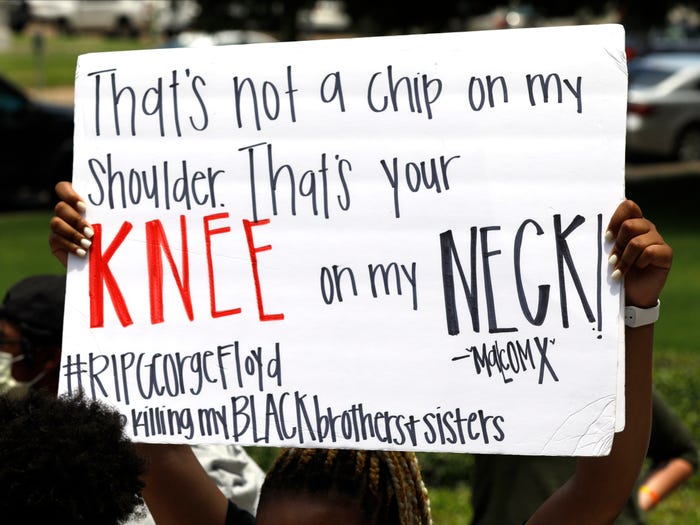
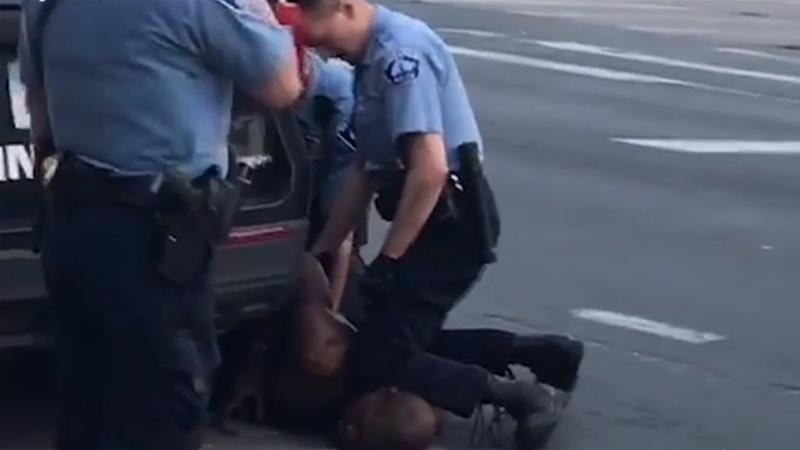
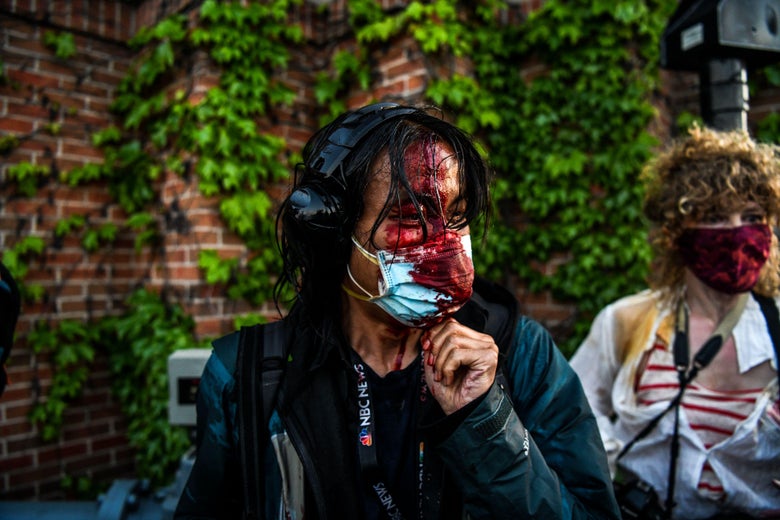
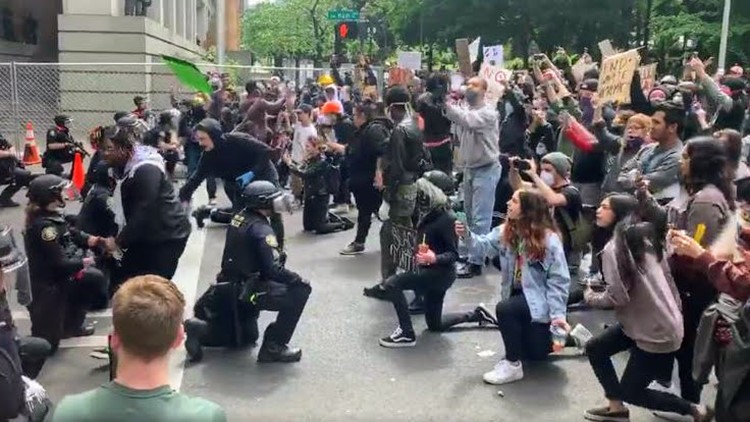
Late this spring, after a Minneapolis policeman murdered George Floyd by kneeling on his neck for 8 minutes and 46 seconds, the black community erupted in protest, releasing tension that had built up over lifetimes of racist abuse. As crowds demonstrated against police brutality, the police demonstrated their brutality. Some people at the fringes of the protests broke into stores; some set fire to police cars and a station where police had fled the scene.

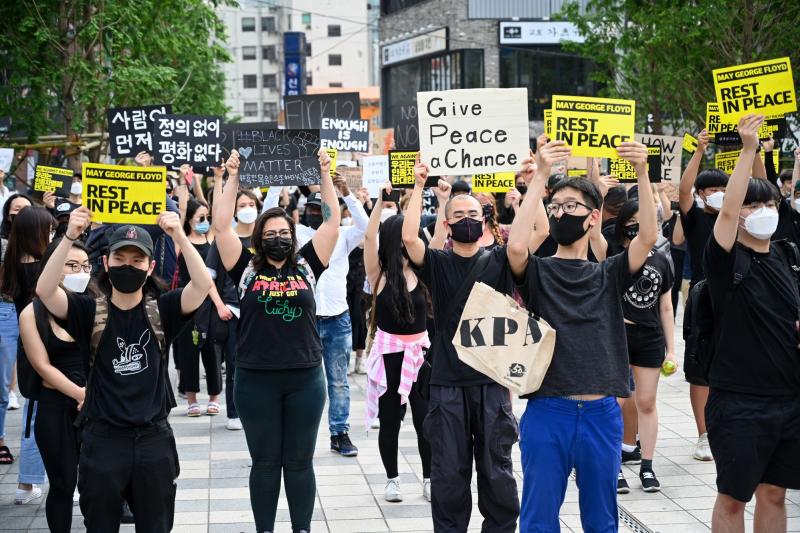
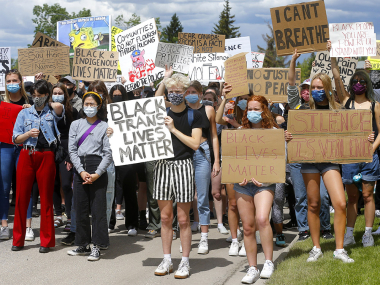
Newscasters predicted riots. Trump clearly hoped for the start of a race war. But over the next few days and weeks, some kind of magic happened. In spite of, or maybe because of, the protesters’ justified rage and the horrific over-reaction by most police, the protests became not wilder but calmer. They grew. They focused. They spread worldwide.

These big, diverse, articulate crowds cannot stay in the streets forever. They have, however, inspired shifts in public awareness, media coverage, and even state budgets and laws that should, that must, result in deep and permanent change. Fighting racism is a battle with many fronts: jails and prisons, schools and workplaces, neighborhoods and legislatures. The work ahead of us is enormous. But our society seems to be ready to take it on, at last.

“Magical thinking” is defined as the belief that our thoughts can cause changes in the real world. When our thoughts have no actual consequences, such a belief is delusional. Yet I have seen people’s thoughts change the world, not just once but many times.

There is such a thing as magic. There is evil magic, like the spell the fascist far right has cast over too many people in too many countries. The worst kind of magic has convinced many people that we have no power to make a difference, that only the very rich or famous can affect our culture. But there is also good magic, the magic of our shared ideals. Let us never give up hope of changing the world together. Magic is in the hearts of the people.

Moving our money

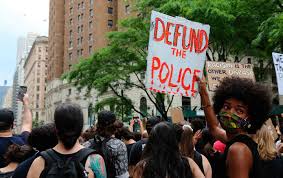
“Defunding the police” means moving money within city and state budgets. The idea is to take money out of policing and spend it on services like mental and physical health care, education, and affordable housing instead. “Defunding” assumes that meeting people’s needs will prevent many problems caused by desperate people doing desperate things. Happier, healthier, more stable households would mean less work for police. Police unions will fight this move, of course, but it’s long overdue.

The trend over the 40 years since the election of President Reagan has been to take money from the poor and give it to the rich. The poor lose services; the rich get tax cuts. The first type of service to go is always oversight and monitoring. That way, when budgets get cut, there is no one to tell us what suffering is the result.

In this 40-year history of public service funding being transferred to private wealth, Republicans reliably make things worse. Democrats have only slowed the trend at times, and never managed to turn it around. Their rich donors made sure of that.

If a lot of public money really is moved to services the public needs, we’ll have to make sure those services don’t get cut back again. In 1980, the last year of his term, President Carter tried to defund psychiatric institutions, where too many people had been imprisoned, often in terrible conditions. Carter intended to build community mental health centers to take the place of the old system. However, as soon as Reagan got elected, he stopped funding community MH care. The old institutions closed; new ones never opened. Poor people with serious mental illness were left with no place to go but the street or the jail cell.

Everything our government spends is our own money. Now Trump’s head of the Treasury, Steven Mnuchin, says that it is none of taxpayers’ business where he has spent half a trillion dollars. That 500 billion was supposed to help small businesses survive after Trump’s two-month denial of the crisis made a lock-down necessary. US taxpayers have bailed out the airline industry, the fossil fuel industry, big banks, and financial services companies. When will we bail out ordinary people? Not until we elect a new president. And even then, not unless we insist.

What we can change

BLM London (Photo by Hollie Adams/Getty Images)

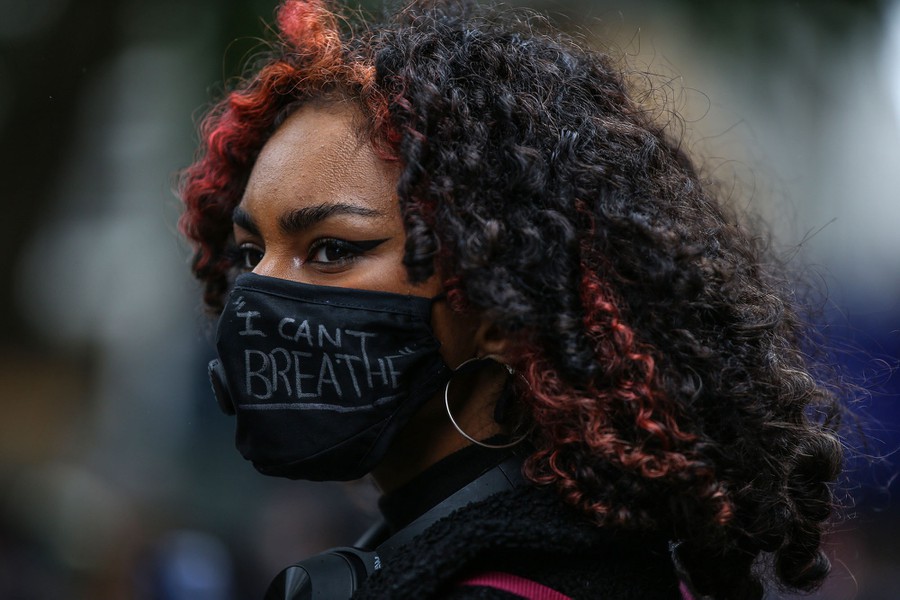
It took a pandemic infecting black Americans at three times the rate of whites, huge unemployment — also much worse for black people than for white, and one too many videos of police killing an unarmed black man, to get Americans to hit the streets at last. Black people led the way, but thanks to other people of good will, they are not alone on the street, or in this country.

BLM Berlin

People around the world are responding to the rallying cry of Black Lives Matter. Everyone is panicked by the COVID-19 crisis; everyone is terrified of the climate change crisis, which will only get worse while our attention is elsewhere; but the brutality of American racism is now something that humanity feels Americans can do something about.

Polls show that two-thirds of Americans support the BLM protests. How did that happen? It’s not like racism has been hard to see. If we needed video proof of police violence, we’ve had plenty for years. It’s been too easy for government and white people to ignore this disaster, which has devastated black Americans since they were dragged to this country in chains 400 years ago. Public attention was scattered around the minutiae of everyday life, until everyday life ground to a halt under quarantine. These days, it’s almost a relief to think about something besides COVID-19.

Durham, North Carolina

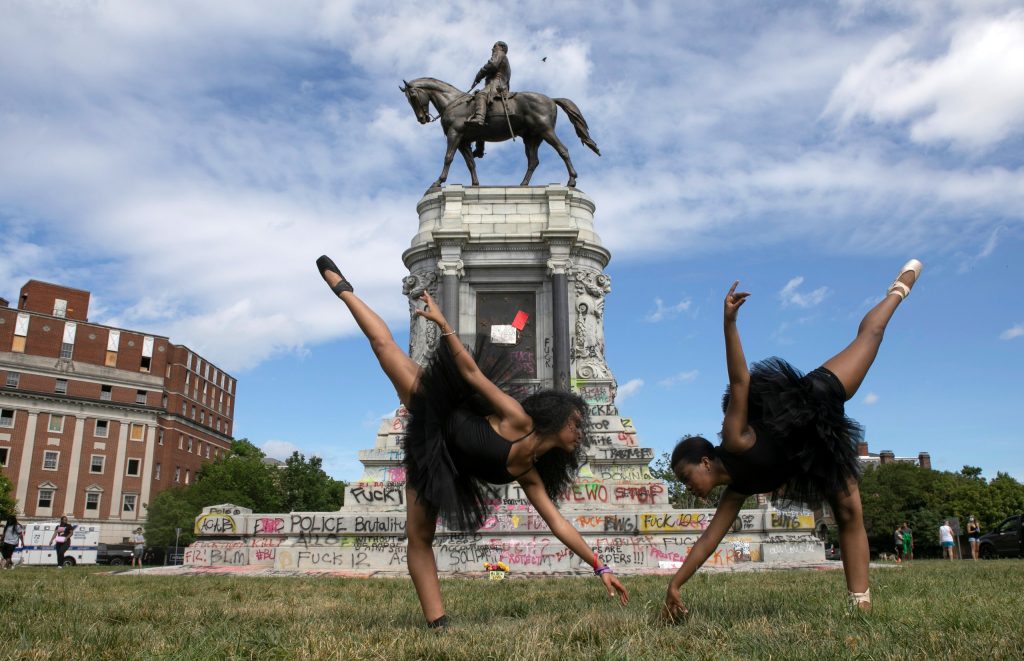
We are starting to make changes that we should have made 50 years ago. So far, most are symbolic. Confederate flags and statues are coming down. Institutions that maintain the power of the old slave states will be harder to pull down, like the Senate and the Electoral College, not to mention the whole system of policing and mass incarceration.

Without justice, democracy is just a farce, not a fact. America built its wealth on the forced, unpaid labor of black people. We have never given them anything in return for what we stole. In November, this country gets a chance to begin to do better. We have to try. The whole world is watching.

These clips

I’m posting two clips from Youtube that sum up the moment we’re in and how we got here. I have nothing to add, except my heartfelt hope that this all leads to changes black Americans have needed for a long time. The videos of horrific police violence, the personal stories of suffering from police racism and the racism so common in our society: these are reaching hearts and minds. Ultimately, such attitude shifts within individuals form the change in public consciousness that is the only thing that has ever taken us in the direction we have to go. People are fighting for a future where we can all survive and thrive. Let us support them in any way we can. Black lives matter.

Asleep at the Wheel

BLM 2014

I’ve been going to protests for 50 years. I’ve protested racism, sexism, homophobia, book burning, environmental devastation, income inequality, US treatment of immigrants and refugees, and three wars. I’ve marched with Black Lives Matter since 2014. Not since the late 1960s have I felt as much hope for real, lasting change as I do now.

BLM 2017

The more brutally the police respond to protests against police brutality toward black people, the more they show the world the protesters are right. Racism is everywhere. The US was built on slavery and genocide. White people continue to reap the benefits of all that unpaid labor and stolen land. People of color continue to suffer without any compensation for their terrible losses.

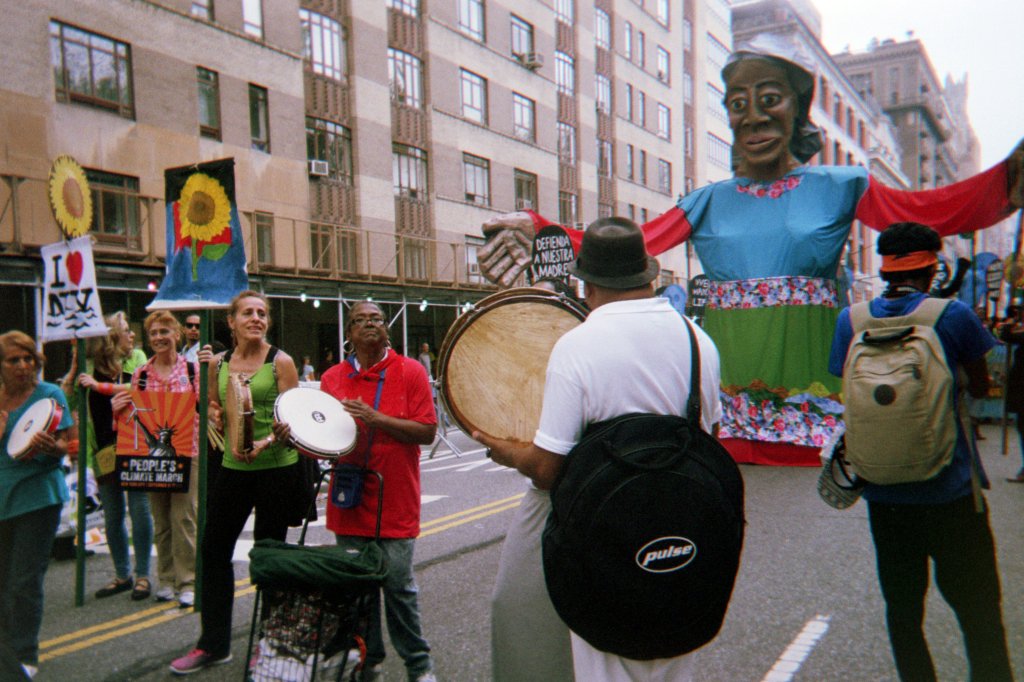
Climate Change March NYC 2014

Black people led the way in the 1960s as they are leading now. The civil rights movement showed America how you make real change. You hit the streets with as many people as you can, raise your voices together, resist violence, and don’t stop until you get what you need. Not just civil rights laws but the anti-Vietnam War, women’s liberation, gay rights, and environmental movements were the result.

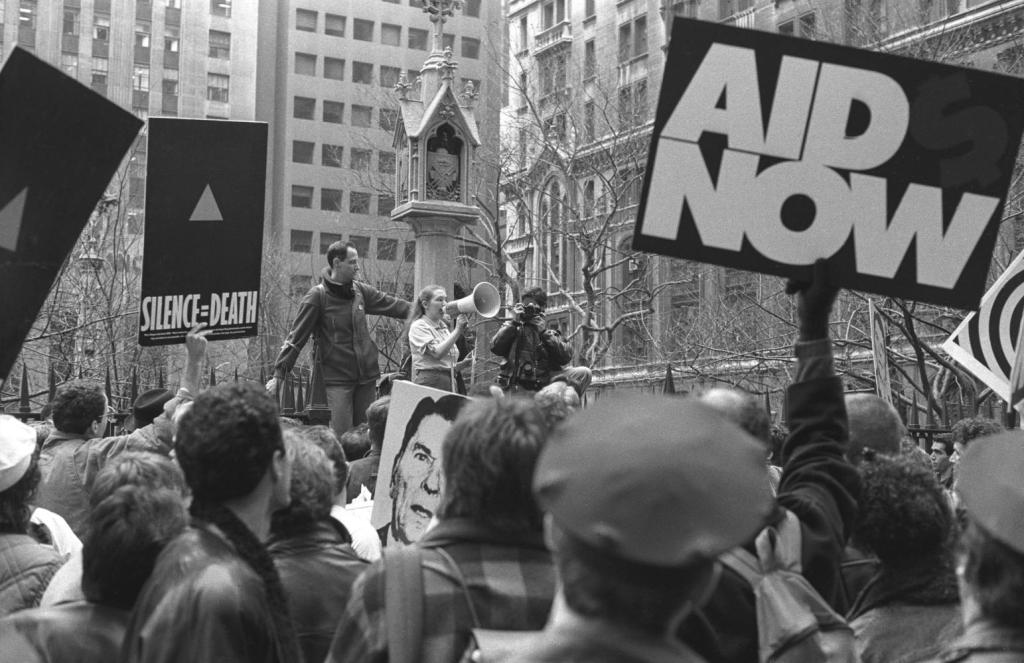
ACT UP in NYC 1987

For a few years, it seemed that America was waking up. Laws were passed. Attitudes shifted. Then Reagan came along in 1980, and progress stopped. AIDS activists, their horror and rage burning brightly in a dark time, eventually forced America to take another few steps forward on gender issues. Regarding poverty, war, racism, and the environment, Reagan pushed us backward. Since then: no progress to speak of.

For the past 40 years, almost half of the US population has behaved as though our federal government is not our concern. This is supposed to be a democracy; the people are supposed to be driving this car. Instead, we’ve been asleep at the wheel. If we don’t take control, rich white men do all the steering. The pandemic demonstrates that they don’t know where the hell they’re going, except toward human extinction. The people in the streets today are struggling to steer us in a different direction. The odds are long as always. But maybe this time, America will wake up — and STAY woke.

Racism & White Guilt

More than 10,000 people have been arrested across the US for protesting the police murder of George Floyd, and so many others. While Trump is in charge, protesters can expect maximum punishment for the crime of free speech.

No matter what else results from these protests, they have achieved one huge thing. They have made millions of white people feel guilty. It’s about time.

Since the massive civil rights demonstrations in the 1960s resulted in laws that stopped legal discrimination against black people, this nation has done nothing to make their lives any better. That’s more than 50 years of things just getting worse.

Even liberal administrations have pressed that boot down on black people’s necks. Bill Clinton, who supposedly loved black culture, passed a terrible crime bill and a terrible welfare bill that caused a spike in mass incarceration and hopeless poverty. Black communities suffered most.

Police have terrified, threatened, humiliated, tortured, and killed black people. Their power to do these things makes police racism especially destructive. But police are racist because our whole society is racist. White privilege has been a given for centuries. Ask Native Americans.

The first thing white people have to do is recognize how much damage our culture has done to people of color. This should be easy. Black people are telling us. They have been telling us right along. We just haven’t been listening.

Signs of Hope

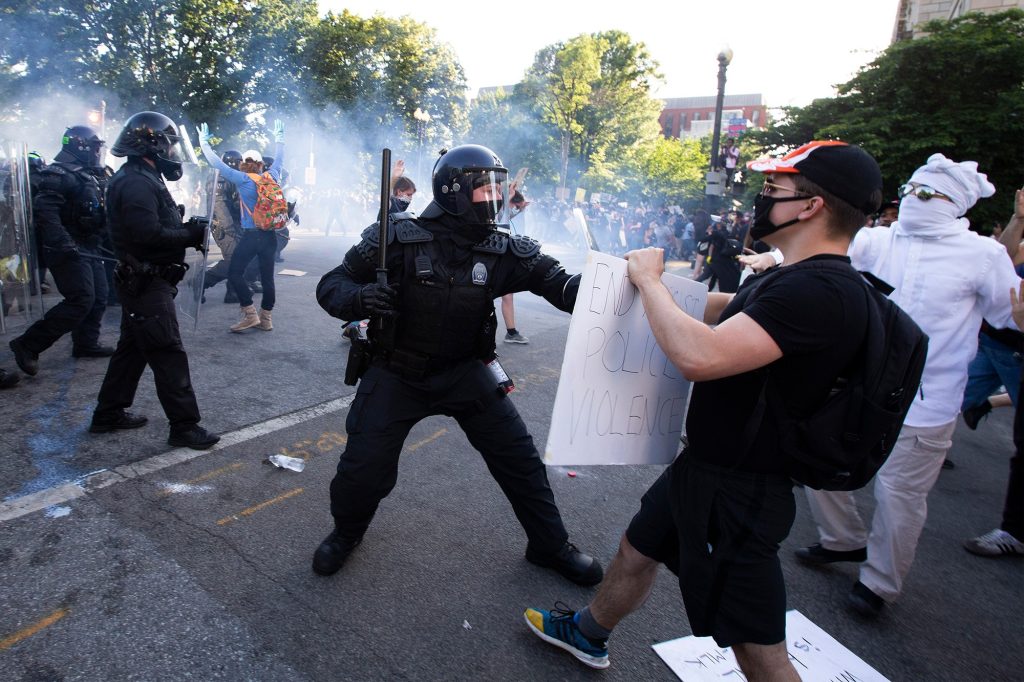
Police use tear gas on DC protesters

We have many reasons to despair. Trump threatens to turn the US military against our own people. He urges state governors to “dominate” the protests, encouraging police to use tear gas and rubber bullets on angry crowds instead of trying to calm them down. COVID-19 is still roaring through the country, with the black death rate twice that of whites. Now one-quarter of workers are out of a job, and desperation is surging in all communities but the richest. And police murders of unarmed black people continue, without meaningful consequence. The US has done nothing in decades to fight structural racism.
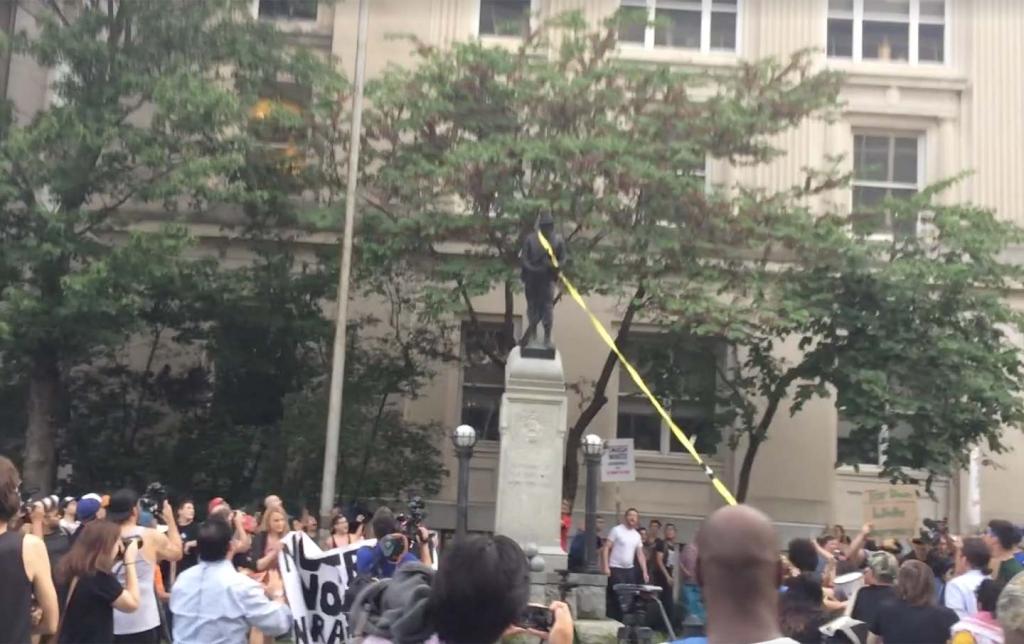
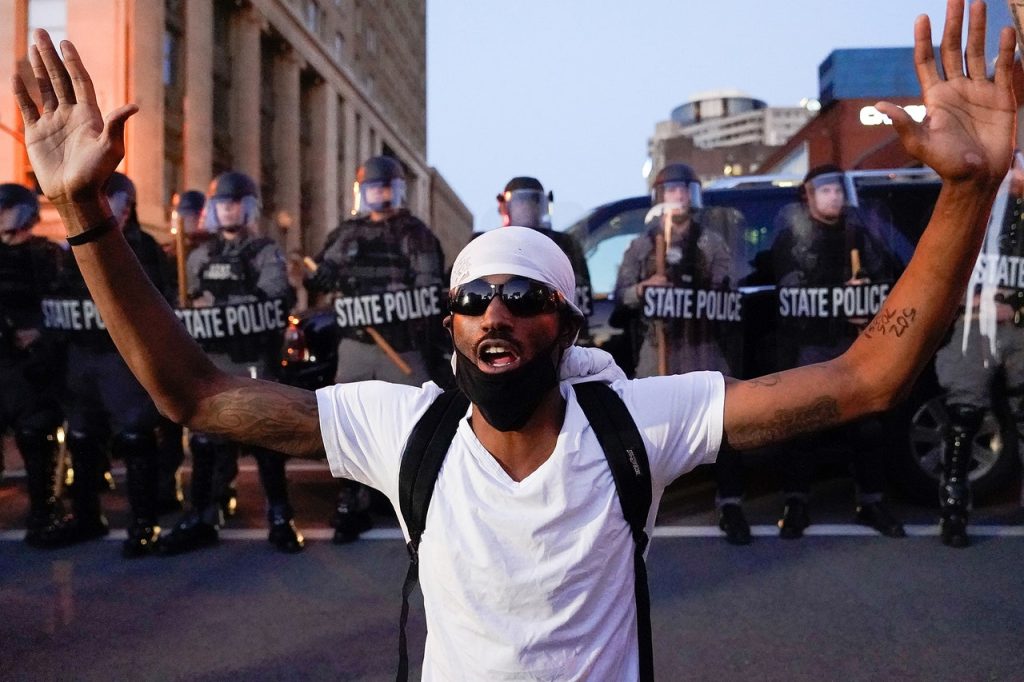
Louisville KY protester urges nonviolence

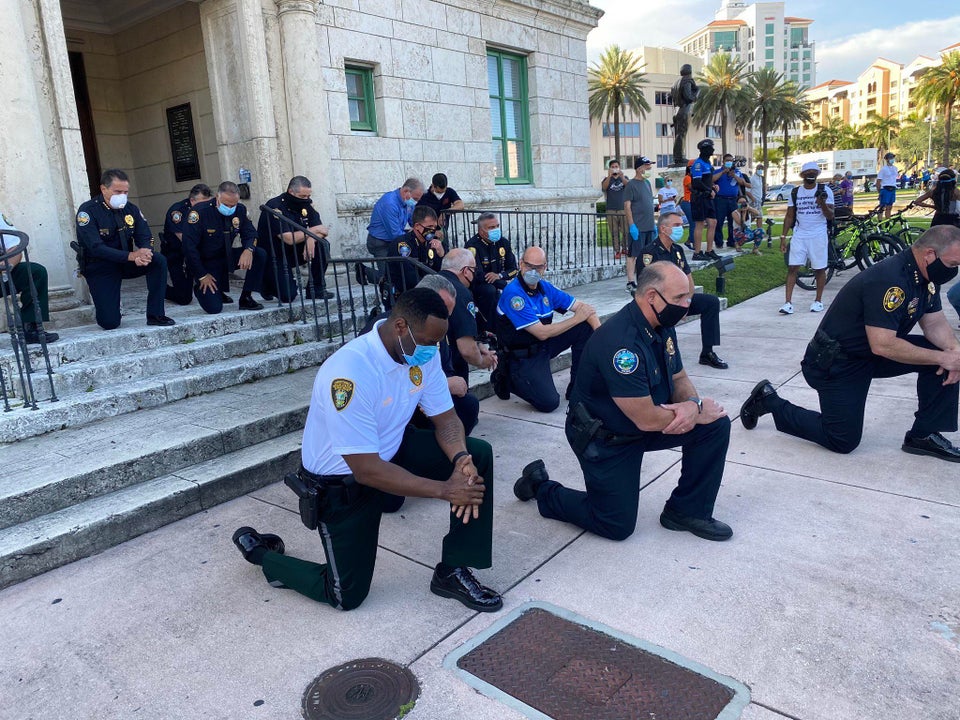
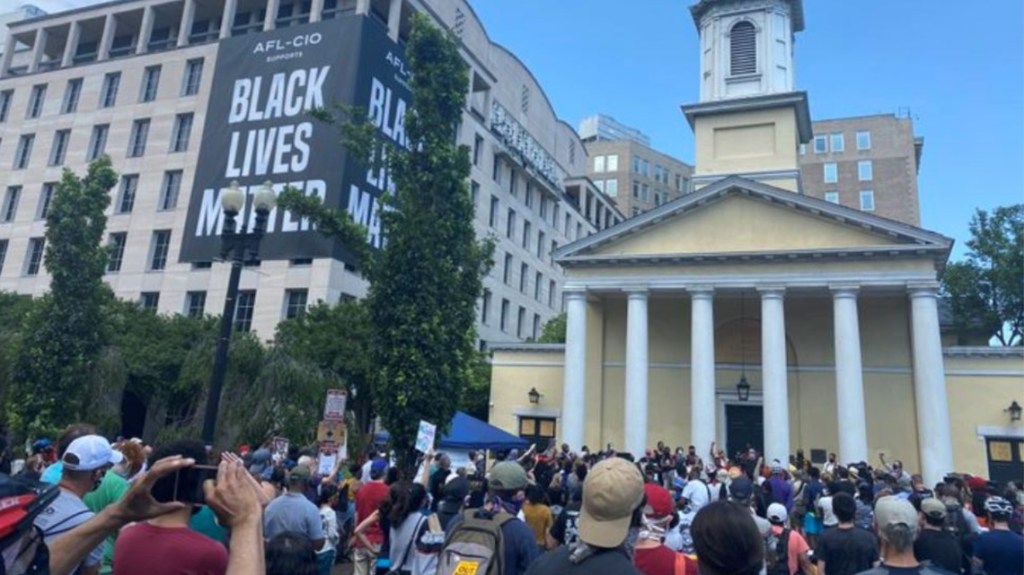
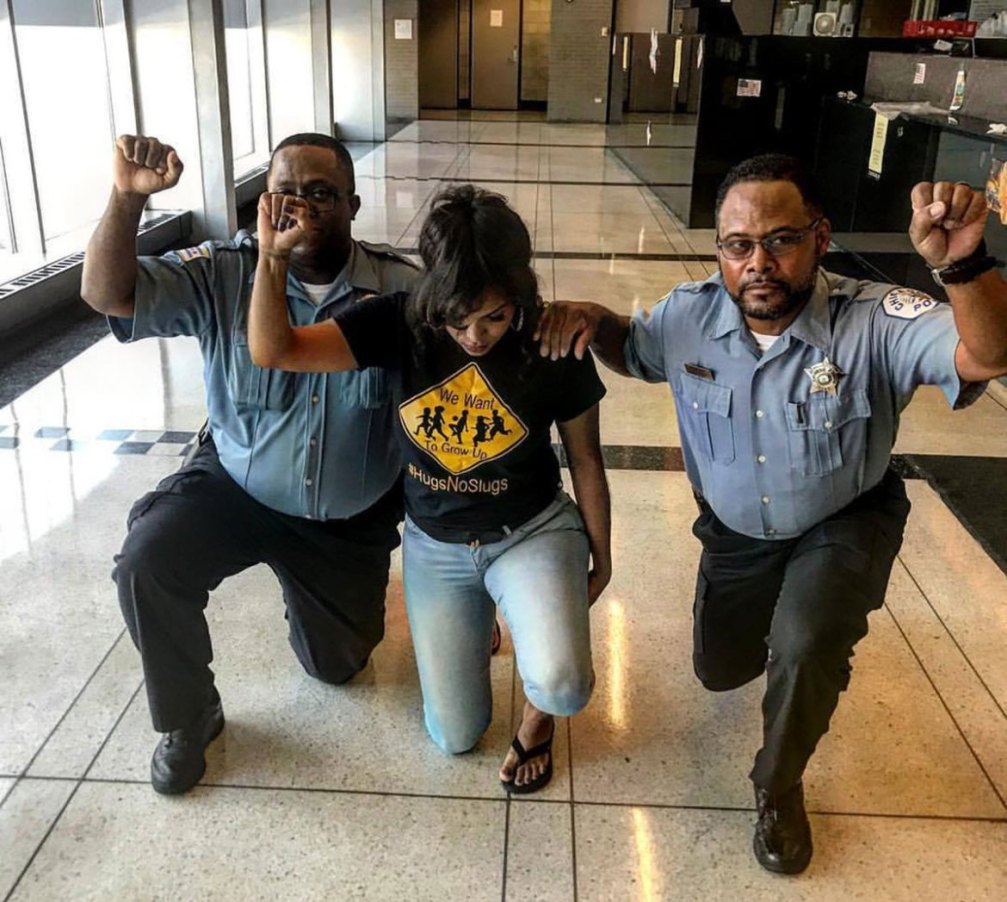
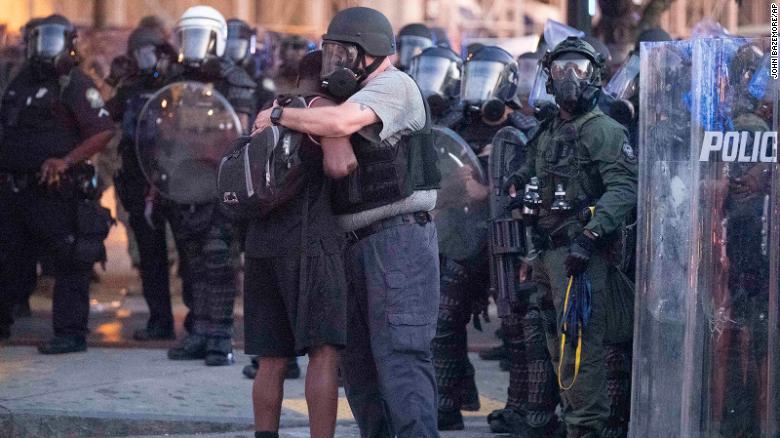
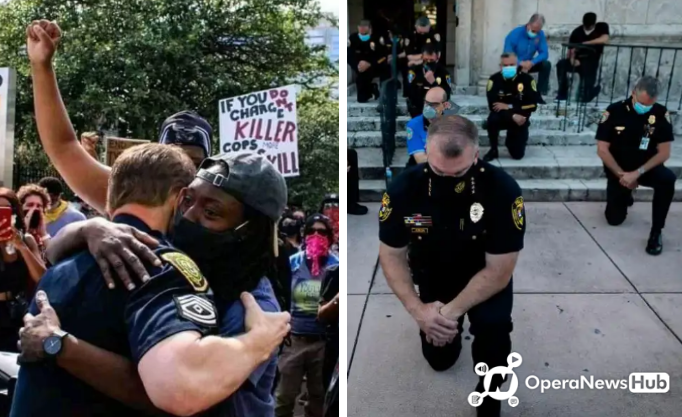
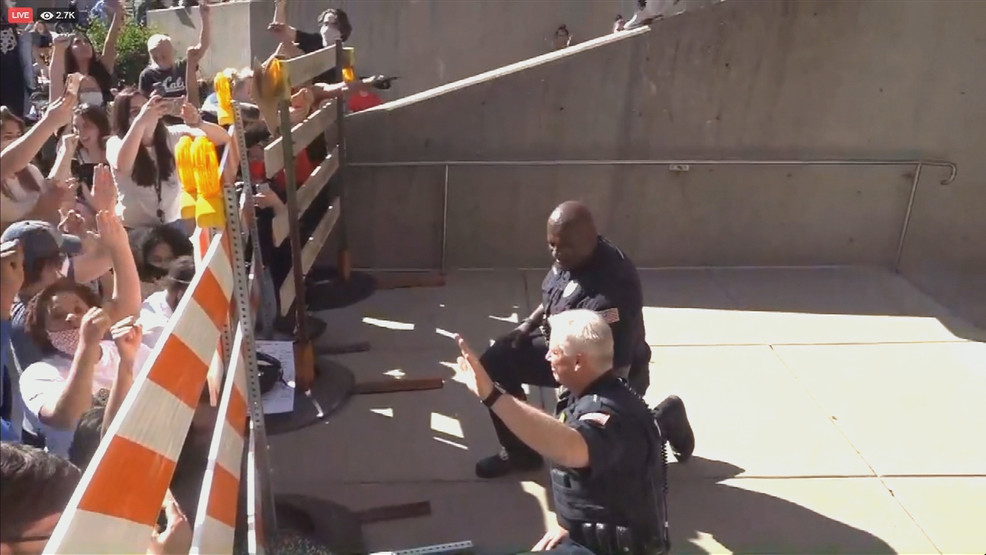
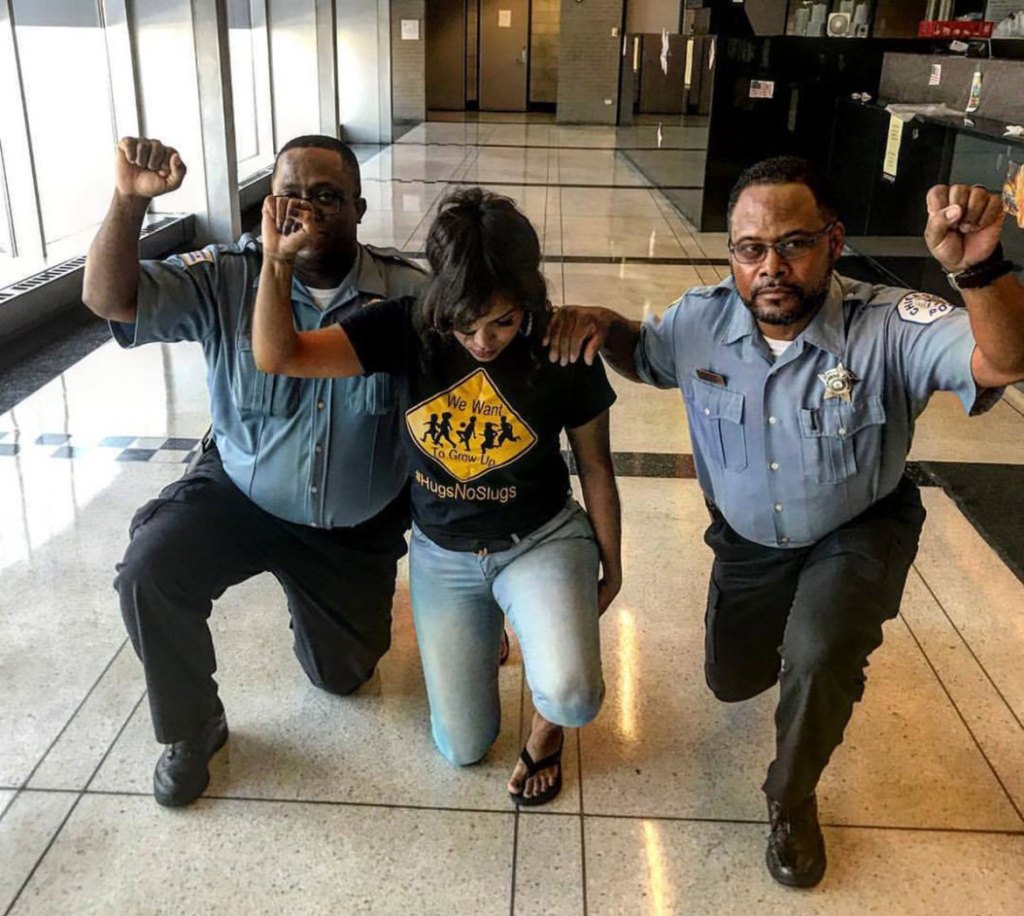
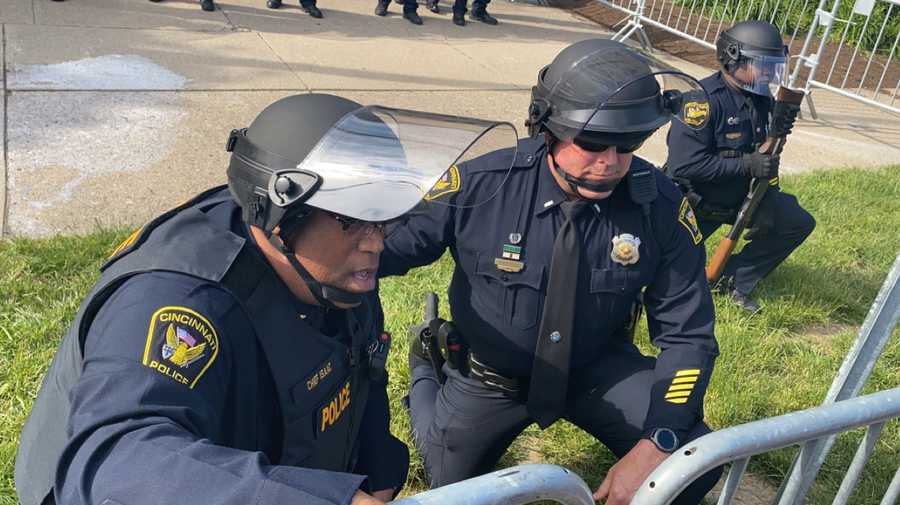
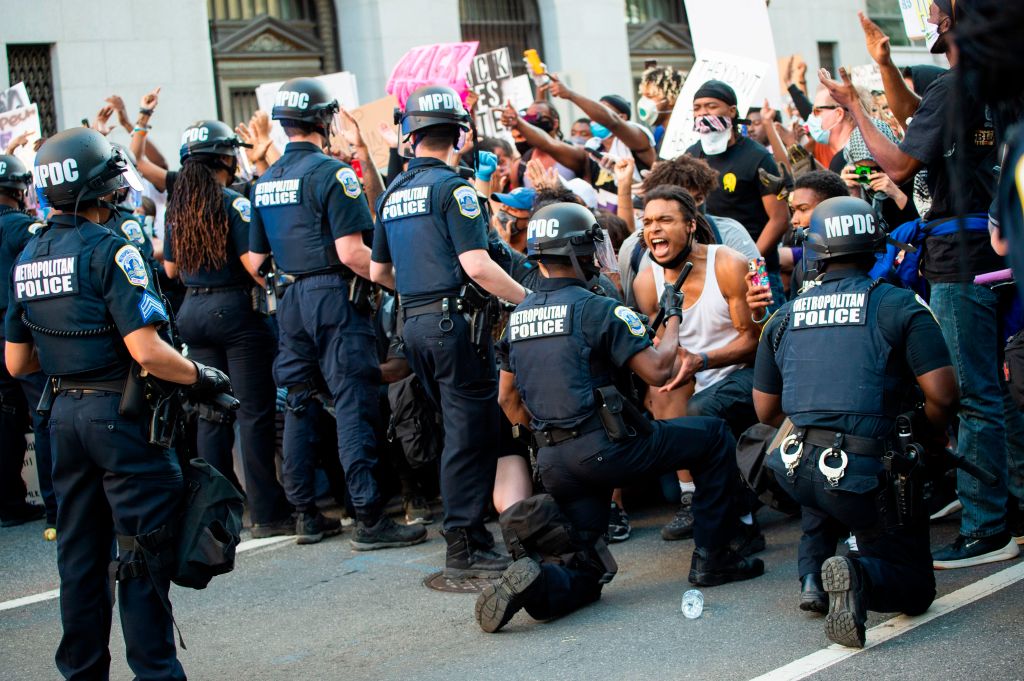
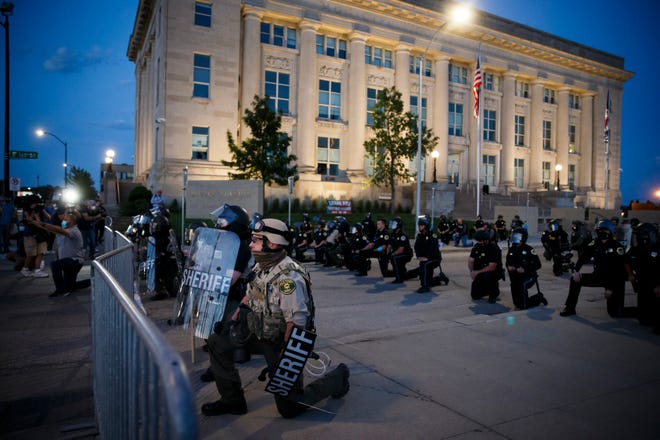
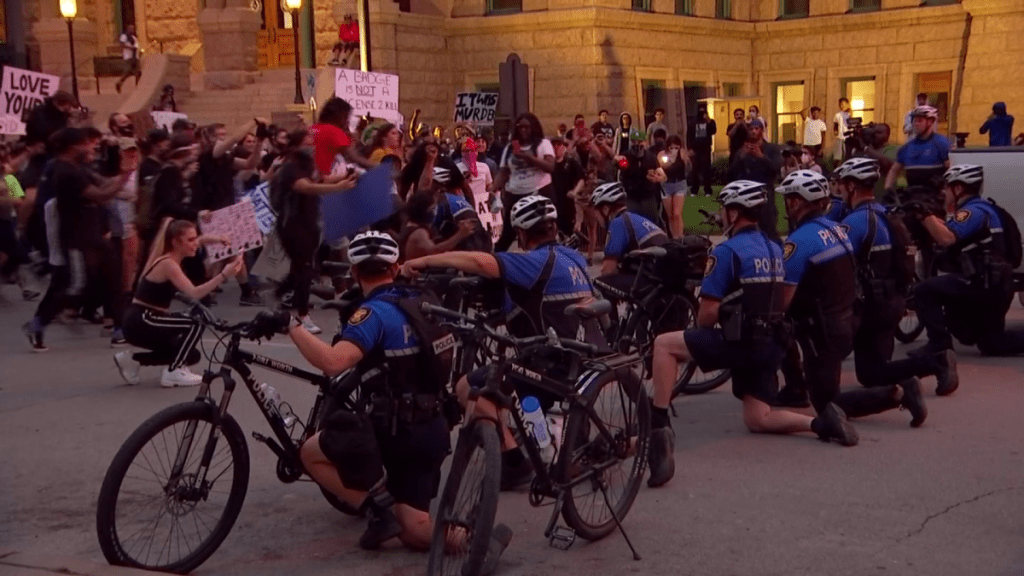
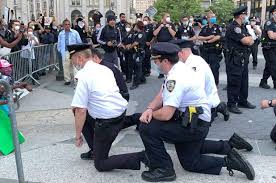
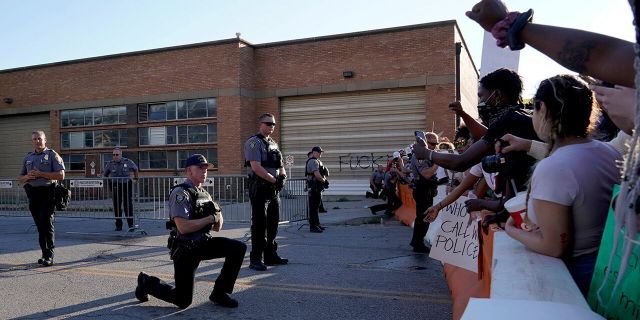
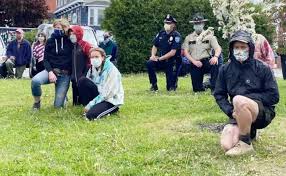
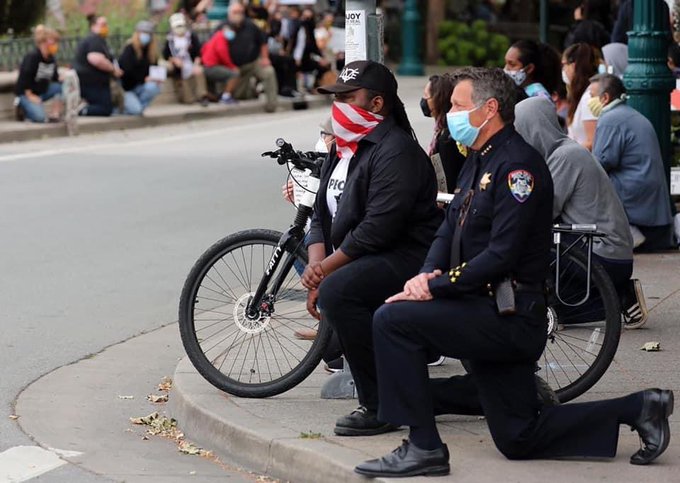
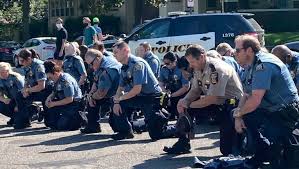
Reasons to hope are not so easy to see, but important to recognize. Unlike the protests in the ’60s, crowds are diverse in age, gender, and color. Unlike the police of that era, some — not enough, but some — police understand and support the protests. At the bottom of this piece, you’ll find heartening examples.

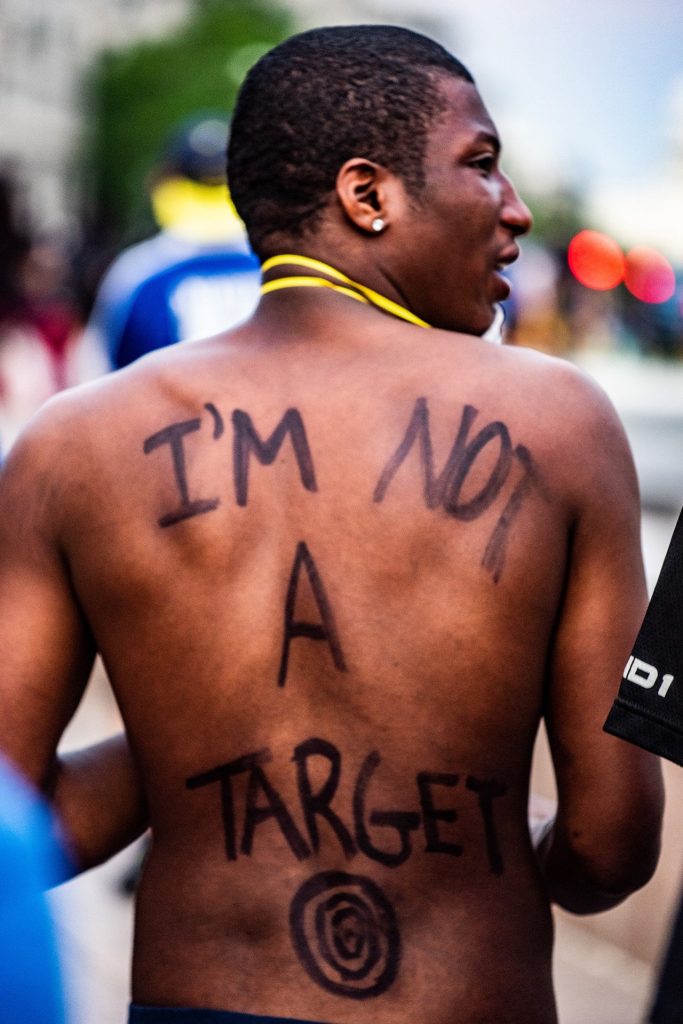
On point in DC

It is perfectly clear what changes this country has to make. We have to toss all the Republicans out of office, not just Trump. Almost without exception, they ignore the terrible harm he does in return for low tax rates for the rich. Once they’re gone, we must take money out of the biggest military budget on earth and put it into public education, affordable housing, health care for all, and fighting climate change. We can never heal all the damage done by slavery and the centuries of racism that followed. But we can make it easier for black communities to build housing, businesses, and healthy environments. We can legislate deep changes in the ways police interact with black people, through hiring, training, practices, and communication with the people they’re supposed to serve and protect.

We can end bail. We can end mass incarceration. We can release nonviolent offenders. We can build services to help former prisoners return to their lives. And we can fund reparations. Capitalism only works if you have capital. Never in the history of black people in America have they had the kind of access to capital white people have. We can change that, if we will.

The protests are making many more people aware that racism is at least as active, widespread, and deadly as the corona virus. The protesters are telling us that we must fight racism the way we fought the Nazis in World War II: with all our resources, all our people, and all our hearts.

Boston: 1, Fascists: 0

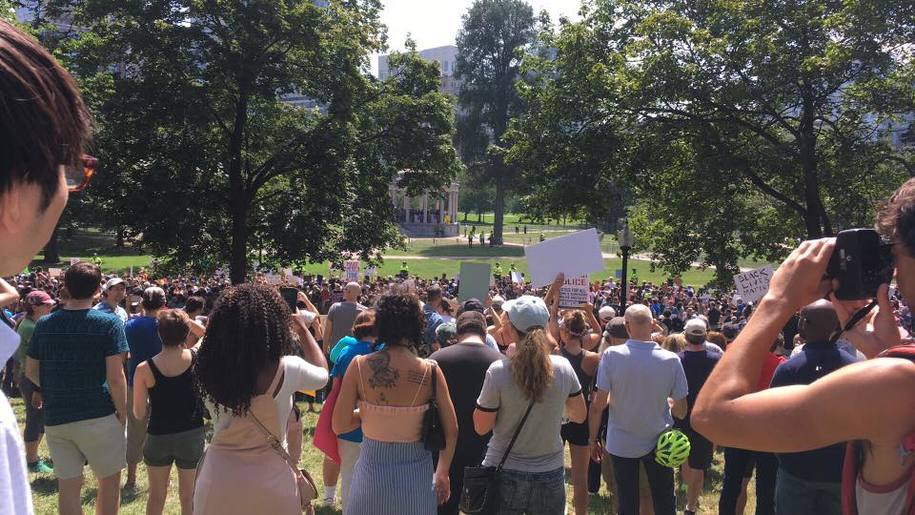
In August 2017, I attended one of my favorite events ever, in the big public park called Boston Common. I came home loving Boston, loving Antifa, loving Black Lives Matter. I loved all the random peaceniks and fighters for justice who showed up en masse. We were protesting a “free speech” demonstration designed to promote extreme right-wing ideology — in other words, fascism. That day, I even loved the Boston Police Department.

Boston showed up to support Black Lives Matter, and to face down the fascists who planned to rally.
photo by Kathleen Gillespie

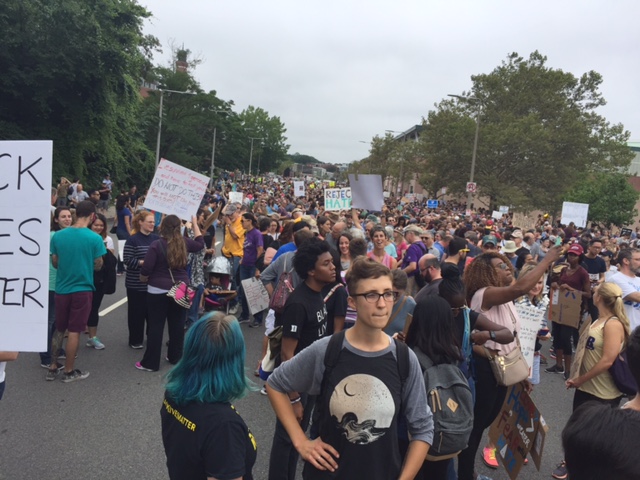
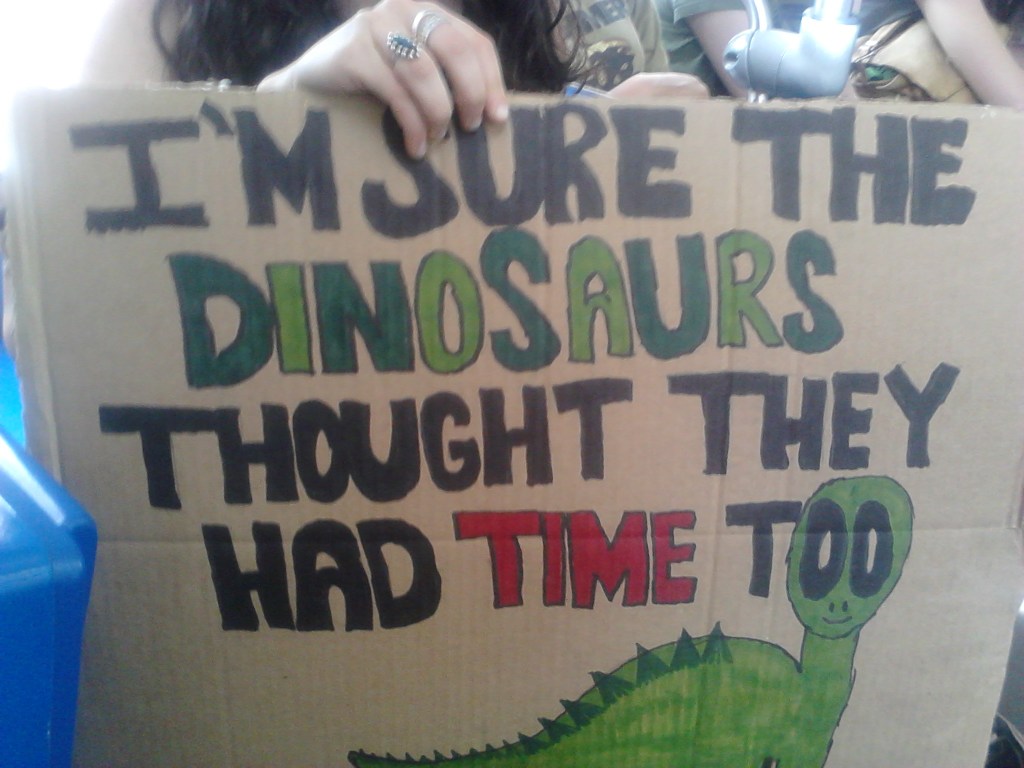
In spite of organizers’ boasts, only about 50 Nazis came for the planned rally, so few they could all fit on the bandstand. They were surrounded by about 40,000 people on the anti-Nazi side. The crowd was peaceful, diverse, friendly, and happy. The signs were passionate and clever. The police did their job, and they did it well as far as I could see.

I watched some coverage of the demonstration after it was over and was puzzled to see how the news focused on the few arrests and some scuffles where the paths of Nazis and protesters came too close together. How did they miss the monster party that the rest of us experienced? They described the atmosphere as “tense,” but 99% of us weren’t tense at all. We felt fantastic. Boston showed up to boo the haters out of our town, and we did it in style.
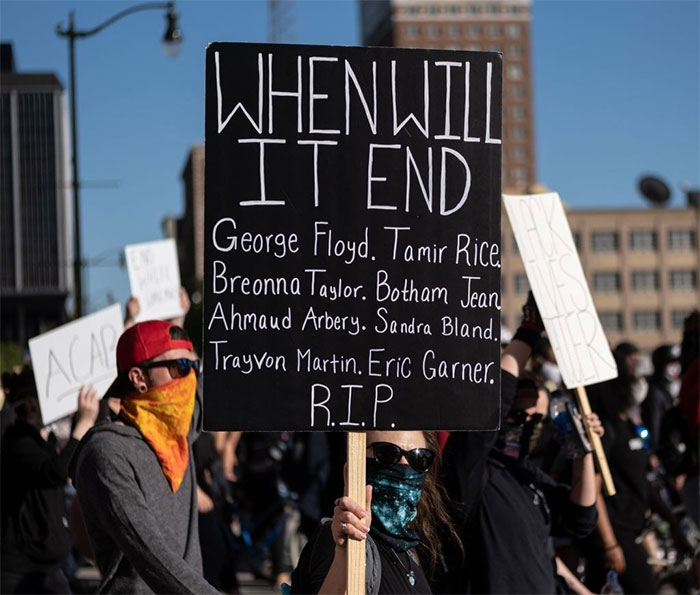
A few memorable moments: one or two of the fascists somehow got past the police barricades and were walking among the main crowd, some of whom as you might predict were following the guys and yelling at them. But other anti-Nazis kept them surrounded and safe until they could rejoin their pathetic little herd. That was a beautiful thing to see.
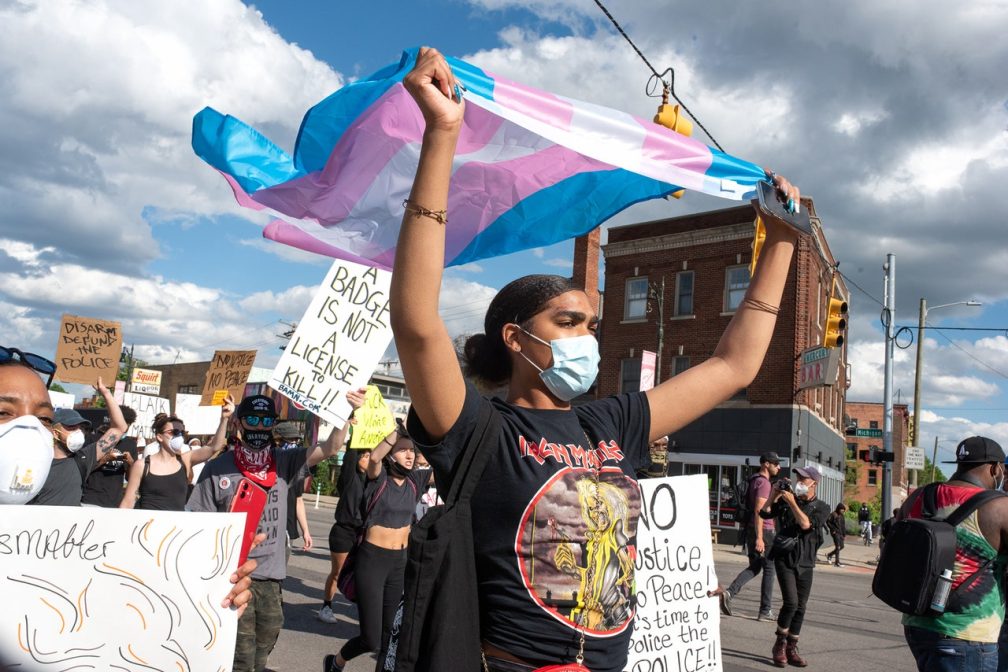
People handed out bottles of cold water. Others shared cake. It had been suggested by some that lefties should stay home, avoid making any trouble. But if you don’t show up to protest Nazis, when are you going to show up?
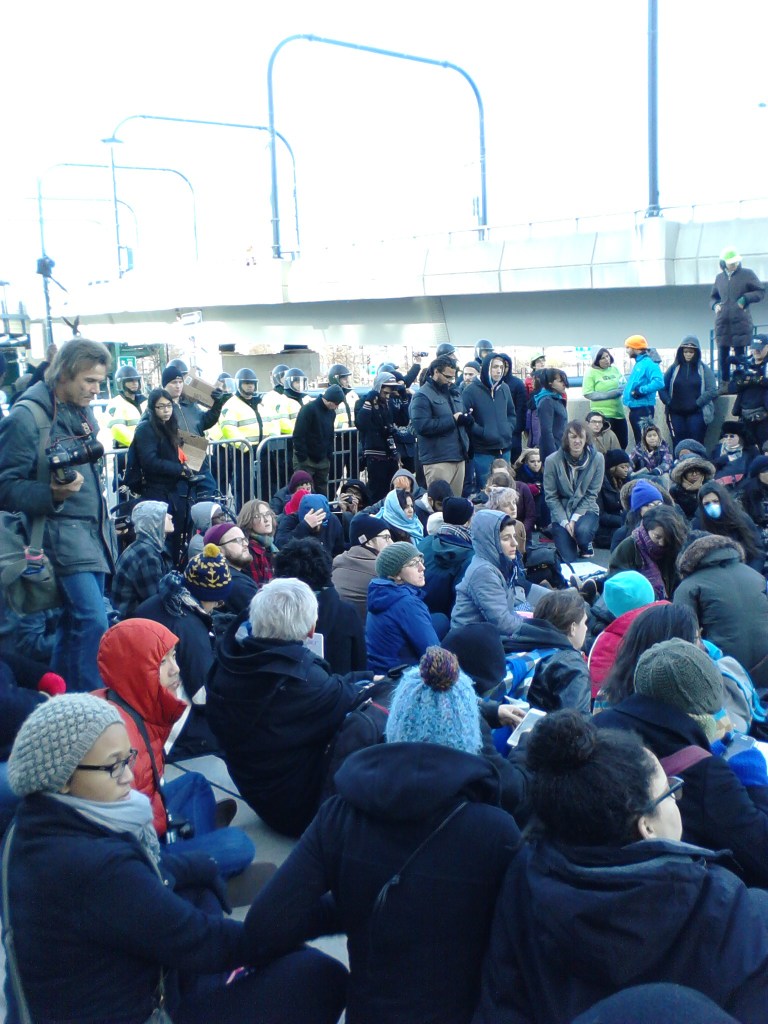
Another moment: when the tens of thousands who started marching in Roxbury arrived at Boston Common, the tens of thousands of anti-fascists already there raised a huge cheer and chanted “Black Lives Matter” as they joined us. There was no tension. There was joy and celebration.

Finally the Nazis gave up their platform and slunk offstage and out of the Common with their police escort. A few voices lifted from the surrounding crowd, then more and more joined in, until all of us were singing together, over and over: Na na, na na na na, hey hey, goodbye.