Reparations

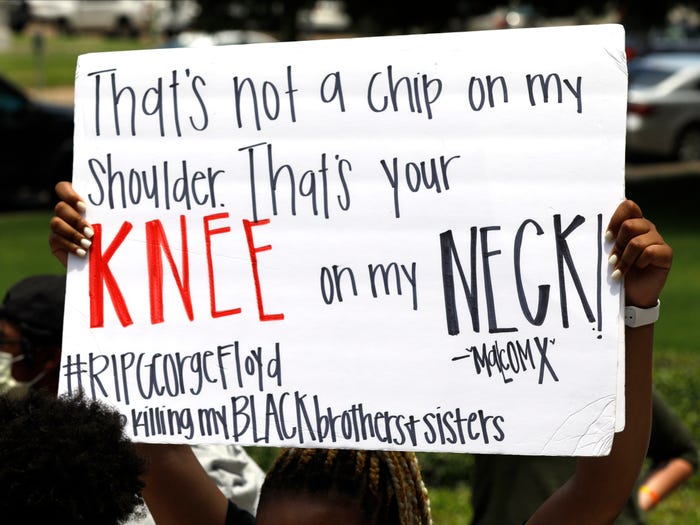
White Americans used to think slavery ended with the Civil War. But even when Black people were finally “freed,” they were turned loose with nothing. Their families had been broken up. Their traditions had been lost. Although they built this country with their forced labor, they had no land and no property with which to build their now supposedly free new lives.

Since banks wouldn’t lend to Black people and businesses wouldn’t hire them, they had no access to money. Capitalism only works if you have capital. Black people had no capital, so they had to take whatever jobs they could get — and given systemic racism, they wouldn’t be good jobs. They might not have had to live on a plantation any more, but that only meant they had to commute to lousy jobs that paid next to nothing.

So big surprise, a couple of hundred years go by and nothing has been done to make good all the harm done to Black people. When we talk about reparations, we can get bogged down in endless debate over who is actually Black or how many enslaved ancestors you have to prove to be eligible. We need to focus on how to fix the harm. First step is to admit it exists. Then we locate the people who are hurting.

Many Black people, though far from enough, are middle class, and some are very rich. If people are doing all right economically, the harm they presently suffer from racism is emotional and social, though their wealth is still far below what it should have been. Laws and money won’t fix that harm. It can only be healed through Black inner strength, helped along by individual acts of apology and understanding from white people.

But poor communities can be fixed with laws and money. We can subsidize affordable housing, renovate schools, hire more teachers and pay them better, provide free college and job training. We can take money from police budgets and invest in needed services instead of punishment. We can fix roads and infrastructure and give tax credits to small businesses. If America does these things, we might end up helping more white Americans than Black. But we will be addressing the harm we as a society have caused, and that we can do something about.
Infectious Dose

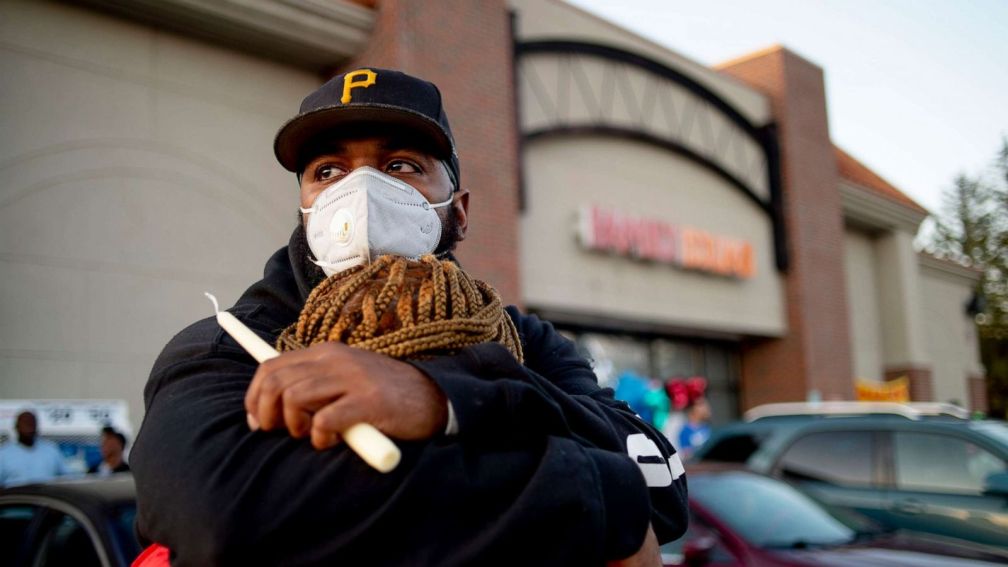
Americans are dealing with two deadly diseases right now: COVID-19, a brand new virus, and racism, which has infected this country for 400 years. Both are contagious.

“Infectious dose” means the smallest quantity of infectious material that regularly produces a disease. Scientists don’t yet know how many viruses it takes to create a new case of COVID-19. They know masks and distance help cut the number that reach another person. Nobody can tell us the lowest amount of racism necessary to create a new racist.

There might not be a vaccine to prevent COVID-19 for another year or more. There is, however, a vaccine to prevent racism. It’s called education. People of color don’t need to be educated on what racism is or how it operates. Most white people have been ignorant. It has taken video after video of police killing unarmed black people to begin to educate white Americans.

Signs of this disease are everywhere in popular culture. Often racism is so unconscious that it manifests in advertisements which have to pass in front of many (white) eyes before they run. A 2017 Dove ad showed a smiling black woman turning white. In 2018, H&M ran an ad featuring a black child in a hoodie with the motto “coolest monkey in the jungle.” Gucci sold a blackface sweater in 2019. In May of this year, according to CNN, a Volkswagen ad showed “an outsized white hand pushing a black man away from a parked VW Golf, before flicking him into a restaurant called Petit Colon, which translates from French as the Little Colonist.”

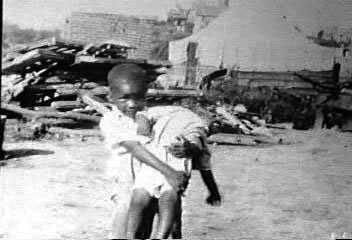
In the 1921 Tulsa massacre, white mobs killed as many as 300 black residents and burned a thriving black business district to the ground. Most white Americans never heard of it until Trump tried to hold a rally there on the anniversary of this atrocity. My own kids’ middle school history text spent 17 pages on the Civil War without once mentioning slavery.

We will not see the end of either COVID-19 or racism in the foreseeable future. We do have the tools, however, to get the presence of these killers below the infectious dose.

Victories large and small

On June 19, 1865, two and a half years after the Emancipation Proclamation, slaves in Texas were finally freed. Juneteenth, the anniversary of that event, gives America a formal moment to recognize all the emancipation that still hasn’t happened, a century and a half later. Millions across the world remind us that black Americans are not free from fear of police, not free of public or private racism, not free to start a business or buy a home or even vote the way white Americans are.

Earth is in our hands

Humanity has barely begun to meet our many pressing challenges: racism, pandemics, overpopulation, poverty, tyranny, pollution, war, nuclear proliferation, climate change. We must not be discouraged. Centuries of struggle against cruelty, self-interest, and short-sightedness might be starting to turn the tide. Recent events prove the following principles:

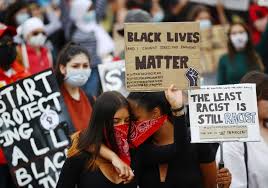
Protests work. They changed the culture in the 1960s, and they are changing the culture now. A strong majority of the American public finally acknowledges that racism is a terrible and enduring problem. Police who killed unarmed black people are facing murder charges. Racist symbols from statues to cereals are going down. Many cities and states seem ready to move funds from police departments to mental health services, education, and housing. So far, these are small victories, but they have momentum.

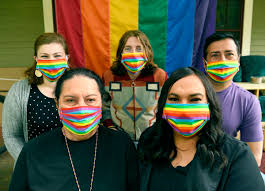
Sustained pressure works. Years of public education and lobbying have even reached the Supreme Court. Two very conservative judges voted with the majority to give LGBTQ people the right to be free of workplace discrimination, and to stop Trump’s effort to deport the young “Dreamers” protected by DACA (Deferred Action for Childhood Arrivals). These are both major victories. They reward many years of committed activism.

Science works. Scientists told us this would happen: in states and countries where almost everyone wears a mask outside the home, COVID-19 infection rates are falling steeply. Where people refuse to take this elementary precaution, the virus is spreading by leaps and bounds. Science also gives us new ways of getting energy without burning fossil fuels, and tells us what will happen if we don’t use them. Science allows women to control reproduction; politics too often won’t let them, leaving many women in desperate situations. The moral here is, when politicians and scientists disagree, listen to science.

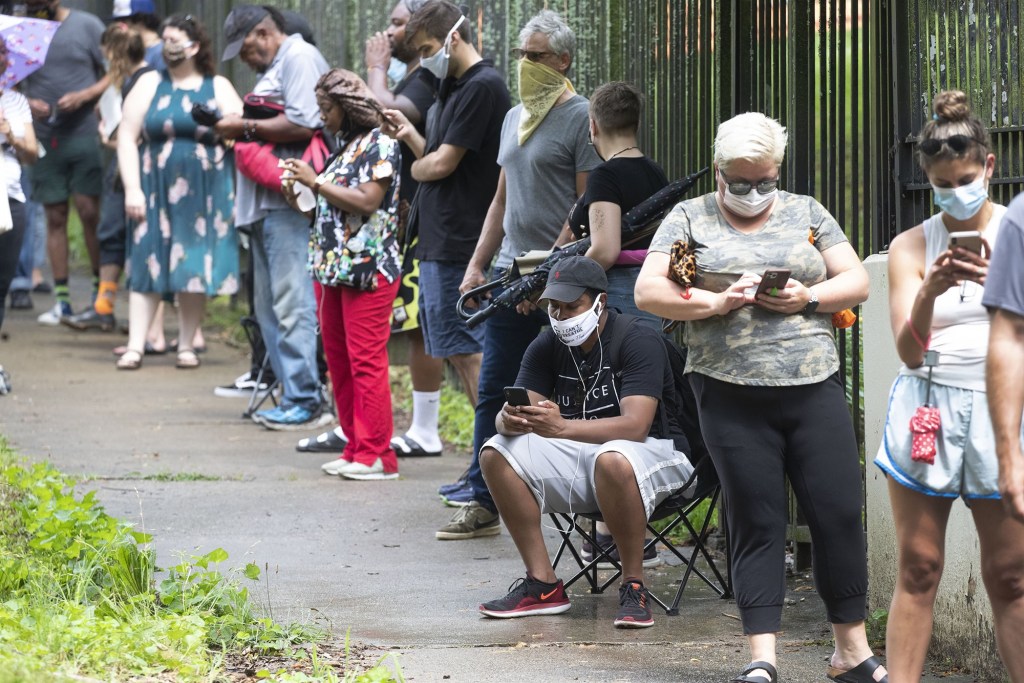
Voting works. Protests and science can only do so much. In the end, we get what we vote for. If all the people who believe in one person, one vote, had actually voted, we’d have gotten rid of the Electoral College by now. The Senate would be representative instead of giving lopsided power to the old slave states regardless of population. If more of us voted, we’d have gotten Gore instead of George W, Clinton instead of Trump. Trump detained 70,000 immigrant children last year, and since then has destroyed our economy, done his best to ruin the environment, and cost hundreds of thousands of American lives. This November, we have a chance to vote that evil, lying, cynical schmuck out of office. That would be the biggest victory in a long, long time.