My Abortion

It was 1971. I had just graduated from college. My only income came from making and selling papier mâché puppets in Harvard Square. That was enough to pay my expenses, since I shared a house in the country that had no running water, electricity, or telephone. When my housemates and I needed to go to town, we walked two miles and then hitchhiked from the main road. It was a good life: my first taste of freedom. I felt calm and happy, full of possibility.

Then I found out I was pregnant.

I panicked. To say I was not ready to raise a child is a huge understatement. I had just left a long-term but unhappy relationship and begun to see the love of my life, but we were so different that I wasn’t sure it would work out. And I wasn’t sure which boyfriend was the father.
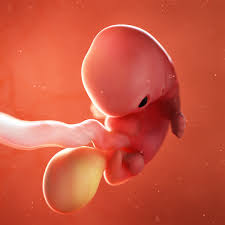
Fetus at 7 weeks, larger than life size

I’d been using a diaphragm and spermicide. This method of birth control is supposed to be 92 to 96% effective. I was among the 4 to 8% of women who get pregnant anyway. At this point in my life, pregnancy was an existential horror.

Abortion was illegal in New Hampshire. We had to get to New York, where Planned Parenthood was charging $250 for abortions. We did have that much, but only just. My new boyfriend and future husband owned a functional car. One of his friends loaned us a biofeedback device, which somehow measured your brain activity and beeped to let you know when you were calming down.

We went straight to the clinic. I attached the electrodes of the device in the waiting room. The nurses were fascinated with it and asked me a lot of questions, which I answered by talking about meditation. The procedure didn’t take long and didn’t hurt much. The nurses said I was the only woman they’d seen who smiled all the way through. I wasn’t happy. I was ending a life before it could begin. But it felt completely necessary and I was at ease with the decision. I still am.

Most of the women in the recovery room were weeping, though.

Afterwards, I felt weak and shaky, and I was bleeding quite a bit. A friend was letting us stay at their house in Long Island for a couple of days. To get there, we had to cross a bridge with a toll we hadn’t expected. We stopped the car and searched under the seat cushions to scrounge enough coins to pay the fee.

The only thing I remember from that stay in Long Island is watching a small cat try to kill a large rabbit. They were evenly matched. The cat hung on to the back of the rabbit’s neck while it hopped across the street. Then the cat found its footing and dragged the rabbit back across the street. This happened several times. Finally the cat gave up and the rabbit hopped away.

A couple of years later, I married the man who drove me to New York. We’ve been together for 50 years, through richer and poorer, in sickness and health. We have three children and three grandchildren, all of whom are way above average, and whom we love with all our hearts. None of our family would be here now if I had let that first pregnancy come to term.

There are many things in life that are beyond our control. Pregnancy should not be one of them. If you don’t like abortion – and nobody likes abortion – fight for free and easily available contraception. That would keep this sad procedure to a minimum. But women will not stop getting abortions if they need them. Having a baby determines everything for a woman – at least it does for women who are not rich. If you are forced to have a baby when you don’t want to, you are not a free person, and America is not a free country.
Why women need abortions

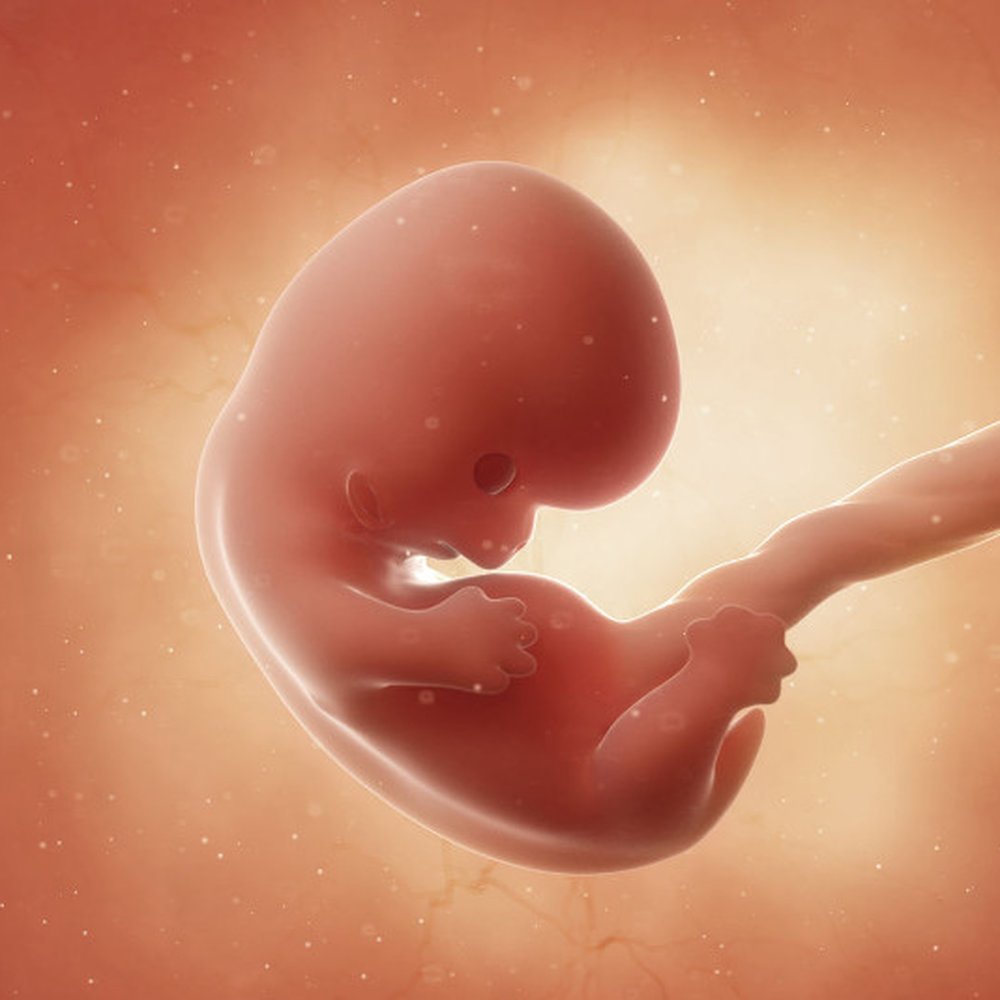
Let me start by pissing everybody off. I think both sides of this debate have important things to say. If women have no access to abortion, they have no freedom to determine the course of their lives. But when the anti-choice people tell us the fetus should be respected as a human in progress, we should listen. Even if we must take a life, we should recognize that it is sacred, and grieve the necessity of its loss.

Being a mother is a heavy responsibility. The pregnancy is the least of it, though being pregnant is uncomfortable, inconvenient, and challenging to your physical and mental health. By the time a baby is born, you are tied to the child forever on an emotional level, whether or not you keep it to raise. You brought a new person into this difficult and dangerous world, and the fate of this tiny being in large part depends on you.

If a woman is not ready to take care of a child, either financially or emotionally, forcing her to bear one is a cruel and unusual punishment.

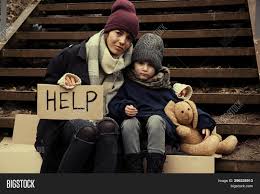
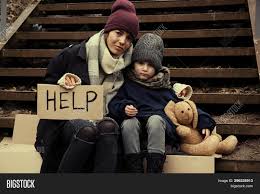
In America, it’s a struggle for families to stay together. Many jobs pay barely enough to support one person, never mind two or three, and lack of money can ruin even relationships that began in love and tenderness. There is not much corporate or governmental support for pregnancy and child-rearing, and little access to help of any kind if financial disaster strikes. When a couple breaks up, most often it’s the man who leaves and the woman who is left with the child.

Even mothers with money have a hard time. The focus of news and gossip has been the fathers and potential fathers as they compete for money and power. The needs of mothers have not been foremost, never mind the needs of children.

But women and children without money, without men? That’s a disaster. Much of the misery in pre-pandemic America came from trying to raise families without enough money. If the father is not able to make enough money to help support the child, the man’s hurt pride is often enough to make him take off.  But even if the men stick around, it’s hard.

And it is to her children that a mother owes her first allegiance. Once you give birth to them, you are theirs for life, no matter what happens. You and the father, whatever your relationship – you were volunteers. Your children came into your hands completely at your mercy, through no fault of their own.

Because raising a child is such an enormous, costly, exhausting responsibility, people should be willing and ready to do it – at least as ready as you can be for this stranger who will remake your life. If a woman is not ready to take care of a child, either financially or emotionally, forcing her to bear one is a cruel and unusual punishment. Of course she most likely will love the child, but that is hardly the point.

To bear a child you can’t feed, can’t keep safe, whom you can’t be there for – that is a terrible kind of pain. Society has no right to make you bear it. In either sense.

Abortion is far from the worst thing we have to worry about, this year or any year. Actual, born, no-argument-human beings are getting killed every day, including infants. Yet somehow, the anti-abortion people don’t view war or domestic violence as a larger problem. They see abortion as the murder of innocents. Does a fetus lose its innocence once it is born?

So let’s try to retain some perspective on abortion. The alternative is for a woman to continue a pregnancy she does not want and bear a child for whom she is not ready. That child will be a burden on her life and her heart, no matter if she keeps it or gives it away. That child will begin life with a big count against it. And if society forces a woman to give birth no matter what the circumstances, will society then help her deal with the consequences? Let’s not kid ourselves, if you’ll forgive the pun. That woman and her child will be on their own.