Privilege Unmasked

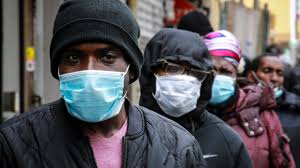
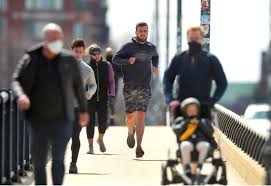
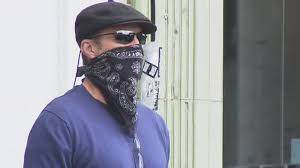
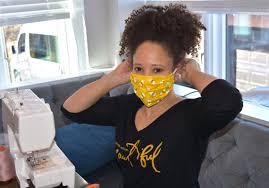
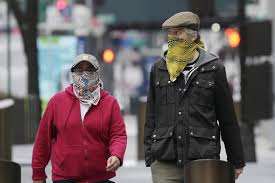
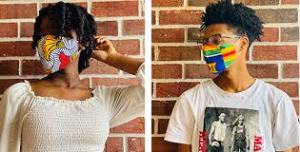
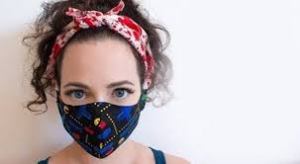
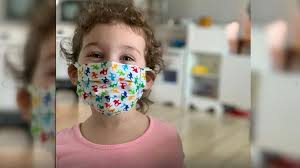
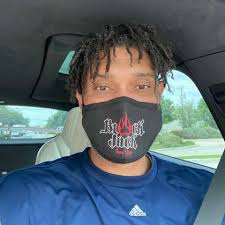
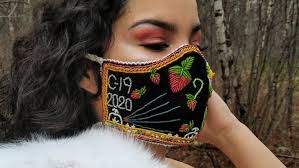
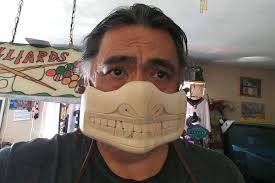
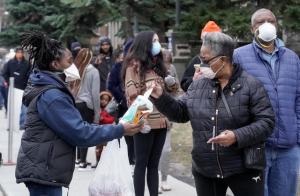
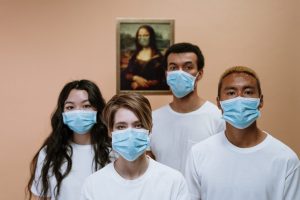
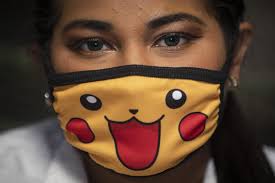
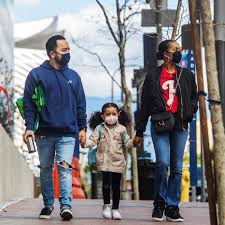
I’ve been noticing a trend among people lucky enough to frequent our local public green space. More people are wearing masks lately. The holdouts, however, seem to be mostly young to middle-aged white people.

People of color understand how vulnerable they are to random, undeserved misfortune. Ahmaud Arbery was only the most recent victim of homicidal racism to get the nation’s attention. No one knows the true count of unarmed people killed for doing normal things while black.

My city is fortunate enough to contain immigrants from many parts of the world. They wear masks. Like native-born people of color, they know that life can be cruel and unfair. They take what precautions they can.

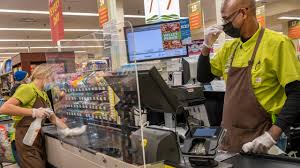
A couple of months ago, when I first started nagging store clerks to insist their employers give them masks, they looked at me like I was crazy. Now they’re wearing masks. But these people are not rich. They know life is full of inconvenient and uncomfortable requirements.

Women should know how fragile our bodies are, and how subject to change. But our culture has taught women that how we look is the most important thing about us. So a pretty face is too powerful to cover up, and some young women will be pretty if it kills them — which, these days, it might.

Some get it. Some don't.

Young white people with money have led protected, easy lives until now. They have little experience with real danger, much less with danger in public places. They feel invulnerable. What is far worse for the rest of us is that many seem to believe they have a right to do whatever they want, no matter how it affects other people. That’s what privilege is all about.

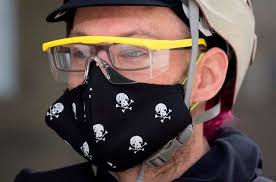
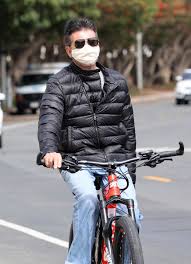
When a young person without a mask bikes past you, or brushes by you running on the path, or just saunters along as though “social distance” referred to the difference in your class status rather than a life-saving space, you are seeing the literal face of privilege.

In a democracy, privilege is a long-term threat to the idea that we are all equal before the law. During this pandemic, privilege can be deadly.

Are you too good to vote Democratic?

The only way we can stop Trump is to vote him out in November. It’s horrible that the Wall Street Democrats picked Joe Biden, by far the worst of the 29 Democratic candidates. He’s definitely gropey, possibly rapey, and beyond a doubt incoherent, mentally failing, and unpersuasive. Do we really have to vote for this guy if he’s the nominee?

Yes, sadly, we do. The alternatives are to vote for a third-party candidate, or refuse to vote. Either alternative will bring us a second term of Trump. If you think the US or humanity could survive that, you have not been paying attention for at least 3-1/2 years.

A little recent historical background. In 2000, the race was between Al Gore, an early climate change visionary, and clueless George W. Bush, who brought on the Great Recession of 2008. Gore won 48.38% of the popular vote. W won 47.87%. Ralph Nader, running on the Green Party ticket, won 2.74%, votes that might have tipped the race to Gore. Eventually Gore lost the Electoral College vote 271/266, because the Supreme Court majority of judges appointed by W’s daddy stopped the vote recount in Florida.

If Gore had been president instead of W, we’d be far better equipped to deal with catastrophic climate change. Taxes would be easier on working people and harder on the rich. The US might have responded to 9/11 with global police action instead of two unprovoked and unfunded wars. We also might have avoided the vast “Homeland Security” surveillance apparatus that has focused on peaceable American Muslims and ignored the real threat, White Supremacists.

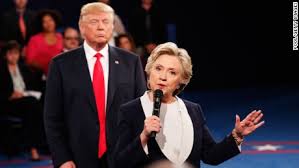
In 2016, again, third-party voters might have tipped the race. Hillary Clinton got 48% of the popular vote. Trump got 46%. Libertarian Gary Johnson got 3% and Green Party Jill Stein got 1%. Johnson and Stein knew quite well what a disaster Trump would be. The only reason they kept running was ego. Their supporters thought they were avoiding moral compromise by voting third party. We all paid a heavy price for their purity.

Trump creeps up on Hillary

Let’s call bullshit on non-voting as well as third parties. 40% of eligible voters do not cast a ballot. Most of these non-voters lean Democratic. They think their vote won’t make a difference; or they think both parties are too corrupt to support; or they’re too busy or tired or distracted to bother. As a group, non-voters are younger, poorer, and less white than voters. The people who don’t vote are exactly the ones who could use the most help from the federal government: affordable health care, housing, and education.

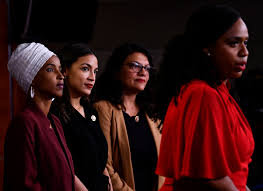
AOC and sq

The Blue Wave in 2018 pushed progressives into the heart of the Democratic party. (Thanks again, black women!) This year, we can begin real change in the right direction. But not if we vote third party and not if we fail to vote. Don’t let them divide us. Stand together. Vote Blue.

Speed is over-rated

Is it more important to move fast, or to get where you want to go? Isn’t it better to move slowly in the right direction than quickly in the wrong one?

We learn to rush in school, if not before. I never understood why school children have to answer test questions in such a hurry. Wouldn’t it be good to give them time to figure out the correct answer instead of panicking them into wrong guesses?

I wonder if the children learning online at home these days are able to do it at their own pace. Online learning has its own stresses. I hope time pressure is not one of them.

Our culture prizes the race to “get ahead.” Get ahead of what? Well, poverty maybe. People are rightly afraid to make too little money in the US. Since Reagan began to blame poverty on poor people, the American safety net has become more hole than net. Millions are finding that out right now.

Life is not a contest. It’s not a race. Every life has the same finish line and few of us know when we’ll reach it. Whatever you thought you earned or thought you owned, you can’t bring it with you over that line. The only thing we know for sure remains after we’re gone is the effect we had on the people around us and the places we’ve lived.

Listen to scientists

So the Centers for Disease Control (CDC) put out a report with detailed guidelines on how the states can re-open as safely as possible. The report was supposed to be published on May 1, but Trump shelved it. The stock market just loves when he does stuff like that. The hell with the lives of the non-rich. What matters is the welfare of the rich and Trump’s re-election. The rest of us can just die. He doesn’t care, and if anybody around him shows signs of caring, he’ll fire them.

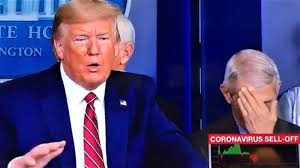
Dr. Fauci facepalms
Dr. Fauci facepalms in shame

Trump has told the CDC to shut up. He thinks Americans want him, not the truth. From the May 4 issue of the New Yorker, The Pandemic Protocol by Charles Duhigg: A former high-ranking CDC official said: “We could have saved so many more lives. We have the best public-health agency in the world, and we know how to persuade people to do what they need to do. Instead, we’re ignoring everything we’ve learned over the past century.”

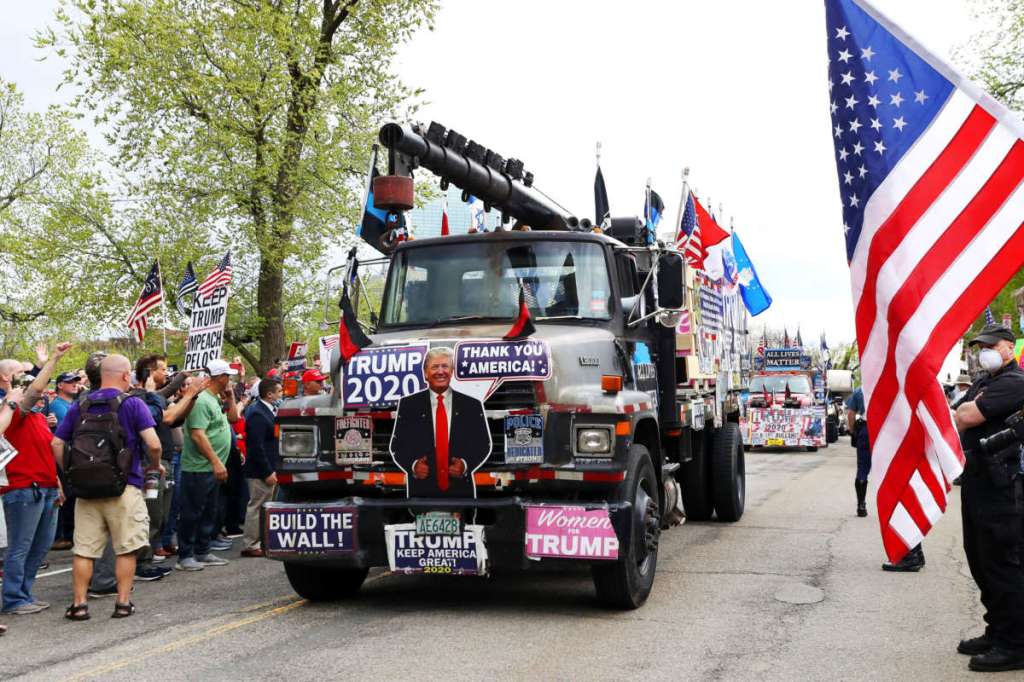
Trump’s original idea was to let COVID-19 “wash over” the country, killing as many as it liked. He knew the super-rich would buy themselves isolation and safety, but business would continue to make them richer, ensuring his re-election. From the start of his 2016 campaign, too many credulous Americans have fallen for his con job, thinking he cared what became of them. Many still can’t admit they were fooled. He doesn’t even care about his most committed followers, urging them to be “warriors” in his battle against truth and science. They crowd in the streets unmasked and are bound to bring the deadly pandemic home with them.

Please don’t celebrate the inevitable sickness and death among Trump’s volunteers (or paid agitators). For many years, they have been lied to by corporate-controlled, right-wing media — Fox, Clear Channel, and Sinclair; by cynical, ignorant preachers; and by a showman who has mastered every con artist trick without the disadvantage of a conscience. They aren’t warriors. They are sheep being led to slaughter. Racist sheep, misogynist sheep, but sheep.

No profit in it

Do you work for or support a non-profit organization? You want to help people, or the environment, or otherwise contribute something positive to life on earth. You probably care about a number of worthwhile causes. But most non-profits concentrate on single issues. They compete with all the other non-profits for donations, media attention, and government resources.

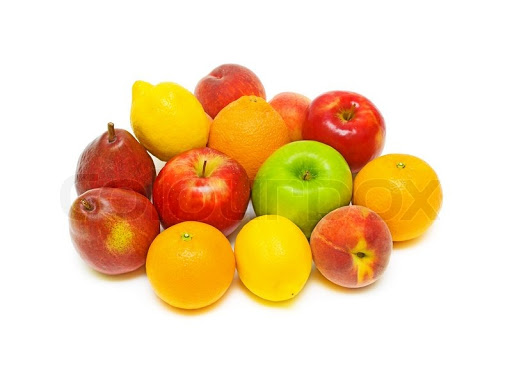
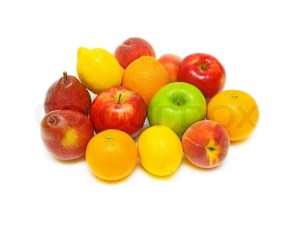
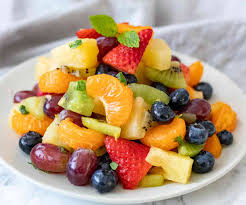
Apples, oranges, peaches. We want them all.
Apples, oranges, peaches. We need them all.

Non-profits don’t tend to collaborate. They struggle for top billing on the national or global agenda. Yet all their good causes are separate battlefronts in the same war. Each organization fighting for racial justice or economic fairness, against fossil fuels or against war, is trying to shape a future that reaches all these goals. They seem like separate causes, but they depend on one another for success. How can we achieve economic justice, for example, while the poorest communities are most threatened by climate change?

Urge the organizations you support to find ways to work together. Form coalitions. Publicize one another’s campaigns. Explore links between issues. As long as we allow the single-issue groups to ignore everything else we care about, we won’t have a movement for positive change. We’ll only have “special interests.” And there’s no profit in that.

50 experiments

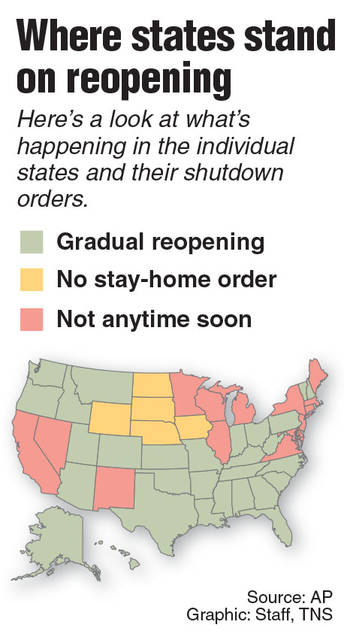
Since the USA has no effective federal leadership, saving us from COVID-19 is now up to the states. So we have 50 experiments in progress; more, really, with many cities setting their own quarantine or “opening” rules. By mid-July, we’ll be seeing graphs of preliminary results. The numbers will still be shaky. No one besides Trump projects that enough testing will happen by then to show us who has the virus. Most likely, given our dangerously idiotic President, the USA will still be #1 – in COVID cases as well as military spending.

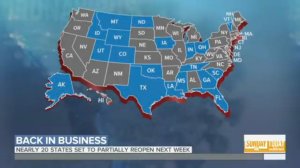
When states should re-open

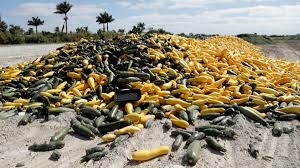
There are many things states simply cannot do on their own. They can’t get good prices buying masks and tests, since the federal government refuses to use its massive power to bargain for all; instead, the feds are forcing states to compete with them and one another, and then stealing state supplies. States can’t get food dumped by farmers unable to access their usual markets to the hungry people who need it in other states. They can’t set firm guidelines for the American people to follow and believe in. They can’t raise enough taxes from the richest to keep their people from starving, being evicted, or getting their utilities shut off.

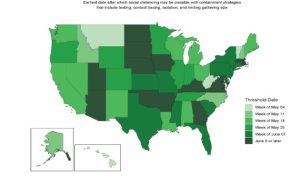
When they plan to re-open

This patchwork of state experiments is bound to cost a lot of lives. States will open too soon, see deaths skyrocket, and have to go back to quarantine. According to new data from the University of Pennsylvania, relaxing lockdown orders too soon could cost 233,000 lives.

If some people insist on their freedom to ignore safety precautions, other people will be free to die.

A rational, science-based nation-wide plan for re-opening safely would save much confusion and many lives. Wouldn’t it be great if the states could unite somehow? If we could form a union across the US? Like create a United States of America?

Oh…right…

Live like it matters

Raise your hands in the air like you just don't care

Many of us know more about the rich and famous than we do about the people around us. We gossip about celebrities as though we were residents of the same small town. The trouble with celebrity culture is, we pay attention to this set of famous people, but they pay no attention to us. This can make us feel invisible. We come to feel like their lives matter a great deal, and ours don’t.

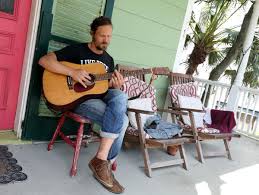
Front porch music

Some celebrities are talented, no doubt. But plenty of talented people live ordinary lives all around us, playing in local bands, painting in their basements, writing for little magazines. In these days of quarantine, most of this creativity remains invisible, but it continues. The main difference between our local artists and their famous colleagues is just fame.

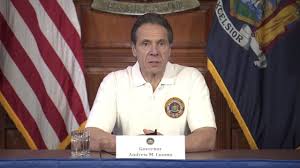
Gov Cuomo being sane

If we list the people who make a difference in our daily lives, we won’t include many famous people. Trump has made a sad and frightening difference in all our lives, so he’d be on the list. So would our governors and mayors. But the people who really make this national nightmare bearable are our families, friends, and co-workers.

Still smiling

Other people who affect our daily lives aren’t even people we know. The grocery cashier who smiles warmly behind her plastic shield; the real human being we reach after twenty minutes on the phone with robots; the jerk who runs past us without a mask, coughing; people like these can make a tremendous difference in how we feel. If someone is kind to us, we will tend to be decent to the next person we meet. If someone is rude, we might very well take our anger out on whoever is unfortunate enough to cross our path next. In this way, a person’s smallest act can have consequences they will never be aware of.

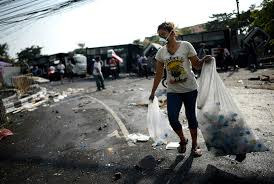
Picking up litter

This is how we make the world: one act at a time. If we drop our candy wrapper in the street, the world gets a little dirtier. If we teach a child to use waste barrels, the world gets a little cleaner. These acts might seem insignificant. But they add up; they matter.

American culture encourages greed, selfishness, arrogance, rudeness, and general lack of shame. Our current chief executive shows the result. Celebrity culture rewards the flashiest, not the best. The benefits of virtue are personal, like having good friends and a happy family. The people who treat others with kindness and respect often have no fame or fortune to make us notice them. Without their quiet work, though, civilization of any kind would be impossible.

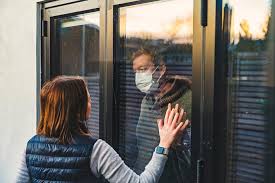
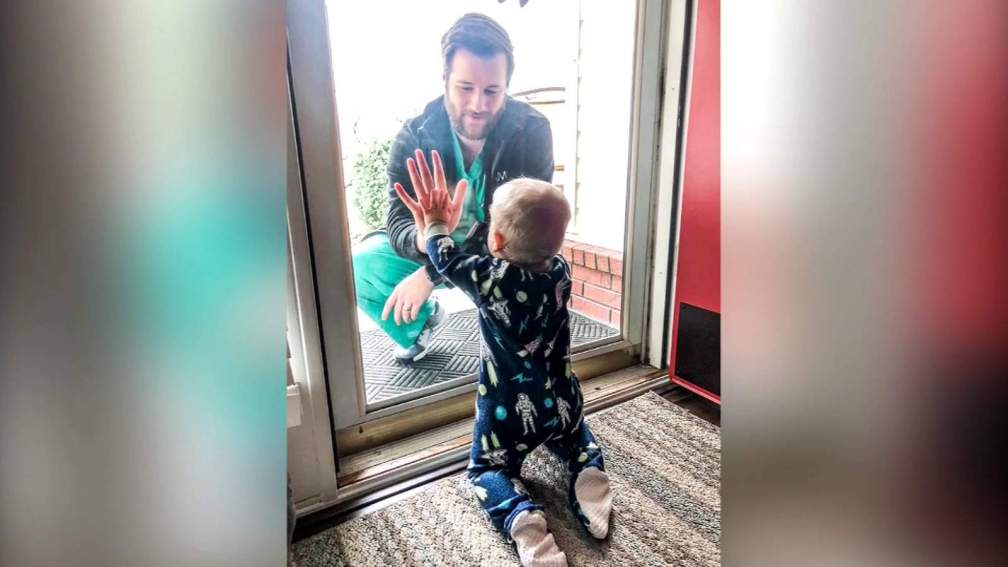
It hurts not to be able to hug the people we love

So if you feel insignificant, you are wrong. What you say and do affects everyone around you, whether you know them or not, and what they say and do affects you, whether or not you’re aware of it. You are part of the fabric of this world as long as you live. You make it stronger and more beautiful, or weaker and meaner. That is your choice. Choose wisely. It matters.

What heals us

It’s been a warm winter here, followed by a cold spring. We’ve felt terrible fear, followed by great danger for some, boredom for others, loneliness for most. Yet trees are flowering and birds are nesting. We will emerge from this nightmare with fresh appreciation for many things we used to take for granted.

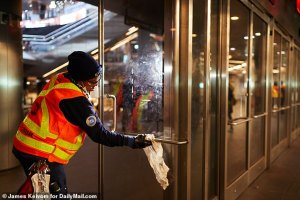
There is balm for the spirit, no matter what you believe. Music and art, virtual hugs, rivers and oceans, lizards in the desert and rabbits in the garden. There is a new sense of respect for the people we all depend on. Everyone now understands how much we need front-line workers, not just to nurse us when we’re sick but to keep the lights on, water flowing from the taps, grocery shelves stocked, garbage picked up, and the rest of civilization going during this emergency.

No matter what should change in our educational systems, parents, teachers, and children will be thrilled when schools reopen. When we can once again enjoy our national parks and forests, maybe people will rally to stop Trump from selling them off.

And when Americans get a chance to vote this November, maybe we will use our ballots to throw Trump and his evil cabal out of power, so this nation, and the world, can begin to heal.

Another brilliant Trump idea

Joe Will Do

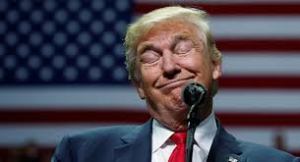
Belief in Trump can be fatal.

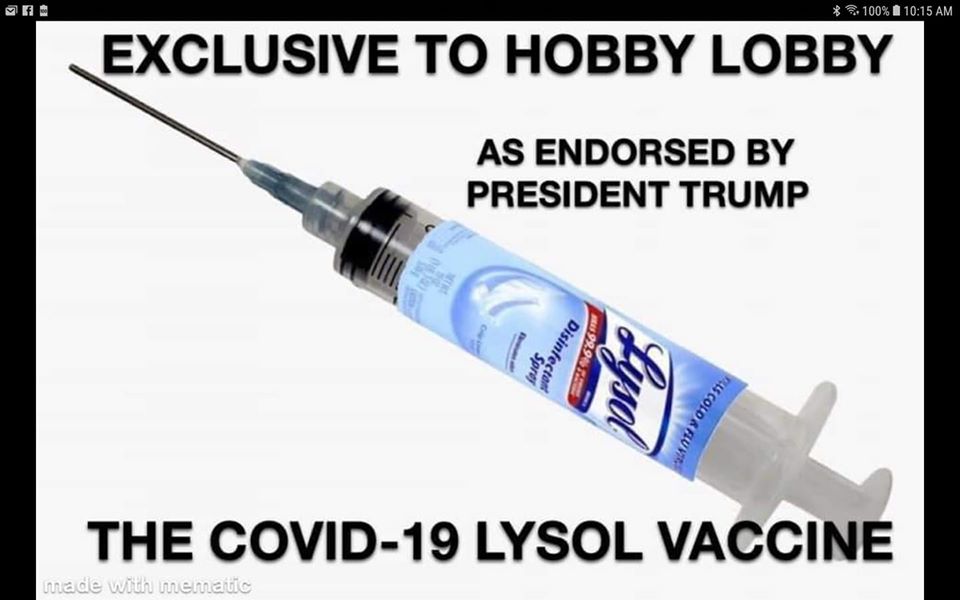
Believing in Trump can be fatal. His supporters are now defending their right to go back to work and bring home the virus. They are still falling for the con. Even his suggestion that they inject themselves with bleach has not made them hesitate. Their death rate will be tragic. Anybody who watches “Fail Army” knows you can survive being stupid, but Trump is reaching levels of stupid never seen before. He might survive because he’s got all the advantages that come with being rich and powerful, but few of his followers have any such protections.

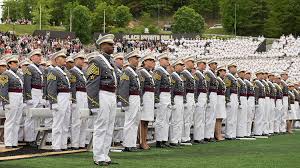
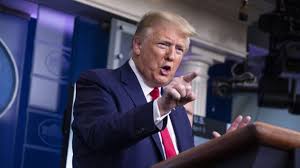
Trump will soon be killing officers in training. He plans to speak at the West Point graduation in June, calling back a thousand cadets who have already been sent home. Trump wants the ceremony to look “nice and tight” without social distancing, because, as we know, it’s all about his crowds.

Health workers need more masks. Trump is stockpiling masks, and no one knows who is getting them.

On top of being a murderer and liar, Trump is a thief. Under his direction, FEMA (the Federal Emergency Management Agency) has confiscated hospital supplies from at least seven states. He has stolen a million face masks from South Florida firefighters; testing supplies from Washington, Oregon, and Alaska; and masks from Massachusetts and Texas. The Trump administration is not telling anyone where this federal stockpile is going or how it will be used.

Trump blaming someone else

But we know Trump will take these life-saving materials hostage until governors praise him enough to get some.

We tried to impeach this shameless piece of scum, but Mitch McConnell wouldn’t let witnesses testify. So we’re stuck with him until January. He will go on lying and stealing and killing and ruining the environment and betraying his country until then. That’s why we need to vote for Joe Biden, even in his advanced state of mental decay. If the Dems decide to run an actual real live donkey instead, we need to vote for the donkey.

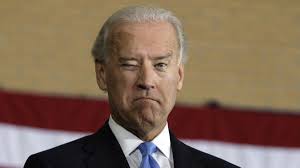
Trump is a deadly disease. He might be fatal for democracy. The only cure is to vote a Democrat into every single open office in November.  Yes, yes, we know most establishment Dems support Wall Street over Main Street, and few of them stand for real progressive change. But we, the people, need a place to start America’s rehab. And in spite of all his disadvantages, Joe will do.

Trump is Killing Us

He’s been killing people right along. An incomplete list: victims of hate crimes, which his hateful rhetoric encourages; refugees sent back home to the deadly gang violence they tried to flee; the Kurds, after he deserted them in Syria; children stolen from their immigrant families who died in US custody; women who died from bungled illegal abortions when they couldn’t get legal ones; poor people unable to get health care because he’s cut Obamacare as much as he can; and these days, many thousands from COVID-19 who might be alive if he had taken action in January instead of March.

Now the federal government is stockpiling PPE (personal protection equipment) by outbidding states and even just taking stuff the states have managed to buy. Trump wants states to be “nice” to him before he gives them any of it, no matter how much their people need it. States should not have to bid for PPE. The federal government should be doing all that work, locating and buying it, and distributing it to states as needed, not according to how much their governors are willing to kiss his ass.

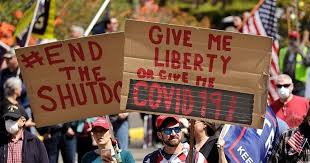
Really, they think we have to choose between liberty and COVID-19? Aren't people free to decide we want to stay healthy?

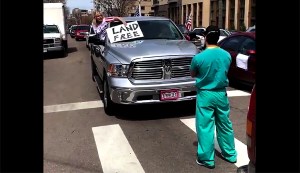
Worst of all perhaps, Trump has been pushing the “opening” of the country, an end to the virus quarantine, and encouraging his followers to protest the lockdowns of their states. This in spite of overwhelming evidence that it is far too soon to go back to business as usual. We are still in the midst of a surge. All the numbers we see are way too low, since so few tests are available. Opening back up too soon will mean a huge spike in sickness and death.

But the man who is supposed to protect this country does not care how many of us die. The sad truth is that though healthcare workers, police and firefighters are literally dying to keep us safe, the world’s most powerful person only cares about getting re-elected.

Too much, too soon

Will we be forced back to work?

I’m afraid people will be forced to go back to work, if they can find a job. Some jobs will be available to replace “essential workers” from grocery stores, hospitals, and delivery services who fall sick. There might soon be more. Too many Trump supporters are echoing his demand for “re-opening” the US economy whether or not it is safe to do so.

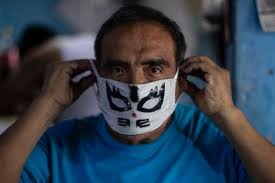
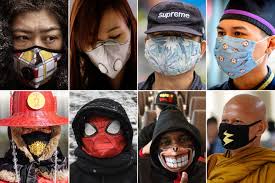
Everybody needs to wear a mask.

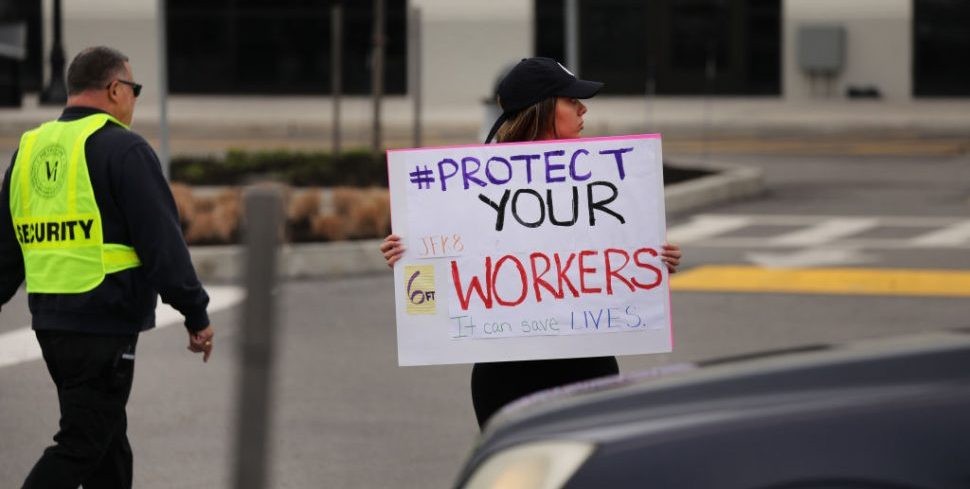
There is simply not enough protective gear to make workplaces safe, even the ones that have remained open. But if you’re out of money, you might have to work, no matter the danger. The one-time $1200 payout from the federal government can’t keep households going for more than a few weeks, and not everybody got one. They should be sending everyone $2000 a month and paying for all necessary health care. But… Trump.

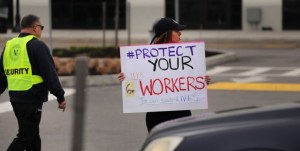
Amazon tv ads praise workers for their courage but company fails to provide protective gear.

Opening the country long before we are ready will only set up the next big wave of the pandemic. Trump does not care how many of us die. Most big corporations also do not care how many of us die, in spite of their recent deluge of commercials thanking front-line workers. Judging from the mask-free faces I see in public, a lot of ordinary people seem not to care either. They might just be in denial, but that’s not a good excuse.

So far, Amazon is not adequately protecting its workers.

Now is the time to fight in the most passive possible way. Don’t show up. Don’t go to work. Don’t open your store. Stay home and wait for the tests and the gear. And when you have to go out, for all of our sakes, wear a mask.

Sorted by suffering

One third of us are going to work. These people are in danger of bringing the virus home with them, and of getting sick themselves. These people are afraid for their lives. Some feel they have no choice. Some are making a brave and noble choice.

One third of us are staying home and working. These are the lucky ones in many ways. But isolation is a serious kind of suffering. These people are fighting to stay sane, to stay relatively cheerful, to take care of themselves and keep from taking the stress out on their families.

One third are staying home, not working, not getting paid. The financial stress is terrible and getting worse. Communities of color, poor people, and immigrants are getting hit worst of all. Many laid-off workers never imagined they would be looking for food pantries.

Right now, few people are in good situations, and the few who are tend to be white and rich. The rest of us need more help, and more kinds of help, than Trump is willing to give. The sad fact is that no amount of our suffering will move him. He doesn’t care how many of us die. The only things he cares about are his own wealth and his own power.

If Trump has his way, businesses will reopen far too soon, and the US will experience a second wave of the pandemic. We have to hope governors have enough sense to stand up for the lives of people in their states. We have to hope people have enough sense to stay home, as hard as that is. And we have to hope that our fellow Americans will be generous and kind, as well as patient. In the absence of sane federal leadership, we must depend on one another.

Rainbow Shards

Helene Williams sings; Leonard Lehrman pianist & composer

………………………………………………………………………………………………………………………………

I want to see the rainbow shards of shattered dreams reform

the crystal mend itself and be reborn

new patterns from our minds take hold

and mold the world a new way

as we do every day

before we fade away

and let the next lot have a chance

I want an election that will make me dance

Wear a Mask

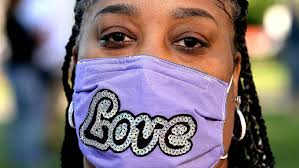
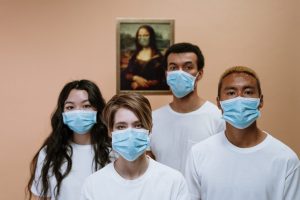
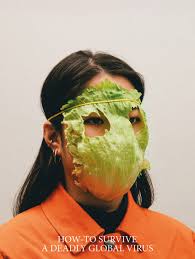
Love your neighbor. Wear a mask. Show you care. Wear a mask. Come to the rescue. Wear a mask. Protect yourself and your family. Wear a mask.

Voters in Wisconsin just helped save democracy. Many wore masks. All of our heroes should be wearing masks. Walmart and Amazon, instead of buying ads to praise your workers, give them masks!

Be cool. Be fierce. Be kind. Be fashion-forward. Be a human update. Be a decent person. Wear a mask.

When Children Ask

Recently an eight-year-old asked me, Is this the Apocalypse? I answered from six feet away, through my mask, Probably not. This self-isolation won’t last forever. It will just feel that way. Besides, I said, Apocalypse means the end of the world as we know it. Maybe when the old world ends, a new world begins.

This child is indignant because people seem to have forgotten about climate change right now. That’s what concerns her most: the oceans rising, species disappearing. I tell her, People knew we had to stop using fossil fuels so we can slow down climate change, but we didn’t know how. Then the virus came along and made us stop driving and flying so much. We found out we could do it. That’s a good start.

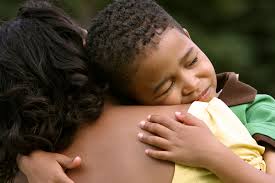
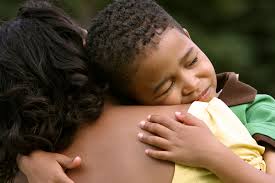
I wanted to reassure her with a hug, not with words. Around the world, people are feeling a kind of phantom pain from not being able to hug our loved ones when we all need those hugs so badly. We’re writing, we’re calling, we’re Zooming, sending virtual hugs and kisses until the real things are possible again. This is a feature of the new world. The child is already comfortable with it.

When it’s safer, a month or two or however many down the road, I am going to hug this child so hard her bones will creak. Now we know how much it really means to be able to touch the people we love. We’ll bring that feature of the old one with us into our new world.

The Place Where I Live

I live in a kind of neighborhood that’s hard to find these days. Kids rule the streets, playing ball and riding bikes. We can actually go next door and borrow a cup of sugar — or we could, until the pandemic, and one day we will again. People walk, on their own two legs, to little stores that sell the necessities of modern life – videos, manicures, lottery tickets, karate lessons – and on the way they stop and talk with whoever is out in the yard or sitting on the front porch. It’s like something out of a Norman Rockwell painting, except for one thing. The whole world is here.

There are Sikhs in turbans, orthodox Jews in yarmulkes, Muslims in headscarves, and Baptists who go to church every Sunday with the women in big flowery hats. There are dreadlocked Rastas, tattooed punks, and a transvestite with an artificial beehive.

Only the teenagers all look alike. No matter what their color, religion, or parents’ country of origin, the boys wear ball caps and enormous pants that mysteriously fail to fall off their skinny behinds, and the girls wear tops tight enough to worry their grandmothers.

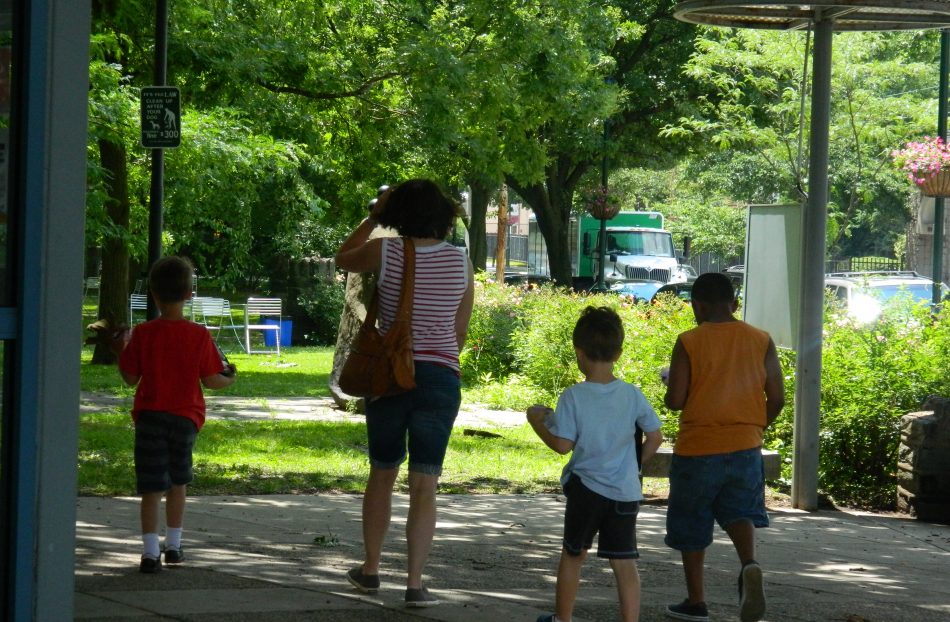
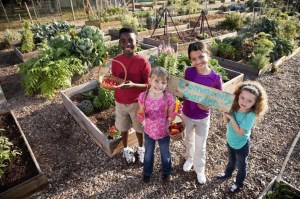
And many of their grandmothers live nearby. Some families have lived here for generations and see no reason to move. This neighborhood works. People look out for one another. Small children play on the green space by the river while their parents take turns keeping watch. Young people hang out at the park, or play basketball and tennis on the courts, and old people sit on benches in the shade. Gardeners trade plants from their yards or the raised beds the city set up.

When some folks (mostly new to the neighborhood) objected to the regular gathering of older men under a big tree by the river and their ratty collection of old furniture, others defended the men’s right to be together in a public space. They don’t bother anybody, these folks argued, and they were here long before the people who minded their presence. A compromise was worked out. The men still park themselves under the big tree, but they have to park their rusted vehicles somewhere else.

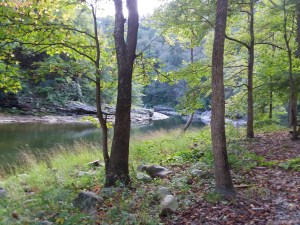
A river runs through this neighborhood, bringing the immeasurable gifts of nature to city-dwellers. Whenever weather permits, the riverbank paths host strollers, dog walkers and joggers. During the pandemic, the paths are so crowded that social distancing gets quite hard to maintain. There are those who let their dogs leave a mess right in the paths. Amazingly, there is also a Poop Fairy who sometimes disposes of the mess.

As with any public park, government workers mow the grass, prune the trees, and stop industries from fouling the water. People complain about taxes like anywhere else, but when they’re pressed, most will admit that they’re getting something for their money here. It’s called civilization.

When people talk about “quality of life”, sometimes they’re just talking about the quality of things: the size of their houses, the newness of their cars, the fanciness of their gadgets. But when you come right down to it, as long as you have enough to eat and housing that keeps you warm and dry, your quality of life depends on your health and the people around you. If you’re well, and the people around you are happy and friendly, you have a good life. If you’re sick or lonely or live in a house full of tension and strife, it doesn’t matter how nice your stuff is.

Neighborhoods make a difference. If you can go for a walk when you’re feeling down and see people who smile at you, you’ll come back with lower blood pressure and a higher heart. Good neighborhoods give you time outside work and family, space to live in a larger world. That’s real quality of life.

Good neighborhoods nudge people toward behaving decently. Out-of-control parties, parking conflicts, and other urban stresses can happen anywhere, but people with histories of civil behavior can work it all out. In the place where I live, people have come from every corner of the planet to create a new history of peaceful coexistence.

So let the yuppies have their McMansions where there are no sidewalks or corner markets. Let the super-rich live behind their high walls without bumper-crop tomatoes from the gardeners next door. I wouldn’t trade my quality of life for any of theirs.

I’ve lived in a lot of places, from a split-level in Scarsdale to a kibbutz in occupied Syria to a farm in a Kentucky holler, and this is the best place I’ve ever seen for raising a family. My kids didn’t have to travel the world to get to know its people. All they had to do was go outside to play, and the whole world came to play with them.

Does it get any more American than that?
Boston: 1, Fascists: 0

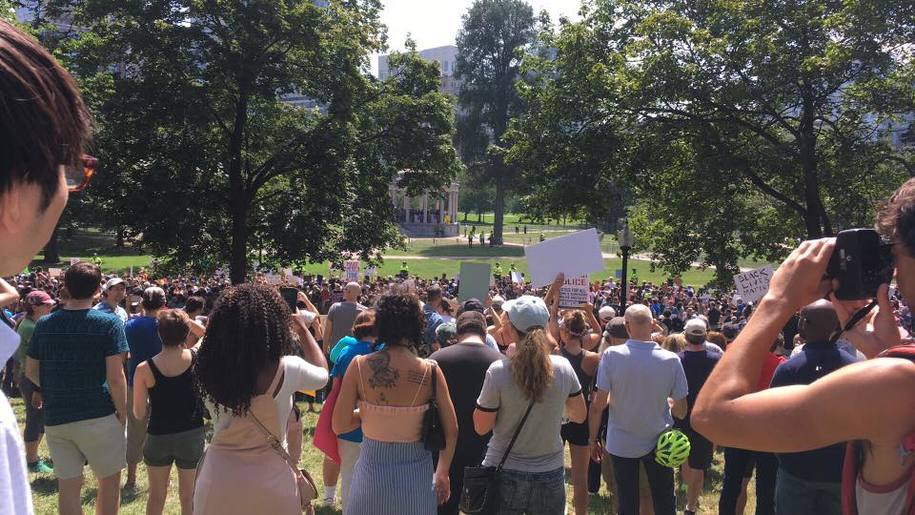
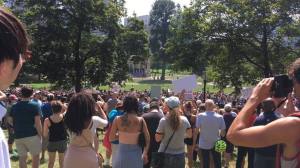
In August 2017, I attended one of my favorite events ever, in the big public park called Boston Common. I came home loving Boston, loving Antifa, loving Black Lives Matter. I loved all the random peaceniks and fighters for justice who showed up en masse. We were protesting a “free speech” demonstration designed to promote extreme right-wing ideology — in other words, fascism. That day, I even loved the Boston Police Department.

Boston showed up to support Black Lives Matter, and to face down the fascists who planned to rally.
photo by Kathleen Gillespie

In spite of organizers’ boasts, only about 50 Nazis came for the planned rally, so few they could all fit on the bandstand. They were surrounded by about 40,000 people on the anti-Nazi side. The crowd was peaceful, diverse, friendly, and happy. The signs were passionate and clever. The police did their job, and they did it well as far as I could see.

I watched some coverage of the demonstration after it was over and was puzzled to see how the news focused on the few arrests and some scuffles where the paths of Nazis and protesters came too close together. How did they miss the monster party that the rest of us experienced? They described the atmosphere as “tense,” but 99% of us weren’t tense at all. We felt fantastic. Boston showed up to boo the haters out of our town, and we did it in style.

A few memorable moments: one or two of the fascists somehow got past the police barricades and were walking among the main crowd, some of whom as you might predict were following the guys and yelling at them. But other anti-Nazis kept them surrounded and safe until they could rejoin their pathetic little herd. That was a beautiful thing to see.

People handed out bottles of cold water. Others shared cake. It had been suggested by some that lefties should stay home, avoid making any trouble. But if you don’t show up to protest Nazis, when are you going to show up?
Another moment: when the tens of thousands who started marching in Roxbury arrived at Boston Common, the tens of thousands of anti-fascists already there raised a huge cheer and chanted “Black Lives Matter” as they joined us. There was no tension. There was joy and celebration.

Finally the Nazis gave up their platform and slunk offstage and out of the Common with their police escort. A few voices lifted from the surrounding crowd, then more and more joined in, until all of us were singing together, over and over: Na na, na na na na, hey hey, goodbye.

Butterflies Take New York

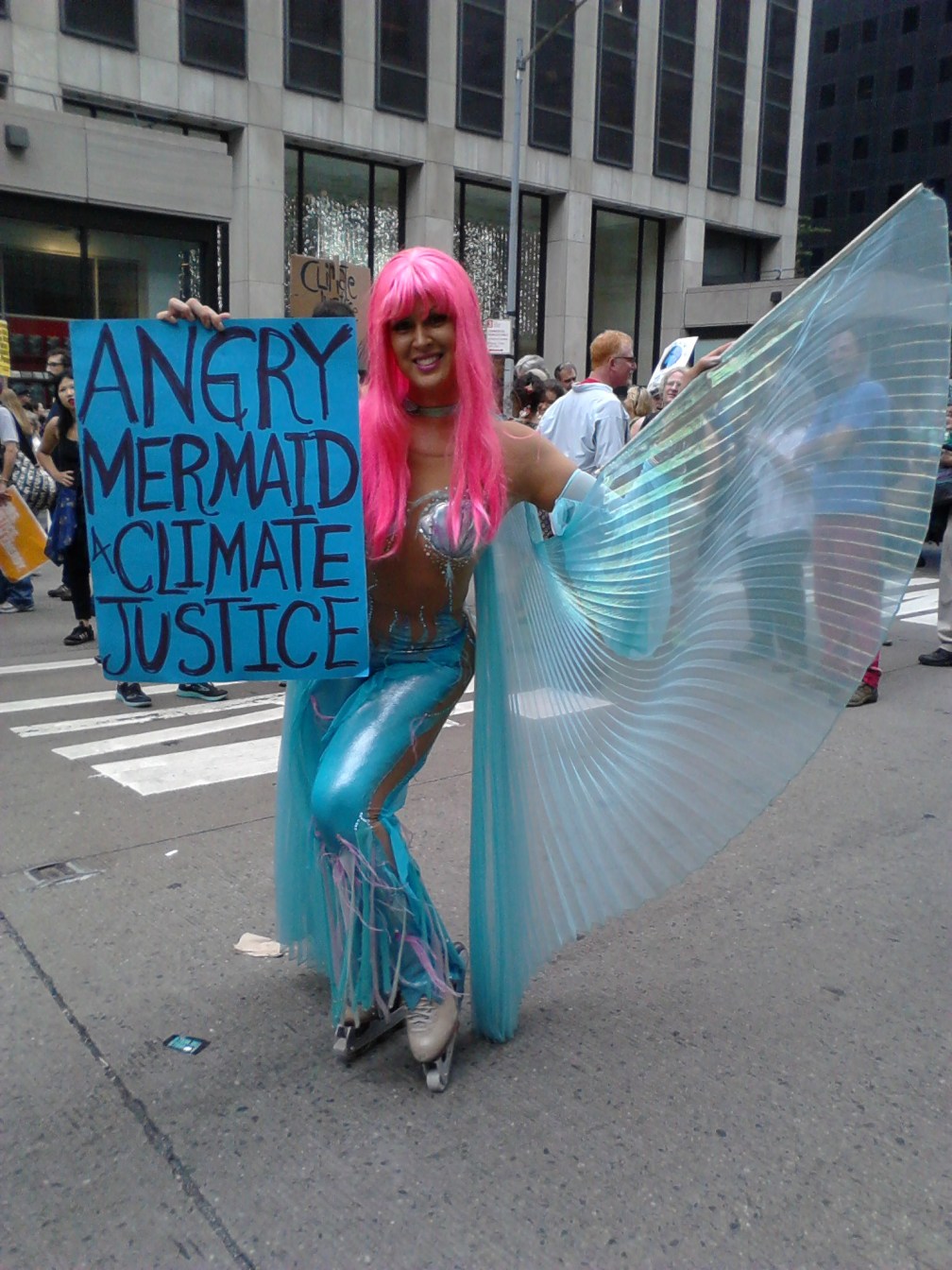
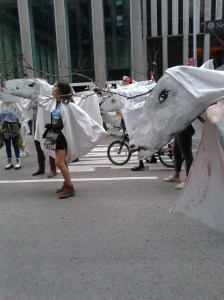
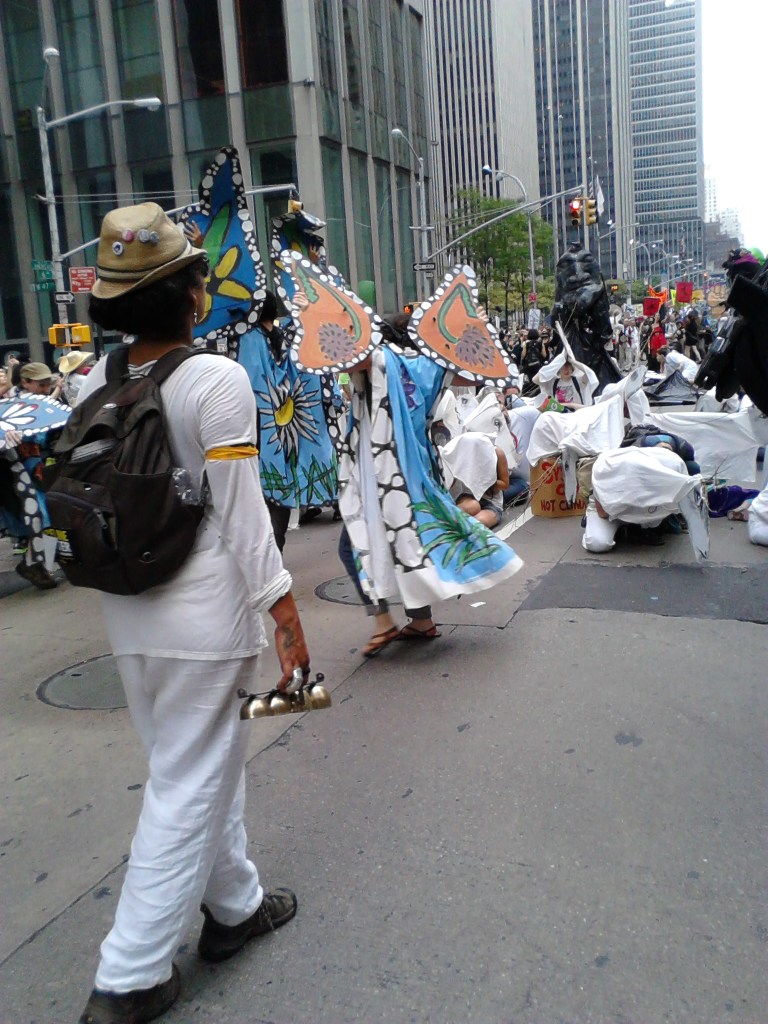
(Report from better days: September 21, 2014) The news media say 310,000 people filled the streets of New York City today, demanding action on climate change. Not all of them were human. There were birds, fish, mermaids, sunflowers, trees, and more than one Mother Earth and Mr. Death. Some species who couldn’t make it in person, like tapirs, sent human ambassadors.

The people who did look human looked like all sorts of human. Indigenous people led the march, wearing gorgeous regalia, drumming and dancing. Great numbers came in from “frontline communities” like Indonesia and poor parishes in New Orleans, the communities least responsible for climate change yet most affected by floods, droughts, and hurricanes. Young people came to fight for their futures. Old people came to fight for their grandchildren.

Some of us have been waiting 45 years to see what we saw in New York: activists for social justice, peace, and the environment joining forces. Out of countless splinter groups, the Movement has finally pulled itself back together. And not a moment too soon.

Fox “news” and Koch-funded “think tanks” might still deny the existence of catastrophic and exponentially accelerating climate change, or the fact that humans have caused it. But nearly all scientists and a growing majority of ordinary people understand what’s going on. It scares us so badly that our instinct for survival is kicking in. We are not threatened only as nations or ethnic groups. We are in danger as a species. For the first time in our history, we must identify ourselves most strongly as humans – a species as vulnerable to extinction as whales and butterflies – if we’re going to overcome our own deadly mistakes.

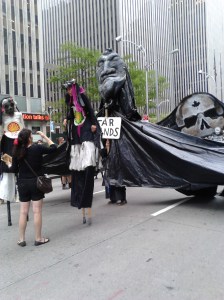
The Vermont collective Bread and Puppets performed some vivid street theater to get this point across. First came dozens of people dressed as caribou, with branches for antlers. Behind them loomed a huge Tar Sands puppet, with black wings appropriately made of garbage-bag plastic. Behind that puppet came Death.

Whenever the march stopped, the troupe blew horns to signal the advance of Tar Sands. The caribou fell cowering to the street. Death seemed triumphant; its minions danced on stilts. Then the horns blew once more, and from nowhere came the Butterflies Against Climate Change: hurrah! They flew through the crowd, revived the caribou, and defeated the forces of destruction.

So okay, butterflies aren’t going to save us. But think of them as representing creativity, the winged aspect of the human spirit, and this fable makes sense. The more we know, the more frightened we get. Our culture is so deeply rooted in greed, violence, and exploitation; so much needs to change. Our leaders get their power from the way things are, which doesn’t motivate them to change it. It’s hard not to despair.

That’s why this march was so necessary. We desperately need to believe that there is enough creativity, enough spiritual power, enough wisdom and skill in the great mass of “ordinary” people, to save humanity from the mess we have made.

On the last day of summer, hundreds of thousands of people demonstrated these qualities in New York City. Native New Yorkers – not known for their belief in unicorns – smiled and waved and flashed peace signs, hung banners from their balconies, and joined the mermaids and the sunflowers in the street.

So get in touch with your inner butterfly, and stay tuned. The struggle of our lifetimes is just beginning.

1 people, 1 world

We’ve had record-breaking wildfires, hurricanes, and floods, but never before in our lifetimes has there been a catastrophe that hits the whole world at once.

We’re watching one another’s states and nations to see what works. So far, the US is coping worst of all. Led by our Denier-in-Chief, too many people refuse to protect themselves through social distancing or protective gear. But Americans seem to be learning – just the hard way, unfortunately.

This is not a fun way to find out that we really are all connected.

We’re seeing celebrities in sweatpants, not glammed up on the red carpet. We’re seeing which corporations care about their workers, and which just want to seem like they do. We’re finding out how much our casual contacts with neighbors and friends mean to us, now that we can’t have them.

Americans are also finding out why we need a federal government. We’re discovering this the hard way, too, since our current government is trying to shift all its responsibilities to states.

Individual responsibilities have never been so clear. We have to be kind, and we have to be careful. Every day, people we never heard of are showing us how to behave. Not only disease is contagious. Good cheer, courage, and helpfulness are also possible to catch from other people.

Climate change has already made us aware that we have to build a new world. We are starting to build a new civilization, from useful parts of the old one, with our amazing and under-rated imaginations.

The old culture was based on greed and violence. The new one is based on community and compassion. One of my friends calls this change “the warm shift.” Another points out that when a big ship makes a small course correction, it will lead to a whole new destination.  Humanity is a damn big ship. And we might now be making the small but vitally necessary course correction that will lead us to a survivable future.

Working-class Poverty

The poverty I know from the inside is working-class American poverty. Billions of people around the world are suffering from much worse forms of poverty, but I’m thankful that has not been my experience. American poverty is bad enough.

American poverty means never being able to pay all the bills. You rob Peter to pay Paul: you pay the electric bill this month, the water bill next month. You agree to pay the dentist $20 a month forever. The cost of everything goes up: food, rent, health care, gas. Your income stays the same.

Minimum wage is not a living wage.

Maybe you take a second job, leaving your ten-year-old to take care of the six-year-old after school. You sell your guitar and your great-grandmother’s necklace. Maybe you move to a smaller, cheaper place further from town, although it means even less time with your kids and more money for transportation.

You stay awake at night worrying about money. You are anxious all the time, and your frustration affects your relationships. It’s hard not to take things out on your partner or your kids. You have no energy for your friends or for taking care of yourself. The stress is nonstop.

And now, with the pandemic, you might have lost your job, or your second job. Or you’re in one of those essential job categories and have to keep working even though you’re afraid it endangers your family.

The American myth is that in this country, all you have to do to get by is work 40 hours a week. If you play by the rules, you will rise up in your field over time, and before long you’ll be doing fine. This has not actually been true since the 1970s.

The truth is that only the rich do better over time. In the past four decades, most of the income growth has gone to the top 10 percent. In the decade plus since the last recession, nearly all the growth has gone to the top 1 percent. Meanwhile, the median wage (half earn more, half earn less) for an individual is about $27,000. That’s about half of what a household needs to survive, at least in most cities where there are actually jobs.

Too many hours, no over-time

Since Reagan began the deliberate destruction of unions, workers have been putting in more hours for less money. We have lost the ground gained by the labor movement almost a century ago: the average American work week is now 50 hours, not 40, and many salaried workers routinely put in 60 hours a week just to keep their jobs, for no extra pay.

Corporations have figured out that it’s cheaper to pay slave wages overseas than to give Americans decent wages. It’s cheaper still to replace humans with robots. Unless we make some radical changes to economic policy, more and more Americans will find themselves desperately seeking even the lowest wage jobs, and struggling to keep their families fed and housed.

These days, due to wildfires, hurricanes, and now the pandemic, millions of Americans are finding themselves newly poor. Chances are that most of them will stay poor for a long time.

It’s easy to fall into poverty. You lose your job, or your house, or you get sick, or you have to take care of a family member, and boom, you’re poor. Unless you have rich and generous relatives, or you’re otherwise well connected to rich people who can help you get back up, once you are down you’ll most likely stay down. The system is designed to keep you there.

If you are stuck in poverty, try not to blame yourself. America is being run for the benefit of the wealthy, and the more who are living in poverty, the easier it is for the rich. There’s so much competition for jobs that they can keep wages ridiculously low. This is a social problem, not a psychological problem. You are not lazy or shiftless or stupid. It is our society that needs to change. What you need to do, with any time and energy you can scrape together, is join forces with the millions of others who are trapped by working class poverty, and fight to make that change happen.