Even in the US under Trump, even during a pandemic, life has its joys. Savor them. This is how we survive.
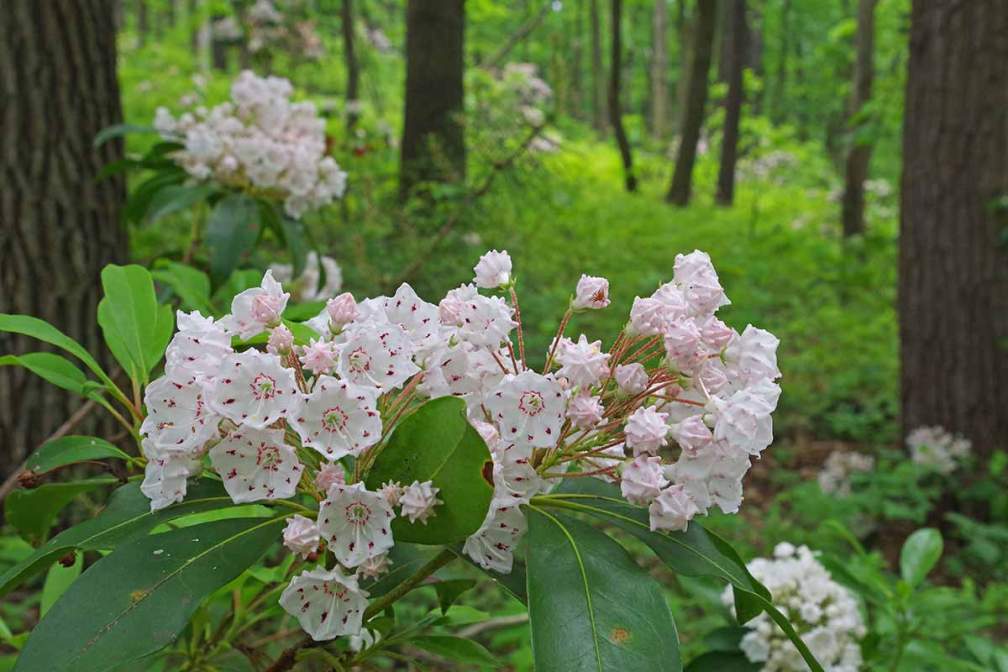
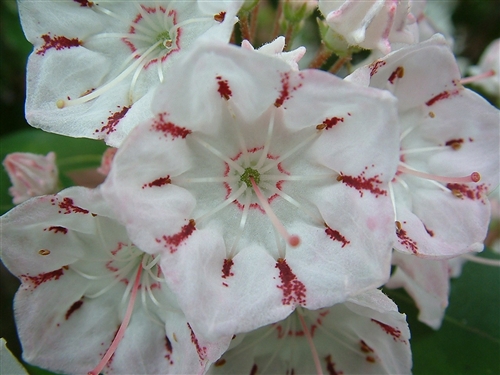
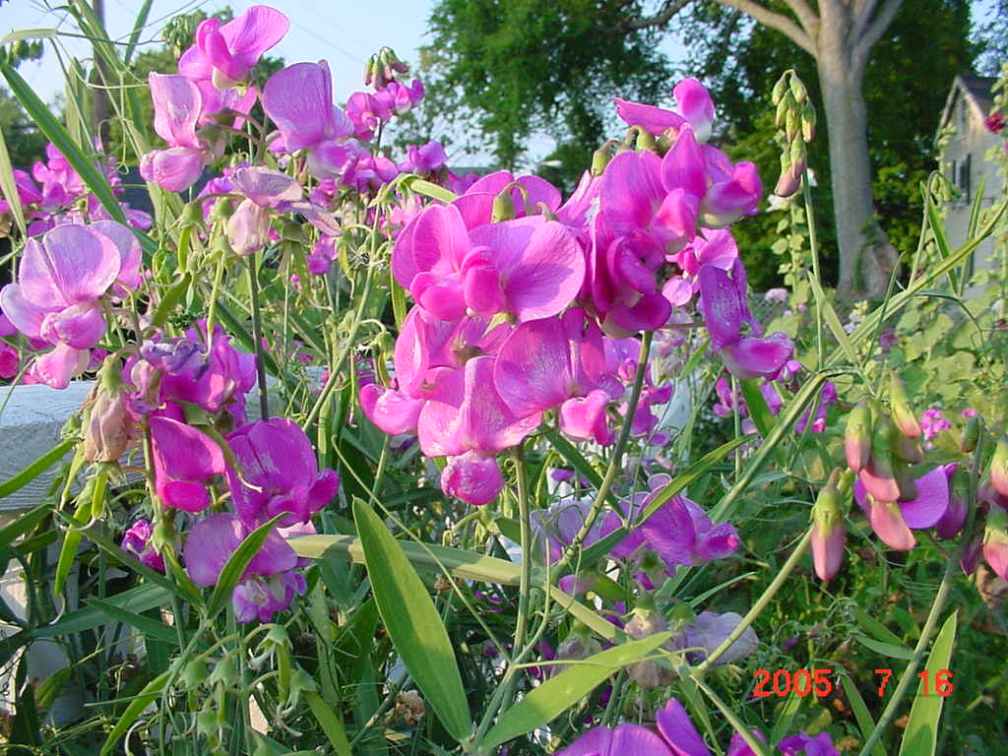
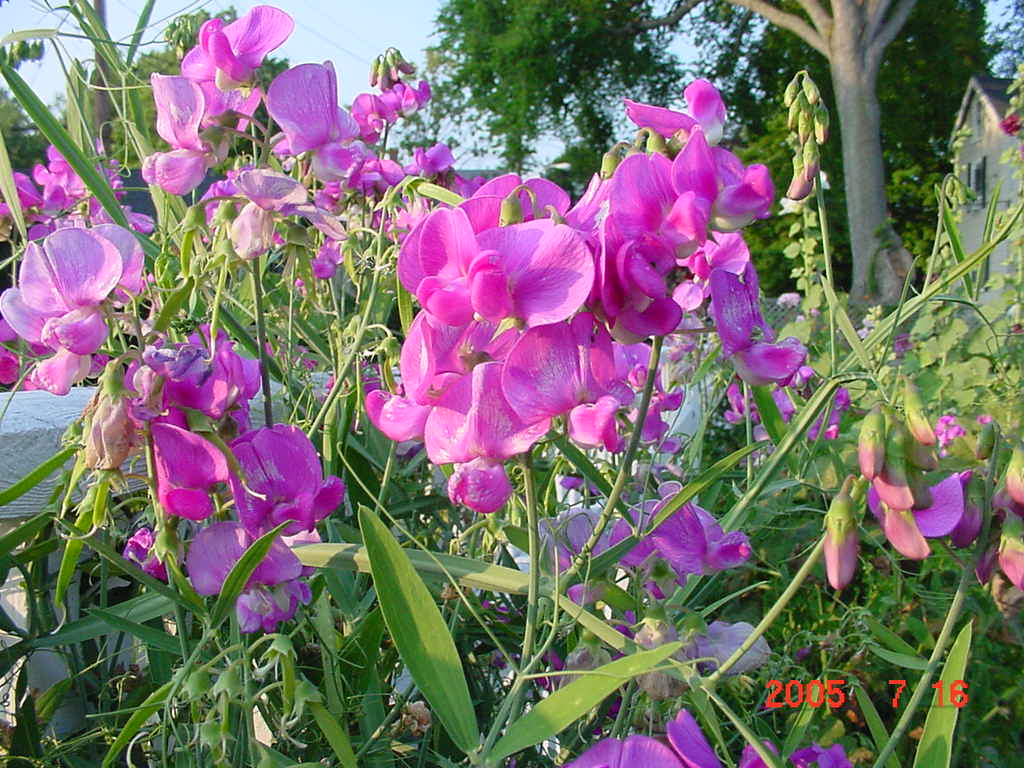
Some flowers seem just one color to a casual glance. If you look closer, you see intricate patterns of tone and shading. William Blake knew all about this:
To see a World in a Grain of Sand And a Heaven in a Wild Flower Hold Infinity in the palm of your hand And Eternity in an hour
If you’re lucky enough to be around children these days, savor them. They are exhausting, often annoying, and they too feel the stress of this terrible time. But how beautiful they are! And when they’re happy, how sweet.
If you have a chance to hang out with a child, put your phone down. Drop your agenda. Listen to whatever that child wants to say. Play whatever game they suggest. Focus on this precious moment. You can live in timeless time with that child: “eternity in an hour.”
No wonder so many people want dogs these days. They too live in the eternal present. All animals do, but dogs enjoy us living there with them. This is their great gift to humans, worth all the food and vet visits and poop-scooping. They introduce us to the here and now.
And if you don’t have access to dogs, or children, look for other ways to enter that timeless time. Grow a plant in a window sill. Pick up an instrument. The world is full of beauty, even here. Even now.
I love America because people are here from everywhere. First generation keeps the old languages and customs; second generation is just American kids who drive the old folks crazy. Doesn’t matter where you came from. If you’re here, this is where you belong. Our immigrant and refugee policies are terrible (file under reasons to hate America) but our immigrants and refugees enrich our lives in so many ways: food, music, expanding dialogues, businesses, interesting neighborhoods.
I hate America because racism, xenophobia (fear of strangers), and misogyny (fear of women) are so deeply embedded in our culture. Too many of us have accepted them as though there was nothing we could do about them. I hate America because we take democracy for granted and 40% of us don’t bother to vote. I hate America because we’ve been bullying the whole world, bragging about torturing people, terrifying the Middle East with our armed drones. And refusing to acknowledge climate change even after New Orleans and the wildfires in California. Not to mention keeping the pandemic going, all by ourselves if we have to, because…freedom?
I love America because of our ideals of equality before the law, free speech, and human rights. I hate America’s failure to live up to them. I love that so many of us are trying to finally make democracy real.
How are you? Fine? Really? I don’t believe it. Nobody’s fine right now.
I wanted to communicate some good news today, but I couldn’t find any. Some things do give me hope for the long term. Short-term, with Trump doing all the harm he can, the world ignoring climate change, and the virus running rampant through the US, I got nothin’.
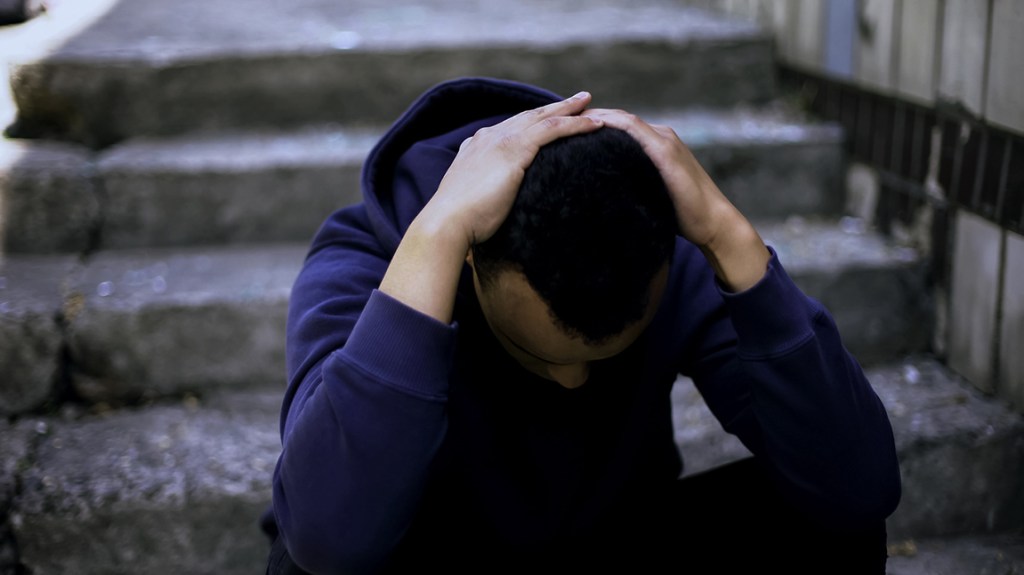
It’s not my personal situation. I’m way luckier than most Americans: so far, so good. I just get panic attacks several times a week and fight depression every day. But money is no more of a problem than usual and nobody I love is sick. We’re all just having panic attacks and fighting depression.
If a household didn’t depend on my health, I’d have been in the street with Black Lives Matter for a month. There is joy and uplift in a crowd like that, gathered for a righteous purpose and determined to be peaceful in spite of the worst police can do. There is community, creativity, relief in taking action together. I’m very grateful to all those who do show up, and a little envious. I miss that feeling.
I miss a lot of things, a lot of people. I’ve been missing peace of mind since the 2016 presidential election. None of my friends has slept well since then. Now it’s hard to escape the feeling of nightmare while we’re wide awake.
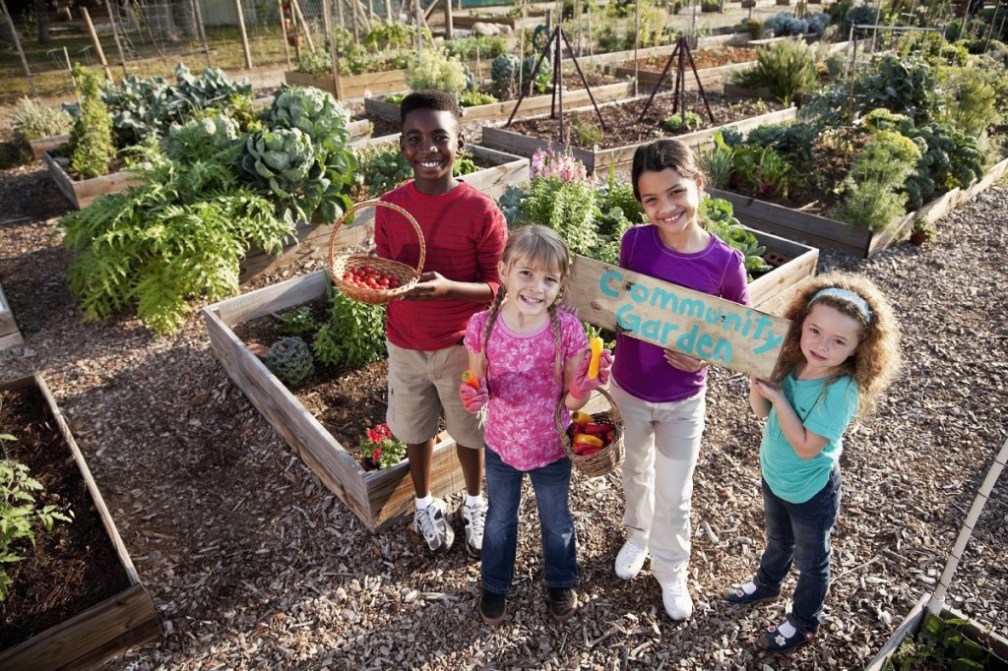
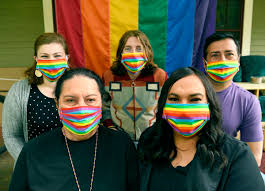
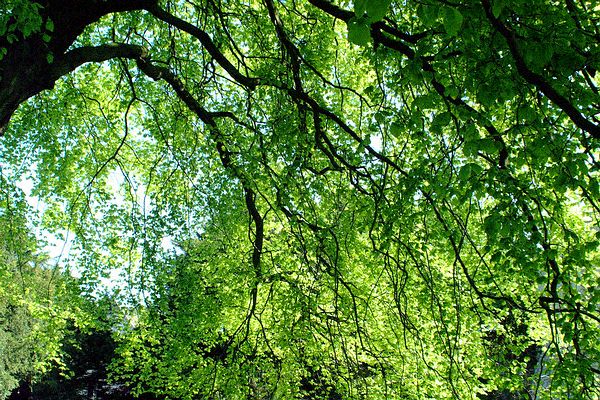
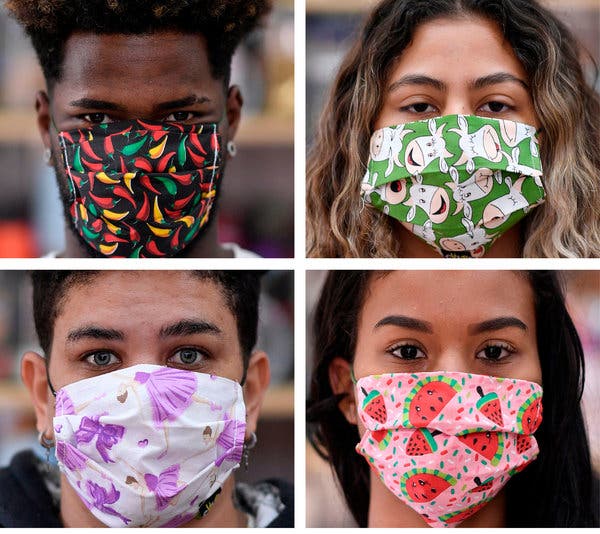
So how do we get back to feeling okay? Counting blessings helps; so does counting breaths, and slowing them down when we’re anxious. Communicating with people we love. Being in nature, which remains beautiful. Making things, whether it’s music or masks or gardens.
What helps me most is remembering that the real problem is not individual people but the culture we have created. And culture changes all the time. We each change it, with every word and act, everything we buy or avoid buying, our tones of voice and our body language, even what we click and like on social media.
What becomes of humanity is up to humans. We can move toward destruction, or we can move toward sustainability and loving-kindness. We know what we must do. I believe we might yet even do it.
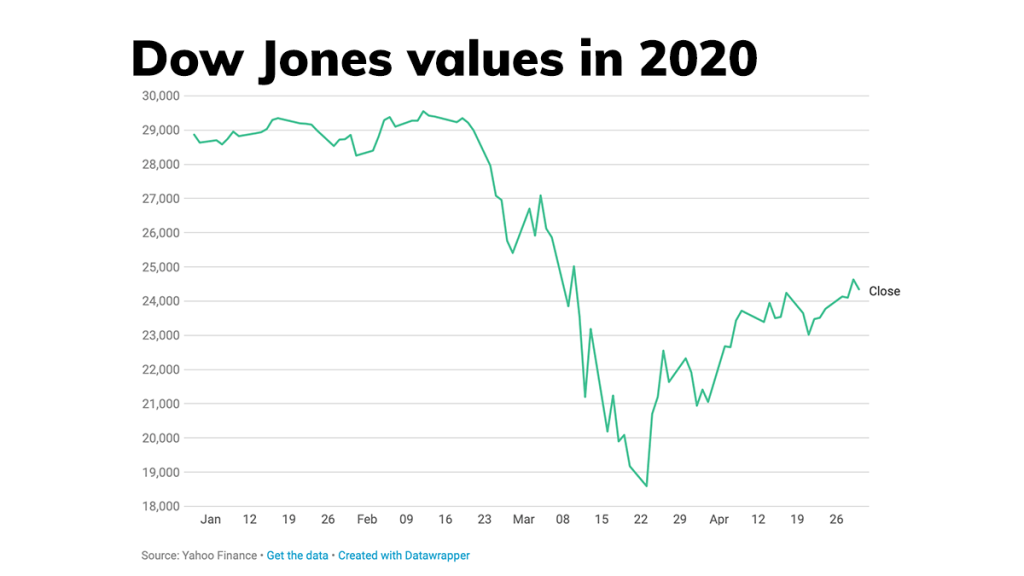
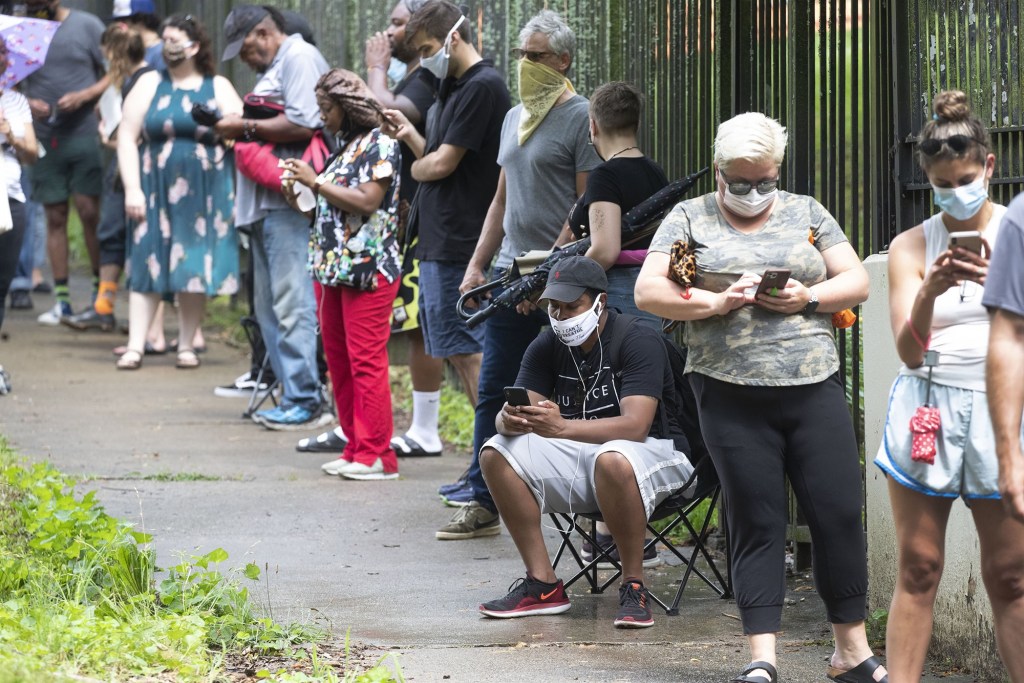
The stock market dropped in late March when it hit Americans all at once (except Trump, who knew months before) that COVID-19 was a deadly plague which demanded a quick response. The real economy, where people go to work and get paid, and then go out and spend their money, largely shut down. Suddenly 1 out of 4 Americans was out of a job.
The stock market has recovered. The real economy has not. Why does Dow Jones seem not to care that the Jones family can’t pay the rent? Because the Jones family is not rich and does not own stock. They are the poor relations that the Dow does its best to ignore.
But another stock market crash is almost inevitable. The Jones family’s unemployment checks will run out. They will not be able to find new jobs. No matter how much Trump denies it (and because of his denial), COVID-19 is raging through the US and people are rightly afraid to start their businesses back up. The Jones family’s landlord will stop forgiving the rent, because he can’t afford to pay his mortgage without getting it. They are all in danger of losing their homes.
The only reason the stock market cares about the 40 million Americans who have lost their jobs is that pretty soon, those people will stop spending money, because they won’t have any.
The capitalist economy depends on the American consumer. Nonstop advertising has trained us to want new things constantly. We buy every plastic gimcrack and follow every new fashion. Without our shopping, the whole house of cards will come tumbling down.
That house of cards hasn’t been sheltering most people very well anyhow. Capitalism only works if you have capital. Put another way, it takes money to make money. People who have never had a chance to accumulate wealth, like most Americans of color and those born into the lower classes, get stuck in jobs that don’t pay enough to live on. When the real economy shuts down, they have no savings and no collateral.
The US is about to face hunger and homelessness on a scale we have not experienced since the Depression of the 1930s. The federal government under Franklin Delano Roosevelt responded to the Depression with laws, jobs programs, and public works projects known as the New Deal. Slowly, the New Deal programs put Americans back on their feet.
We know the only Jones that Trump cares about is the Dow. He is perfectly willing for the rest of the Joneses to die of coronavirus, or lose their homes, or starve, as long as his rich buddies continue to make more money. With a normal president, Americans could expect the federal government to help us get through these bundled crises. Now we know we can’t expect any help until we elect a new president. If we lose everything meanwhile? Trump will just call us losers.
I believe in magic. I’ve seen it happen. Arthur C. Clarke, who wrote 2001: A Space Odyssey, said: “Magic’s just science that we don’t understand yet.” In this case, the science is mob psychology. I’ve seen ugly crowds turn beautiful.
Once, long ago, I was at a huge outdoor rock concert. It was a hot day. Then it rained and the wind came up. People got cold. Some started to tear down the arena’s concession stands so they could make bonfires of the wood. The most aggressive vandals surrounded the fires. The mood was violent and mean.
Then a friend of mine stepped up to a fire, warmed his hands, and loudly praised the people who had built it. “This is so great, thank you! We’re all freezing and this feels wonderful! What a terrific idea!” He kept shouting this sort of thing while more people crowded around the fire. Now the original vandals began to feel like heroes. Others helped them take the stands apart and build more fires. Tension evaporated. Once again we were brothers and sisters enjoying the music together.
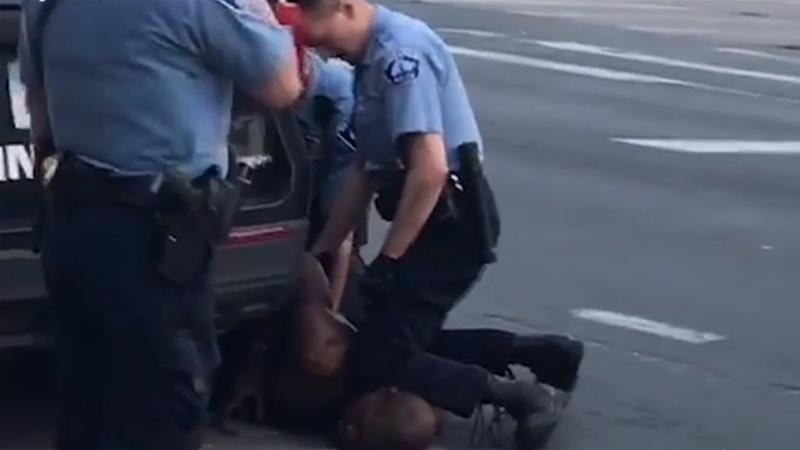
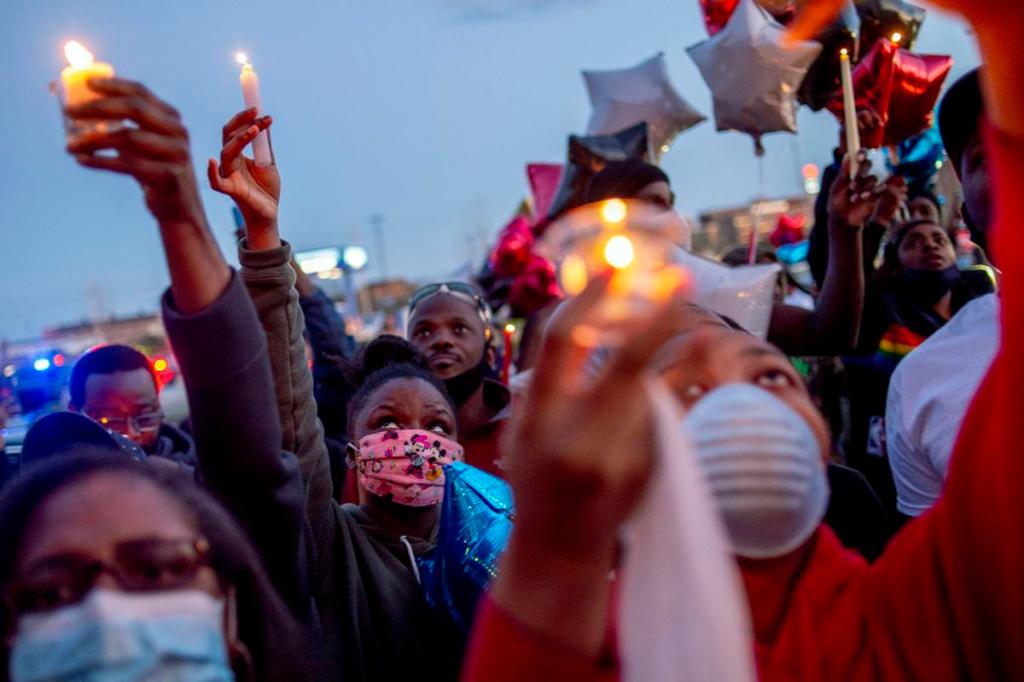
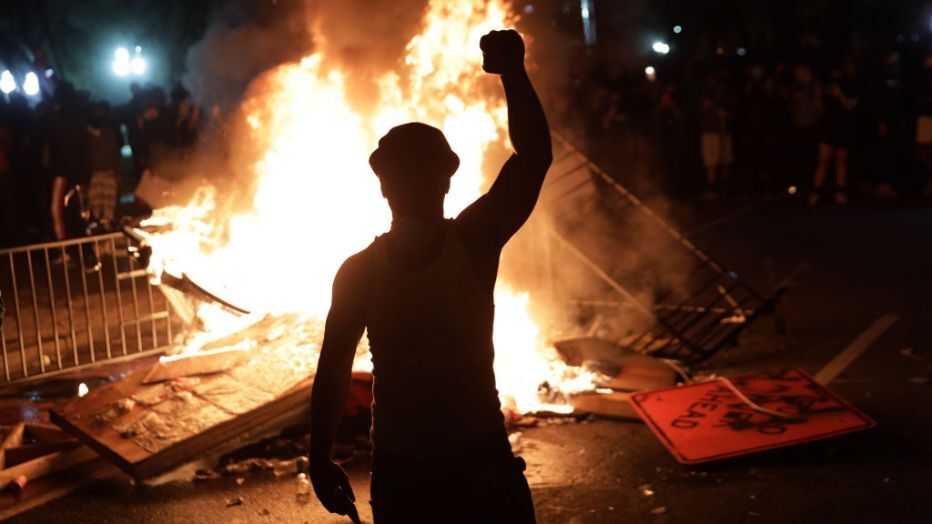
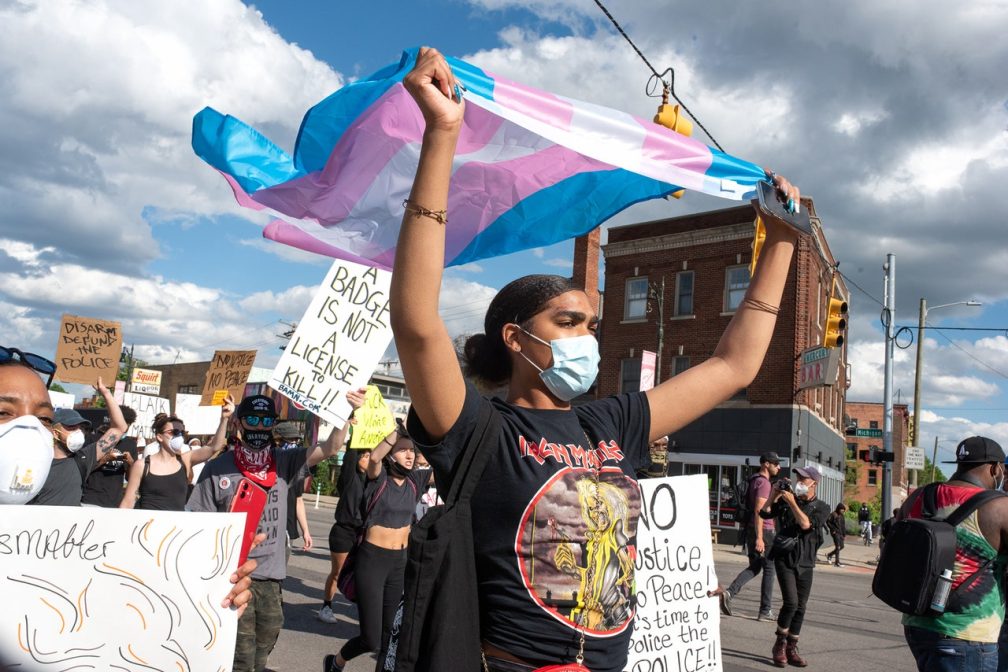
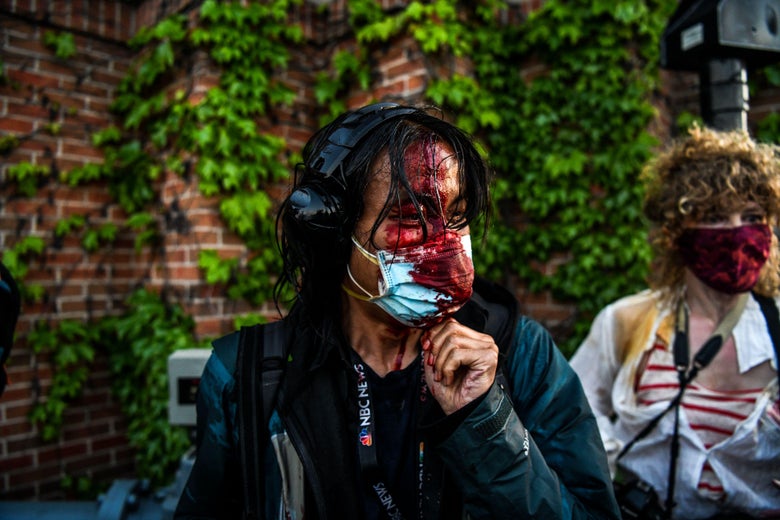
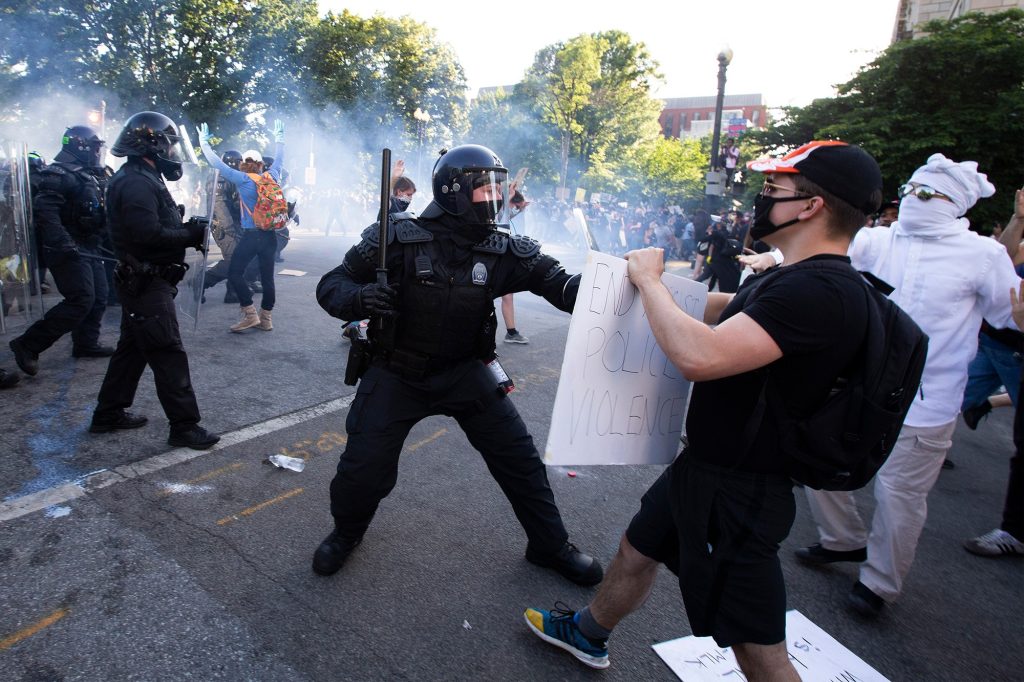
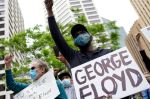
Late this spring, after a Minneapolis policeman murdered George Floyd by kneeling on his neck for 8 minutes and 46 seconds, the black community erupted in protest, releasing tension that had built up over lifetimes of racist abuse. As crowds demonstrated against police brutality, the police demonstrated their brutality. Some people at the fringes of the protests broke into stores; some set fire to police cars and a station where police had fled the scene.
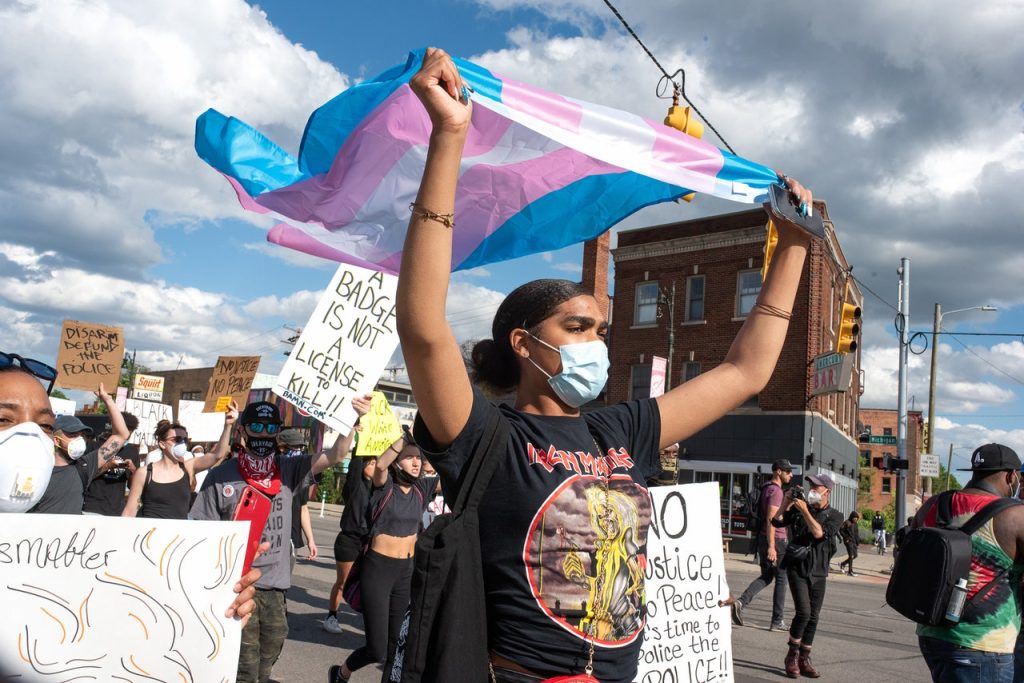
Newscasters predicted riots. Trump clearly hoped for the start of a race war. But over the next few days and weeks, some kind of magic happened. In spite of, or maybe because of, the protesters’ justified rage and the horrific over-reaction by most police, the protests became not wilder but calmer. They grew. They focused. They spread worldwide.
These big, diverse, articulate crowds cannot stay in the streets forever. They have, however, inspired shifts in public awareness, media coverage, and even state budgets and laws that should, that must, result in deep and permanent change. Fighting racism is a battle with many fronts: jails and prisons, schools and workplaces, neighborhoods and legislatures. The work ahead of us is enormous. But our society seems to be ready to take it on, at last.
“Magical thinking” is defined as the belief that our thoughts can cause changes in the real world. When our thoughts have no actual consequences, such a belief is delusional. Yet I have seen people’s thoughts change the world, not just once but many times.
There is such a thing as magic. There is evil magic, like the spell the fascist far right has cast over too many people in too many countries. The worst kind of magic has convinced many people that we have no power to make a difference, that only the very rich or famous can affect our culture. But there is also good magic, the magic of our shared ideals. Let us never give up hope of changing the world together. Magic is in the hearts of the people.
Americans are dealing with two deadly diseases right now: COVID-19, a brand new virus, and racism, which has infected this country for 400 years. Both are contagious.
“Infectious dose” means the smallest quantity of infectious material that regularly produces a disease. Scientists don’t yet know how many viruses it takes to create a new case of COVID-19. They know masks and distance help cut the number that reach another person. Nobody can tell us the lowest amount of racism necessary to create a new racist.
There might not be a vaccine to prevent COVID-19 for another year or more. There is, however, a vaccine to prevent racism. It’s called education. People of color don’t need to be educated on what racism is or how it operates. Most white people have been ignorant. It has taken video after video of police killing unarmed black people to begin to educate white Americans.
Signs of this disease are everywhere in popular culture. Often racism is so unconscious that it manifests in advertisements which have to pass in front of many (white) eyes before they run. A 2017 Dove ad showed a smiling black woman turning white. In 2018, H&M ran an ad featuring a black child in a hoodie with the motto “coolest monkey in the jungle.” Gucci sold a blackface sweater in 2019. In May of this year, according to CNN, a Volkswagen ad showed “an outsized white hand pushing a black man away from a parked VW Golf, before flicking him into a restaurant called Petit Colon, which translates from French as the Little Colonist.”
In the 1921 Tulsa massacre, white mobs killed as many as 300 black residents and burned a thriving black business district to the ground. Most white Americans never heard of it until Trump tried to hold a rally there on the anniversary of this atrocity. My own kids’ middle school history text spent 17 pages on the Civil War without once mentioning slavery.
We will not see the end of either COVID-19 or racism in the foreseeable future. We do have the tools, however, to get the presence of these killers below the infectious dose.
On June 19, 1865, two and a half years after the Emancipation Proclamation, slaves in Texas were finally freed. Juneteenth, the anniversary of that event, gives America a formal moment to recognize all the emancipation that still hasn’t happened, a century and a half later. Millions across the world remind us that black Americans are not free from fear of police, not free of public or private racism, not free to start a business or buy a home or even vote the way white Americans are.
Earth is in our hands
Humanity has barely begun to meet our many pressing challenges: racism, pandemics, overpopulation, poverty, tyranny, pollution, war, nuclear proliferation, climate change. We must not be discouraged. Centuries of struggle against cruelty, self-interest, and short-sightedness might be starting to turn the tide. Recent events prove the following principles:
Protests work. They changed the culture in the 1960s, and they are changing the culture now. A strong majority of the American public finally acknowledges that racism is a terrible and enduring problem. Police who killed unarmed black people are facing murder charges. Racist symbols from statues to cereals are going down. Many cities and states seem ready to move funds from police departments to mental health services, education, and housing. So far, these are small victories, but they have momentum.
Sustained pressure works. Years of public education and lobbying have even reached the Supreme Court. Two very conservative judges voted with the majority to give LGBTQ people the right to be free of workplace discrimination, and to stop Trump’s effort to deport the young “Dreamers” protected by DACA (Deferred Action for Childhood Arrivals). These are both major victories. They reward many years of committed activism.
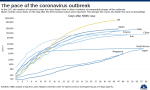
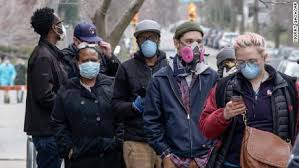
Science works. Scientists told us this would happen: in states and countries where almost everyone wears a mask outside the home, COVID-19 infection rates are falling steeply. Where people refuse to take this elementary precaution, the virus is spreading by leaps and bounds. Science also gives us new ways of getting energy without burning fossil fuels, and tells us what will happen if we don’t use them. Science allows women to control reproduction; politics too often won’t let them, leaving many women in desperate situations. The moral here is, when politicians and scientists disagree, listen to science.
Voting works. Protests and science can only do so much. In the end, we get what we vote for. If all the people who believe in one person, one vote, had actually voted, we’d have gotten rid of the Electoral College by now. The Senate would be representative instead of giving lopsided power to the old slave states regardless of population. If more of us voted, we’d have gotten Gore instead of George W, Clinton instead of Trump. Trump detained 70,000 immigrant children last year, and since then has destroyed our economy, done his best to ruin the environment, and cost hundreds of thousands of American lives. This November, we have a chance to vote that evil, lying, cynical schmuck out of office. That would be the biggest victory in a long, long time.
I wouldn’t trust anyone who has not despaired. How is it possible to look at the world we have made and still believe humanity can, or should, survive? If you have never felt hopeless, as they say, you haven’t been paying enough attention.
That despair is where our true hope begins. Being human means learning and changing, every day. When we face what our civilization has done to our beautiful world, what terrible things people have done to other people, and how little our governments have done to stop all this harm, that knowledge changes us. We can give up and withdraw to our own lives and pleasures. Or we can turn sorrow into outrage, and fight.
The situation is dire. Consumer culture is based on the assumption that earth’s resources are infinite, and we can keep mining them forever to make more stuff. Now that we know this assumption is wrong, and that our greed has poisoned the earth, the air, and the water to a degree that threatens human survival, what can we do about it?
The key to our survival is non-violent revolution. Revolution is change. Violence is only more of the same damn thing. Real revolution is what we see in the Black Lives Matter movement in streets around the world: the peaceful insistence that human life means more than money or power. This belief can change everything.
In the USA, we face almost seven more months of Trump in the best of circumstances. He will do as much harm as he can in that time. COVID-19 will kill hundreds of thousands because of his carelessness, depriving us of the wisdom of our elders when we need it more than ever. He will continue to whip up hatred and fear. He will destroy the environment to make his rich friends richer. So we must continue to fight, until the election and then far beyond it.
Despair stops being useful when it makes us stop trying. Take a break. Listen to music. Walk by a river. Talk with a friend. Then get back to work, because, my friends, we have an awful lot of work to do. We have to reboot human civilization. We’ve based it on selfishness. Now we need to base it on caring. The turn begins in each of our troubled, doubting, loving hearts.
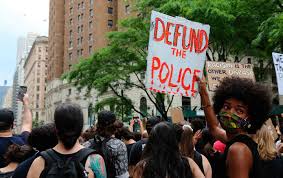
“Defunding the police” means moving money within city and state budgets. The idea is to take money out of policing and spend it on services like mental and physical health care, education, and affordable housing instead. “Defunding” assumes that meeting people’s needs will prevent many problems caused by desperate people doing desperate things. Happier, healthier, more stable households would mean less work for police. Police unions will fight this move, of course, but it’s long overdue.
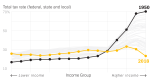
The trend over the 40 years since the election of President Reagan has been to take money from the poor and give it to the rich. The poor lose services; the rich get tax cuts. The first type of service to go is always oversight and monitoring. That way, when budgets get cut, there is no one to tell us what suffering is the result.
In this 40-year history of public service funding being transferred to private wealth, Republicans reliably make things worse. Democrats have only slowed the trend at times, and never managed to turn it around. Their rich donors made sure of that.
If a lot of public money really is moved to services the public needs, we’ll have to make sure those services don’t get cut back again. In 1980, the last year of his term, President Carter tried to defund psychiatric institutions, where too many people had been imprisoned, often in terrible conditions. Carter intended to build community mental health centers to take the place of the old system. However, as soon as Reagan got elected, he stopped funding community MH care. The old institutions closed; new ones never opened. Poor people with serious mental illness were left with no place to go but the street or the jail cell.
Everything our government spends is our own money. Now Trump’s head of the Treasury, Steven Mnuchin, says that it is none of taxpayers’ business where he has spent half a trillion dollars. That 500 billion was supposed to help small businesses survive after Trump’s two-month denial of the crisis made a lock-down necessary. US taxpayers have bailed out the airline industry, the fossil fuel industry, big banks, and financial services companies. When will we bail out ordinary people? Not until we elect a new president. And even then, not unless we insist.
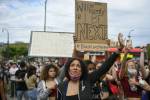
It took a pandemic infecting black Americans at three times the rate of whites, huge unemployment — also much worse for black people than for white, and one too many videos of police killing an unarmed black man, to get Americans to hit the streets at last. Black people led the way, but thanks to other people of good will, they are not alone on the street, or in this country.
BLM Berlin
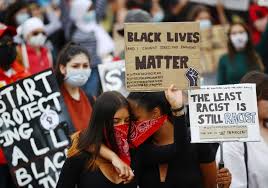
People around the world are responding to the rallying cry of Black Lives Matter. Everyone is panicked by the COVID-19 crisis; everyone is terrified of the climate change crisis, which will only get worse while our attention is elsewhere; but the brutality of American racism is now something that humanity feels Americans can do something about.
Polls show that two-thirds of Americans support the BLM protests. How did that happen? It’s not like racism has been hard to see. If we needed video proof of police violence, we’ve had plenty for years. It’s been too easy for government and white people to ignore this disaster, which has devastated black Americans since they were dragged to this country in chains 400 years ago. Public attention was scattered around the minutiae of everyday life, until everyday life ground to a halt under quarantine. These days, it’s almost a relief to think about something besides COVID-19.
Durham, North Carolina
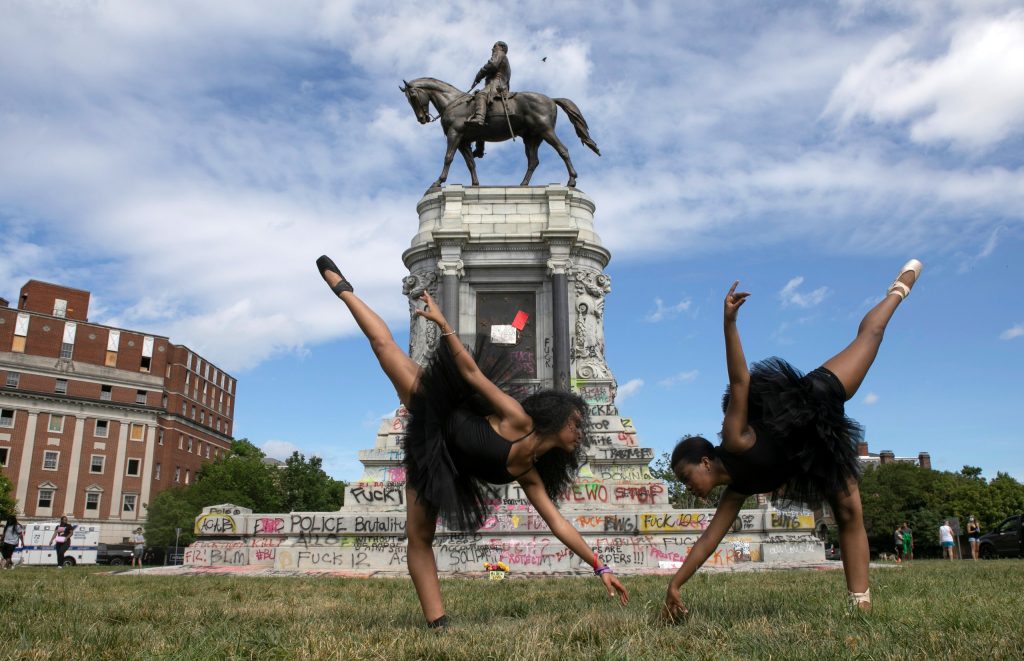
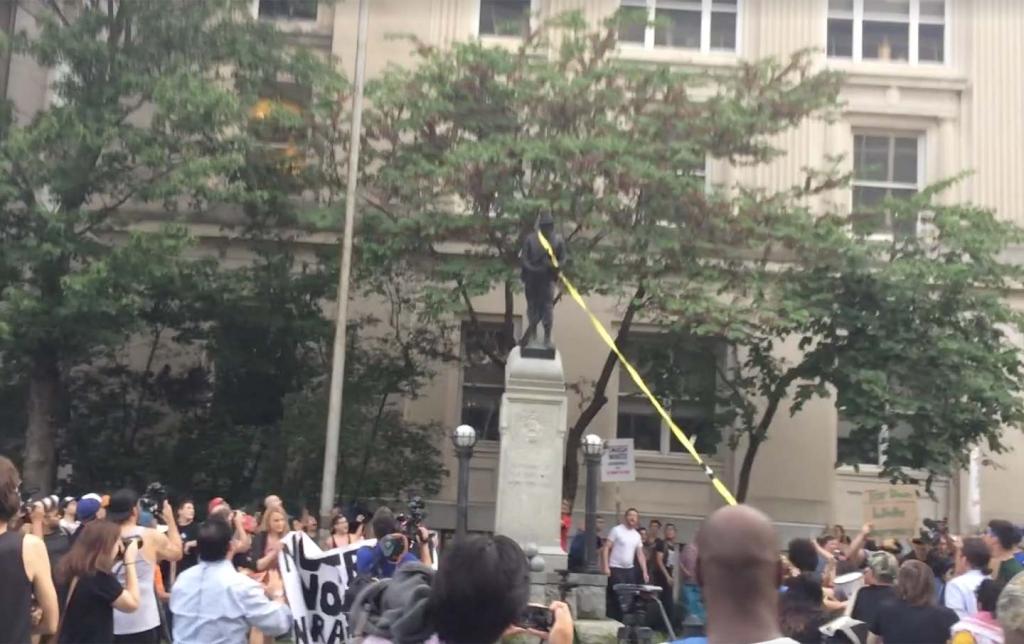
We are starting to make changes that we should have made 50 years ago. So far, most are symbolic. Confederate flags and statues are coming down. Institutions that maintain the power of the old slave states will be harder to pull down, like the Senate and the Electoral College, not to mention the whole system of policing and mass incarceration.
Without justice, democracy is just a farce, not a fact. America built its wealth on the forced, unpaid labor of black people. We have never given them anything in return for what we stole. In November, this country gets a chance to begin to do better. We have to try. The whole world is watching.
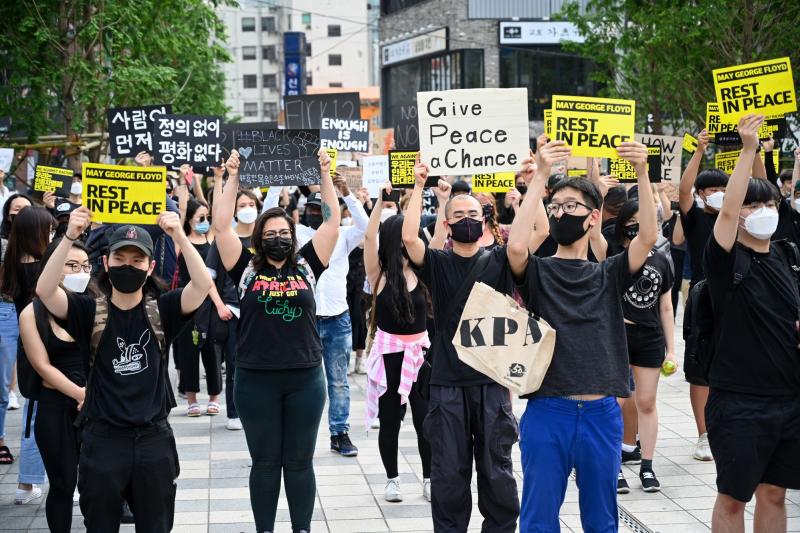
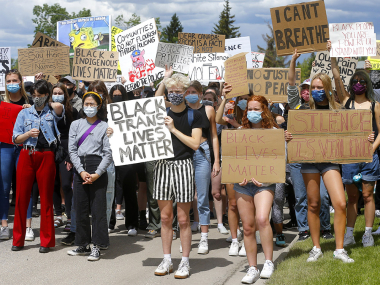
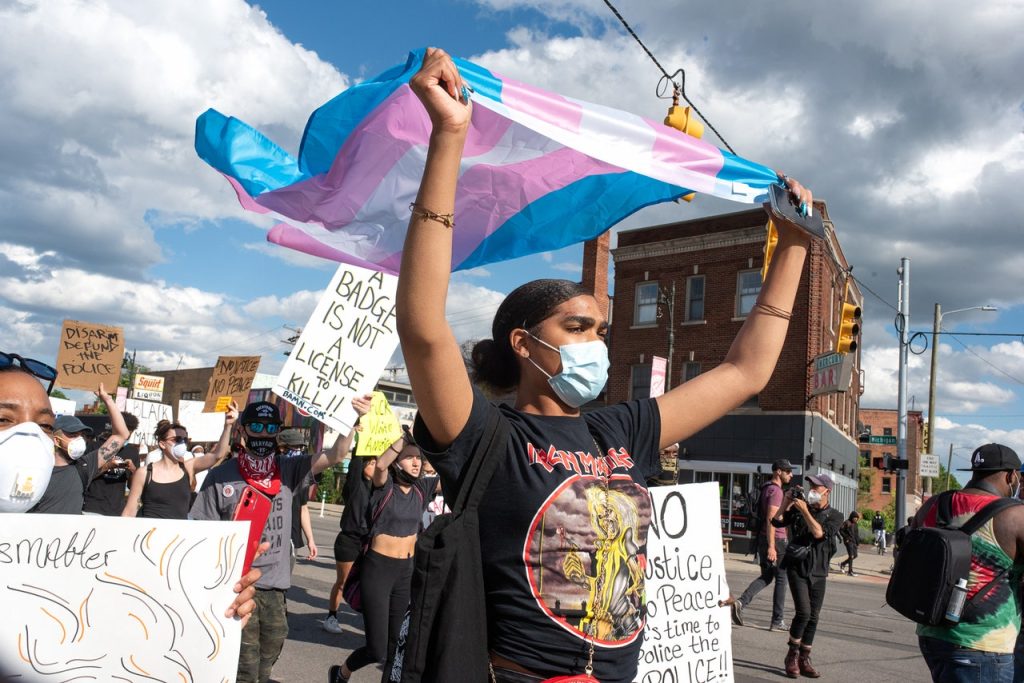
BLM protests in Holland, Canada, Denmark, England, Italy, South Korea
I’m posting two clips from Youtube that sum up the moment we’re in and how we got here. I have nothing to add, except my heartfelt hope that this all leads to changes black Americans have needed for a long time. The videos of horrific police violence, the personal stories of suffering from police racism and the racism so common in our society: these are reaching hearts and minds. Ultimately, such attitude shifts within individuals form the change in public consciousness that is the only thing that has ever taken us in the direction we have to go. People are fighting for a future where we can all survive and thrive. Let us support them in any way we can. Black lives matter.
I’ve been going to protests for 50 years. I’ve protested racism, sexism, homophobia, book burning, environmental devastation, income inequality, US treatment of immigrants and refugees, and three wars. I’ve marched with Black Lives Matter since 2014. Not since the late 1960s have I felt as much hope for real, lasting change as I do now.
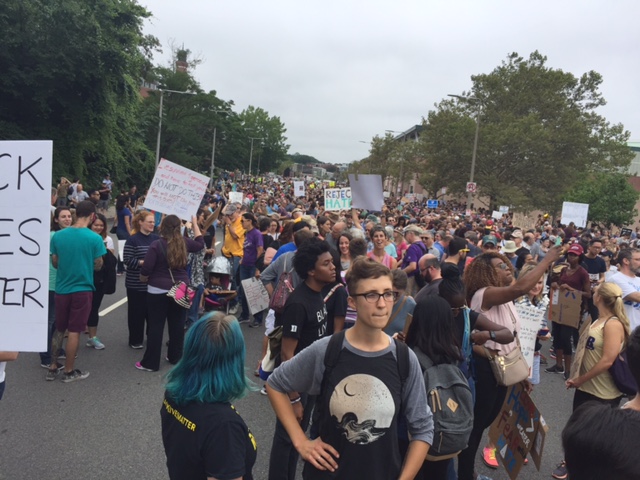
BLM 2017
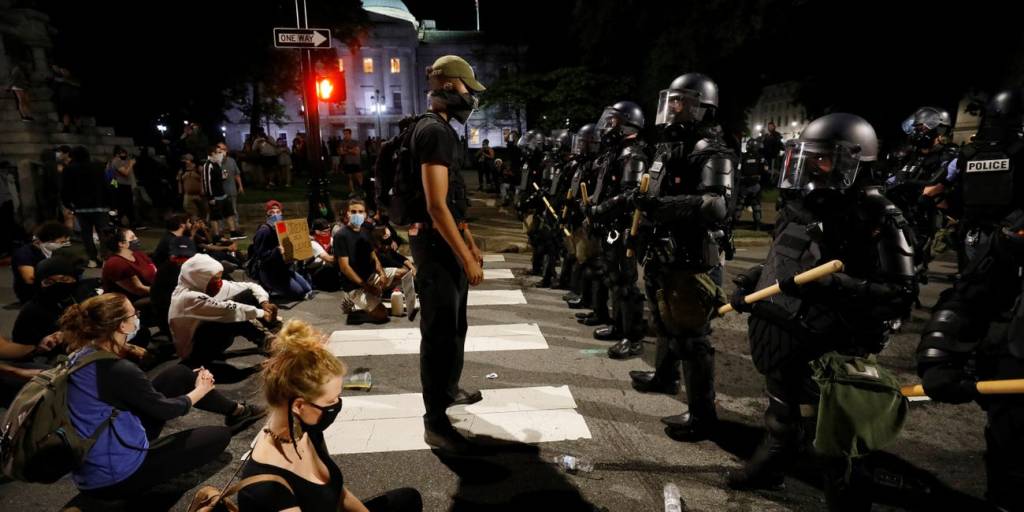
The more brutally the police respond to protests against police brutality toward black people, the more they show the world the protesters are right. Racism is everywhere. The US was built on slavery and genocide. White people continue to reap the benefits of all that unpaid labor and stolen land. People of color continue to suffer without any compensation for their terrible losses.
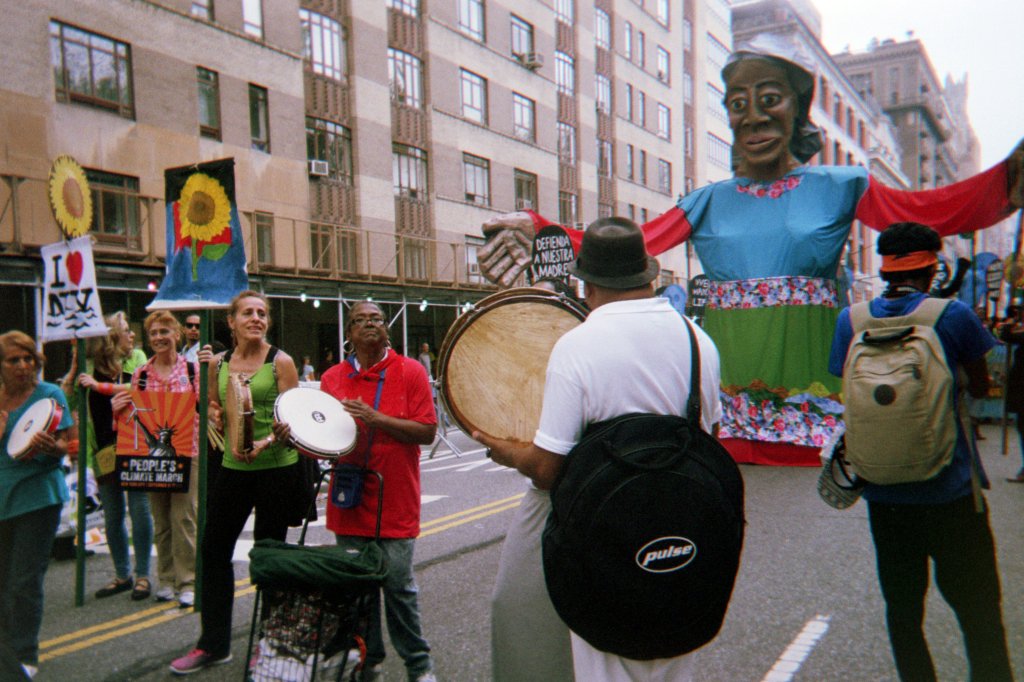
Climate Change March NYC 2014
Black people led the way in the 1960s as they are leading now. The civil rights movement showed America how you make real change. You hit the streets with as many people as you can, raise your voices together, resist violence, and don’t stop until you get what you need. Not just civil rights laws but the anti-Vietnam War, women’s liberation, gay rights, and environmental movements were the result.
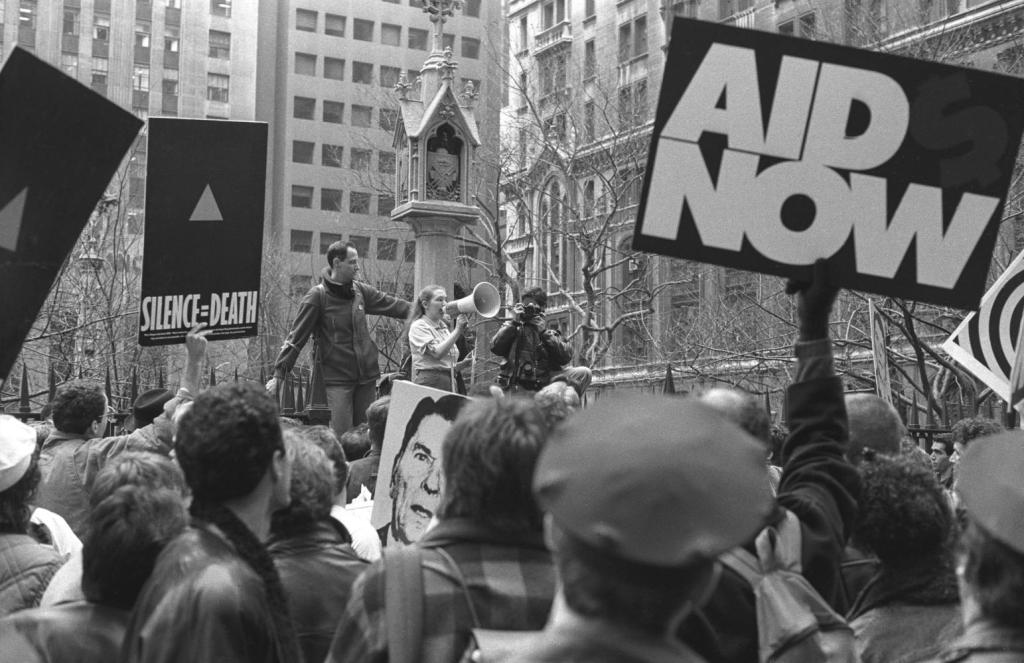
ACT UP in NYC 1987
For a few years, it seemed that America was waking up. Laws were passed. Attitudes shifted. Then Reagan came along in 1980, and progress stopped. AIDS activists, their horror and rage burning brightly in a dark time, eventually forced America to take another few steps forward on gender issues. Regarding poverty, war, racism, and the environment, Reagan pushed us backward. Since then: no progress to speak of.
For the past 40 years, almost half of the US population has behaved as though our federal government is not our concern. This is supposed to be a democracy; the people are supposed to be driving this car. Instead, we’ve been asleep at the wheel. If we don’t take control, rich white men do all the steering. The pandemic demonstrates that they don’t know where the hell they’re going, except toward human extinction. The people in the streets today are struggling to steer us in a different direction. The odds are long as always. But maybe this time, America will wake up — and STAY woke.
More than 10,000 people have been arrested across the US for protesting the police murder of George Floyd, and so many others. While Trump is in charge, protesters can expect maximum punishment for the crime of free speech.
No matter what else results from these protests, they have achieved one huge thing. They have made millions of white people feel guilty. It’s about time.
Since the massive civil rights demonstrations in the 1960s resulted in laws that stopped legal discrimination against black people, this nation has done nothing to make their lives any better. That’s more than 50 years of things just getting worse.
Even liberal administrations have pressed that boot down on black people’s necks. Bill Clinton, who supposedly loved black culture, passed a terrible crime bill and a terrible welfare bill that caused a spike in mass incarceration and hopeless poverty. Black communities suffered most.
Police have terrified, threatened, humiliated, tortured, and killed black people. Their power to do these things makes police racism especially destructive. But police are racist because our whole society is racist. White privilege has been a given for centuries. Ask Native Americans.
The first thing white people have to do is recognize how much damage our culture has done to people of color. This should be easy. Black people are telling us. They have been telling us right along. We just haven’t been listening.
We have many reasons to despair. Trump threatens to turn the US military against our own people. He urges state governors to “dominate” the protests, encouraging police to use tear gas and rubber bullets on angry crowds instead of trying to calm them down. COVID-19 is still roaring through the country, with the black death rate twice that of whites. Now one-quarter of workers are out of a job, and desperation is surging in all communities but the richest. And police murders of unarmed black people continue, without meaningful consequence. The US has done nothing in decades to fight structural racism.
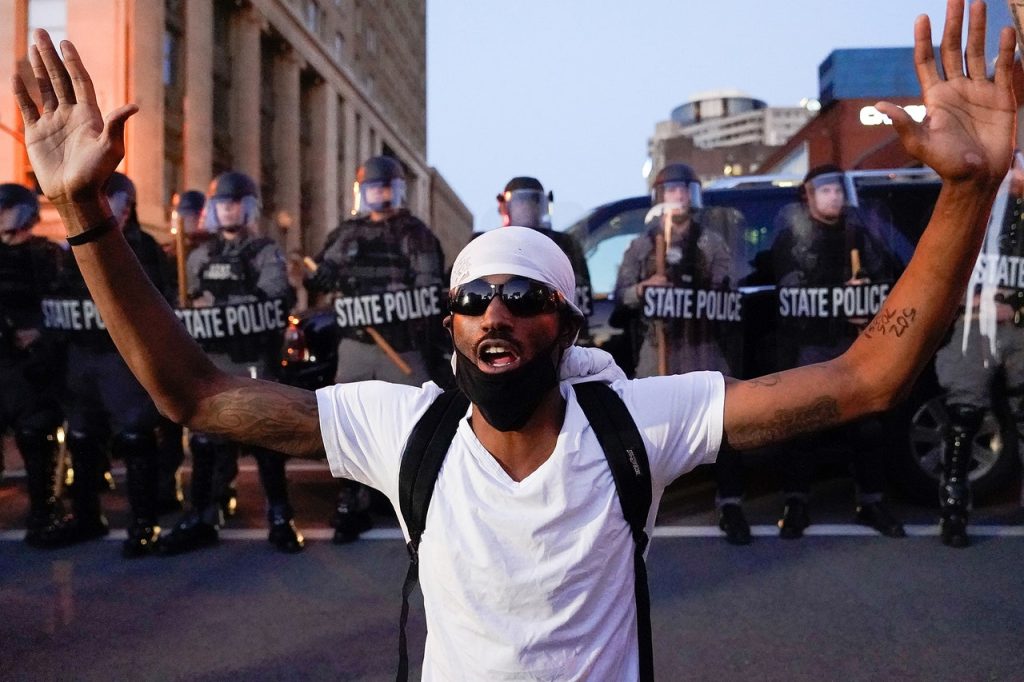
Louisville KY protester urges nonviolence
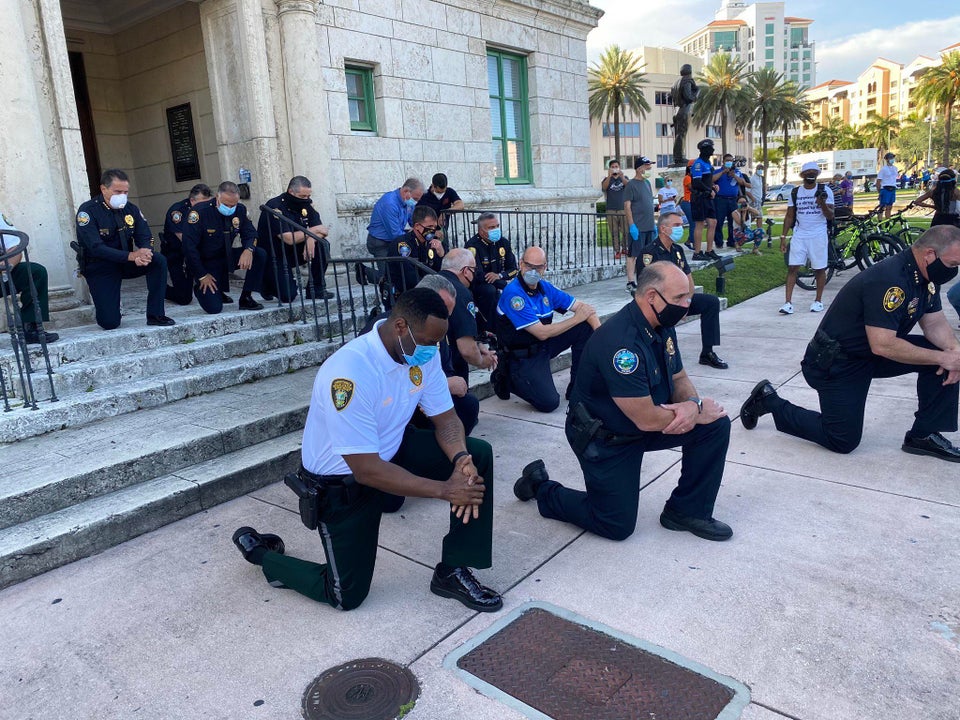
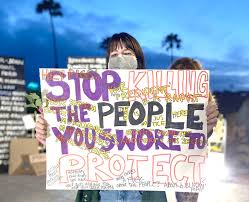
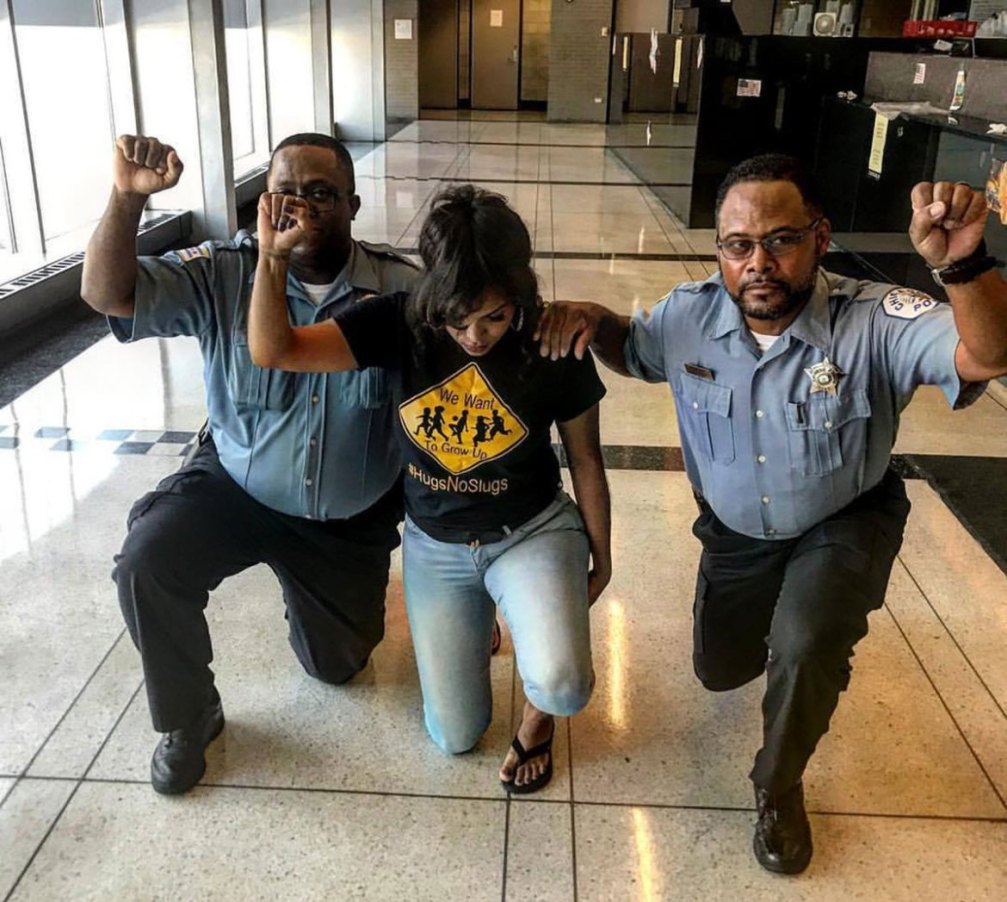
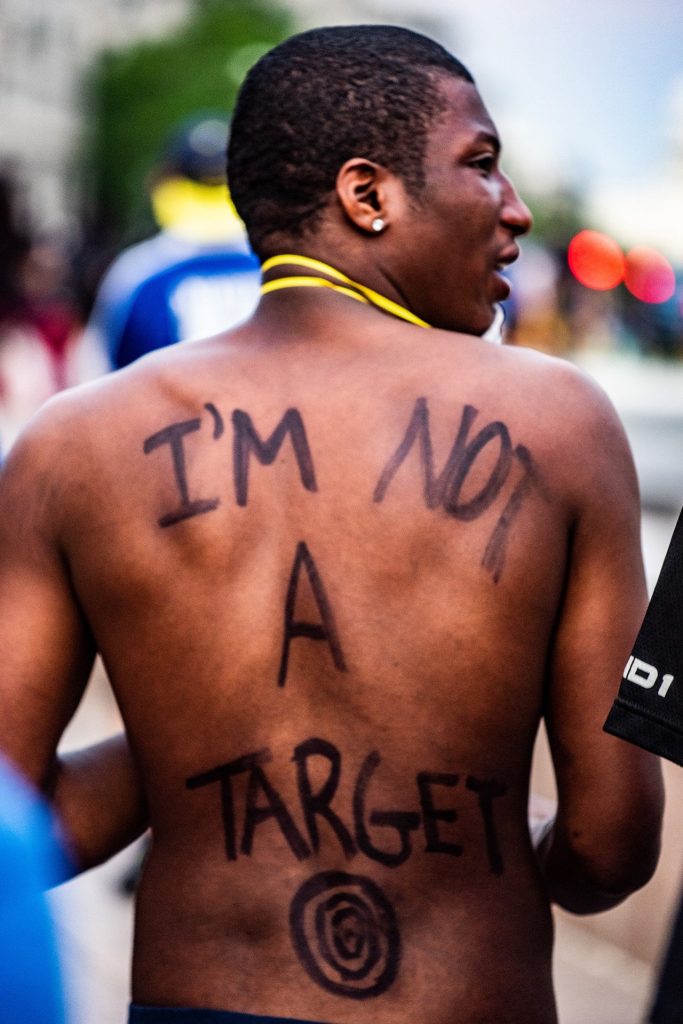
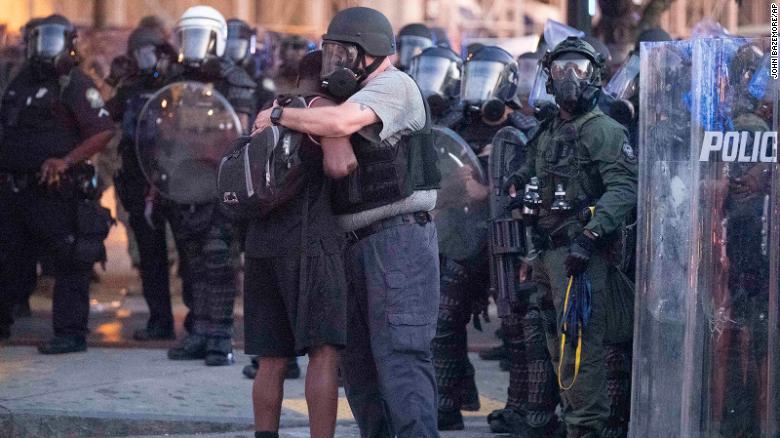
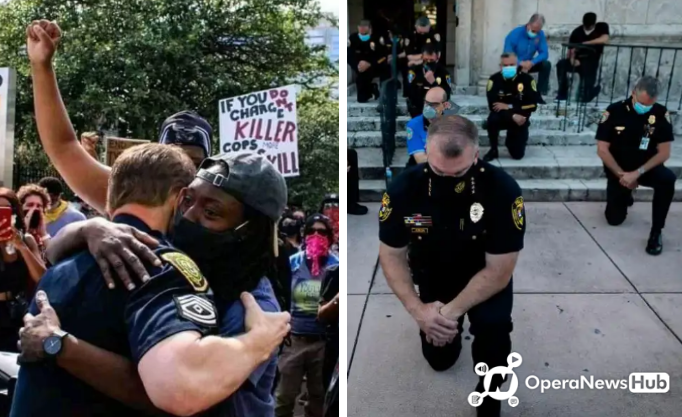
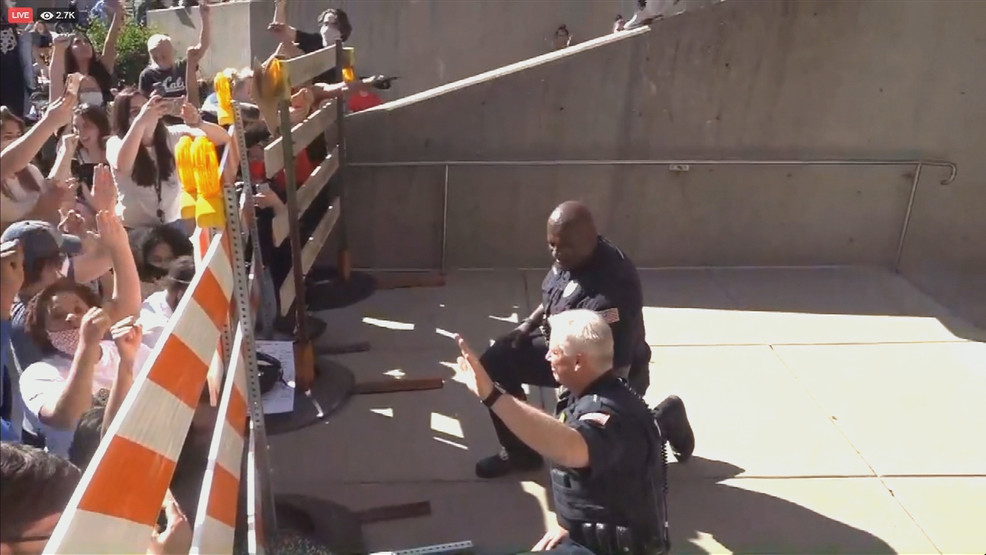
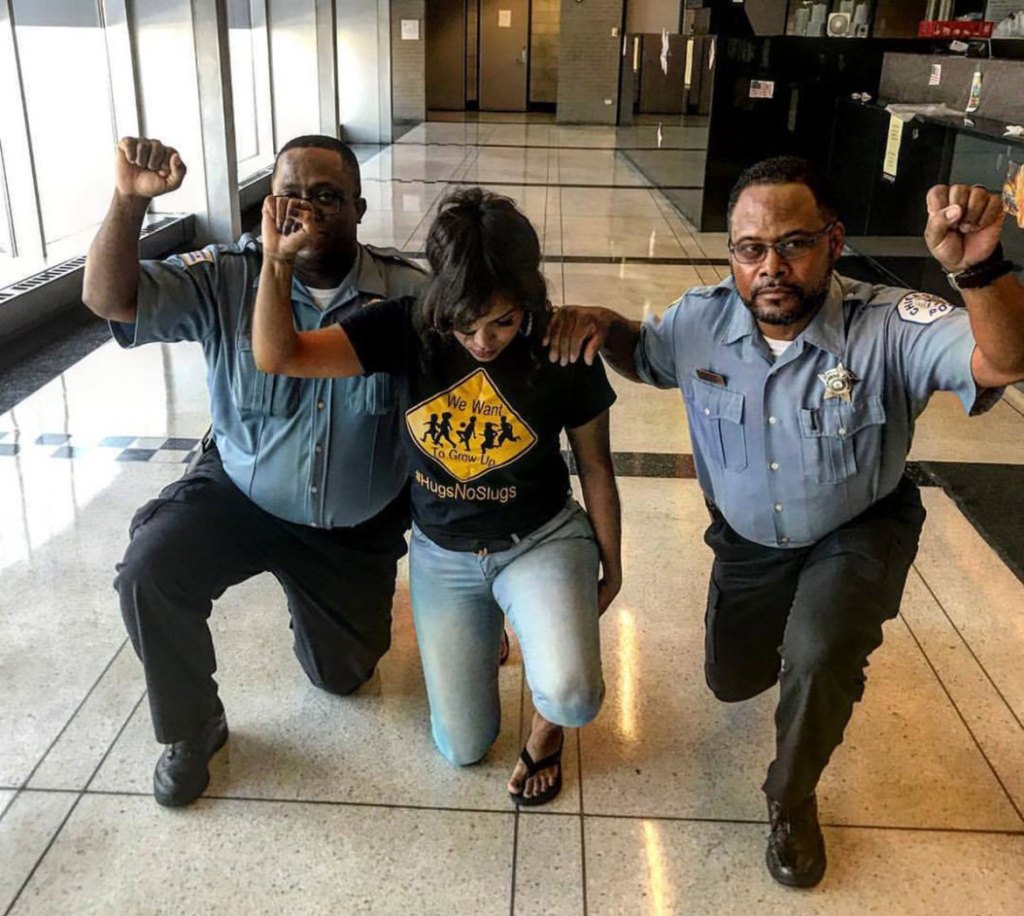
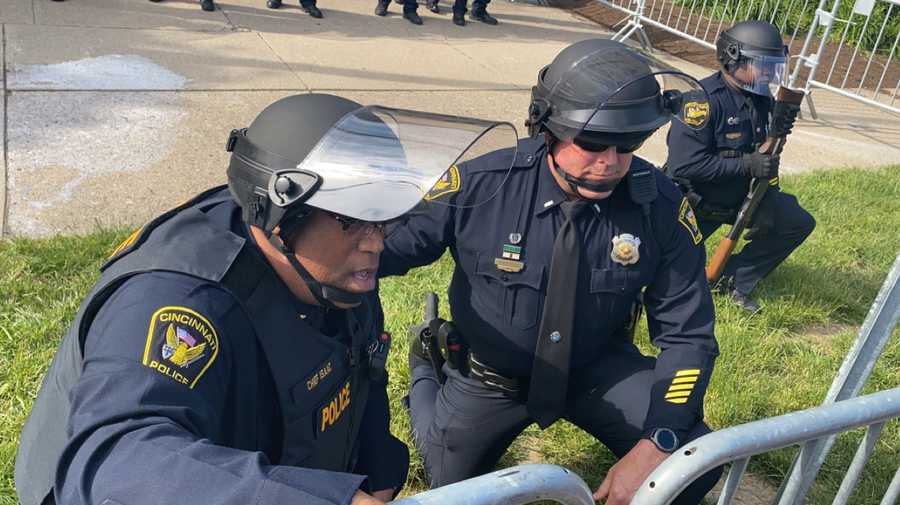
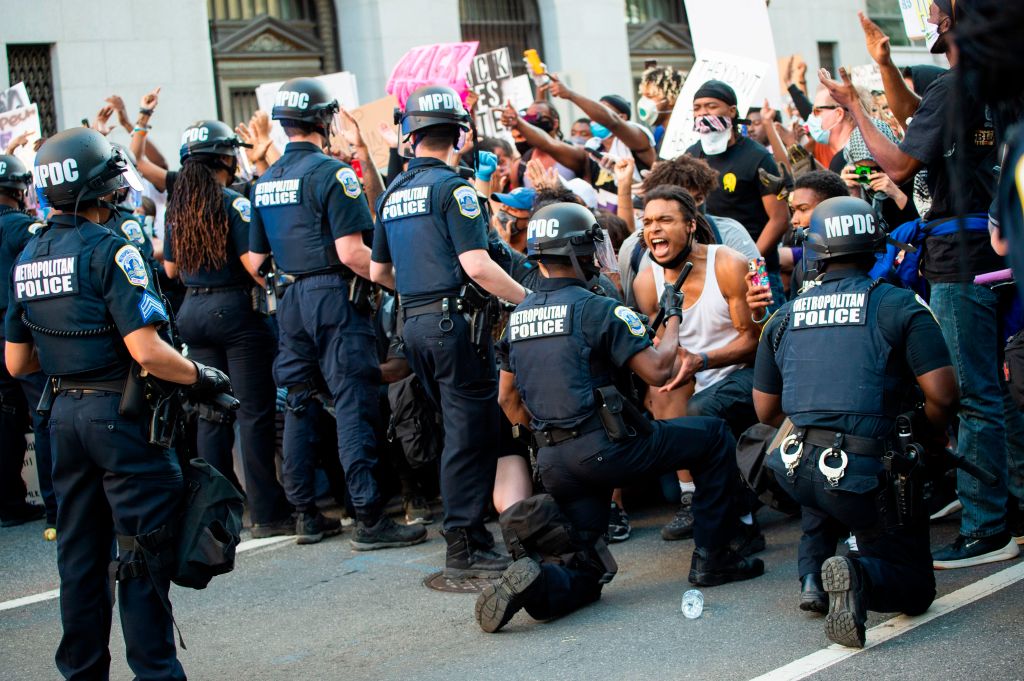
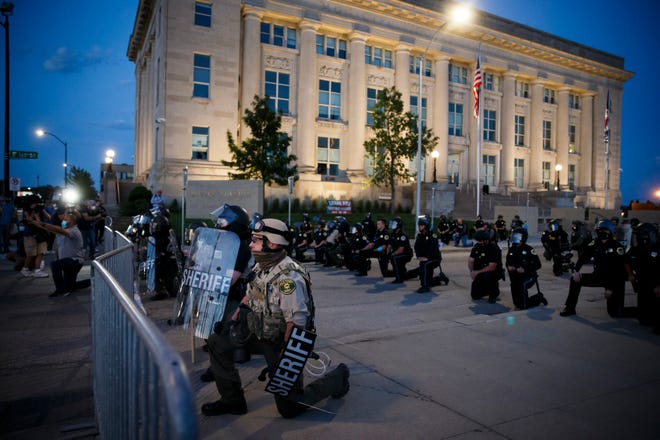
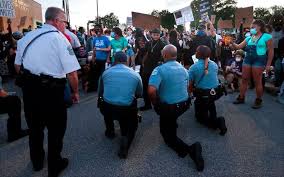
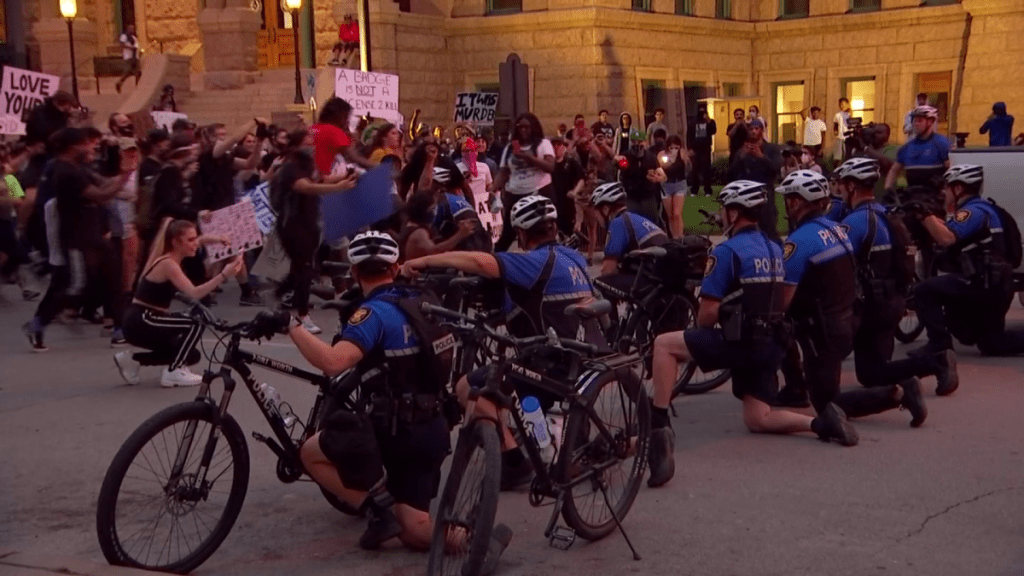
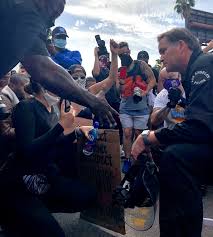
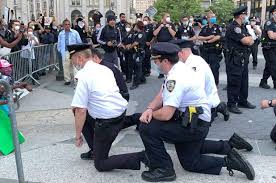
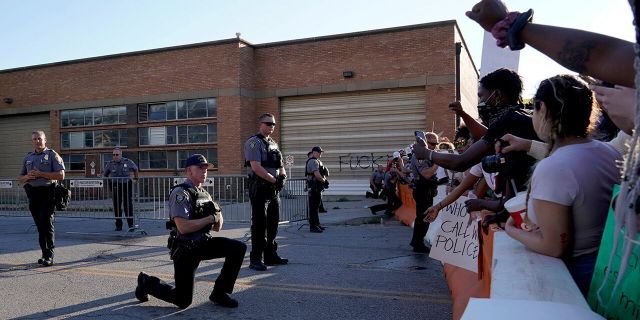
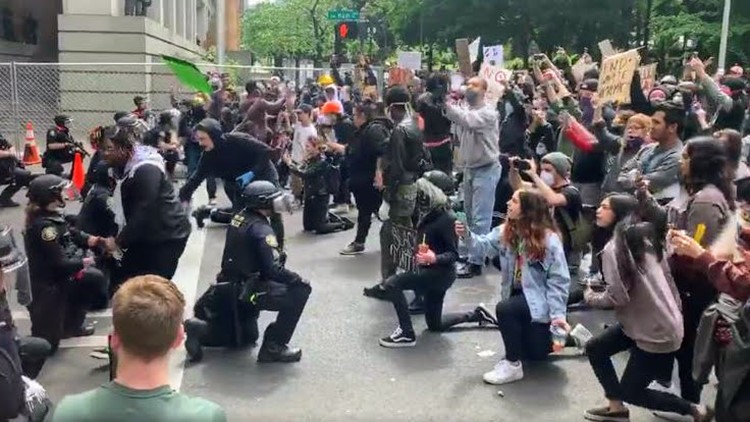
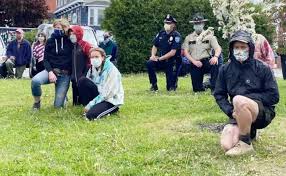
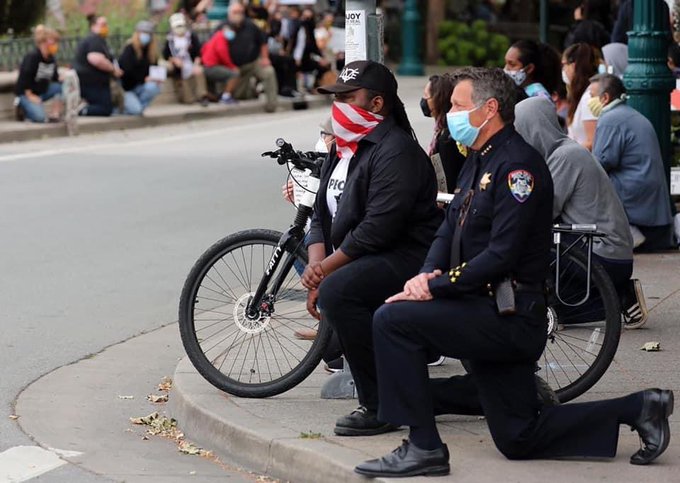
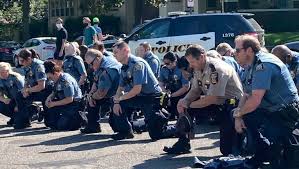
Reasons to hope are not so easy to see, but important to recognize. Unlike the protests in the ’60s, crowds are diverse in age, gender, and color. Unlike the police of that era, some — not enough, but some — police understand and support the protests. At the bottom of this piece, you’ll find heartening examples.
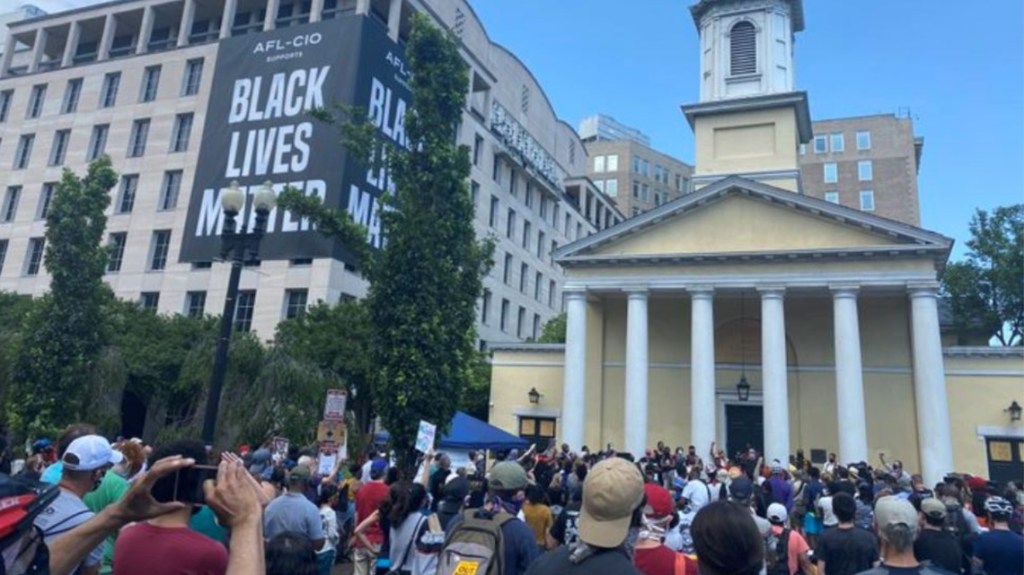
On point in DC
It is perfectly clear what changes this country has to make. We have to toss all the Republicans out of office, not just Trump. Almost without exception, they ignore the terrible harm he does in return for low tax rates for the rich. Once they’re gone, we must take money out of the biggest military budget on earth and put it into public education, affordable housing, health care for all, and fighting climate change. We can never heal all the damage done by slavery and the centuries of racism that followed. But we can make it easier for black communities to build housing, businesses, and healthy environments. We can legislate deep changes in the ways police interact with black people, through hiring, training, practices, and communication with the people they’re supposed to serve and protect.
We can end bail. We can end mass incarceration. We can release nonviolent offenders. We can build services to help former prisoners return to their lives. And we can fund reparations. Capitalism only works if you have capital. Never in the history of black people in America have they had the kind of access to capital white people have. We can change that, if we will.
The protests are making many more people aware that racism is at least as active, widespread, and deadly as the corona virus. The protesters are telling us that we must fight racism the way we fought the Nazis in World War II: with all our resources, all our people, and all our hearts.
The rebellion now taking place in many American cities has been building for a long time. Trump made it inevitable. Remember when he encouraged police not to “be too nice” when putting “thugs into the back of a paddy wagon” in 2017? He told them not to keep suspects from getting hurt by helping them duck as they enter the cop car: “You could take the hand away.” This is only one of many times Trump has incited police violence. He goads his followers to injure protesters and members of the press. His racism is beyond question.
Then the pandemic increased the pressure on everybody, but especially on black communities. Not only are people of color disproportionately in front-line positions, from hospitals to grocery stores, but services in their neighborhoods have been cut, and cut, and cut, so they don’t have the resources they need to stay safe. Housing is overcrowded. Community health centers have disappeared. Food deserts in cities mean they spend more money for worse diets. Their air is polluted, their water is toxic, public transportation won’t get them to where jobs are…The list of injustices is too long for this blog.
Over the past few weeks, on top of a tremendous death rate from COVID-19, on top of people’s desperation from their money running out with no help in sight, on top of endless stories about white police murdering unarmed black people, some especially shocking videos have emerged. One is of two white men chasing down and killing Ahmaud Arbery for jogging while black. One is of a white woman, Amy Cooper, calling the cops to report a black man was threatening her life, when he was just asking her politely to put her dog on a leash as the park required. And then, the last straw, the one of George Floyd getting strangled to death while in handcuffs by a white cop kneeling on his neck. In none of these incidents has justice been done.
Peaceful protests get ignored. Even if hundreds of thousands hit the streets, the media generally pay no attention unless things turn violent. The movement for justice has many voices but no single leader, so media usually interview some random bystander instead of just reading the damn signs. It’s a terrible truth that a city has to burn before our society really takes notice.
And what kind of action will result? Nothing good under Trump, we can be sure. He would love a race war. He could impose martial law and cancel the election he suspects he will lose. Cities burning distract people from his constant mistakes, provocations, and lies.
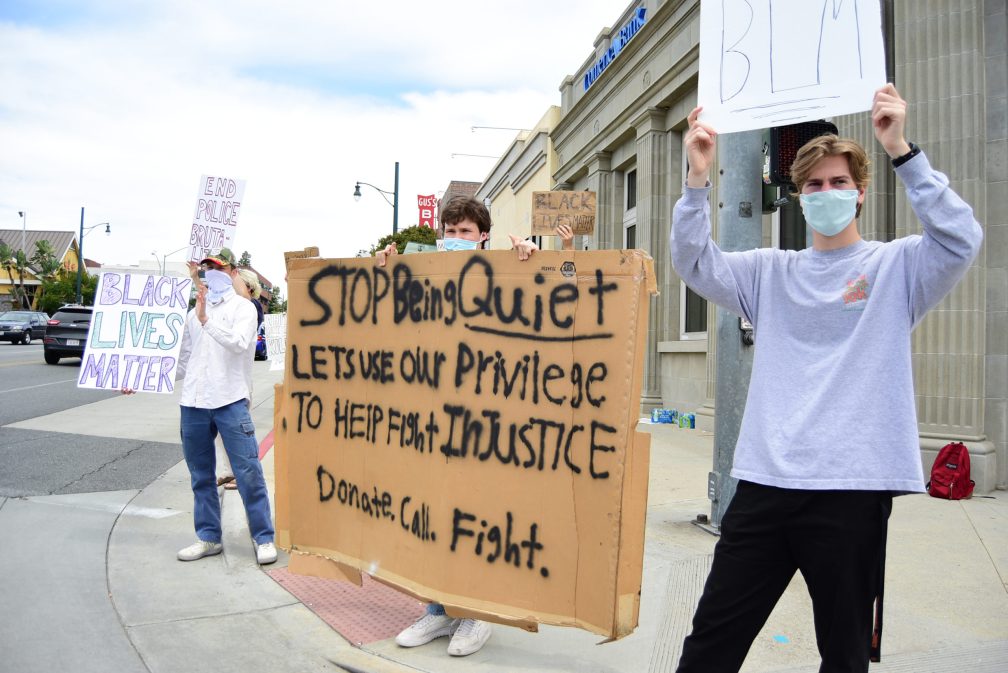
The violence against black people has been ongoing and remorseless. Black people can’t stop racism on their own, even with all their intelligence, persistence, and courage. White people have to show up for the rebellion. This is not only a fight for racial justice. It’s a fight for the rights of all of us to be equal under the law, no matter our ethnicity or gender or class, no matter where we live or how much money we have. It’s a fight for the soul of America. No one group can do it alone. We must stand together if we’re going to win.
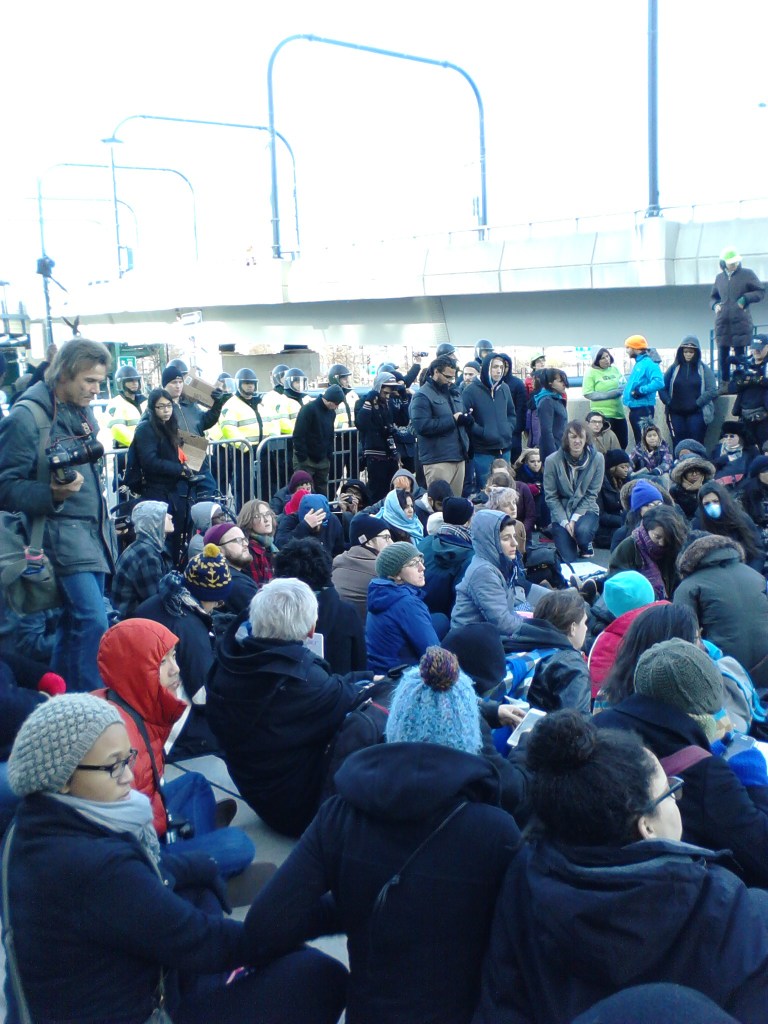
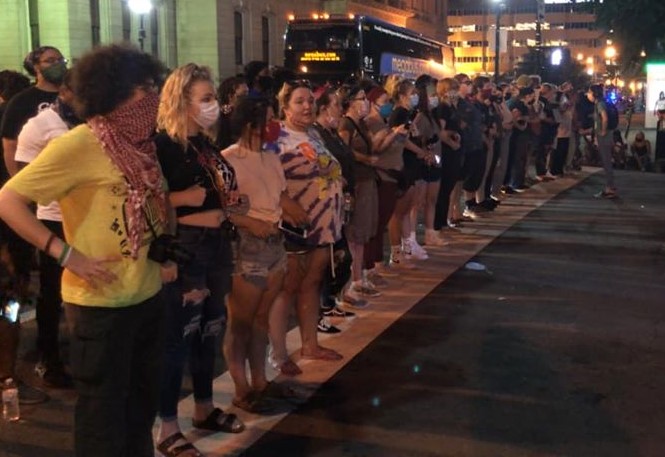
This is how to use privilege: White women protecting black demonstrators from police in Louisville, Kentucky
Does it dry up like a raisin in the sun? Or fester like a sore— And then run? Does it stink like rotten meat? Or crust and sugar over— like a syrupy sweet?
Maybe it just sags like a heavy load.
Or does it explode?
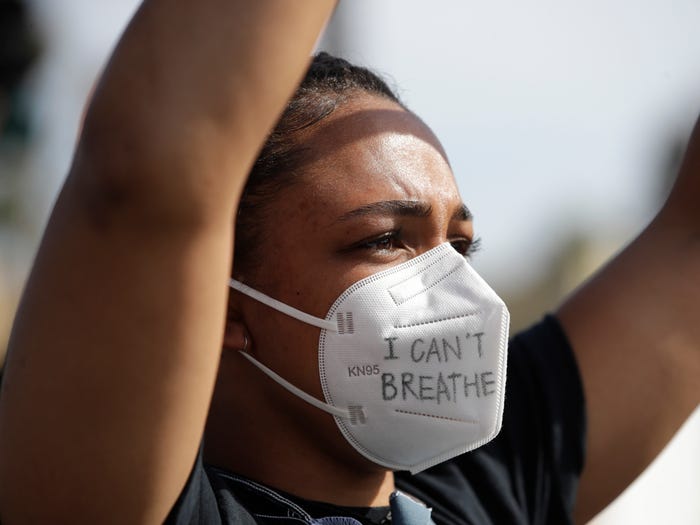
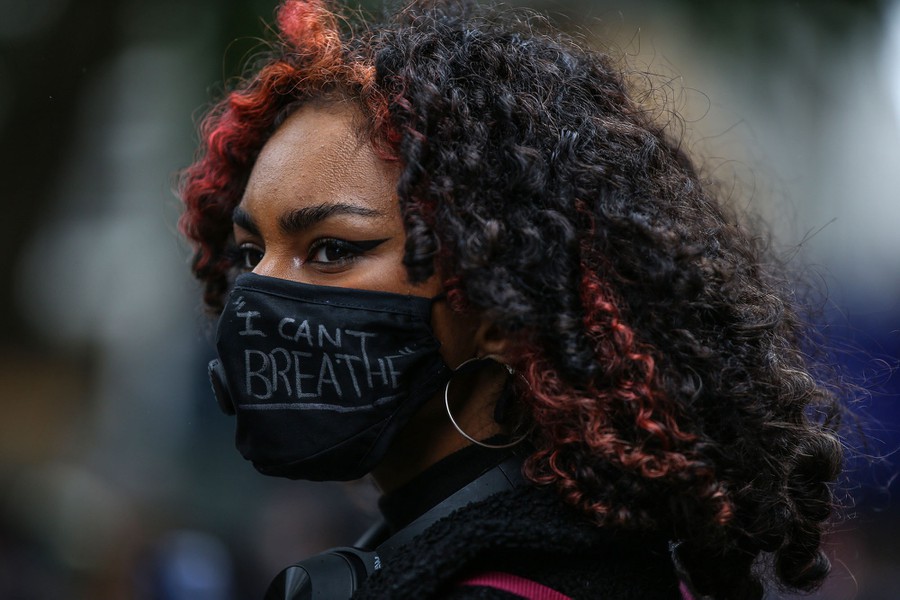
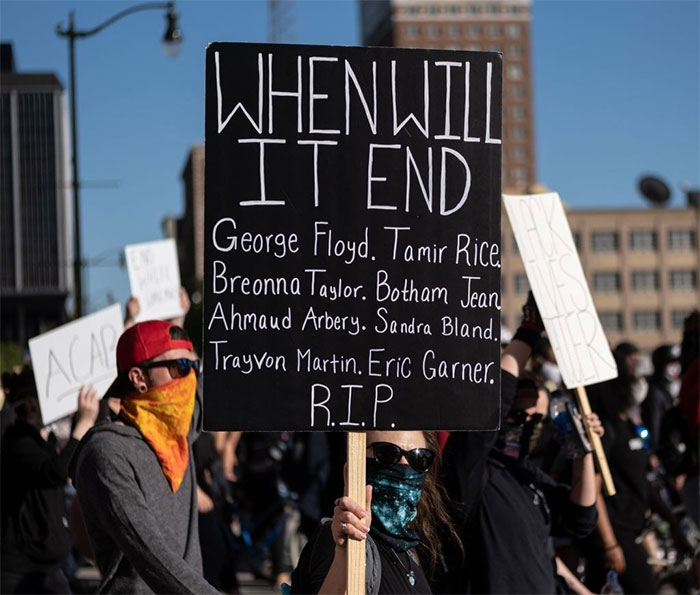
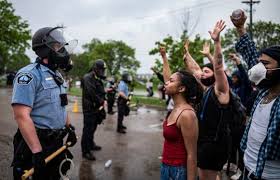
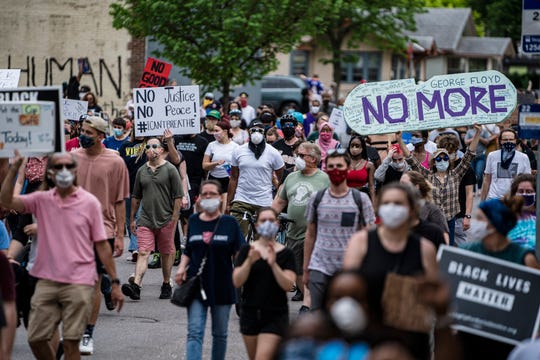
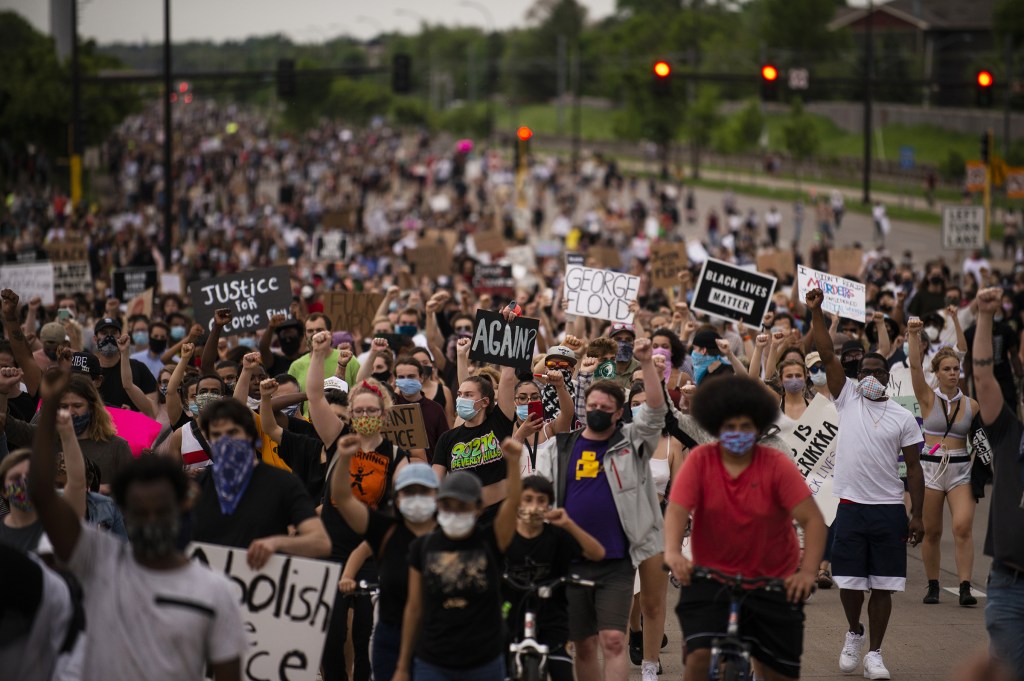
MINNEAPOLIS, MN – MAY 26: Protesters march on Hiawatha Avenue while decrying the killing of George Floyd on May 26, 2020 in Minneapolis, Minnesota. Four Minneapolis police officers have been fired after a video taken by a bystander was posted on social media showing Floyd’s neck being pinned to the ground by an officer as he repeatedly said, “I cant breathe”. Floyd was later pronounced dead while in police custody after being transported to Hennepin County Medical Center. (Photo by Stephen Maturen/Getty Images)
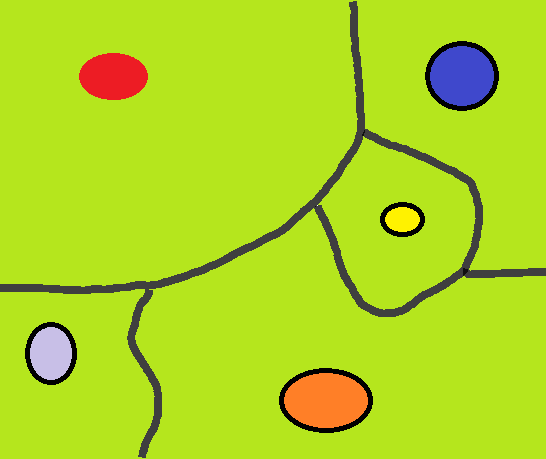
This is a map of imaginary nations. The colored ovals stand for the ruling elites. The green stands for ordinary people. The elites are different colors because various small groups are in power in different countries: religious or not, capitalist or not. But they’re all very rich.
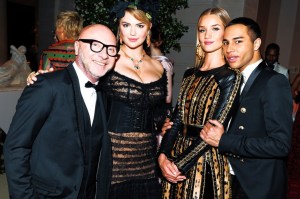
The super-rich & their beauties
The elites appear to be separate from one another. They pretend they have more in common with the masses of people in their own countries than with elites elsewhere, but that is not true. Elites everywhere are connected by their interest in staying in power. Their lives are quite separate from the lives of ordinary people: they don’t live in the same neighborhoods, go to the same schools, or buy from the same merchants. The super-rich are their own country. They form a secret international union that treats the rest of us like interchangeable, expendable servants they can safely ignore.
Without national boundaries
Now look at the imaginary map without national boundaries. There are just ordinary people everywhere; the ruling elites stand out like the spots of a nasty infection on the body of humanity. That disease is the concentration of wealth and power in a few hands.
The tragedy of the masses, aka ordinary people, aka the meek, is that we don’t realize our own power. We think nations are real, though we have to imagine them afresh every day. We think our interests align with the rich, though we know by now they don’t really care about us. If the ordinary people in different countries ever realize that we share the same interest in human survival, and that together we vastly outnumber the elites, the power in this world will shift to our hands.
The ruling class tries to persuade us that other nations are our enemy, but our real enemy is the elites’ bottomless greed. They fear our solidarity. Ordinary people around the world are natural allies, if we only knew it. The boundaries that separate us are imaginary. Instead, we must imagine sharing the earth.
Now is the time for people of good will to join together to save all life. Now is the time to act as brothers and sisters, to be one people.
Now is the time to make peace. Now is the time to join up, all of us together, one thing, the life force of our species, nothing but human.
We’re in a tight spot. Facing the danger means we’ll have to change. We don’t like change. We like our habits, all that’s familiar and comfortable.
We won’t change if we don’t have to. But now we have to. So we change.
We work from home. We stop flying. We drop the use of plastic. We change for our children’s sake.
It took all the skill and energy our ancestors had to survive hard times, to get us here. Was all their work in vain? Whatever they had to do to keep their children safe, they did.
So will we do now. We are all strangers in this strange land unless we are all family.
Hear one another, help one another, put your mask on, keep a safe distance, not from fear but from love, O people of peace.
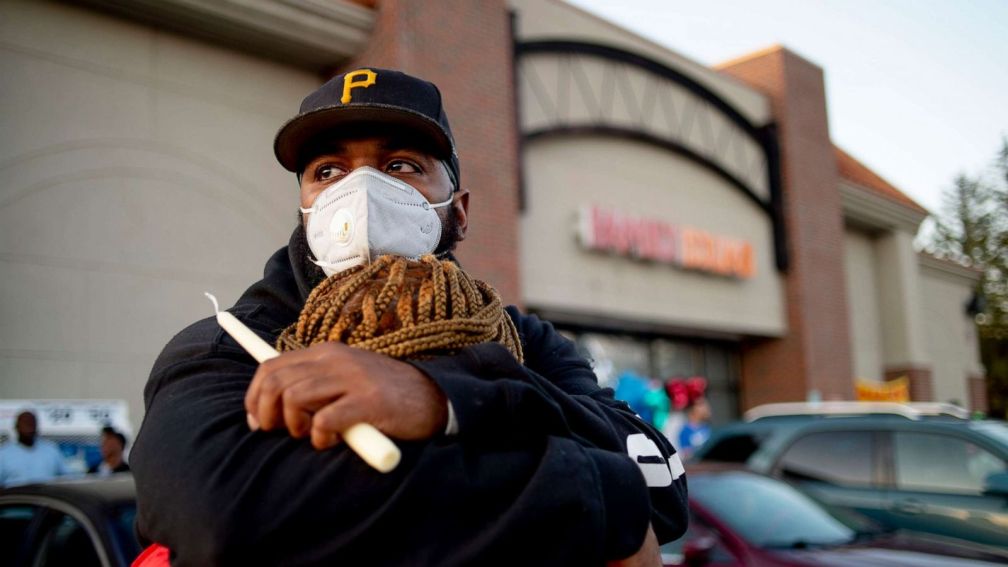
One very small positive aspect of the COVID-19 crisis is that we don’t have to dress up while we’re stuck at home. Everything we wear still makes a statement, although what it states might not be what we had in mind. Sweatpants say, “I believe science and I’m home until the infection rate drops.” Outside the house, an unmasked face like Trump’s says “I’m fine, screw the rest of you.”
Praying GOP will lose
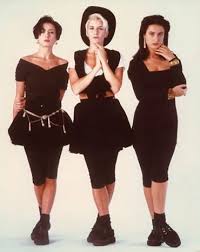
When Reagan established that “Greed is Good” in 1980, fashion, which had been full of wild colors in the ’60s and ’70s, turned black. It stayed black for more than a decade. The Reagan era was when all the wealth Americans created began to go to the richest, and working people started sliding backwards into poverty. Fashion went into mourning.
Take me seriously. Seriously, take me.
Women have spent a century fighting for equal rights, equal pay, and equal respect. Women’s fashions have not always cooperated. Wearing pants: a big win. Skirts so short you should sit on a towel; heels so high you can hardly walk; necklines so low you can’t pick up a pen you dropped or your boobs might pop out: not helpful. Unless we’re actually hoping to pick somebody up before the bar closes, let’s try not to send that message.
I’m free. Sort of.
Some fashions worn by people of color stem from irony, bitterness, and anger. Small wonder. Pants falling off a man’s butt threaten to moon a world that has disrespected him. Iron chains used to mean black people were slaves of white people. Gold chains don’t mean slavery is over. They only say that the new master is Money. They might be costly; the wearer might be rich; but he is still wearing chains.











































 Alice T4