I believe in magic. I’ve seen it happen. Arthur C. Clarke, who wrote 2001: A Space Odyssey, said: “Magic’s just science that we don’t understand yet.” In this case, the science is mob psychology. I’ve seen ugly crowds turn beautiful.
Once, long ago, I was at a huge outdoor rock concert. It was a hot day. Then it rained and the wind came up. People got cold. Some started to tear down the arena’s concession stands so they could make bonfires of the wood. The most aggressive vandals surrounded the fires. The mood was violent and mean.

Then a friend of mine stepped up to a fire, warmed his hands, and loudly praised the people who had built it. “This is so great, thank you! We’re all freezing and this feels wonderful! What a terrific idea!” He kept shouting this sort of thing while more people crowded around the fire. Now the original vandals began to feel like heroes. Others helped them take the stands apart and build more fires. Tension evaporated. Once again we were brothers and sisters enjoying the music together.
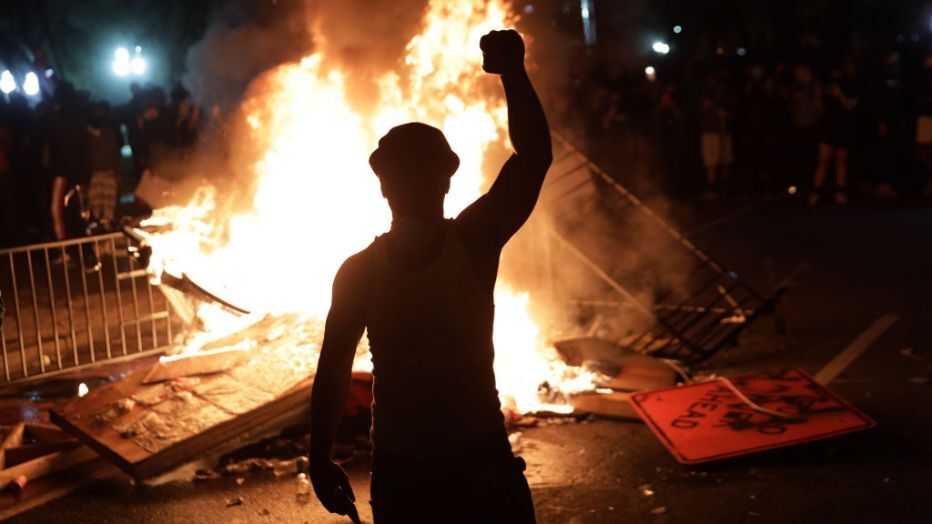
Late this spring, after a Minneapolis policeman murdered George Floyd by kneeling on his neck for 8 minutes and 46 seconds, the black community erupted in protest, releasing tension that had built up over lifetimes of racist abuse. As crowds demonstrated against police brutality, the police demonstrated their brutality. Some people at the fringes of the protests broke into stores; some set fire to police cars and a station where police had fled the scene.
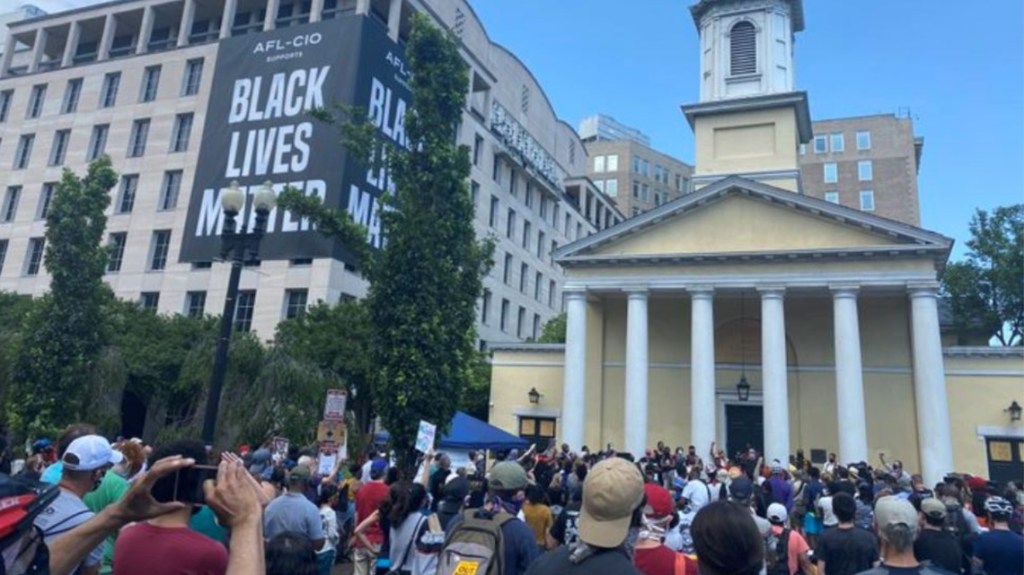
Newscasters predicted riots. Trump clearly hoped for the start of a race war. But over the next few days and weeks, some kind of magic happened. In spite of, or maybe because of, the protesters’ justified rage and the horrific over-reaction by most police, the protests became not wilder but calmer. They grew. They focused. They spread worldwide.

These big, diverse, articulate crowds cannot stay in the streets forever. They have, however, inspired shifts in public awareness, media coverage, and even state budgets and laws that should, that must, result in deep and permanent change. Fighting racism is a battle with many fronts: jails and prisons, schools and workplaces, neighborhoods and legislatures. The work ahead of us is enormous. But our society seems to be ready to take it on, at last.
“Magical thinking” is defined as the belief that our thoughts can cause changes in the real world. When our thoughts have no actual consequences, such a belief is delusional. Yet I have seen people’s thoughts change the world, not just once but many times.
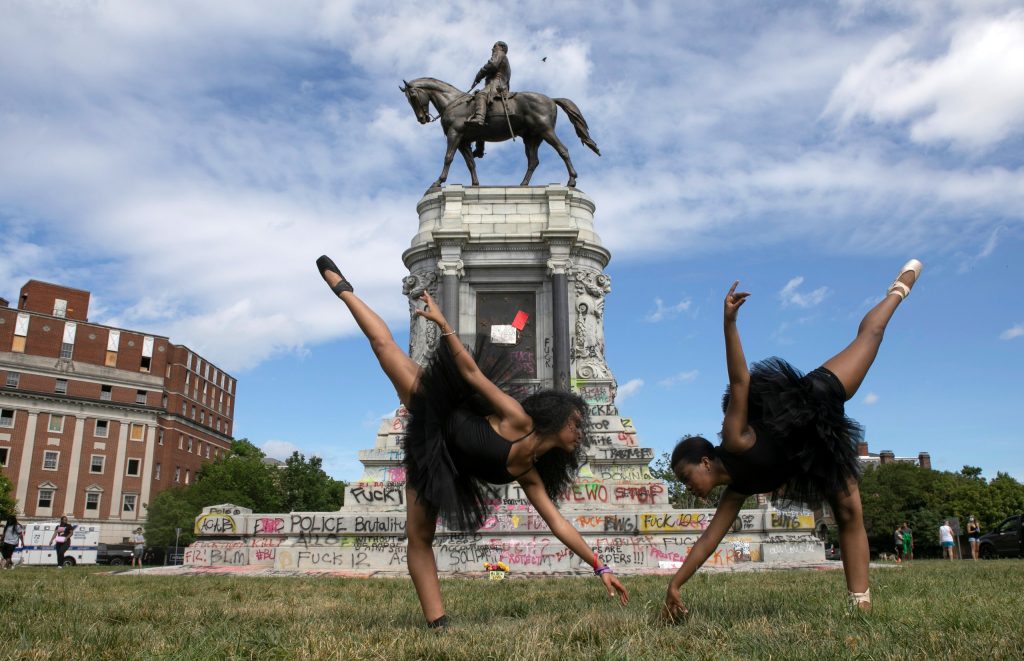
There is such a thing as magic. There is evil magic, like the spell the fascist far right has cast over too many people in too many countries. The worst kind of magic has convinced many people that we have no power to make a difference, that only the very rich or famous can affect our culture. But there is also good magic, the magic of our shared ideals. Let us never give up hope of changing the world together. Magic is in the hearts of the people.
 Alice T4
Beautiful. It really does feel like we’re in a time of Good and Evil playing for humanity – not the kind of magic I want, necessarily, but it does feel superhuman somehow. Yet you’re right: the only magic is what we put out there. I should read this daily to keep my spirits up 🙂
LikeLike